Newsletters




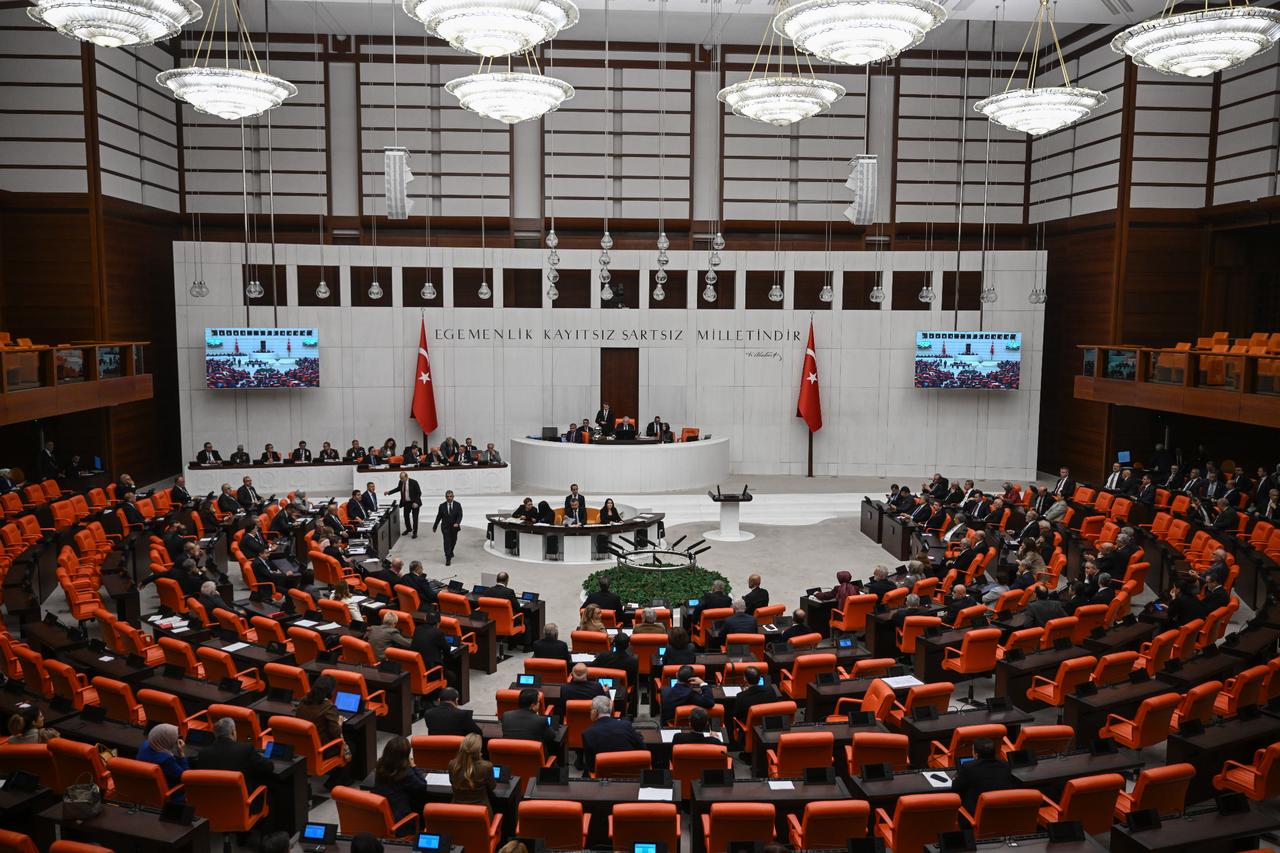
Türkiye’s Grand National Assembly adopted a bill approving the ratification of the Mecca agreement on joint defense with Pakistan and Saudi Arabia by 279 votes to 119, completing parliamentary consideration of a three-way security pact signed this summer.
The General Assembly’s approval is the last legislative step in Türkiye for an accord that commits the three countries to treat an armed attack from outside on any one of them as an attack on all.
The ratification bill is brief. It has three articles: the first approves ratification of the 16-article agreement, the second sets its entry into force on publication in the Official Gazette, and the third assigns implementation to the president.
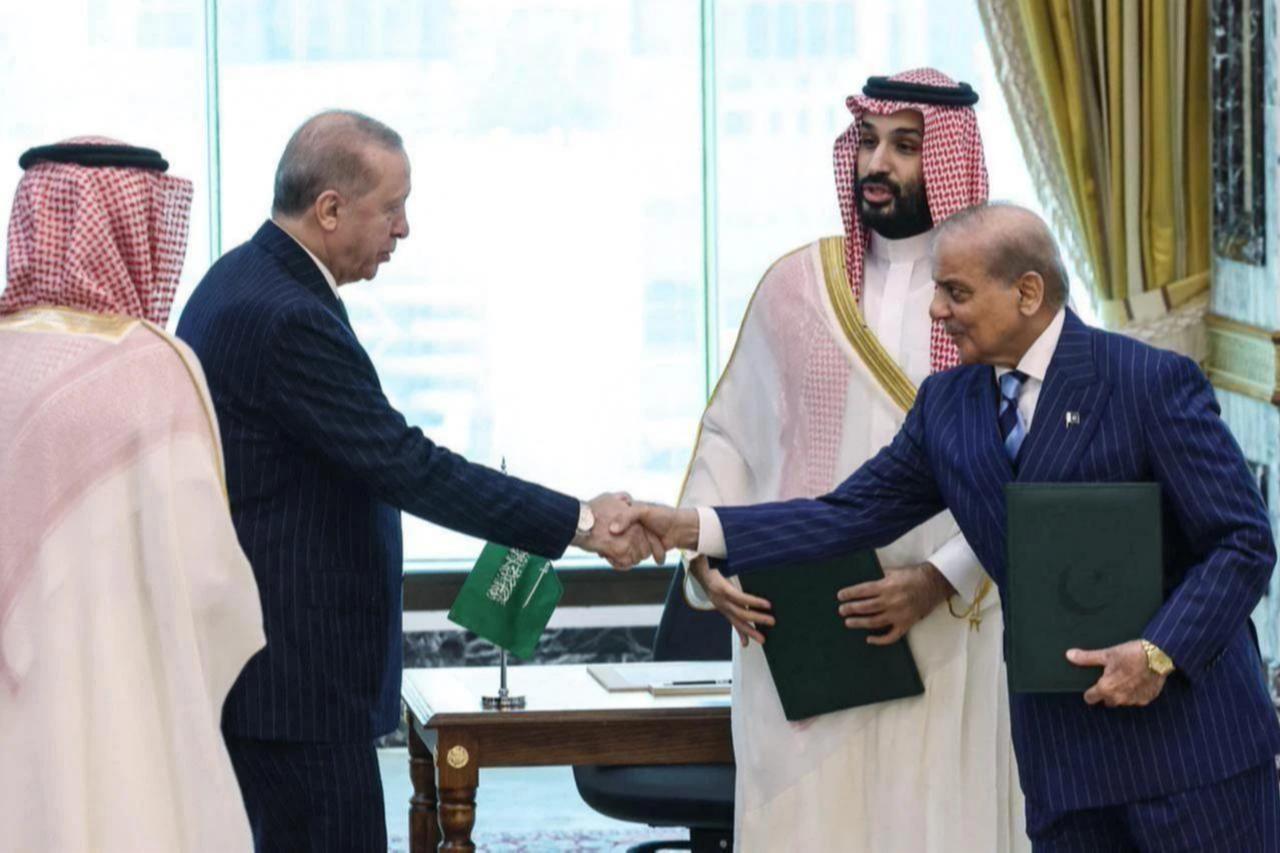
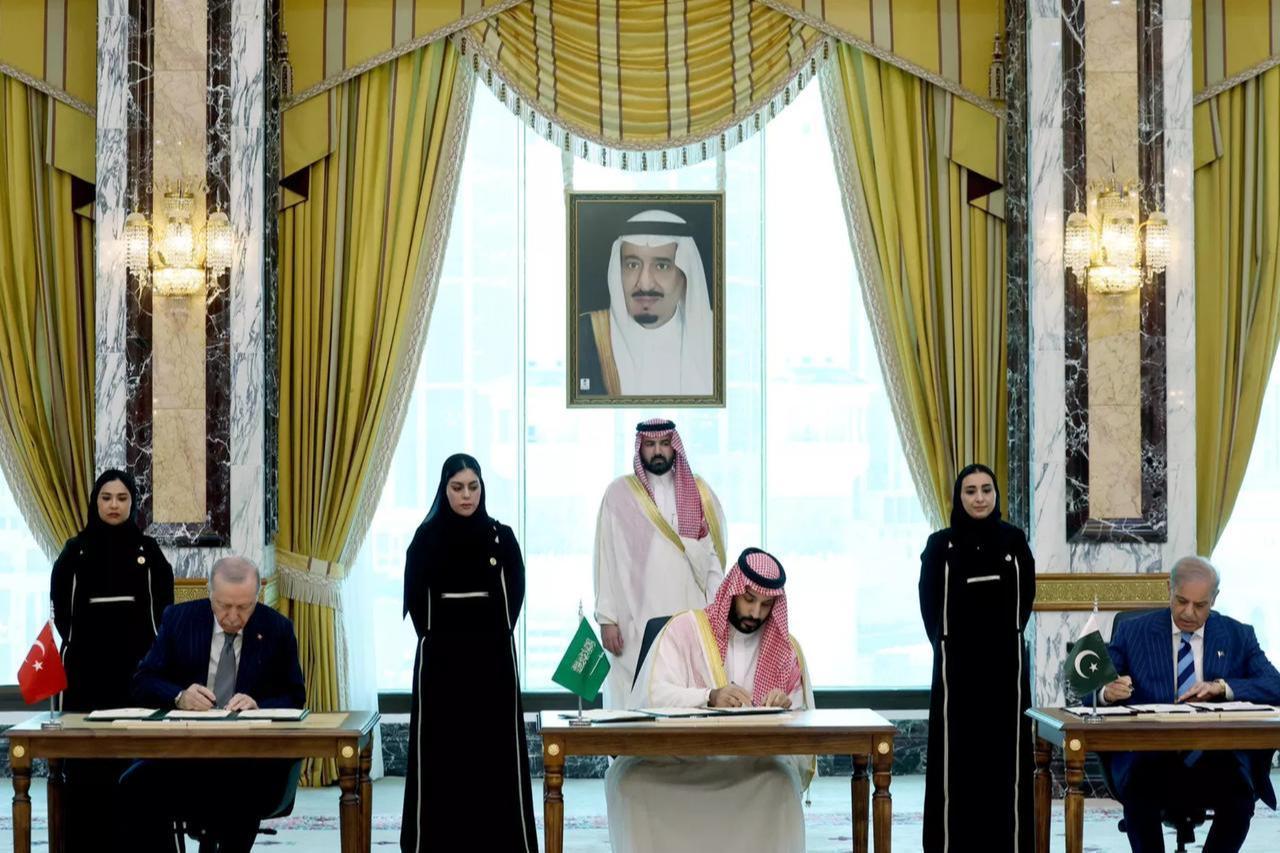
Türkiye, Pakistan and Saudi Arabia signed the agreement on Aug. 7 at a trilateral summit in Mecca. Beyond mutual defense, it covers counterterrorism, intelligence sharing, joint exercises, defense-industry cooperation and logistical support, and it creates a Strategic Political and Defense Committee to oversee cooperation.

The government sent the bill to parliament on Oct. 20. The Foreign Affairs Committee approved it by majority vote on Oct. 27, a Tuesday, sending it to the full chamber.
During the committee stage, opposition lawmaker Utku Cakirozer argued that the National Defense Committee should also review the text. Committee chair Fuat Oktay said that panel had indicated it would not conduct a review.
The General Assembly finished its general debate on the bill as a whole and began voting on individual articles on Wednesday, Nov. 4. The first article was adopted in the early hours of the following day, after which Deputy Speaker Celal Adan suspended the session until the afternoon. Vote counts were not available in the material reviewed for this article.
Lawmakers from the governing Justice and Development Party, known as the AK Party, and the main opposition Republican People’s Party, known as the CHP, spoke in support of the alliance during the debate. Hulusi Akar, a former defense minister who chairs the National Defense Commission, said the pact complements NATO and is not directed at any country.
Supporters also pointed to constitutional safeguards. Any deployment of Turkish troops abroad requires separate parliamentary authorization, and a new country joining the partnership would need Turkish parliamentary approval as well.
The agreement itself allows assistance to an attacked member only on request, with the three parties deciding its nature and scope by consensus. It remains valid indefinitely, bars withdrawal during the first 10 years, and requires at least three months’ written notice afterward. New members need the unanimous consent of the founding parties.
Under Türkiye’s constitution, international treaties generally take effect after parliament passes a law approving them and the president then ratifies them. In practice, the Foreign Affairs Committee examines the text first, and the General Assembly then debates it as a whole before voting article by article. The president’s ratification and publication in the Official Gazette are expected to follow.
Pakistan and Saudi Arabia have reportedly completed their own ratification procedures. The agreement enters into force once the parties deposit their ratification documents with its secretariat, which is based in Saudi Arabia.
The three countries’ joint committee met in Istanbul on Aug. 31 and in Riyadh on Oct. 5. At the Riyadh meeting, retired Pakistani Lt. Gen. Nauman Mahmood was appointed its first secretary-general for a three-year term.


 Set as preferred source
 Set as preferred source


 1 min read
 1 min read