Newsletters


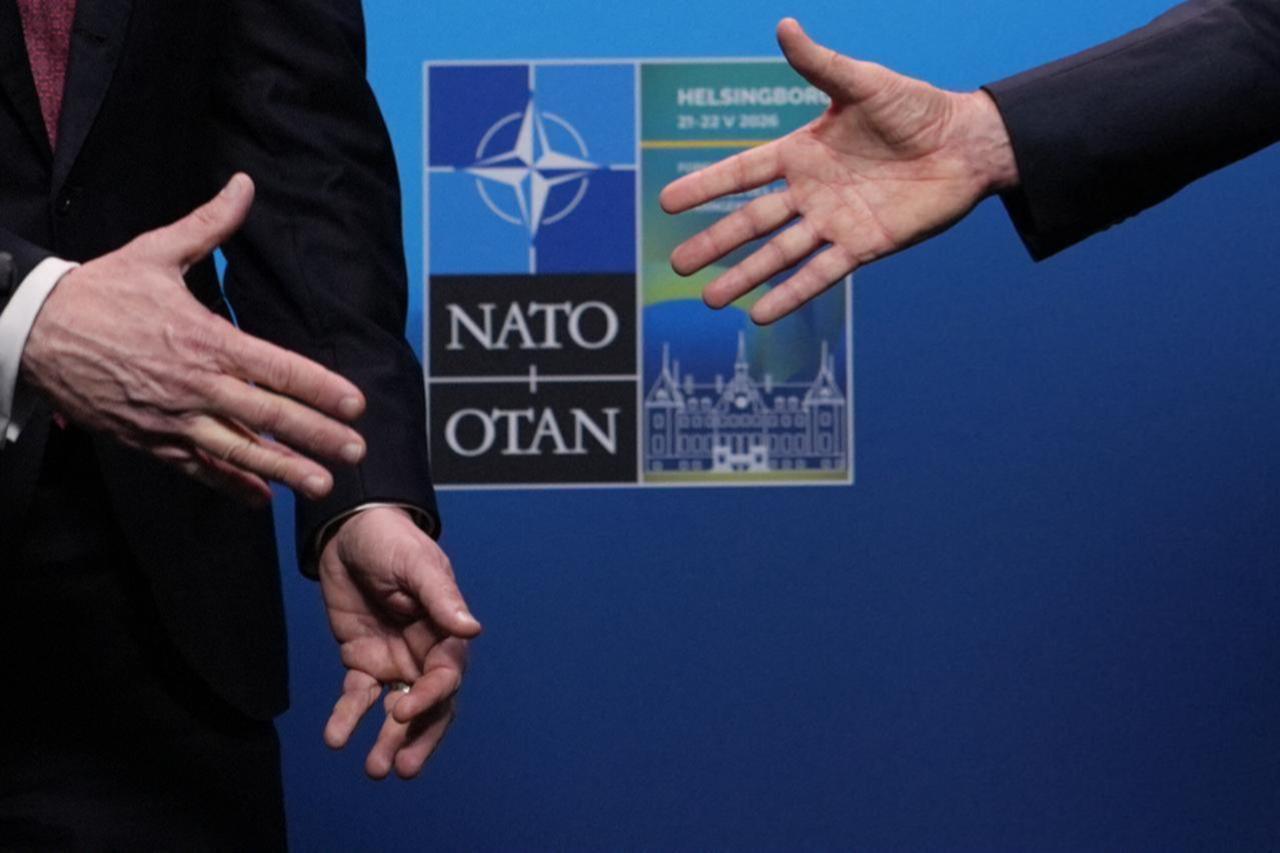


NATO Secretary-General Mark Rutte said Thursday that the alliance will announce tens of billions of dollars in new defense contracts at its upcoming summit in Ankara, framing the July gathering as a pivotal moment for translating political pledges into concrete military capability.
Speaking at an Atlantic Council event in Washington, Rutte said the July 7-8 summit in Türkiye's capital would feature a dedicated defense industry day on its opening day, with a wave of contracts, memoranda of understanding and letters of intent expected to be signed.
"We will announce tens of billions of dollars of new contracts," he said, describing the event as a platform to demonstrate that NATO's defense industrial ambitions are becoming reality.
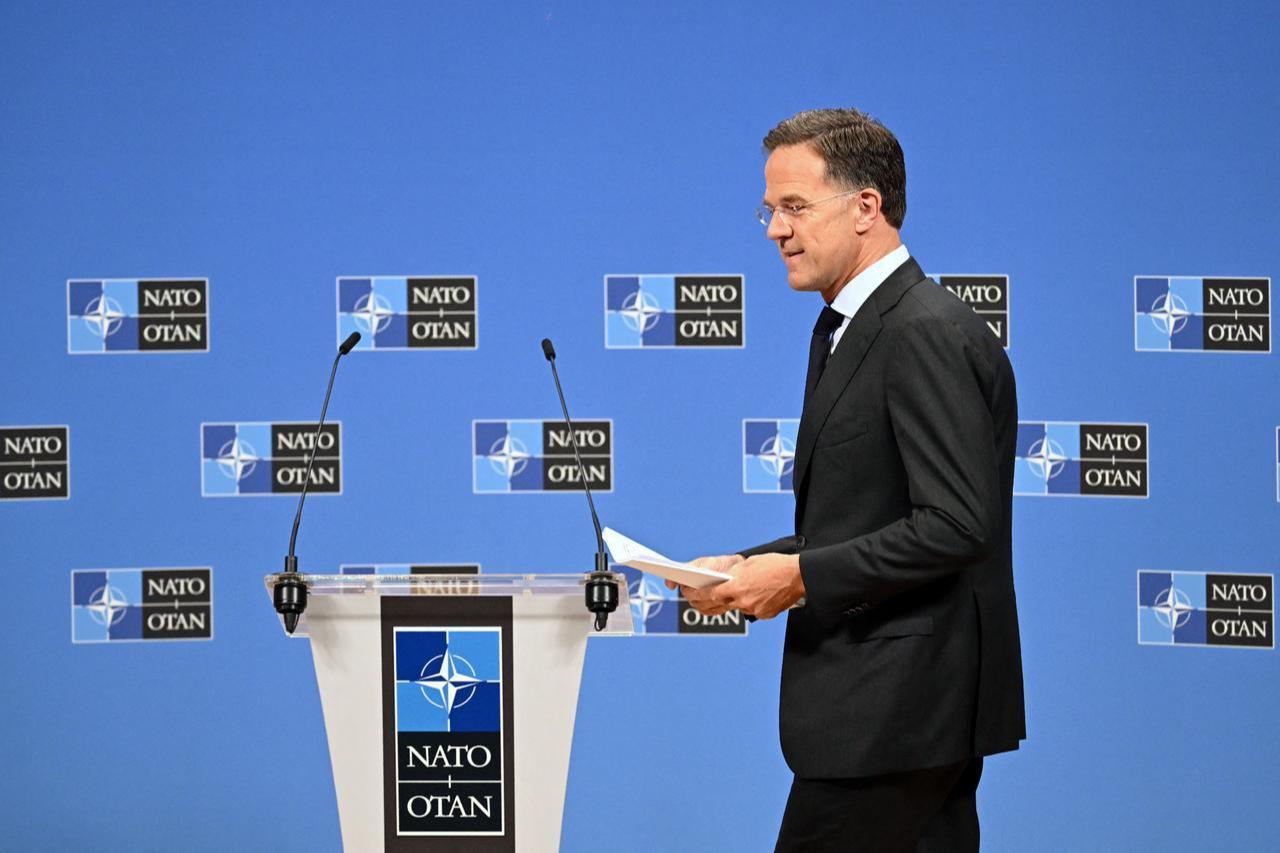

Rutte identified structural barriers as the central challenge for the alliance's defense industrial base, calling on member states to streamline procurement and break down siloed national industries.
"We need to ensure that we are translating our economic might into military capabilities," he said, adding that this requires "overcoming fragmented national defense industries on basically the other side of the Atlantic, cutting red tape here in Washington and keeping innovation front and center across the alliance."
Rutte singled out Türkiye as a key contributor to alliance-wide production, noting that the country hosts approximately 3,000 defense industrial companies operating across NATO territory. He also praised Aselsan, Türkiye's largest defense electronics company, saying that engineers he met there this spring "are driving Türkiye's defense industrial revolution, which will benefit every member of our alliance."
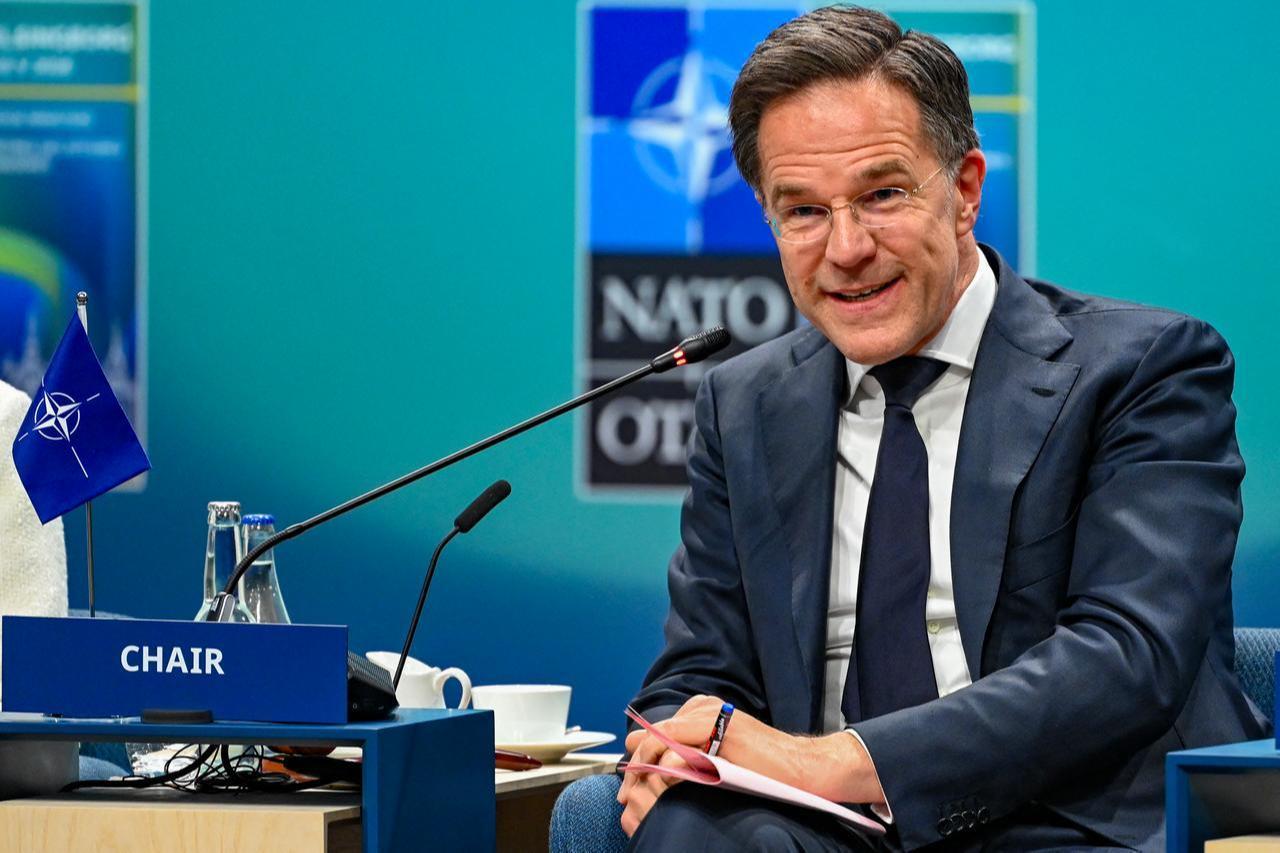
Rutte confirmed that Ukrainian President Volodymyr Zelenskyy would attend the Ankara summit and used the occasion to deliver a pointed message to Moscow. "We expect to show him and all Ukrainians that our support endures, and remind President Putin that we are not going anywhere," he said.
He assessed Ukraine as holding a technological edge over Russian forces, particularly in drone warfare and counter-drone systems, and said Ukrainian strikes on Russian energy infrastructure have grown increasingly effective. NATO must continue providing Ukraine with as much air defense capability as possible, he added.
Rutte framed the Ankara summit as a step beyond last year's NATO gathering in The Hague, where allies agreed on a 5 percent of GDP defense spending target and commitments to ramp up production. While describing The Hague as a success, he argued that implementation now matters more than declarations.
"Putin is not afraid of commitments, he's afraid of implementing those commitments, and that's exactly what we are doing," Rutte said. He pointed to nearly 20 percent growth in allied defense spending over the past year as early evidence that the 5 percent trajectory is becoming credible, and said he expects the Ankara summit to deliver the concrete roadmap that underpins it.


 Set as preferred source
 Set as preferred source


 2 min read

 1 min read