Newsletters





Citizens submitted 1,076 petitions to the Turkish Parliament’s Petition Committee in May, including requests to introduce mandatory military service for women aged 20, allow installment payments for paid military service and impose an animal ownership tax on adopted cats and dogs.
The petitions were included in the May activity report of the Petition Committee, which reviews citizens’ requests and complaints submitted to Parliament.
Among the applications were proposals to ban the making of statues, introduce new legal protections for parents caring for sick children, and collect taxes on long-vacant homes.
Petition Committee Chair and AK Party Adana lawmaker Sunay Karamik said the petitions reflected a wide range of public demands, from daily life to public services.
“The demands voiced by our citizens across a wide range, from their daily lives to public services, have shed light on our solution processes and strengthened our determination to further reinforce democratic participation,” Karamik said.
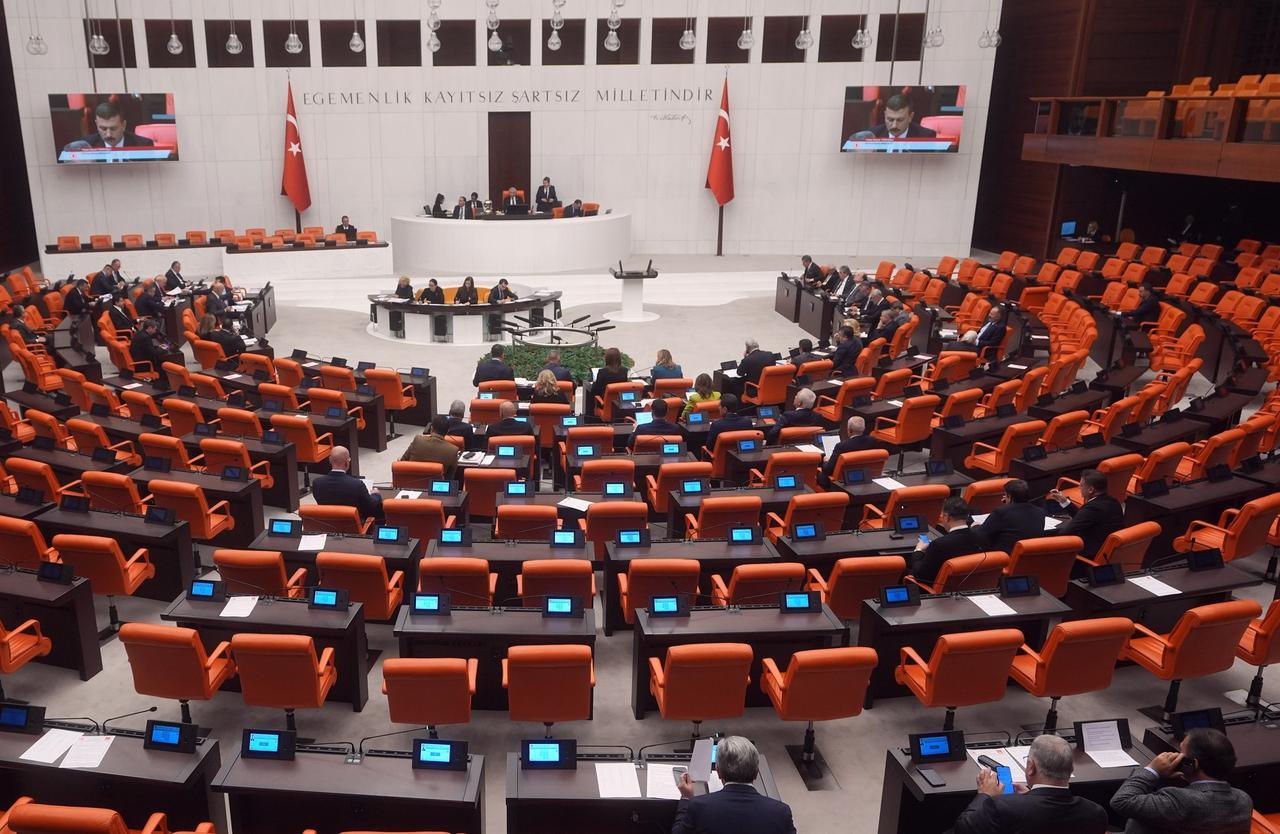

According to information compiled from the committee’s May activity report, 1,076 applications were submitted to the Petition Committee last month.
Of these petitions, 163 were submitted by women.
The highest number of applications concerned procedures for petitions submitted to the commission, labor and social security issues and justice-related matters.
The provinces with the highest number of applications were Istanbul, Ankara and Izmir.
One applicant asked for weddings, engagements and similar ceremonies to be banned, saying they create an economic and social burden during the marriage process.
Other citizens submitted petitions asking for legal regulations on several issues.
These included SGK premium support for homemakers, legal guarantees for parental accompaniment during children’s illness and recognition of health reports issued for children as also valid for parents.
Other requests included a “vacant housing tax” for homes kept empty for long periods, incentives for renting and transforming existing homes, and a ban on making statues.
Some of the more notable requests submitted to the Petition Committee included a demand that the state should not cover health expenses for people who use cigarettes and alcohol.
Other petitions asked for families married for more than 25 years with at least three children to be given the right to buy vehicles without special consumption tax.
Citizens also asked for every person to receive a free internet quota and for weekend holidays not to be counted as part of public employees’ annual leave.
Other requests included allowing paid military service fees to be paid in installments and abolishing practices such as home seizure.
One petition asked for mandatory military service to be introduced for women who reach the age of 20.
Another requested an annual animal ownership tax to be collected by municipalities for adopted cats and dogs.
Other applications called for gender reassignment to be banned entirely and for those who change gender to be stripped of Turkish citizenship.
Some citizens also asked for tax exemptions for families with five or more children.
The committee also plays an active role in addressing citizens’ problems and responding to their requests.

Karamik said the committee continues its work with the awareness that every voice raised by the public contributes to democracy.
She emphasized that the right to petition is not only an individual application mechanism but also one of the most effective tools for citizens to participate in governance and bring social expectations to Parliament.
“The petitions submitted to our committee during this period have reflected the problems and expectations of different segments of society, creating an important data source for us,” Karamik said.
She said the increasing number of applications submitted through e-Devlet, Türkiye’s digital government portal, has significantly improved the accessibility and effectiveness of the right to petition.
Karamik said the committee contributes to the development of e-democracy through its work and encourages citizens’ direct participation in governance.


 Set as preferred source
 Set as preferred source


 1 min read

 1 min read