Sign in
 Newsletters


 Featured


When Iranian missiles struck Ras Laffan on March 18 and 19, they put two of the 14 liquefaction trains at the heart of Qatar's gas industry out of action. QatarEnergy's chief executive told Reuters the repairs could take three to five years and cost about $20 billion in revenue a year.
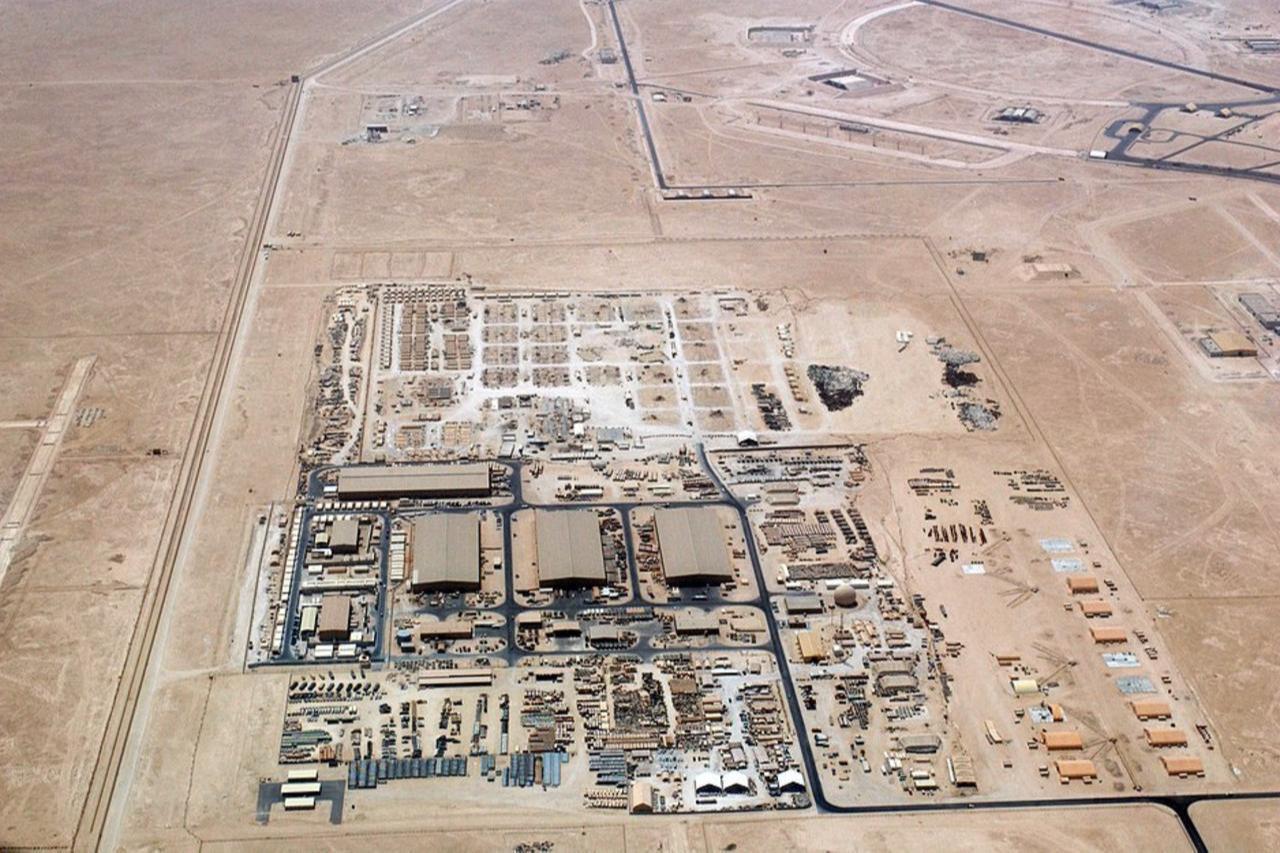
Qatar hosts Al Udeid, the largest American base in the Middle East, and holds a written presidential promise that Washington will defend it. The missiles came anyway, and Iranian fire badly damaged the base's air operations center as well.
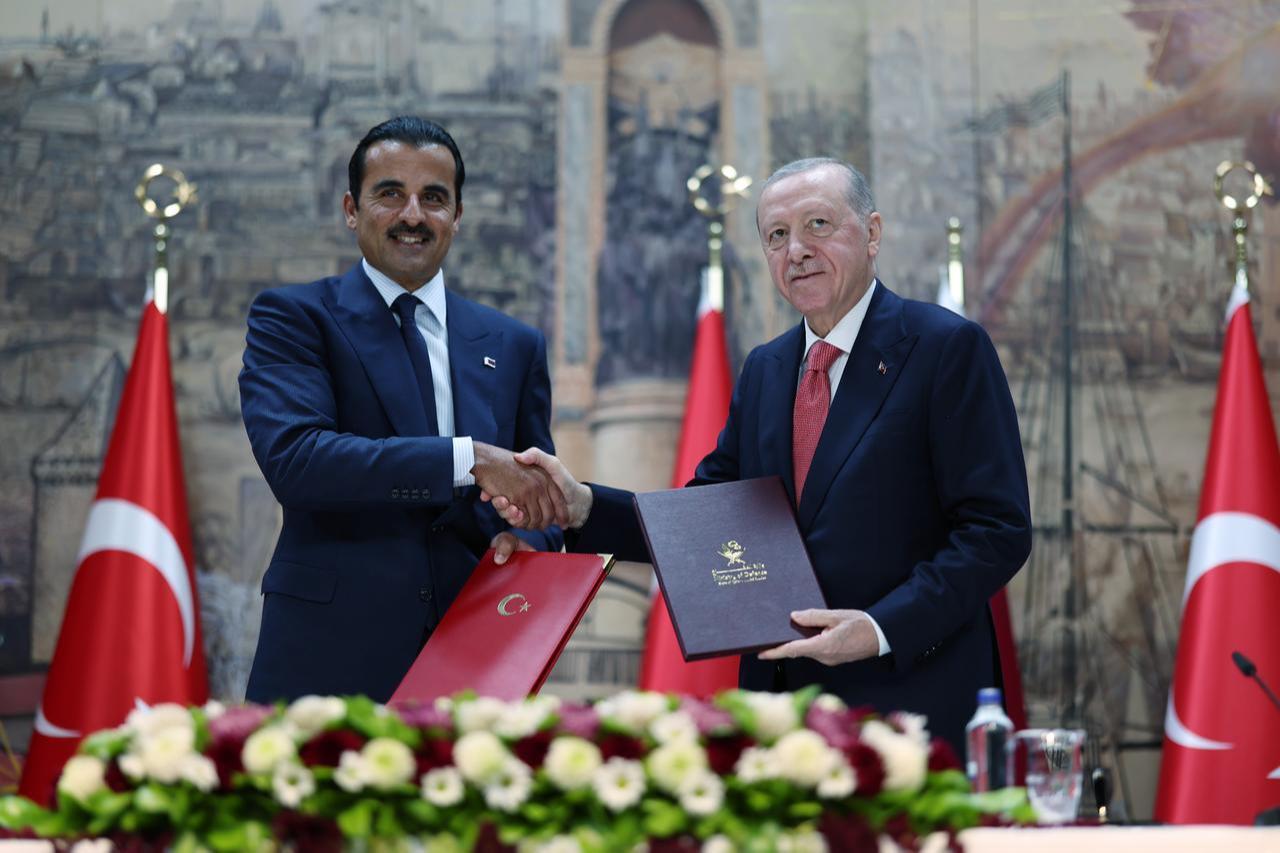
Eight months later, on Nov. 13, Emir Tamim bin Hamad Al Thani travelled from the COP31 climate summit in Antalya to Istanbul and signed a mutual defense agreement with President Recep Tayyip Erdogan. Their joint communique pledges a "unified stance in confronting any external armed attack" against either country.
For a generation, Gulf rulers have talked about sheltering under an American security umbrella. This year, it leaked.
The Qatar pact is the third Turkish-anchored arrangement in the region since August, following the Mecca Joint Defence Agreement with Saudi Arabia and Pakistan and the Badr memorandum with Qatar, Pakistan and Indonesia.
The question now being discussed in Washington is whether Ankara is offering the Gulf a replacement umbrella or a spare one.

The rivalry thesis has its loudest champion in the Foundation for Defense of Democracies, a Washington think tank long hawkish on Ankara. Its analysts read the Mecca and Badr deals as proof of "Turkish ambitions to wrest regional leadership from the United States," and want the State Department to "check the Qatar text against Article 8 of the NATO treaty," which bars members from engagements that conflict with the alliance.
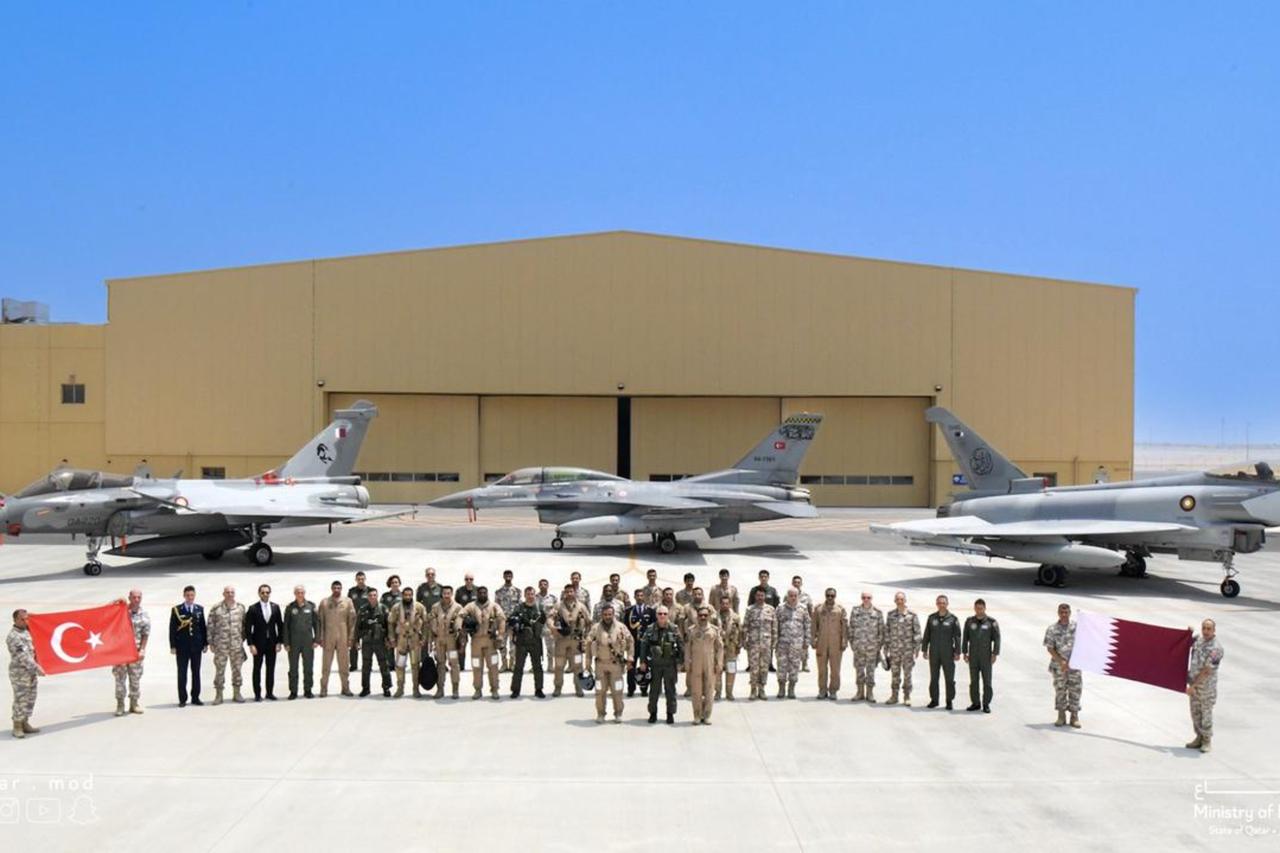
Turkish soldiers have been stationed in Qatar since 2015, and the Khalid bin Walid base, opened in 2019, can house up to 5,000 of them. The Mecca pact has also moved beyond signatures: its members agreed to activate collective deterrence measures after Houthi attacks on Oct. 5, and Türkiye's Parliament ratified it on Nov. 5.
The mood in Gulf capitals helps. Time magazine, citing regional officials, reported that Gulf governments now regard the American umbrella as unreliable, having watched Washington start a war alongside Israel over their objections and then struggle to manage the fallout.
In July, Allison Minor and Alina Romanowski of the Atlantic Council warned that if Washington failed to define a new role, its partners would build an apparatus "that can stand without Washington." On that reading, Ankara is simply the first contractor to show up at the site.
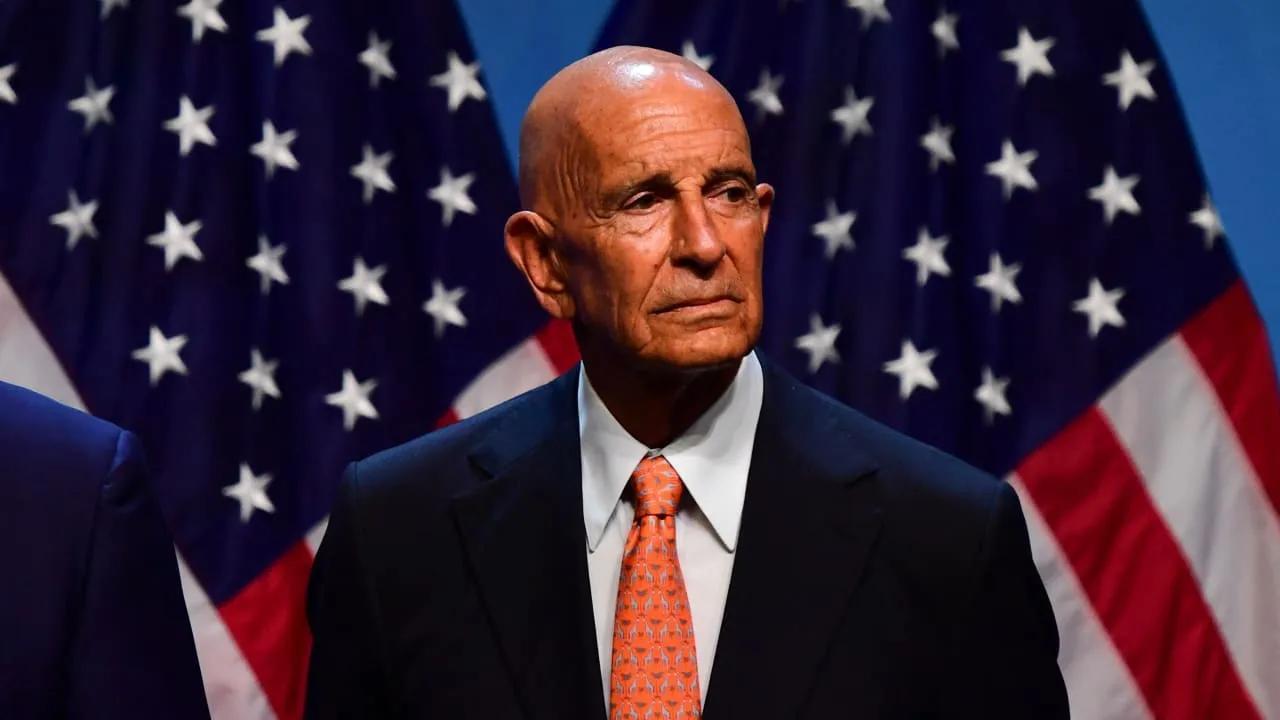
The opposing case starts with Washington's own envoy. Speaking at the Global Security Forum in Doha in October, Tom Barrack, the U.S. ambassador to Ankara and Trump's special envoy for Syria and Iraq, said that untangling the region's militia wars, from the Houthis in Yemen to Hezbollah in Lebanon, is "not America's job," and that the U.S. is no longer the world's guarantor the way it was for 80 years. Read against that, a NATO ally shouldering more of the Gulf's security looks less like defiance than delivery on what Washington has been asking for.
Ankara has also answered the Article 8 question on its own. On Nov. 19, the Defense Ministry said the Qatar pact carries no automatic obligation to deploy troops, that any help depends on an explicit request and mutual agreement, and that Türkiye's NATO rights and obligations are unaffected.
Washington is not behaving like a jilted partner. Trump welcomed the Mecca pact as a "big, bold" step, and John Calabrese of the Middle East Institute notes that the administration has shown little inclination to discourage Ankara's growing role.
Nor has any Gulf government asked the Americans to pack up. F. Gregory Gause III, also writing for MEI, points out that while some Gulf voices question the bases, no ruling government has called for a divorce: "On the contrary, they want the Americans to stay."
Then there is the hardware. Gulf air defenses intercepted most of Iran's missiles and drones largely with American-made systems linked through American networks. Dania Thafer of the Gulf International Forum says that the United States remains "the best option out of not-so-good options."
Türkiye cannot reopen the Strait of Hormuz, through which virtually all of Qatar's gas must pass, and the Qatar-Türkiye pipeline Ankara keeps reviving has not advanced beyond talk.
The irony sits in the legal paperwork. As former U.S. ambassador to Türkiye James Jeffrey and Elizabeth Dent of the Washington Institute noted, every American security arrangement in the Middle East is non-binding except one: the treaty with NATO ally Türkiye.
The Gulf is not a monolith. Ebtesam al-Ketbi, head of the Emirates Policy Centre, wrote that the region became economically multipolar before it became multipolar in security, and that asking who might replace the U.S. "misses the point." Autonomy, in her telling, means keeping your options when your partners disagree.
Ali Bakir of Qatar University, writing for the Italian Institute for International Political Studies (ISPI), reads the Mecca pact the same way: the region's turn to new partners "does not imply abandoning the partnership or alliance with the United States," only ending a near-total dependence that proved insufficient.
Nor do the new threads all run in one direction. As analyst Hammam Mubarak notes, Riyadh is deepening defence ties with Pakistan while Abu Dhabi has signed a strategic defence partnership with India, Pakistan's nuclear-armed rival. The result is a web of overlapping arrangements with no single centre, Ankara included.
On this view, Doha is buying redundancy from a partner that brings a decade-old base and a NATO badge. Ankara, in return, gets contracts and a seat at a table Washington once hosted alone. Calabrese's verdict is that the Qatar pact adds to the American relationship rather than replacing it, and that no partner, Turkish or American, can erase the geography that makes outside protection necessary.
This week, a few days after the Istanbul signing, American and Qatari officials sat down for their eighth strategic dialogue.
For now, the forecast in the Gulf calls for carrying many umbrellas.


 Set as preferred source
 Set as preferred source


 7 min read