

 Newsletters





Rescue teams have pulled 3,055 people who were stranded by floodwaters across Istanbul, Interior Minister Mustafa Ciftci said Thursday, as authorities reported three deaths and six people missing after heavy rain in the city and neighboring provinces.
The disaster agency AFAD, the coast guard, gendarmerie and municipal crews carried out the rescues, Ciftci said. People who asked for shelter were placed in public guesthouses. He said evacuations of residents trapped in the Ayazaga area have been completed.
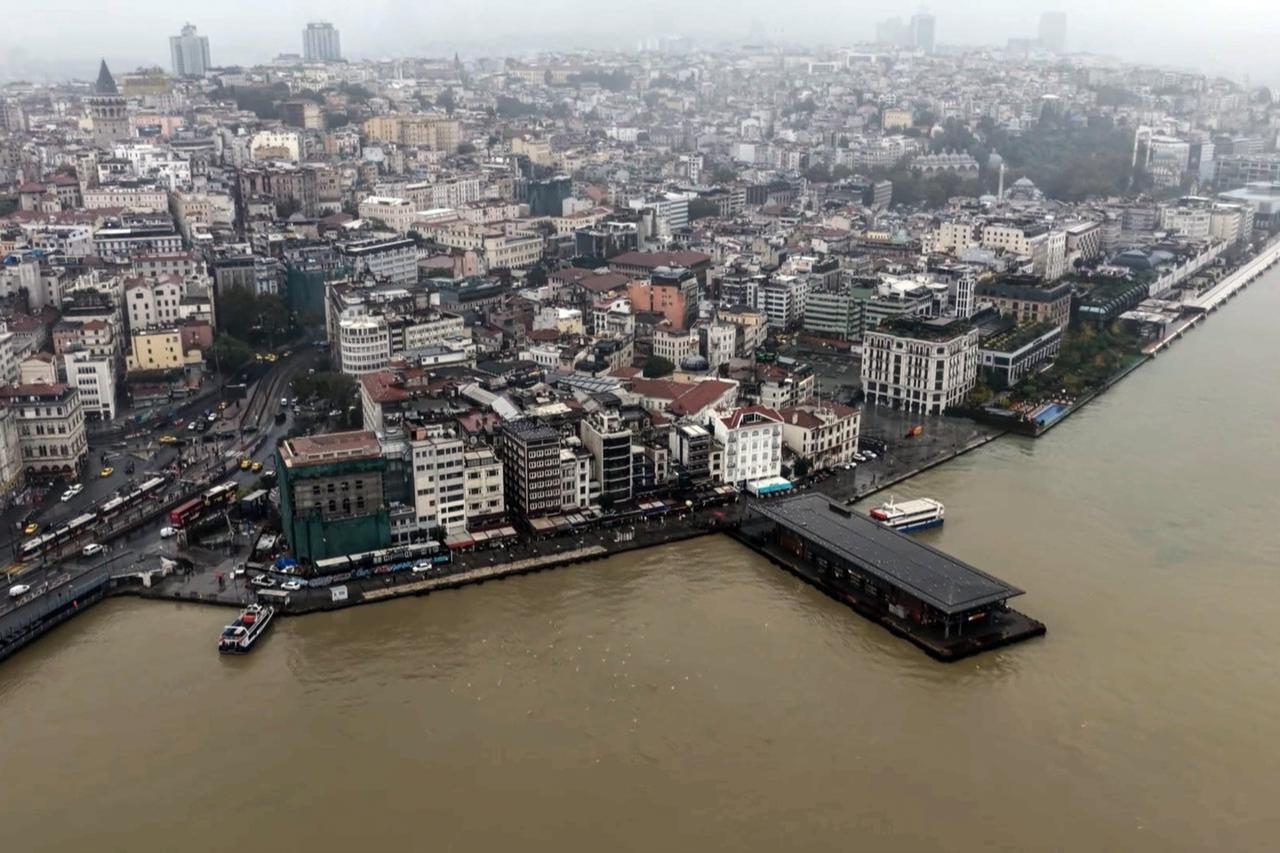

Officials received 12,372 emergency reports across the provinces under weather warnings, 9,755 of them in Istanbul. Teams responded quickly to 7,456 incidents confirmed through Istanbul’s 112 Emergency Call Center, the minister said.
In Istanbul, 46,597 personnel are deployed, including 8,597 in search, rescue and first response roles and 38,000 support staff. Nationwide, 58,085 personnel are on duty.
AFAD has also sent 1,000 volunteers to the field, and teams remain on 24-hour alert for new developments, Ciftci said.
The Istanbul governor is coordinating the work in the field and at the AFAD Coordination Center.
One person died of electric shock and two drowned, Ciftci said. Reports of missing people were filed for five residents of Istanbul and one of Kocaeli province.
Search teams are working “without interruption” to find them, he said.
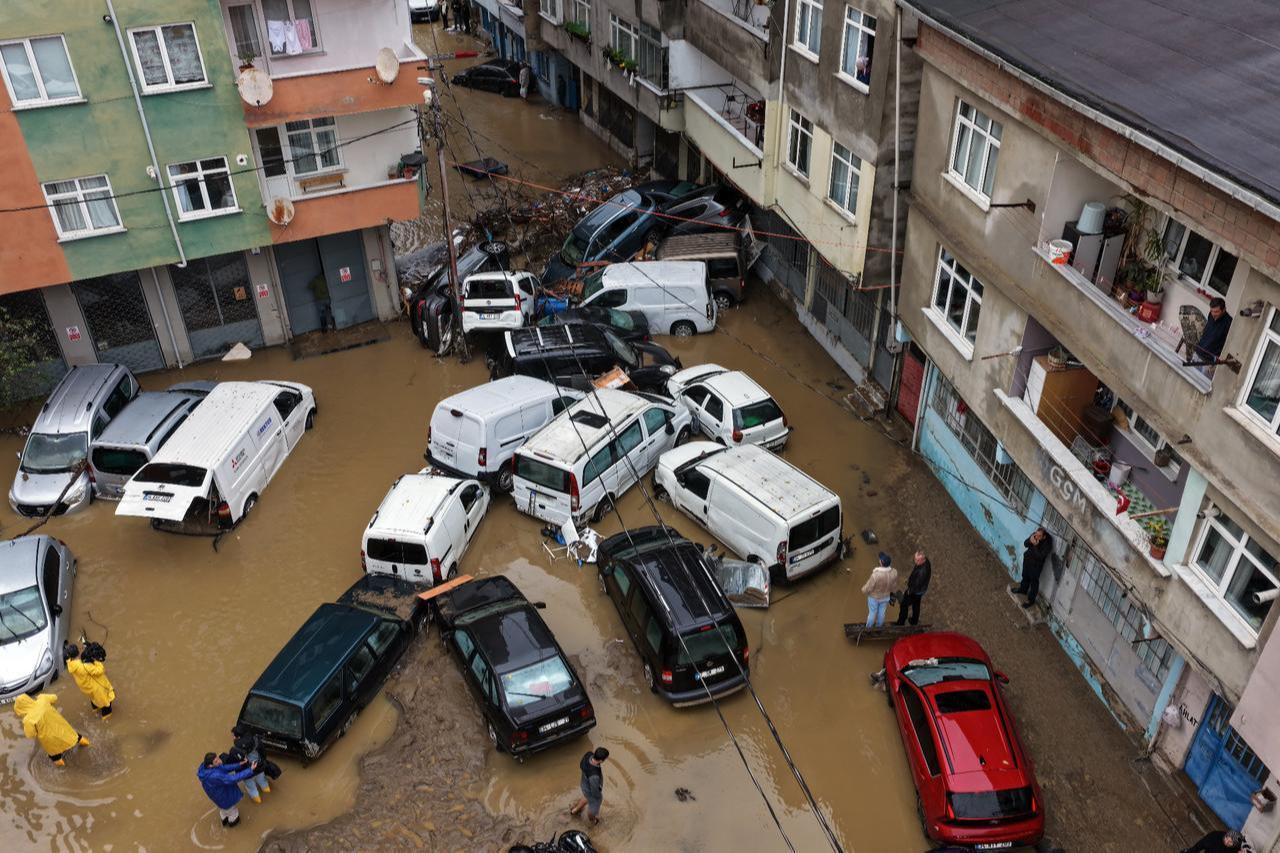
Ciftci said rainfall in Istanbul reached up to 272 kilograms per square meter, equivalent to 272 millimeters, a figure he first cited earlier in the day. The city is being monitored through 12,537 cameras.
Orange meteorological warnings were issued for Istanbul, Kocaeli and Sakarya, with provincial disaster management centers coordinating through governors.
Residents in orange-alert provinces received text messages, while those in yellow-alert provinces were informed through governors’ offices.
In Sakarya’s Sapanca district, a building beside a stream in the Fevziye neighborhood collapsed. It had been evacuated as a precaution, and Ciftci said no one was hurt.
Ciftci urged residents to stay calm and leave stream beds, low-lying areas and flood-prone zones immediately.
He said people should not try to walk through floodwater or drive on flooded roads, and should keep away from power sources and downed electrical lines. He recommended battery-powered flashlights during outages.
He also advised people to stay away from retaining and perimeter walls around buildings and not to consume food or drink that has touched floodwater.
Evacuated residents should not return home until authorities declare it safe, he said, and should avoid damaged buildings or those surrounded by standing water.
He recommended bottled water where drinking water safety is uncertain and called on people to look after older adults, children, people with disabilities and neighbors who need help.
“Human life is more precious than anything,” Ciftci said, adding that the priority is to avoid endangering even one person.


 Set as preferred source
 Set as preferred source


 1 min read


 1 min read


