Newsletters


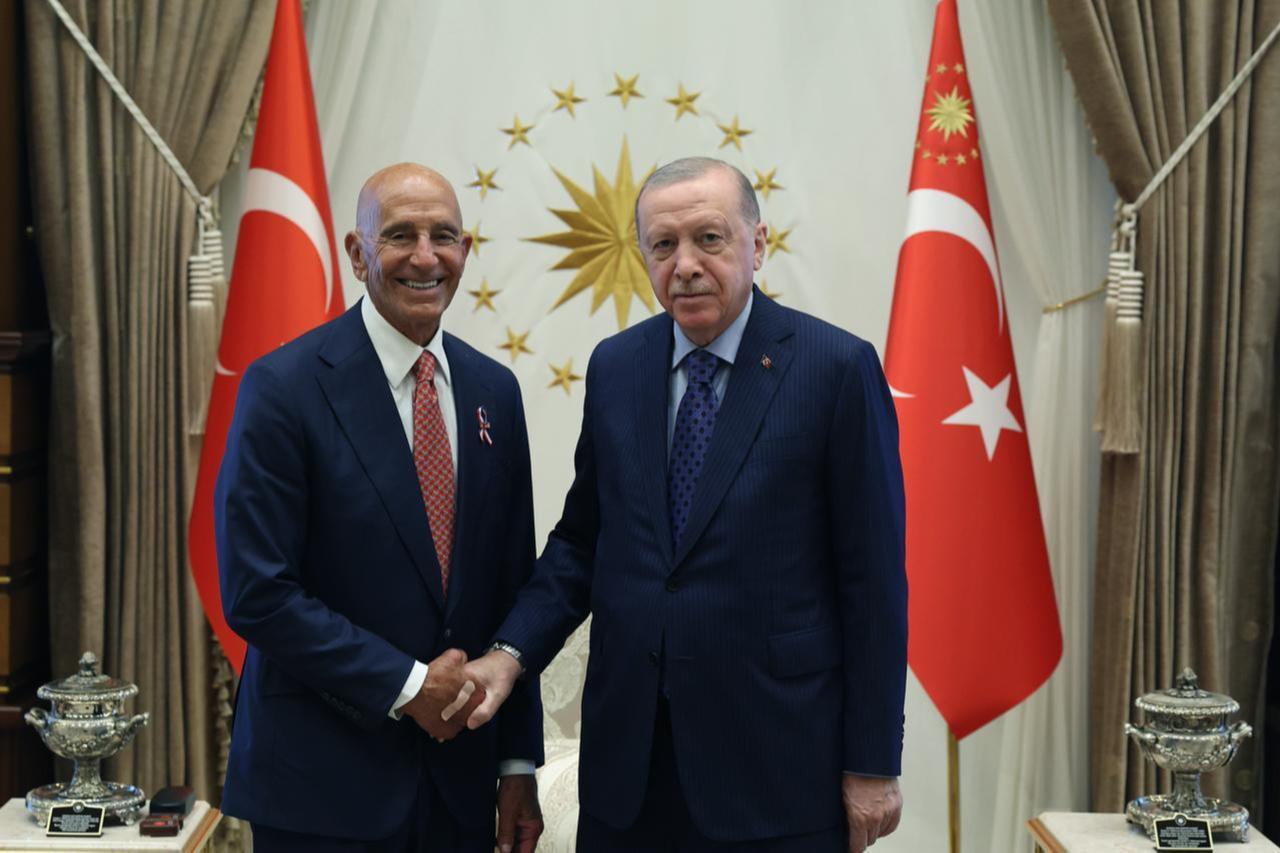


The United States' ambassador to Ankara said the dispute over Türkiye's purchase of the Russian S-400 missile defense system "will be resolved," while stressing that the disagreement has caused no damage to high-level relations between Washington and Ankara.
"S-400 is an issue that will be resolved," Tom Barrack, who serves as U.S. Ambassador to Türkiye and as the American special representative for Syria, said in an interview with CNN Turk.
Barrack said communication between President Recep Tayyip Erdogan and President Donald Trump remains strong, describing Türkiye as a critical partner for the U.S. president and characterizing the broader bilateral relationship as functioning smoothly.
"We have very critical relations with Türkiye, and Türkiye's defense industry is very strong," Barrack said.
Barrack said the two countries have built a critical relationship over the past two years and stressed that he was working to keep communication channels open. He described Türkiye's defense sector as robust and pointed to strong economic ties between the two nations, adding that Trump is eager to push the relationship further.
"Everything is working well between us and Türkiye. There is a very good relationship between President Trump and President Erdogan," Barrack said.
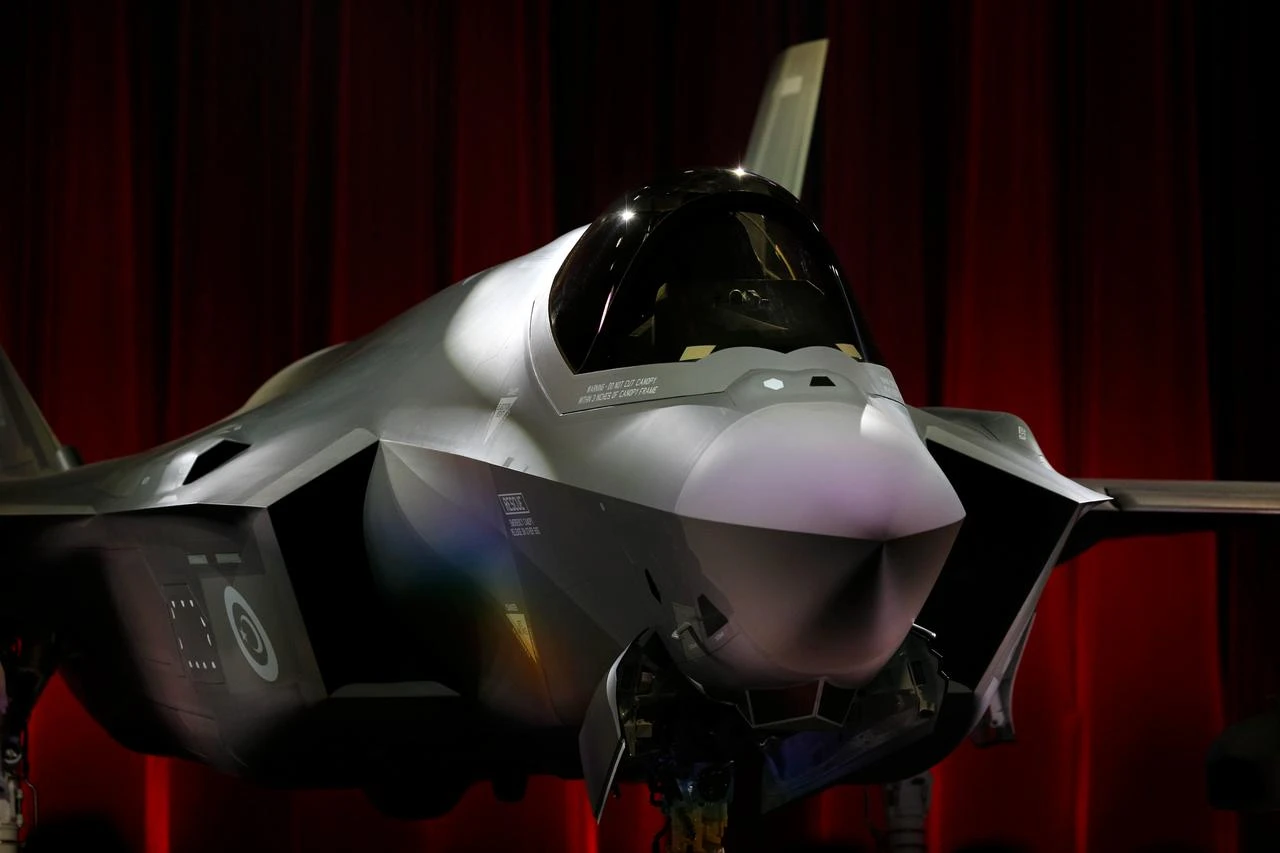
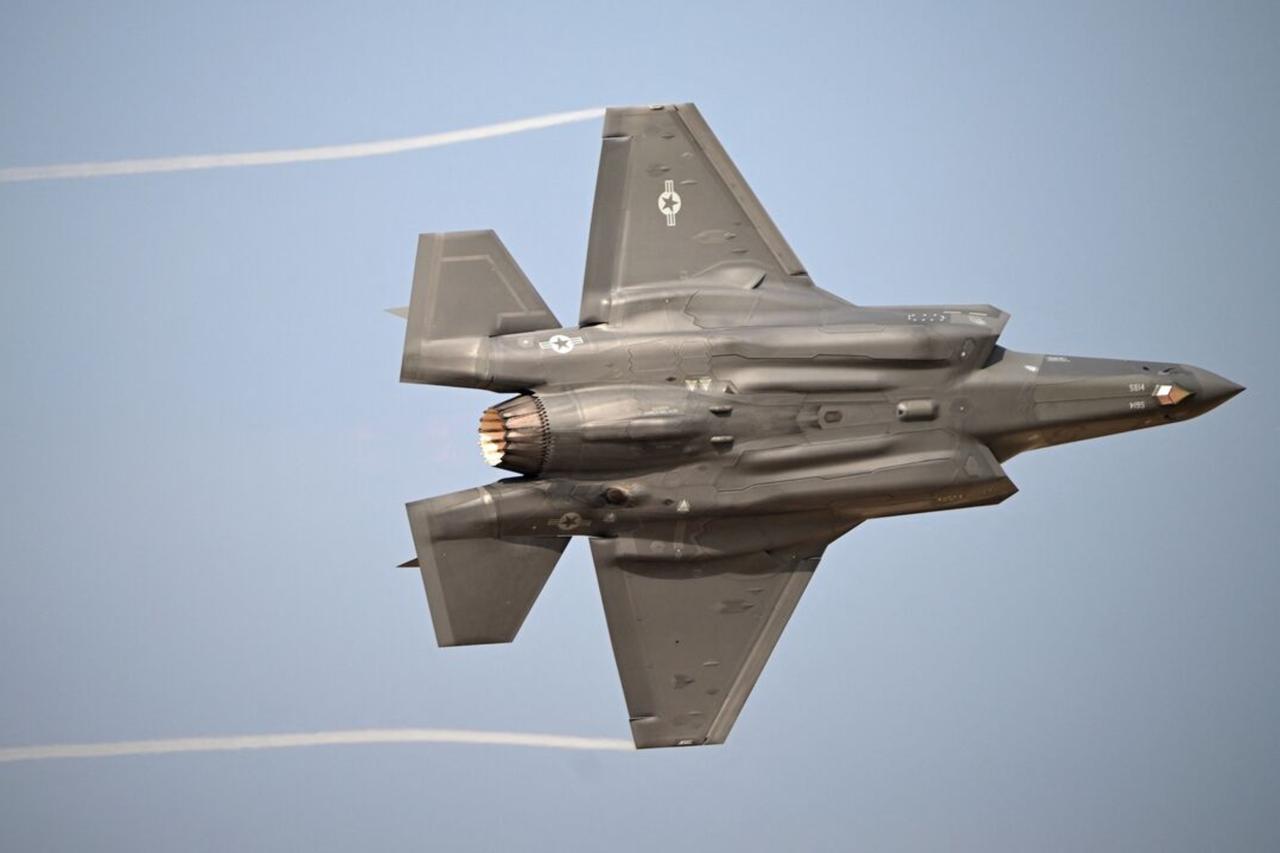
Much of the interview focused on the status of the S-400 system, a Russian-made system whose purchase led Washington to remove Ankara from the F-35 fighter jet program and triggered sanctions under the Countering America's Adversaries Through Sanctions Act, known as CAATSA.
Barrack said a congressional process tied to CAATSA is ongoing and that the use of a Russian system remains fundamentally incompatible with American defense architecture, a mismatch he said the two countries are now confronting for the first time as weapons systems and defense infrastructure have changed.
Asked whether the impression in Washington was that responsibility for resolving the S-400 matter now rests with Türkiye, Barrack said the answer depends on which aspect of the relationship is being discussed.
He said the issue originated from congressional legislation, specifically CAATSA and provisions carried in the National Defense Authorization Act, or NDAA, from a separate period, and that the NDAA's requirements regarding the system's operational status, ownership and eventual disposal are clear and binding.
He added that surrounding countries hold differing views on whether the issue will be resolved, and that those views are being taken into account, but reiterated that the dispute has had no negative effect on high-level relations between the two governments.
Barrack noted that Türkiye maintains a defense industry capable of operating independently of the F-35 program, calling it NATO's second-largest defense partner and pointing to advances in drone technology and the domestically produced KAAN fighter jet, which is powered by its own engine, as evidence of that independence.
Barrack said the presidents of the two countries have a strong working relationship and praised what he called Türkiye's institutional infrastructure, including its foreign ministry, intelligence services, defense establishment, trade relations, tourism sector and financial institutions, saying they function effectively.
He acknowledged that Türkiye's domestic economy, like other economies, is facing some difficulties, but said he remained highly optimistic about the overall relationship.


 Set as preferred source
 Set as preferred source


 2 min read
 1 min read