Newsletters


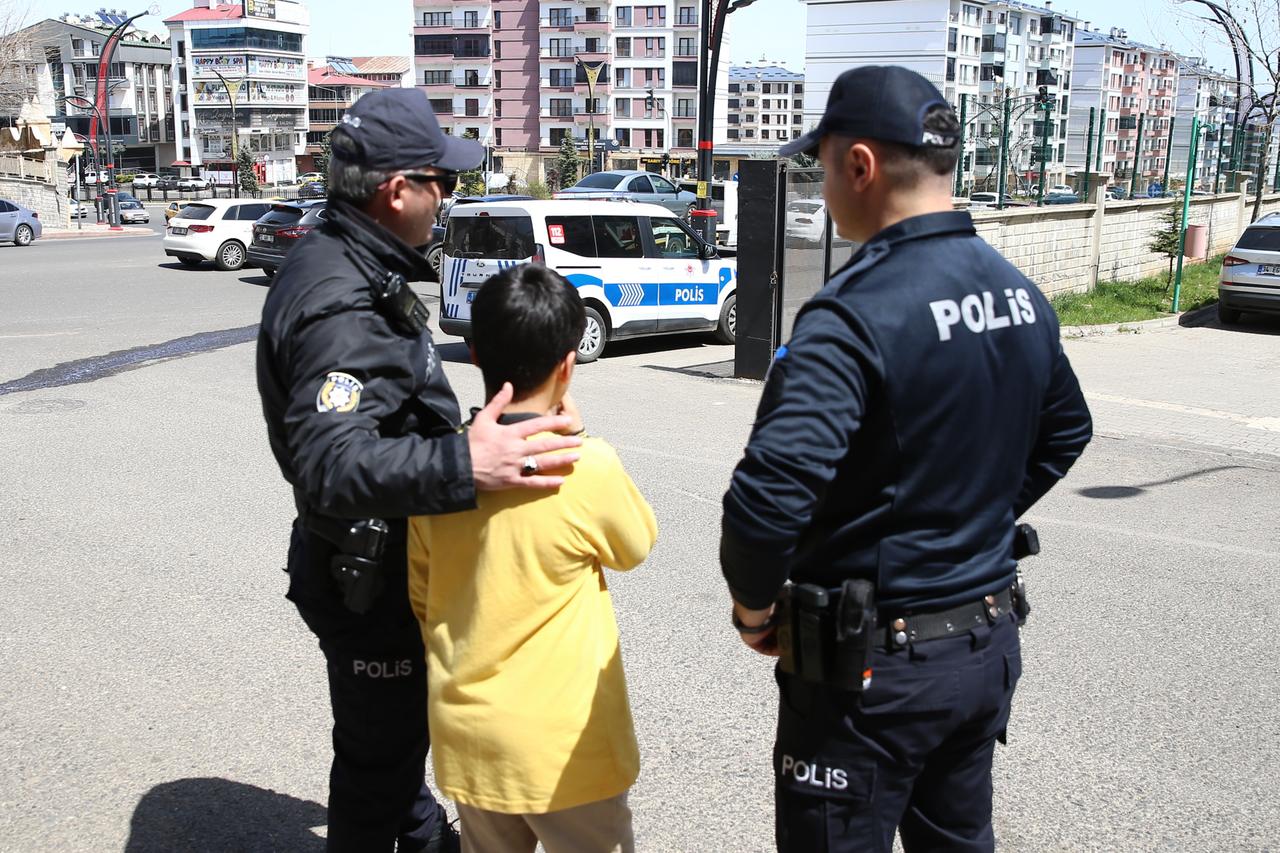


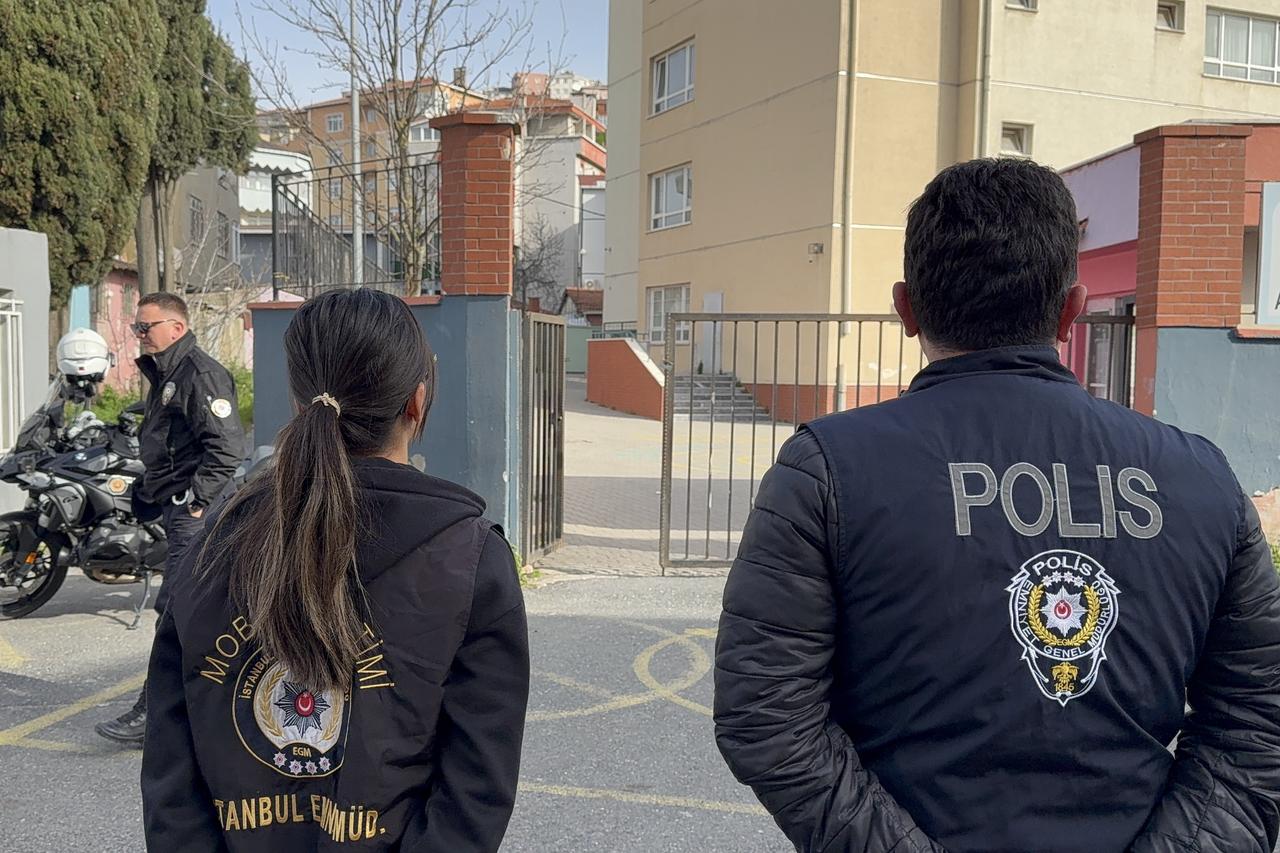
A string of violent incidents involving teenagers has raised alarm in Türkiye, with experts warning that the problem goes far beyond isolated acts and points to a wider social breakdown.
According to reporting by Mahmut Ozay of Türkiye daily, specialists say the rise in violence among school-age children is being fed by several overlapping pressures, from family life and social surroundings to screen content and the urge to stand out. What worries them most is that children as young as 14 and 15 may begin to see becoming a perpetrator not as a disgrace, but as a path to visibility or even false heroism.
Clinical psychologist Inci Nur Ulku said violence-centered screen content, often shaped by ratings and comments, is helping dull social sensitivity. She argued that children and teenagers can end up taking violent characters as role models without questioning them, which in turn may feed aggressive behavior and conflicts among peers.
Ulku also pointed to research suggesting that repeated exposure to such content can weaken young people’s ability to make decisions and manage emotions. In that sense, she indicated that screens are no longer merely a source of entertainment, but can turn into spaces where violent behavior is normalized.
Child development specialist Demet Gulaldi said anger control problems, peer pressure and the desire to prove oneself are among the factors pushing children toward violence. She added that risky social circles, weak attachment to school and limited support systems make such cases more likely.
Gulaldi underlined that children who are exposed to violence at home, or who grow up witnessing it, may start to internalize aggression as a way of solving problems. By contrast, she said families with open communication tend to see far lower levels of violent behavior among children.
Educator Salih Uyan linked the spread of school attacks in the United States to the way perpetrators are turned into public figures. He warned that when attackers are elevated through media coverage, the impact can be deeply destructive.
Uyan said many perpetrators act out of a desire to be known and remembered, even to be seen as heroic. He cautioned that Türkiye should take preventive steps early to avoid drifting into a similar pattern.
Experts also drew attention to the role of child gangs in provinces such as Sanliurfa and Kahramanmaras, saying school attacks in such environments should not be seen as random.
They noted that these loosely controlled social networks can pull in school-age children, normalize violence and create a serious risk that extends into schools.


 Set as preferred source
 Set as preferred source


 1 min read

 1 min read