Newsletters


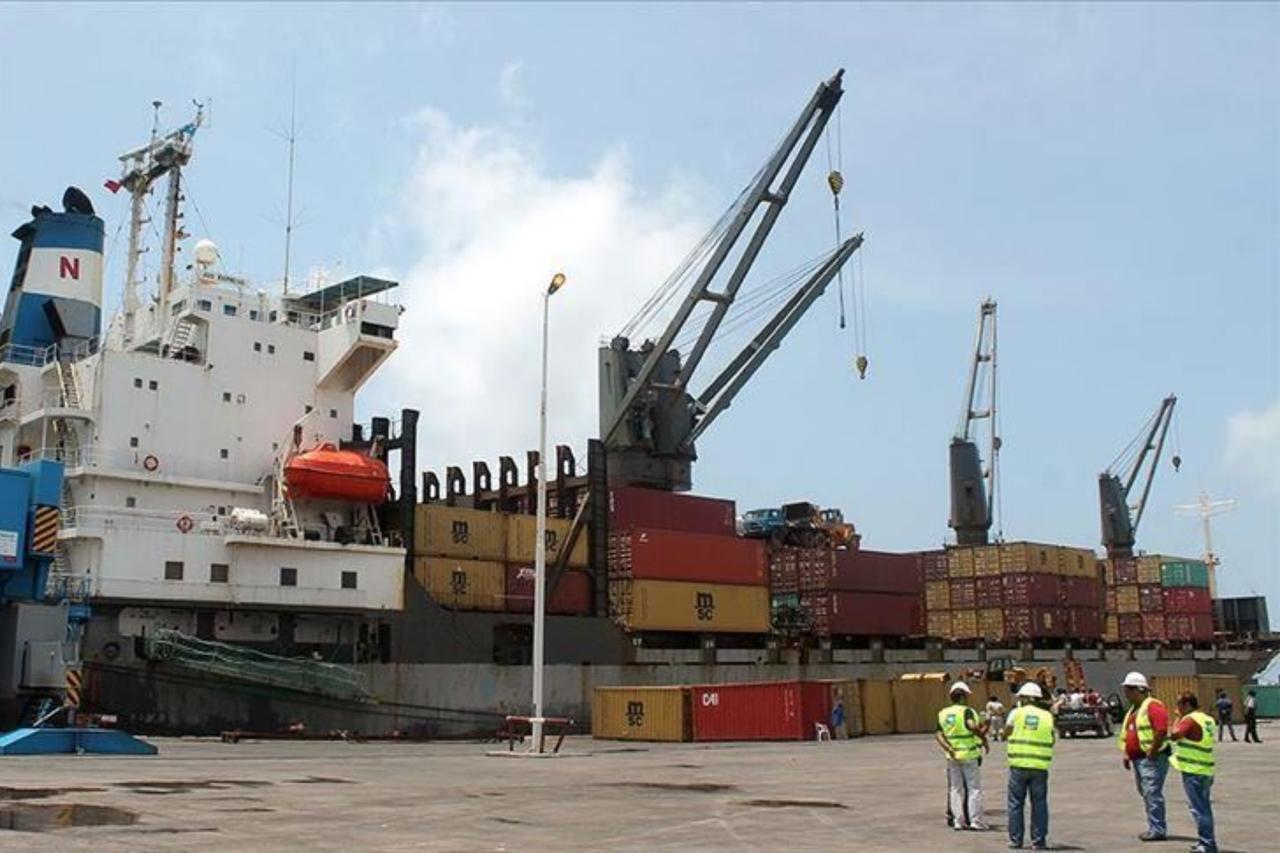


Somalia has approved a new maritime cooperation agreement with Türkiye as part of a broader strategy to enhance the country’s port infrastructure, maritime governance, and integration into international shipping systems.
At a cabinet meeting chaired by Prime Minister Hamza Abdi Barre on Thursday, Somalia’s ministers ratified several maritime-related laws and deals, including the Türkiye agreement, while also advancing national legislation on disaster preparedness amid ongoing drought challenges.
The Türkiye–Somalia maritime agreement is designed to strengthen port operations, facilitate ship traffic, and promote technical collaboration. It provides for the mutual recognition of seafaring certificates, ensures equal treatment in port access, and supports commercial maritime activity through knowledge sharing and technical assistance, according to the official statements.
"I commend the Cabinet for approving a set of strategic maritime agreements that mark a significant advancement in strengthening Somalia’s maritime governance and international standing," Somalia’s Ports and Maritime Transport Minister Abdulkadir Mohamed Nur said. He added that closer cooperation with Türkiye and alignment with global maritime standards would help modernize ports, protect marine ecosystems, and improve the welfare of Somali seafarers.
Nur noted that the measures will contribute to building a resilient, competitive, and sustainable maritime sector capable of supporting long-term national development goals.
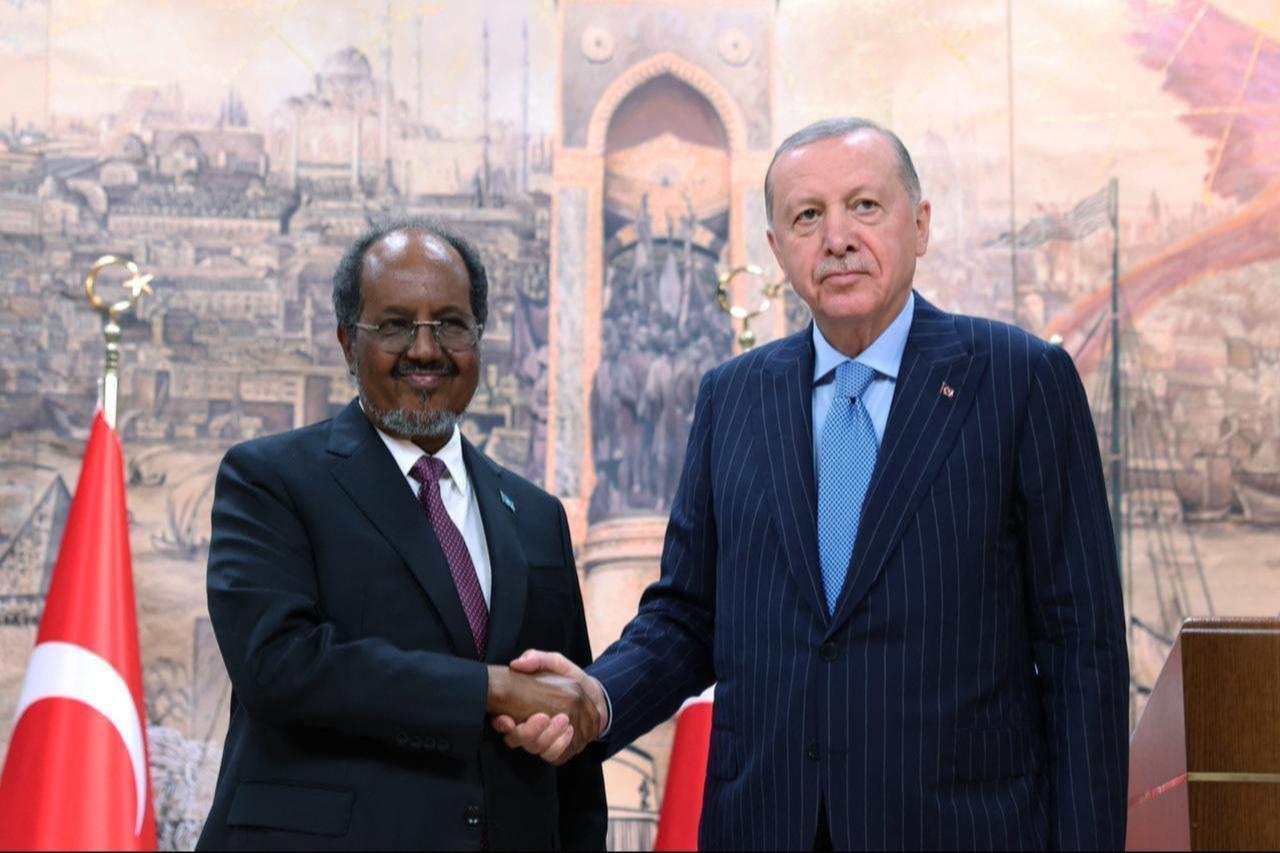

Somalia also approved its accession to several international maritime conventions that set technical, environmental, and labor standards in the global shipping industry. The move is intended to align Somali regulations with global norms, promote safer vessel operations, and raise the country’s international standing within the maritime sector.
Beyond maritime policy, the Cabinet adopted a law establishing a national disaster and risk management fund to coordinate preparedness, prevention, and response efforts for both natural and man-made disasters. The legislation is seen as a response to the ongoing drought, which continues to place pressure on Somalia’s food and water resources.


 Set as preferred source
 Set as preferred source


 2 min read

 1 min read