Newsletters


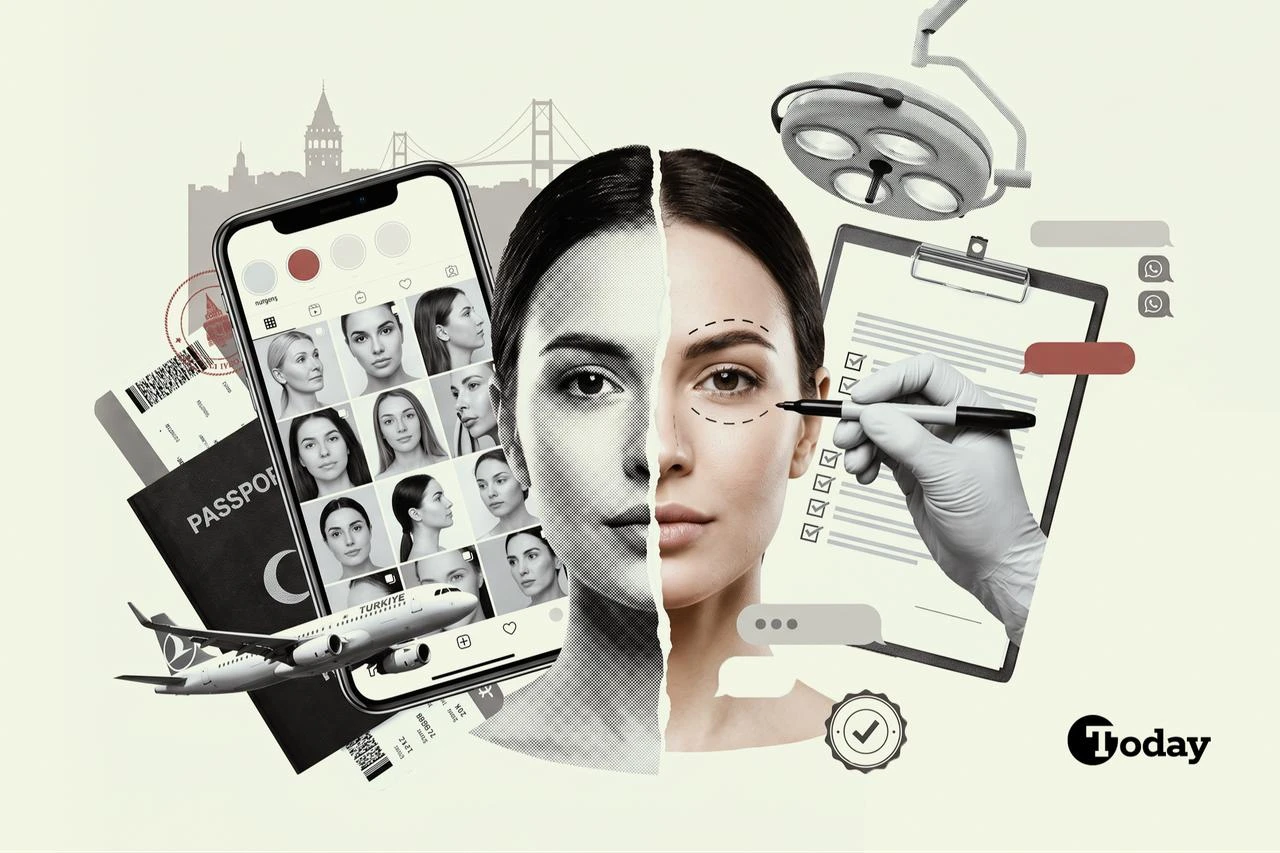


A patient in London, Berlin, or New York can reach a clinic in Türkiye within minutes, from their phone. They come across impressive results on social media, exchange a few messages and photos, get a quick evaluation, a package price, and an operation date. Everything looks fast and easy.
One of the important reasons behind Türkiye’s success in medical tourism is precisely this. Türkiye, especially in the fields of hair transplantation, aesthetic surgery, and dental treatments, has become an accessible, quickly organized center with extensive case experience for international patients.
The fact that patients from different countries around the world, and from time to time even athletes, influencers, and well-known public figures, are associated with healthcare services in Türkiye also increases this visibility.
However, healthcare is not online shopping. A surgery should not be treated as an ordinary service to be chosen solely by looking at photographs, package prices, or quick WhatsApp replies. In medical tourism, the patient’s biggest misconception is often confusing a “feeling of trust” with “real assurance.”
The fact that a clinic appears strong on social media does not mean that the patient has been medically evaluated correctly. Beautiful before-and-after photographs do not show that the risks have been personally explained to the patient.
An attractive package price does not mean that it is clear how follow-up will be handled in the event of a complication. A quick response from a patient coordinator does not always explain who holds the medical responsibility.
For international patients, the real question isn't whether to come to Türkiye. Türkiye is a strong player in medical tourism with substantial accumulated experience. The real question is what information, what expectations, and what assurances the patient's decision is based on.
For that reason, certain questions need to be asked before boarding the plane—not only for legal protection, but for medical safety.
 2 min read
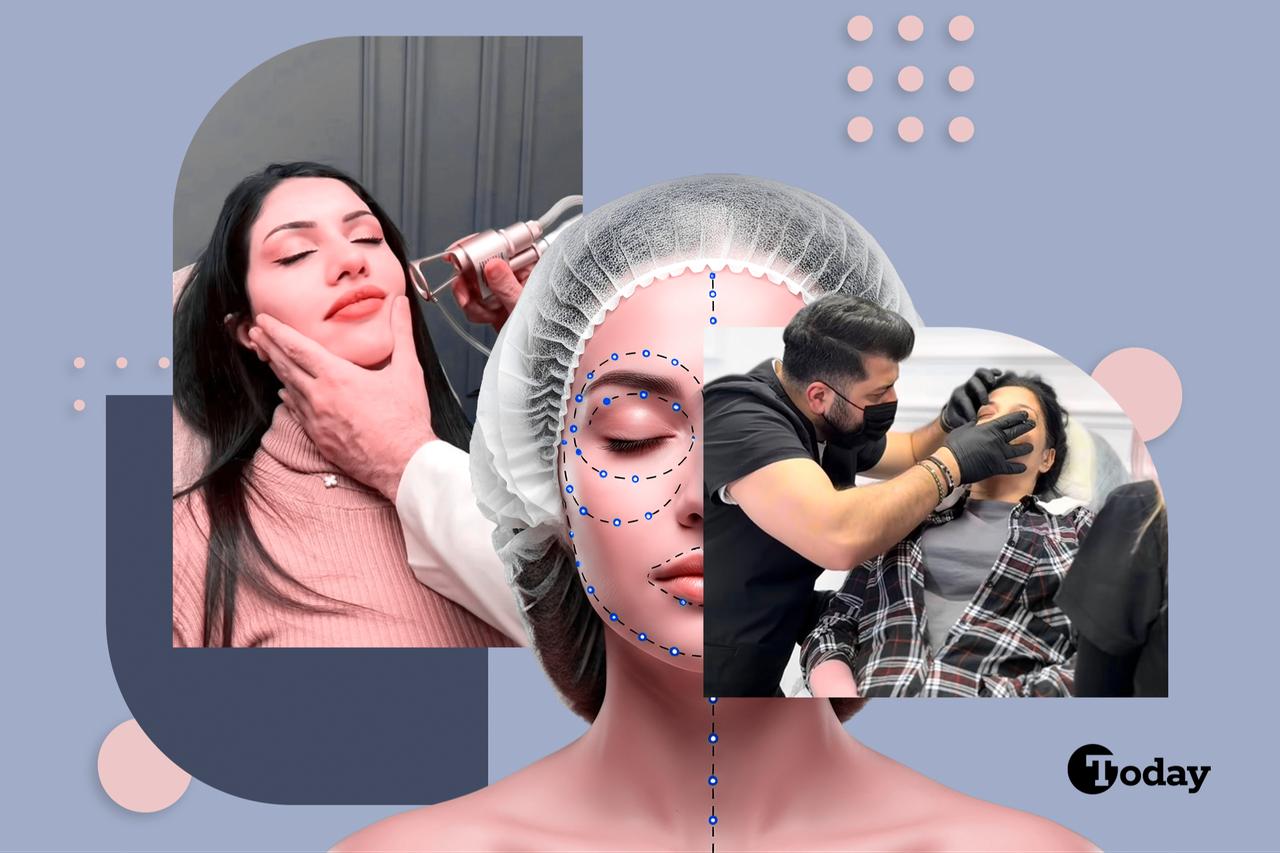
The doctor a patient sees on social media, speaks with during consultation, or recognizes as the face of the clinic isn't always the person who performs the procedure.
In hair transplantation, dental work, and certain aesthetic procedures especially, more than one person may be involved in treatment. Patients should know this from the start.
Receiving only a price offer is not sufficient. The patient should be informed as clearly as possible about which procedure will be performed, why it will be performed, what the expected result is, whether there are alternatives, and what the personal risks are.
Not every negative outcome is a medical error. Some outcomes may be complications. However, in order for a complication to be meaningfully evaluated both legally and medically, the patient must have been informed about that risk in advance and in a language they can understand.
Generic documents, paperwork in a language the patient doesn't understand, or forms signed hastily on the day of surgery don't necessarily mean genuine informed consent was given.
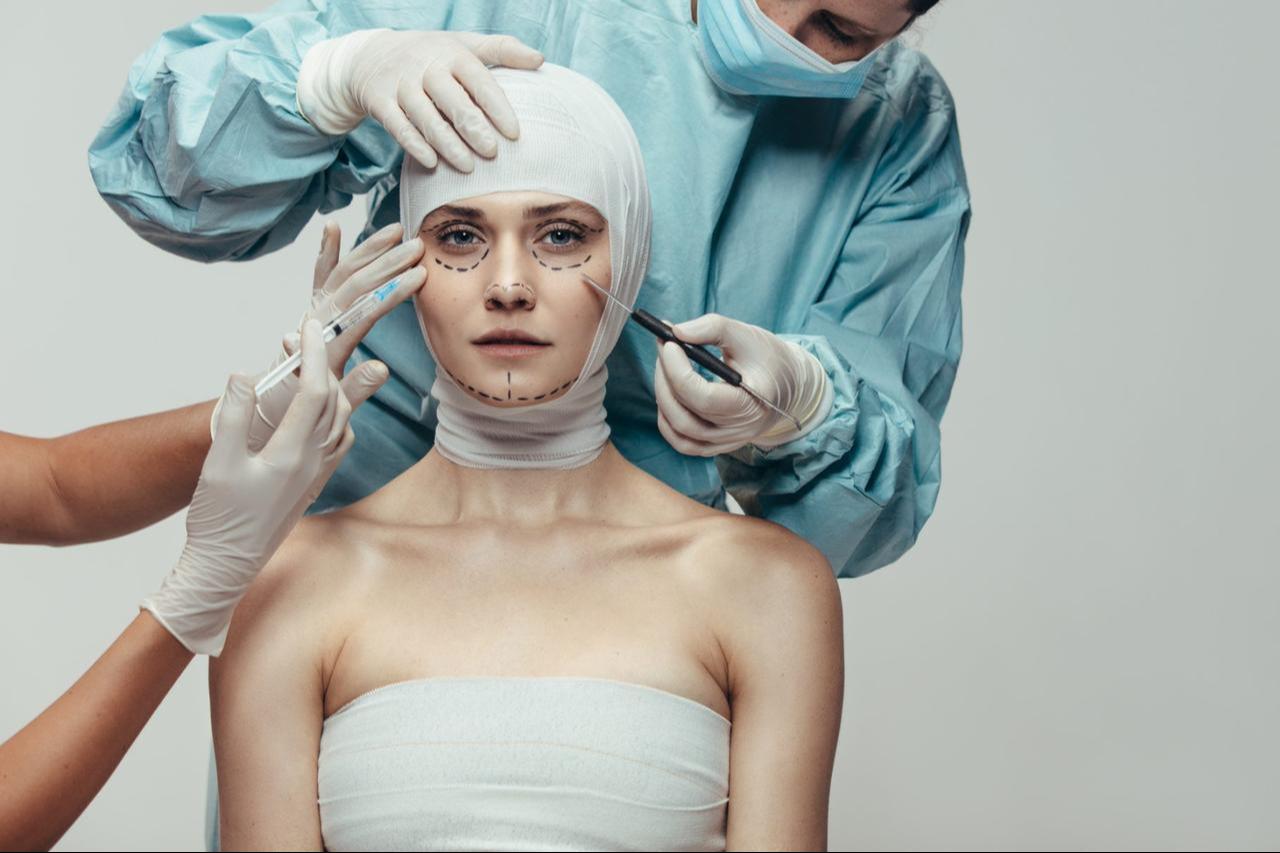

In medical tourism, post-operative follow-up is not an additional courtesy of the treatment; it is a direct part of it. When the patient experiences a problem after returning to their country, it must be clear from the beginning who will carry out the medical assessment, which documents will be shared, and in what circumstances a further examination or revision will be recommended.
Some clinics state that they offer revision free of charge. However, what this exactly covers is often unclear.
Will hospital fees, anesthesia, medication, flights, accommodation, or additional material costs be requested separately? Under what conditions will revision be accepted?
Getting this in writing protects both patient and clinic.
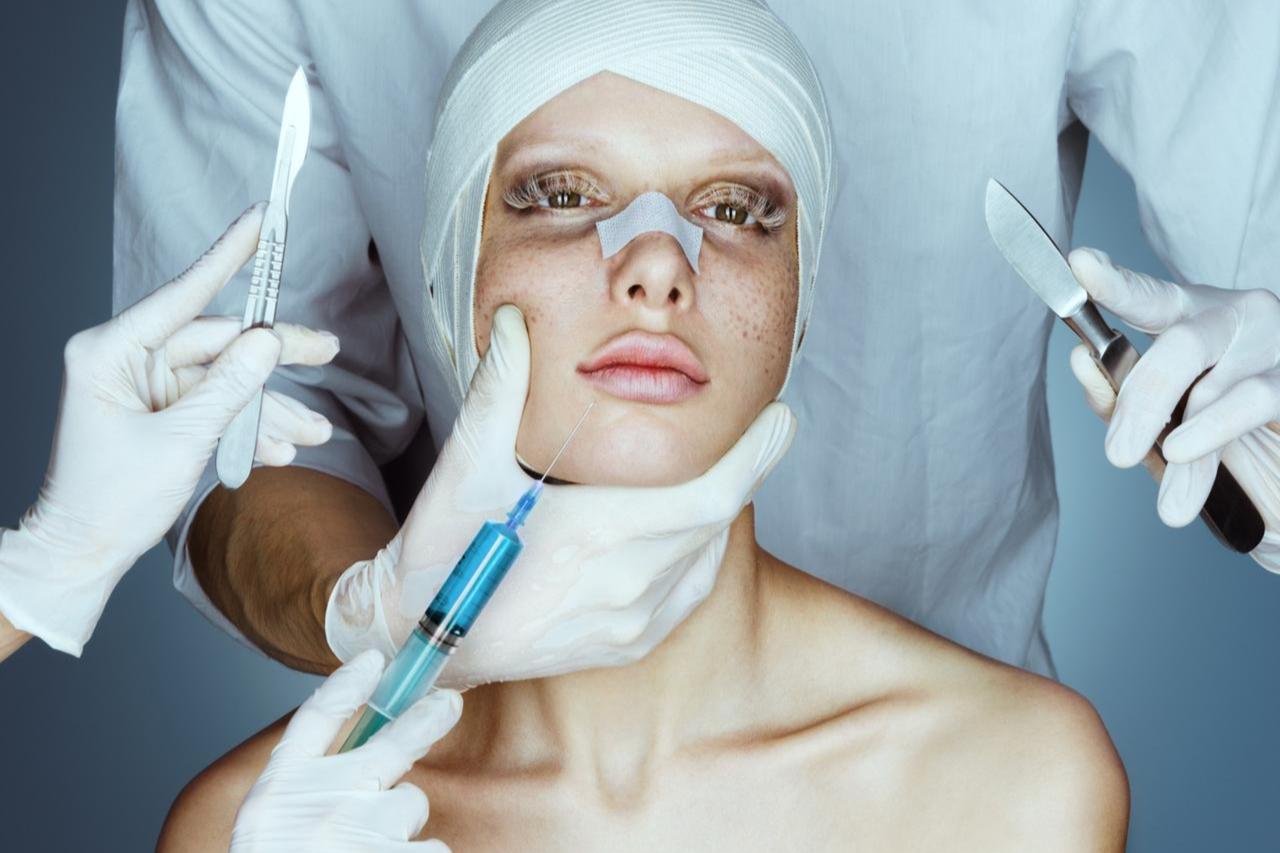
Before and after photographs are powerful because they show the part of the process that every patient wants to see: the result.
A new nose, a fuller hairline, a whiter smile, a flatter abdomen, or a younger appearance can create an immediate sense of confidence. For many international patients, this visual impression becomes the first step toward trusting a clinic.
But a photograph shows only one moment. It does not show the medical evaluation behind the procedure. It does not show the patient’s anatomy, medical history, risk factors, healing process, complications, revision history, or post-operative care.
It also does not show whether the same result is realistic for another patient with a different body, a different medical condition, or different expectations.
This does not mean that before-and-after photographs are meaningless. On the contrary, they may help patients understand a doctor’s aesthetic style and the type of results a clinic usually presents. However, they should never be the only basis for a medical decision.
A photograph may create interest, but it cannot replace a written treatment plan, proper medical evaluation, informed consent, or clear post-operative follow-up.
When the patient receives all necessary information before travelling, the experience in Türkiye can be excellent. A well-informed patient knows who will perform the procedure, what the treatment plan includes, what the realistic expectations are, what risks may occur, what is included in the package price, and what will happen if a complication or revision becomes necessary.
In that situation, Türkiye’s advantages in medical tourism can be experienced in the right way: professional care, strong organization, experienced teams, and a comfortable international patient journey.
However, when these points are not clarified from the beginning, expectations may become confused at some point. The patient may believe that a specific result was promised, while the clinic may later describe the same situation as a normal healing process or a complication.
The patient may assume that revision is included, while the clinic may request additional hospital, anesthesia, accommodation, or material costs. The patient may believe that the doctor will personally manage the process, while communication may continue only through a coordinator.
This is why the real issue is not only whether the final result looks good in a photograph. The real issue is whether the patient understood the process before agreeing to it. In medical tourism, trust should not be built only on images. It should be built on transparency, written information, realistic expectations, and clear responsibility.
If these elements are present, Türkiye can offer international patients not only successful medical results, but also a safe and well-organized healthcare experience. If they are missing, even a journey that began with confidence and excitement may later turn into confusion, disappointment, and legal uncertainty.
Perhaps the most important point before travelling is not only choosing the doctor, but also verifying who is actually organizing the treatment.
In medical tourism, social media profiles may look excellent. A clinic or company may appear to have treated many international patients. It may share before-and-after photographs, patient videos, testimonials, and professional-looking content. However, the patient should always ask a very simple question: Is this person, clinic, or company actually authorized to provide or organize health tourism services in Türkiye?
This is especially important because, in practice, there are many companies established abroad that operate as health tourism agencies and refer patients to Türkiye. Some of them may act professionally and transparently. However, others may not be directly authorized in Türkiye, may not clearly disclose the actual clinic or doctor, or may collect payment abroad while the medical procedure itself is performed in Türkiye.
For the patient, this may become one of the most serious legal risks. If the operation is performed in Türkiye, Turkish law will generally be relevant to the medical procedure and the responsibility of the healthcare provider in Türkiye.
However, if the patient made the payment to a foreign company, signed documents with an overseas intermediary, or was brought to Türkiye by an unauthorized agency, the legal relationship may become unnecessarily complicated.
In such cases, the patient may later struggle to identify the correct legal party, determine who made the medical promises, prove who received the payment, or understand whether the intermediary had any lawful authority to organize the treatment.
The greatest factor that may restrict a patient’s legal rights is sometimes not the medical procedure itself, but working with an unauthorized or unclear company before even arriving in Türkiye.
For this reason, international patients should verify the clinic, hospital, doctor, and intermediary organization before travelling. They should ask whether the healthcare provider and, if applicable, the intermediary organization hold the necessary authorization for international health tourism in Türkiye. They should also check whether the name on the invoice, the name of the clinic, the name of the doctor, and the name of the company organizing the treatment are consistent.
If the patient cannot clearly understand who is providing the medical service, who is receiving the payment, who is organizing the process, and who will be legally responsible if something goes wrong, this should be treated as a warning sign.
Before travelling, patients should make this verification through the official channels of the Turkish Ministry of Health or obtain legal assistance if they are unsure.
A responsible clinic or authorized intermediary should not hesitate to provide clear written information about its authorization, the treating doctor, the treatment location, payment details, and post-operative responsibility.
Once these issues are clarified, Türkiye can offer an excellent medical tourism experience. But if they are ignored, the patient may later face not only a medical problem, but also legal uncertainty about who should actually be held responsible.


 Set as preferred source
 Set as preferred source



 1 min read