Newsletters


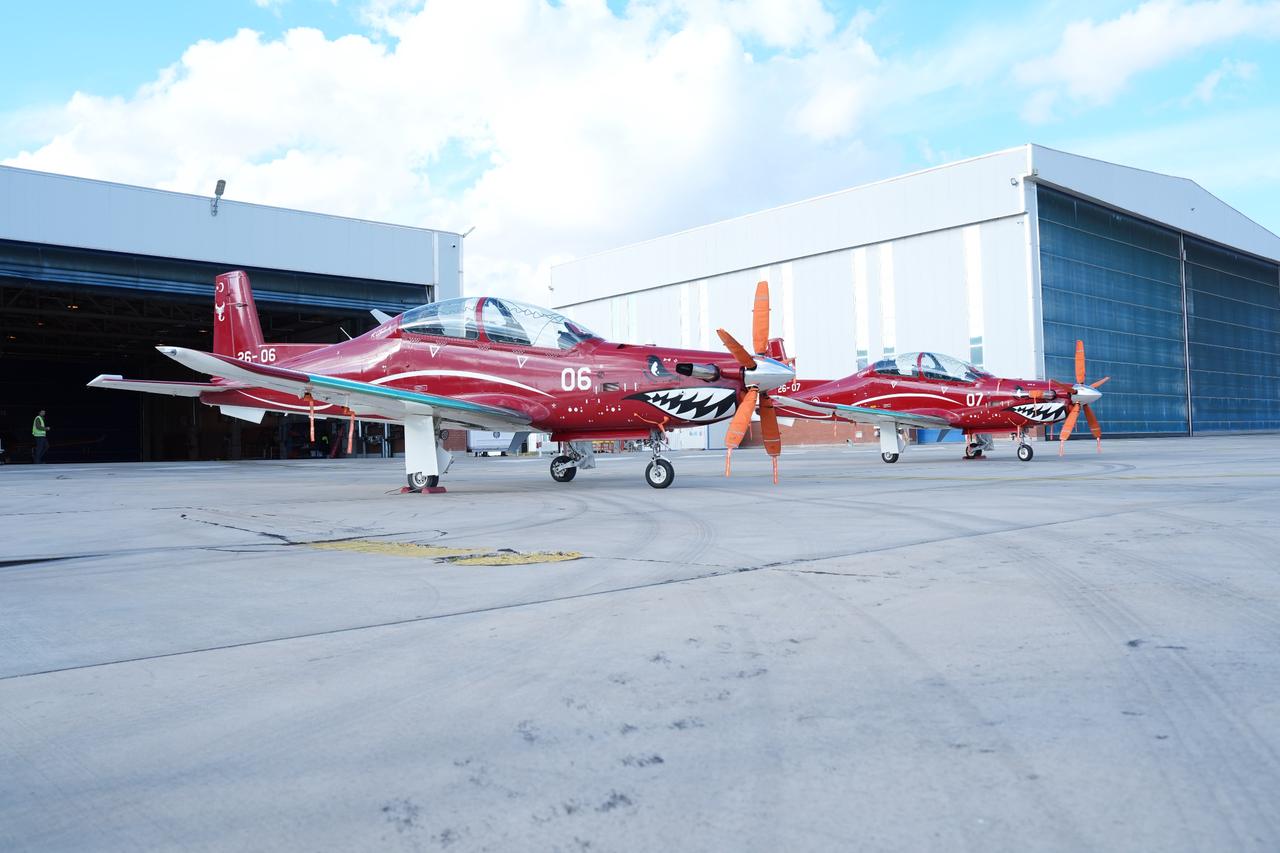


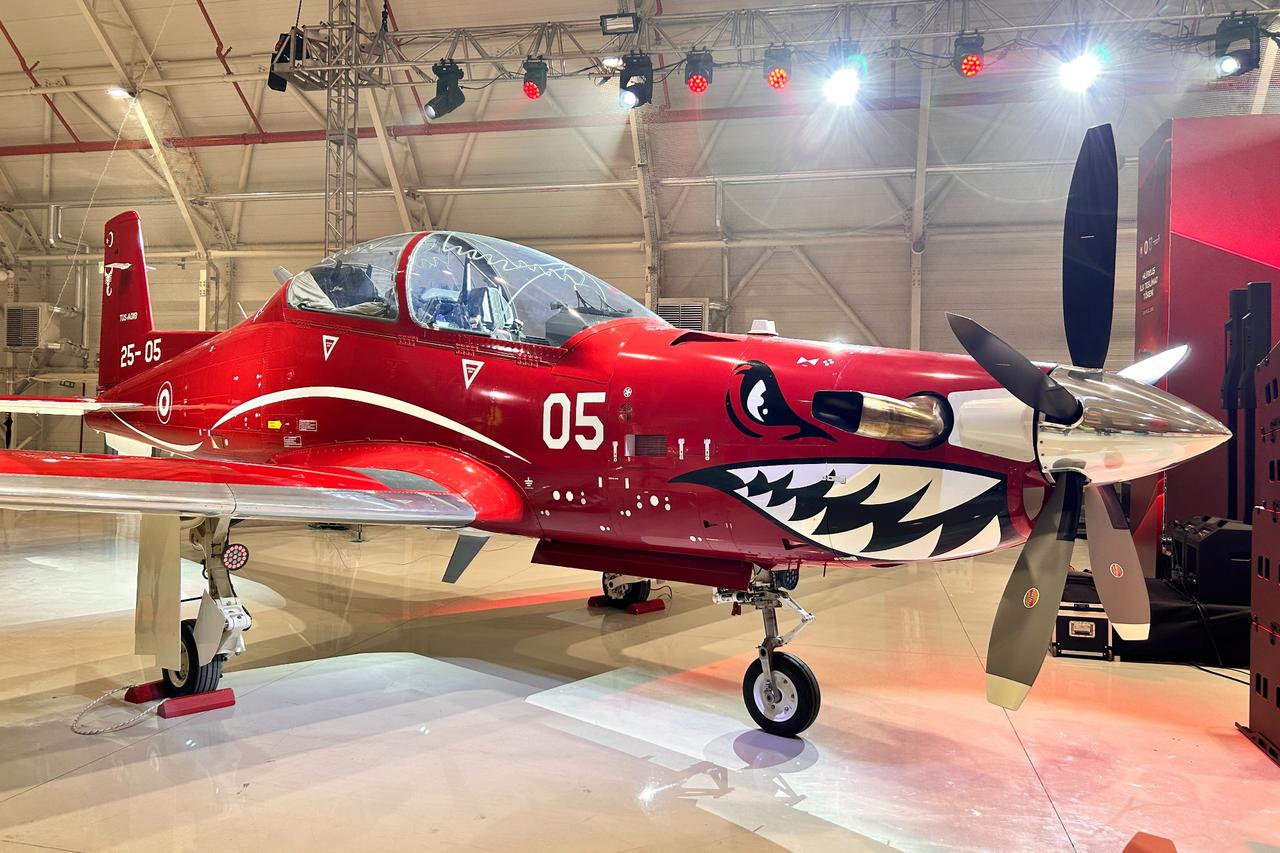
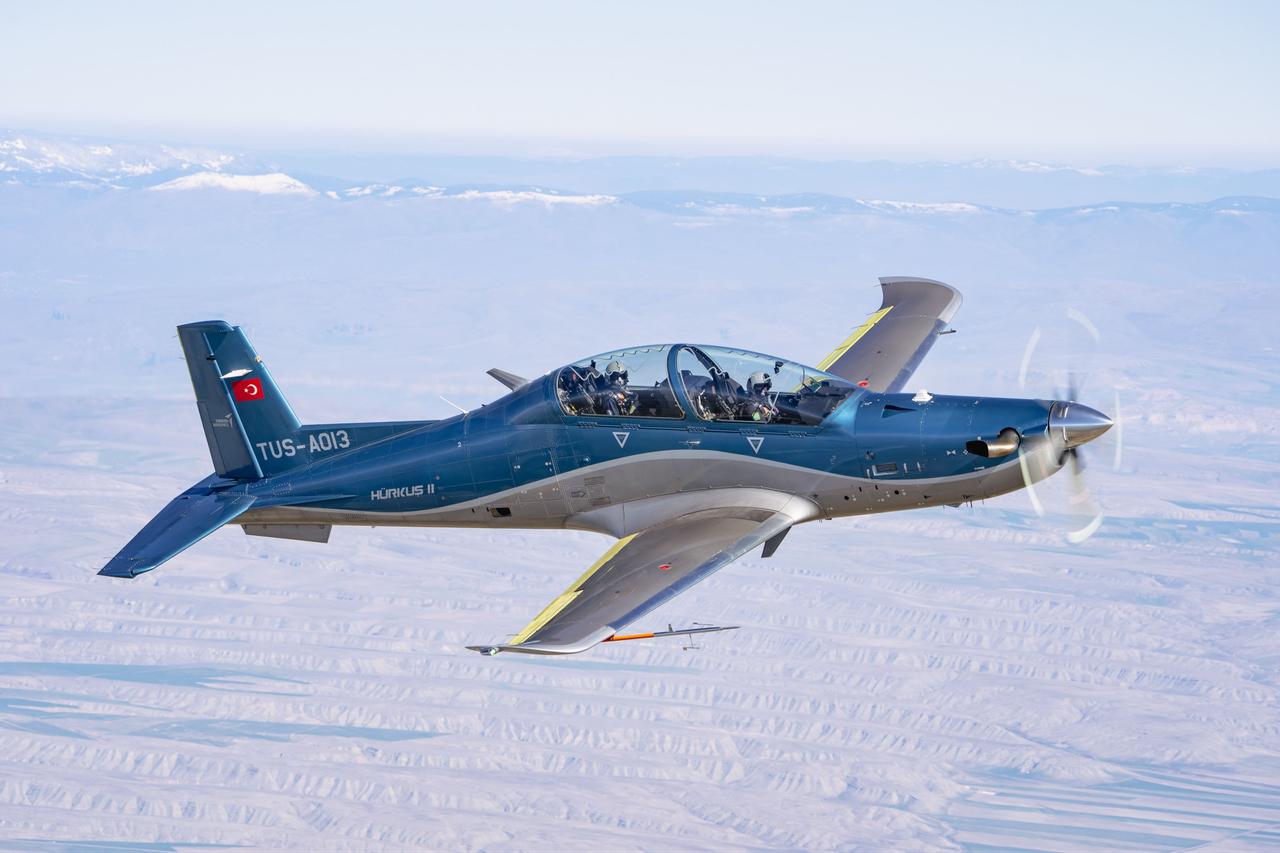
Türkiye's Defense Industry Agency (SSB) and Air Force Command have completed acceptance of two more Hurkus new-generation basic trainer aircraft, bringing the number in the Air Force’s inventory to four, SSB President Haluk Gorgun said.
"The trace of our Hurkus aircraft is growing in our free skies!" Gorgun wrote on social media.
"The acceptance procedures for two more of our new-generation basic trainer Hurkus aircraft have been completed by our Defense Industry Agency and Air Force Command. Thus, the number of Hurkus added to our Air Force’s inventory has reached four," he added.
"We are continuing the deliveries of our Hurkus aircraft, which will train the pilots of the future, as planned. May it be beneficial to our country and our heroic Air Force," he said.
Hurkus, Türkiye's first indigenous manned military trainer, was developed by Turkish Aerospace Industries (TAI) as prime contractor under SSB coordination. It will be used for basic flight training of Air Force pilot candidates.
The aircraft forms the first step of a pilot training chain that runs from basic training to the Hurjet advanced jet trainer and then to the fifth-generation KAAN national combat aircraft.
"The aircraft we deliver will train our country’s children, the pilots of the future, and teach them to spread their wings on a platform produced by Turkish engineering," Gorgun said previously, adding, "We entrust our best-in-class Hurkus aircraft, equipped with much more agile, advanced avionics and software, to our heroic pilots."
With new-generation avionics, high maneuverability, advanced safety systems and digital training infrastructure, Hurkus is designed to make the transition from basic to advanced jet training more effective.
Its structural weight was reduced to make it one of the most acrobatic and high-performance platforms in its class. Powered by a 1,600-horsepower Pratt & Whitney Canada turboprop engine, it can reach an altitude of 30,000 feet and a maximum speed of 320 knots calibrated airspeed.

Aselsan supplies the avionics, TASECS the air conditioning, Havelsan the digital video recording system and KAREL the standby flight instruments. TAI, ANDAR and TAAC contributed flight and control systems.
"In our defense industry ecosystem, we are simultaneously carrying out more than 1,500 projects with more than 4,500 of our companies," Gorgun said earlier, noting, "As with Hurkus, we are continuing in the serial production period in hundreds of projects, from air defense systems to military aviation."
 1 min read
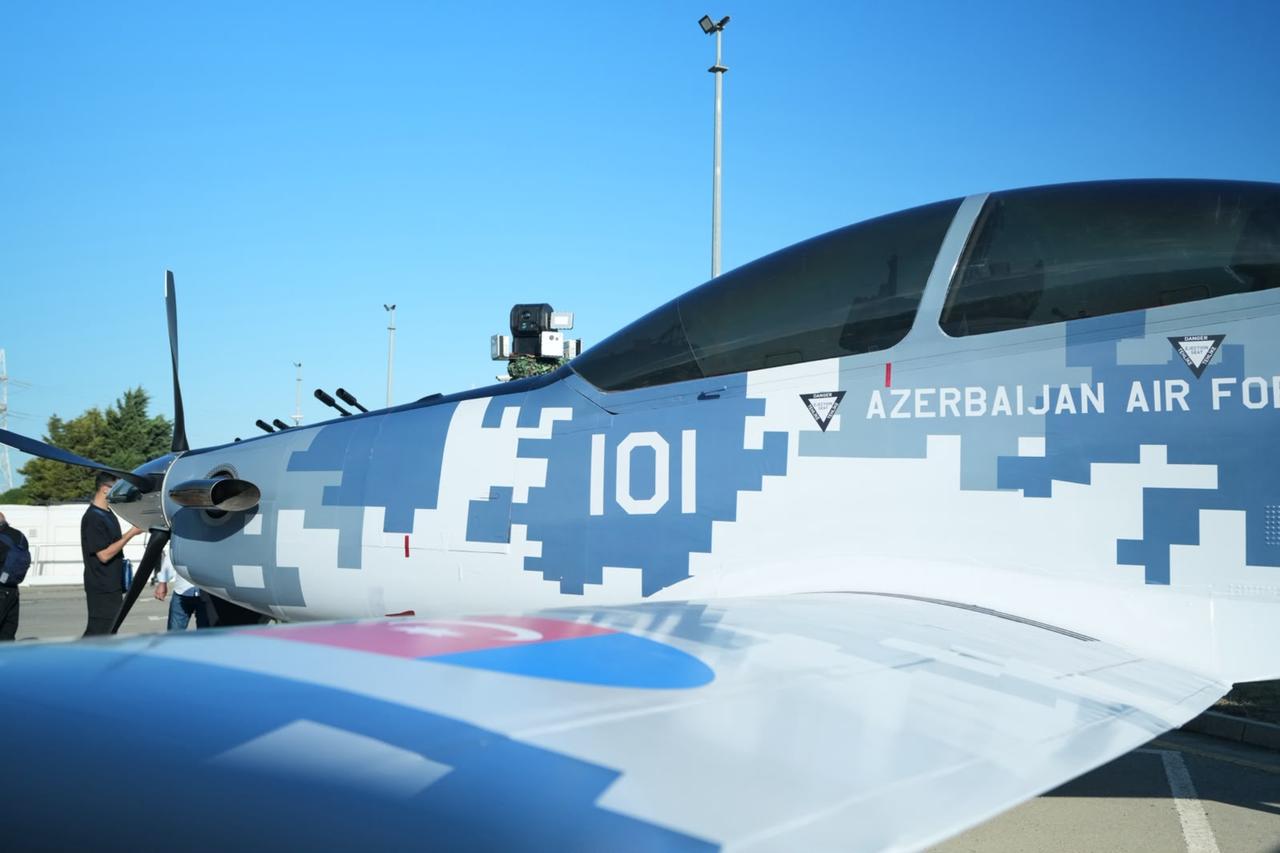
Under a 55-aircraft contract with the SSB, a total of 12 more Hurkus aircraft are planned for delivery to the Air Force between September and December 2026. From 2027, deliveries will continue at two aircraft per month, with the program targeted for completion in 2028.
TAI has also signed export contracts for the Hurkus -B variant with three countries.
Through the Hurkus-Hurjet-KAAN chain, Türkiye aims not only to develop its own aircraft but also to train the personnel who will fly them within a national training ecosystem.


 Set as preferred source
 Set as preferred source


 1 min read