Newsletters


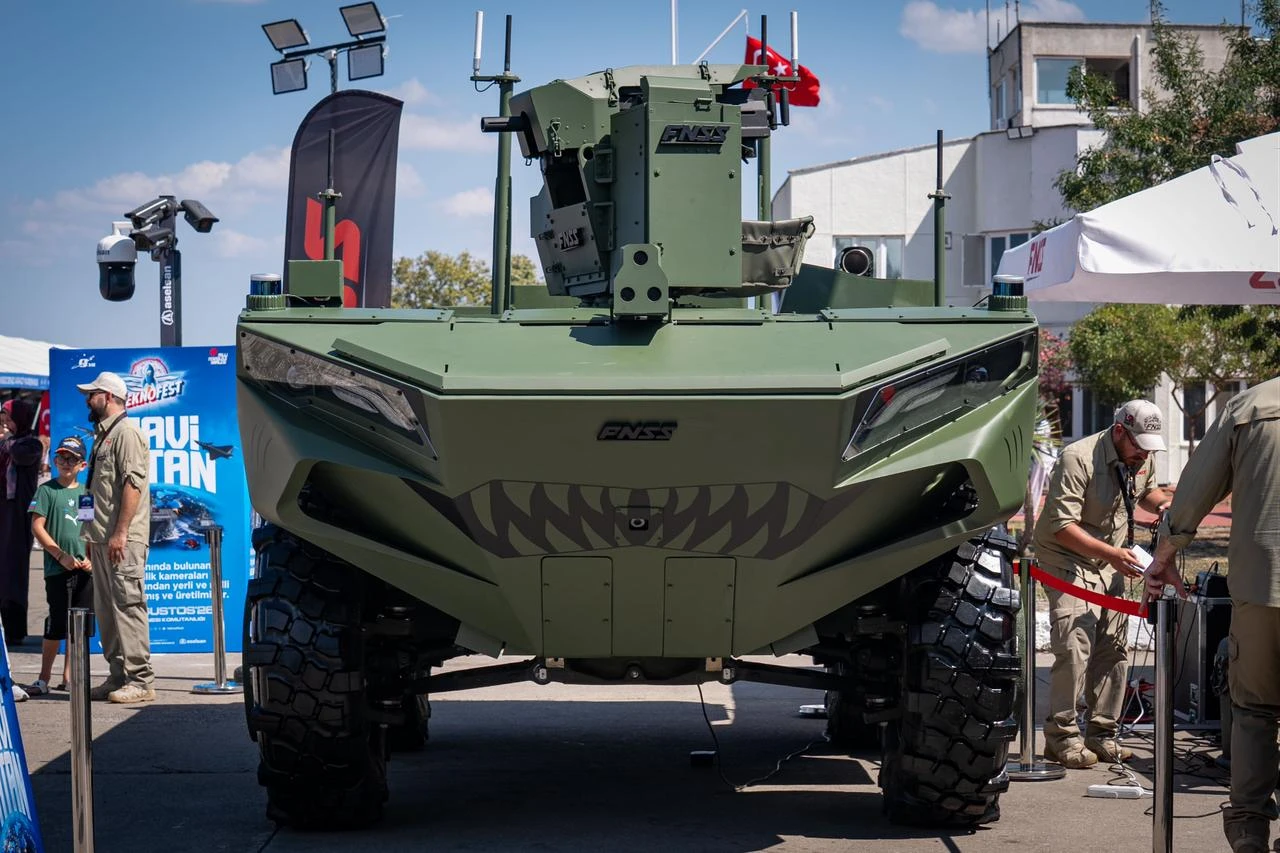


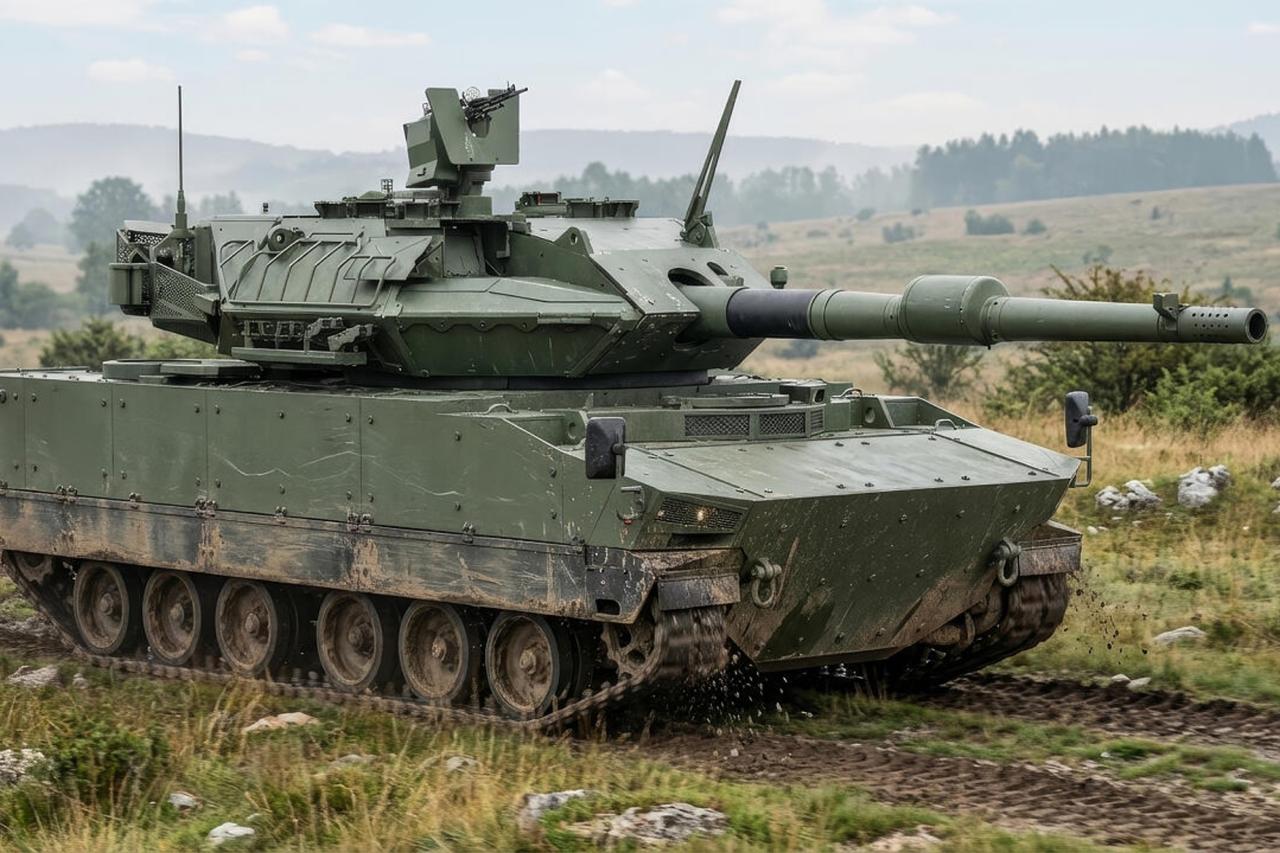
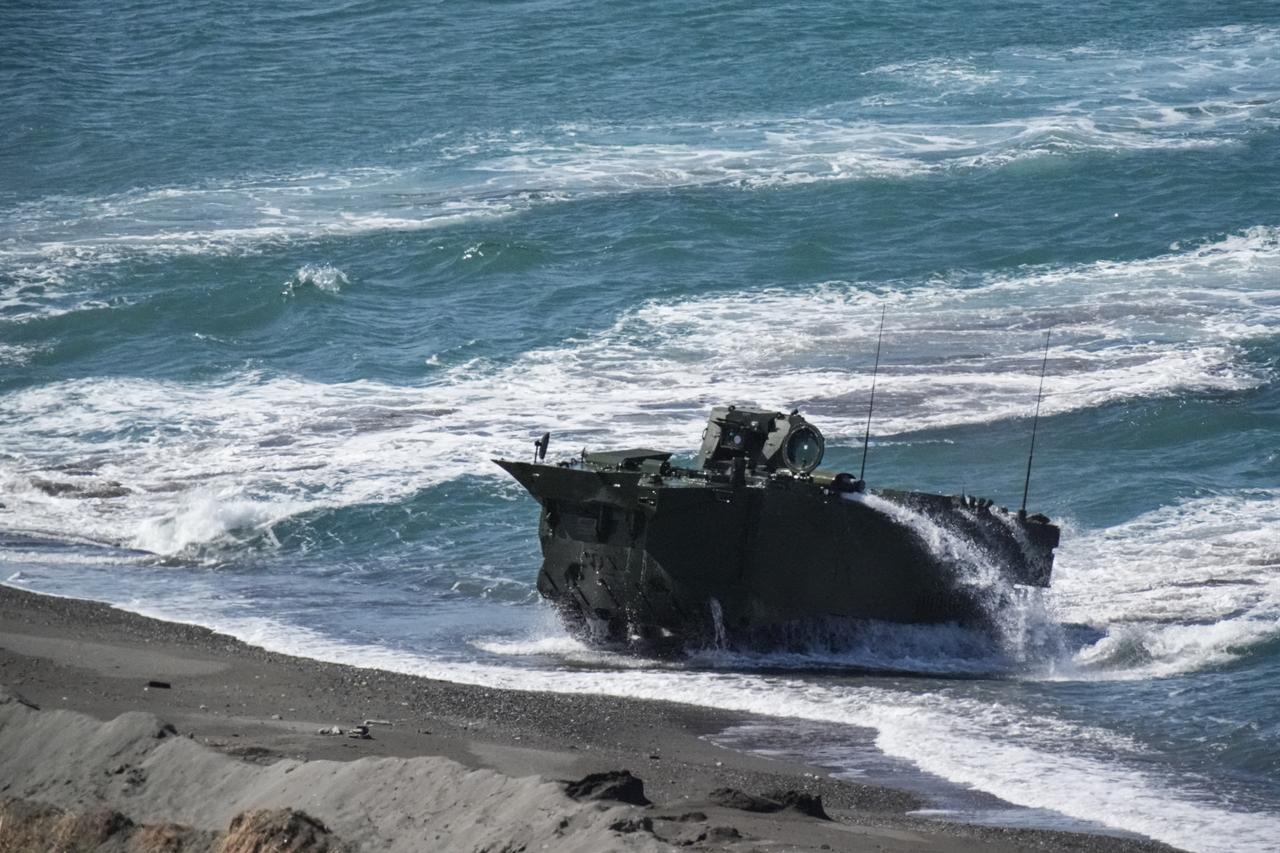
Turkish defense firm FNSS unveiled its Multi-Purpose Modular Unmanned Amphibious Vehicle, known as U-MAV, at Teknofest Mavi Vatan (Blue Homeland). The 8-ton unmanned platform is designed to make first contact with enemy coastal defenses ahead of manned assault vehicles and keep operators out of the highest-risk phase of an amphibious landing.
The vehicle was introduced at a ceremony attended by National Defense Minister Yasar Guler at the Golcuk Naval Shipyard Command in Kocaeli.
Guler received a briefing on the vehicle from FNSS General Manager and board member Selim Baybas, who highlighted the vehicle's cost efficiency.
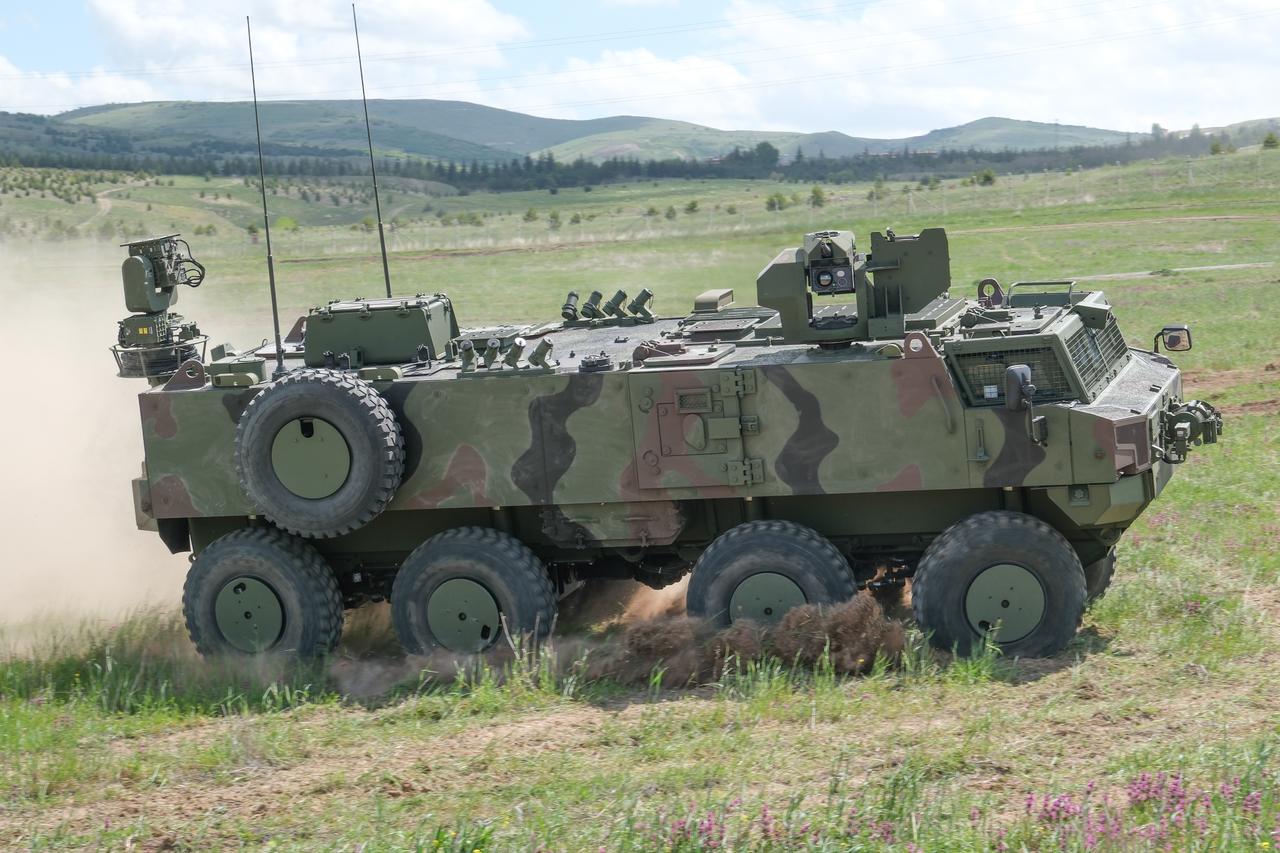
"We brought the unmanned version of our ZAHA vehicles to life in a very short time and presented it to you," Baybas said.
U-MAV is designed to take the crew out of the first wave of an amphibious assault, the highest-risk phase of the operation, and to operate as part of a manned-unmanned team alongside the Marine Assault Vehicles (MAV) already in service with the Turkish Naval Forces Command.
It makes first contact with an opposing force's shore defenses ahead of the manned wave, keeping operators in a safe area throughout the mission.
"FNSS continues to grow its work and its R&D investment in unmanned and autonomous vehicle technologies," Baybas said in the company's written statement.
"U-MAV brings together our engineering capability, the field success of the Marine Assault Vehicle (MAV), and our continuing R&D effort in a new-generation, heavy-class unmanned amphibious vehicle. Very few companies worldwide can build an unmanned amphibious vehicle of this size and capability," he added, noting that "With more than 35 years of experience in the industry and an active production line able to build several different platforms concurrently, FNSS is one of a small number of NATO suppliers that can do so. I am proud to say that U-MAV opens a new era for FNSS."
FNSS said amphibious assault ranks among the most demanding and highest-casualty-risk operations in warfare, as defending forces typically deny the beachline through layered minefields and obstacle belts while positioning machine guns and anti-tank guided missiles to dominate the shore, a window in which every second of delay favors the defender.
U-MAV's primary mission is to establish initial engagement with enemy coastal defenses ahead of manned MAV/ZAHA elements, neutralize mines and obstacles based on its configured payload, prepare the beach for the manned landing, and provide support throughout subsequent phases of the operation.
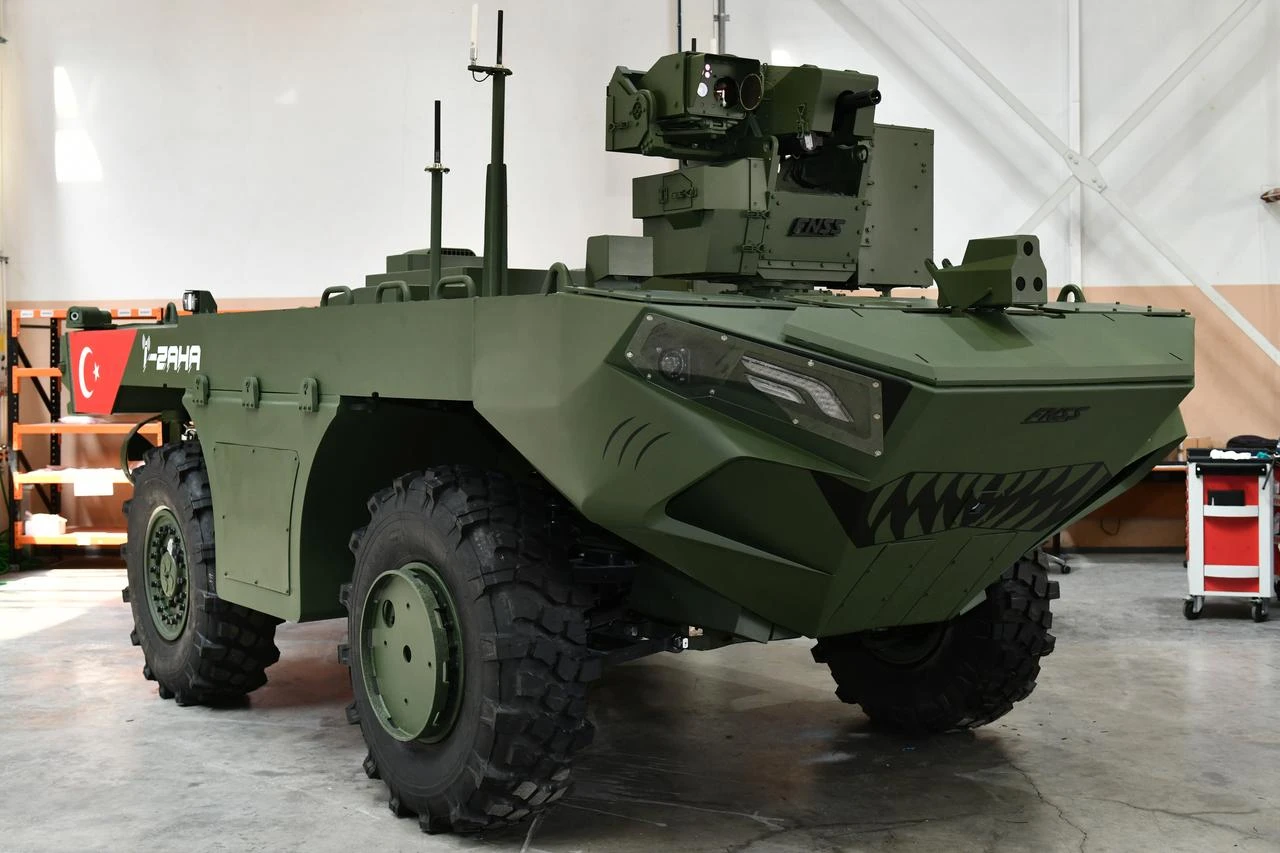

The platform transits seamlessly from sea to shore, reaching a swimming speed of 7 knots and a road speed of 70 kilometers per hour, powered by a combined 300-horsepower powerpack that gives it a power-to-weight ratio of 37.5 horsepower per ton at its 8-ton amphibious combat weight.
An independent suspension system and selectable tire options allow it to adapt to varied terrain, while low visual, thermal and acoustic signatures are intended to enhance stealth, alongside a generous payload volume for casualty evacuation, mission equipment and logistics support.
Mission payload modules can be swapped in the field in approximately 40 minutes, enabling 10 distinct mission configurations: fire support, mine clearance, combat engineering, electronic warfare, reconnaissance, deception, counter-drone, navigation and obstacle marking, logistics support, and casualty evacuation.
Multiple variants can operate together within the same operation, with a shared platform and sustainment infrastructure intended to minimize the logistics footprint while maintaining readiness.
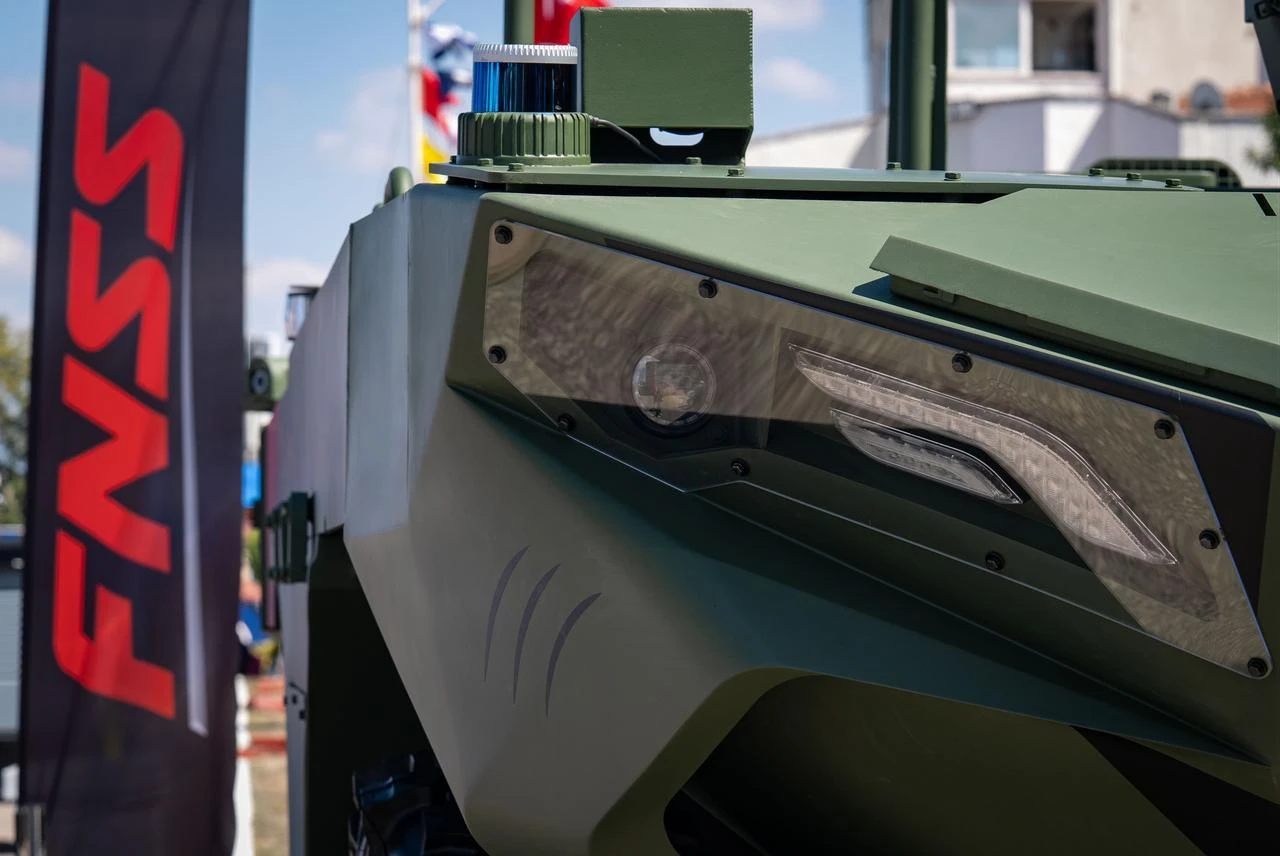
U-MAV is designed to operate in autonomous, remote-controlled or hybrid modes, using an encrypted mesh network, a GNSS/INS navigation system and an IFF identification module to maintain command-and-control continuity throughout a mission.
Its inertial navigation unit can sustain position estimates in environments where satellite signals are denied or degraded. Its communications range is 3 kilometers in line-of-sight, extendable through unmanned aerial vehicle (UAV) relay support across all variants.
If the datalink is interrupted, the platform first transitions to a safe hold state before either automatically returning to base via a pre-programmed route or continuing its navigation task, depending on configuration.
U-MAV is fully transportable by road, rail and sea, and is compatible with heavy-lift helicopters and strategic airlifters, including the CH-47F Chinook, Mil Mi-26, C-130 Hercules, A400M, C-17 Globemaster, C-5 Galaxy, An-124 and Il-76, for rapid deployment to distant operational areas.
U-MAV's AI-enabled image processing system analyzes camera feeds in real time aboard the vehicle's onboard computer, transmitting detection data rather than high-bandwidth video over its radio link to preserve low-latency target awareness in bandwidth-constrained environments.
Detected elements are tagged with threat scores, type and status using color-coded overlays and detailed intelligence cards, while automatic target-detection and fire-control systems present prioritized targets to the operator, reducing the operator's scanning workload; detected targets are tracked and recorded with timestamps, and newly defined target types or engagement rules can be applied instantly to the live video feed.
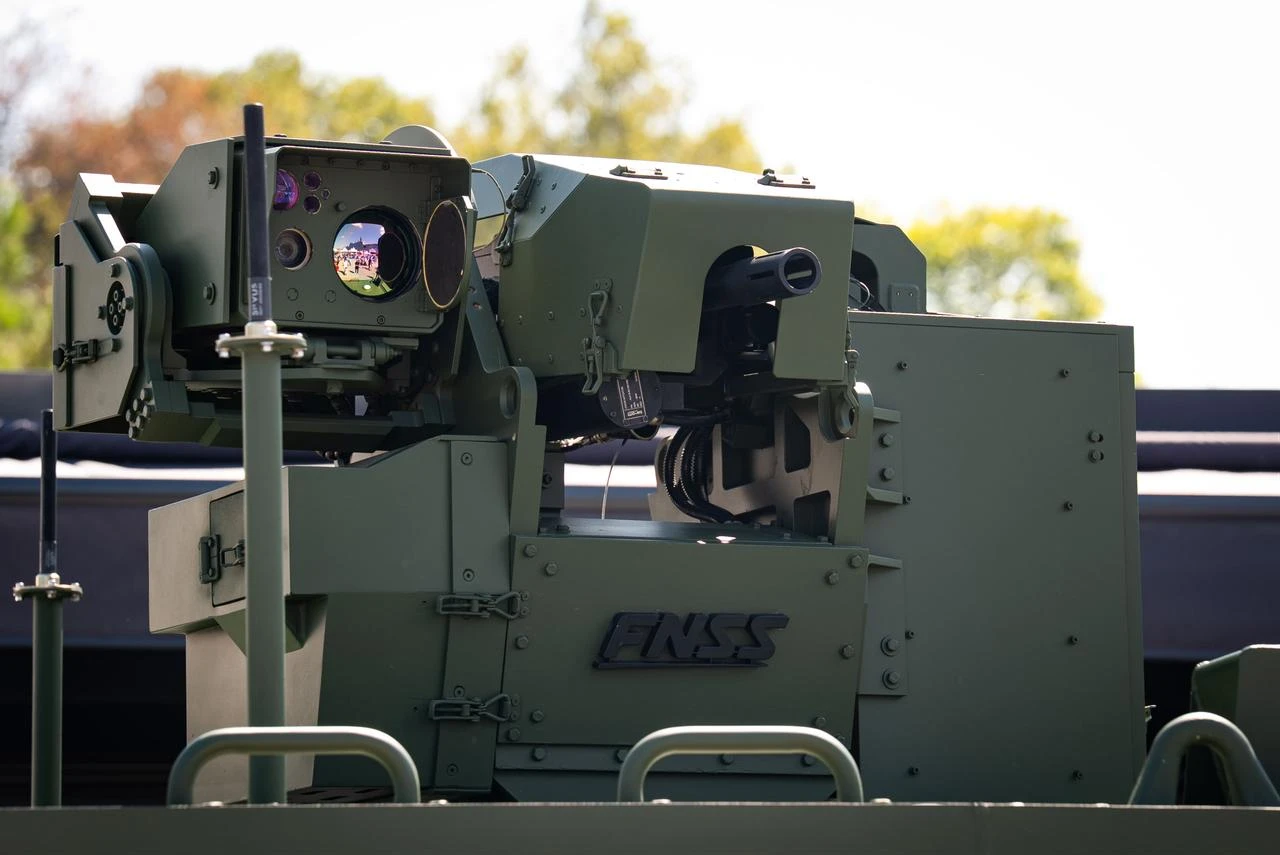
U-MAV is the first unmanned vehicle to integrate "Armor Integrity," a structural-integrity monitoring system developed by Nurol Teknoloji, into its digital systems.
With no crew aboard to assess damage after a hit, the system is designed to replace human judgment: its sensors detect an impact's location, direction and severity in real time, calculate the remaining structural capacity of the affected area, and track damage that accumulates over time, transmitting the data to the operator and chain of command.
Using that real-time data, the system offers commanders options such as maneuvering to protect a weakened area, taking cover, continuing the mission or shifting to a passive role. If connectivity is lost, data is stored locally and transmitted upon reconnection.


 Set as preferred source
 Set as preferred source


 1 min read
 1 min read