Newsletters


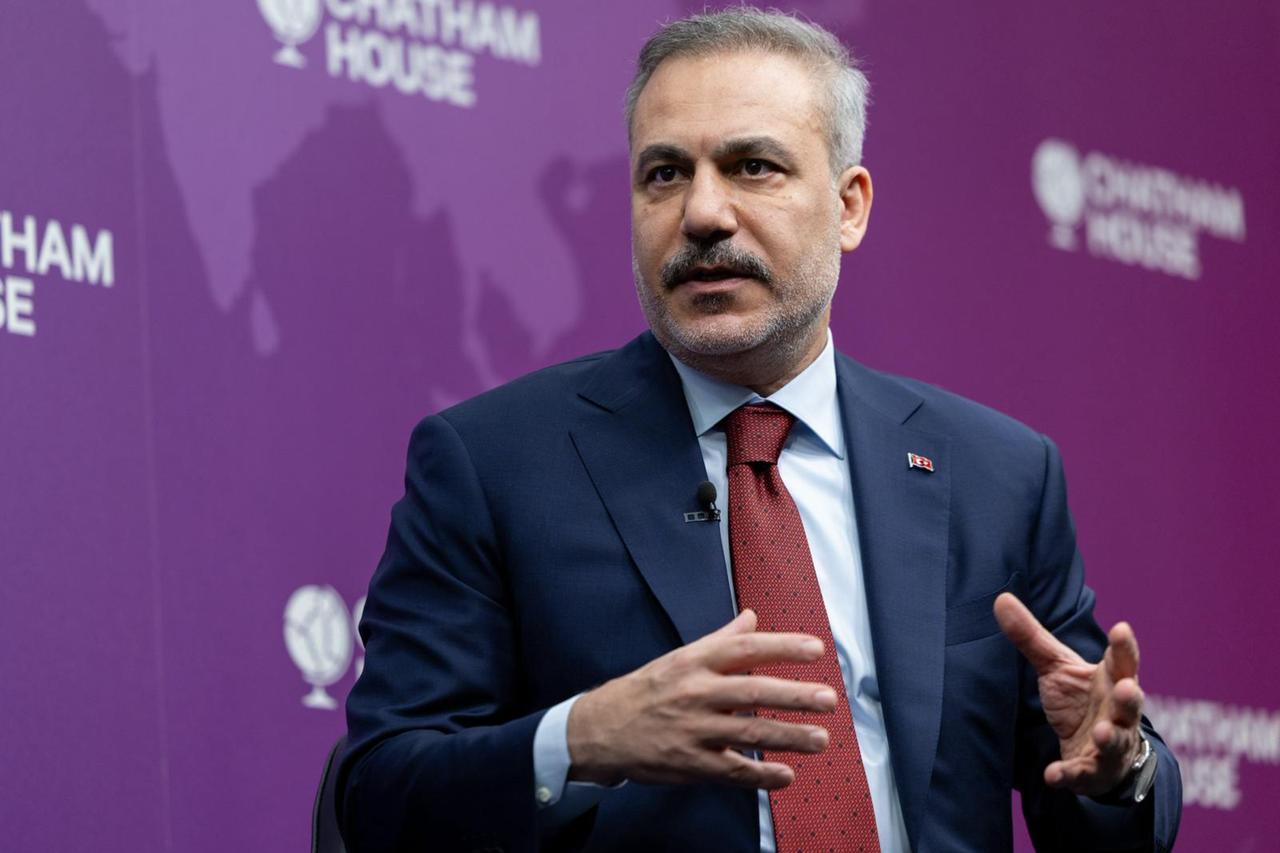


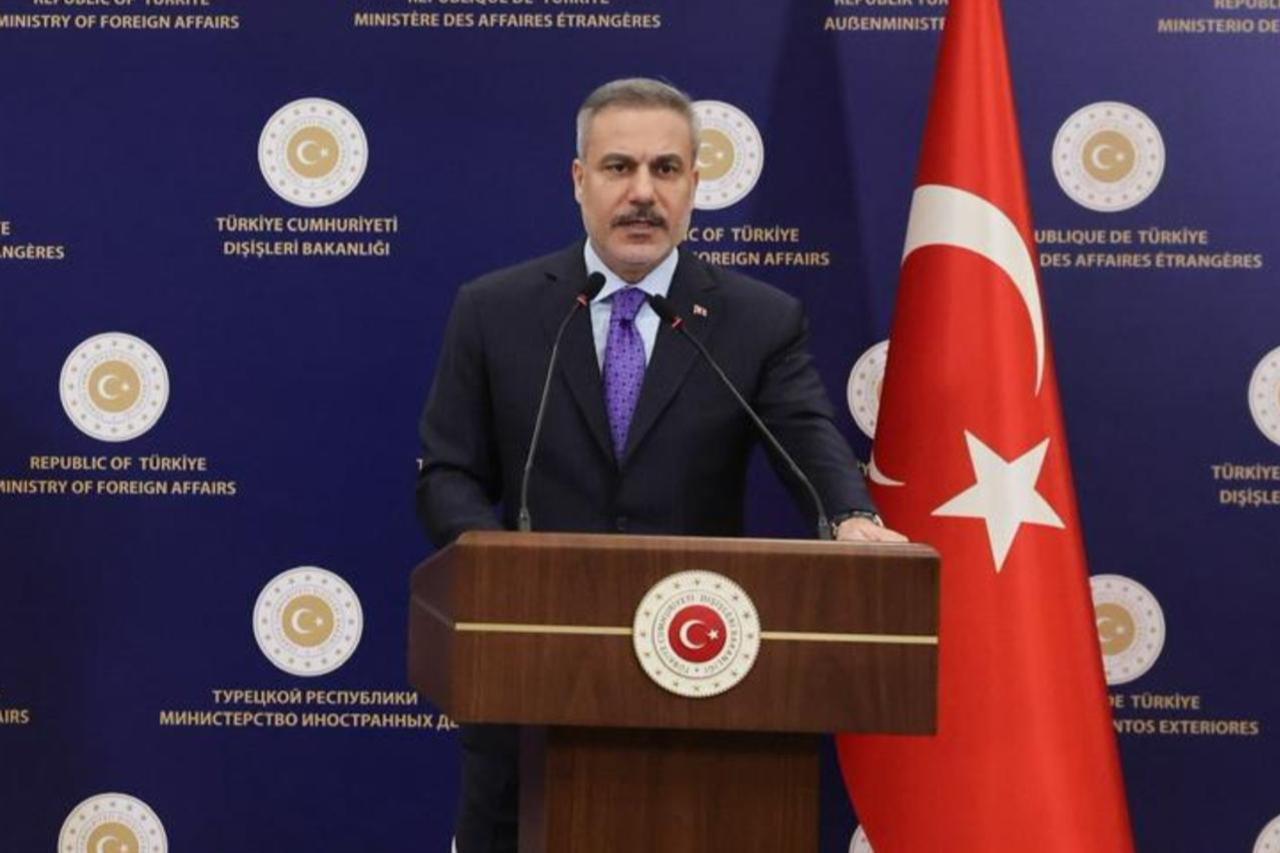
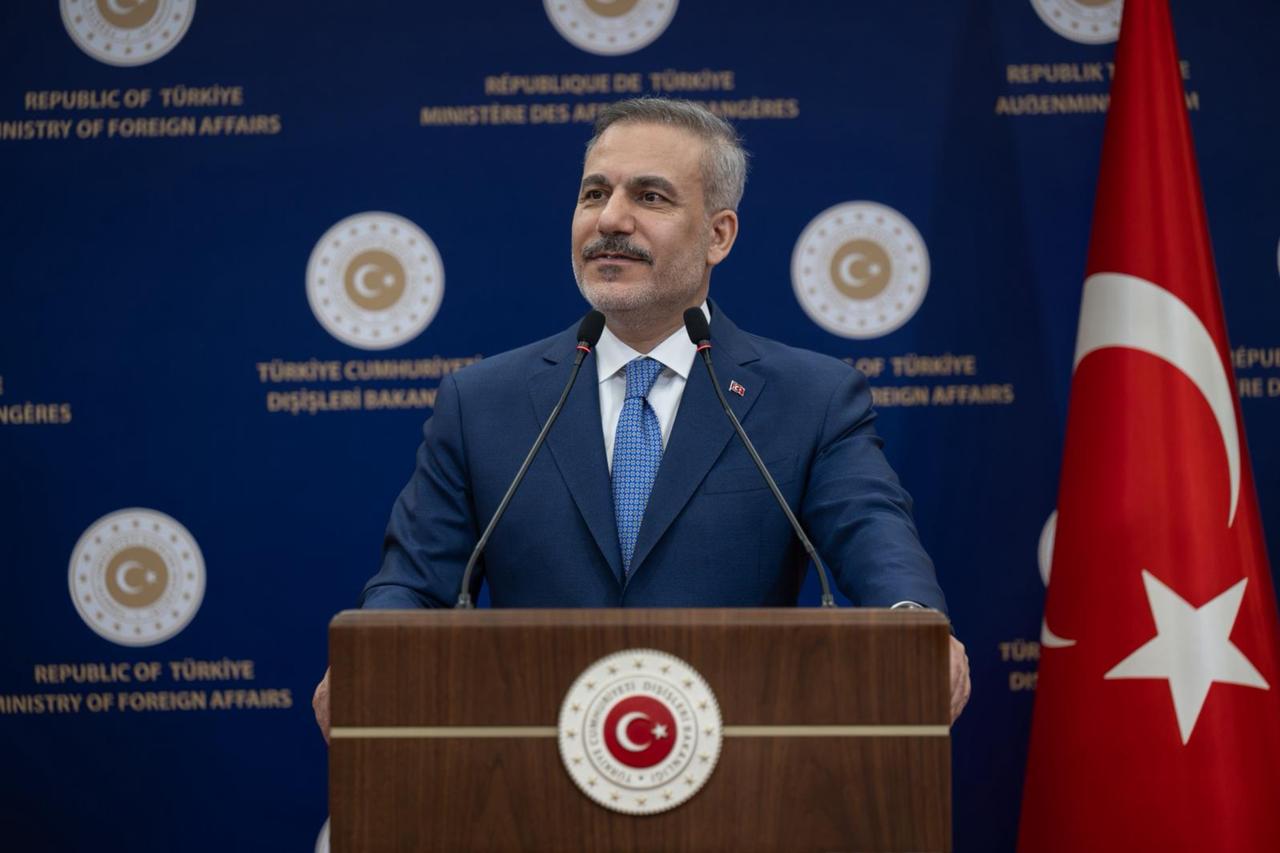
Foreign Minister Hakan Fidan said Friday that stalled points in the US-Iran nuclear negotiations can be overcome, as he concluded a two-day visit to Britain that produced a landmark bilateral partnership document between the two NATO allies.
Speaking to Turkish journalists following his meetings in London, Fidan said he is in contact with the parties involved in the conflict "almost every day" and expressed measured optimism about the resumption of talks.
"I believe that with the negotiations starting again tomorrow, there are one or two issues that have been stuck, particularly on the nuclear file, and I think these can be resolved," he said, adding that Türkiye is actively encouraging all sides toward a positive outcome.
Fidan welcomed the initial two-week ceasefire between the US, Israel, and Iran, but cautioned that it was insufficient on its own to produce a lasting resolution, and noted that the truce has since been extended to allow more time for diplomacy.
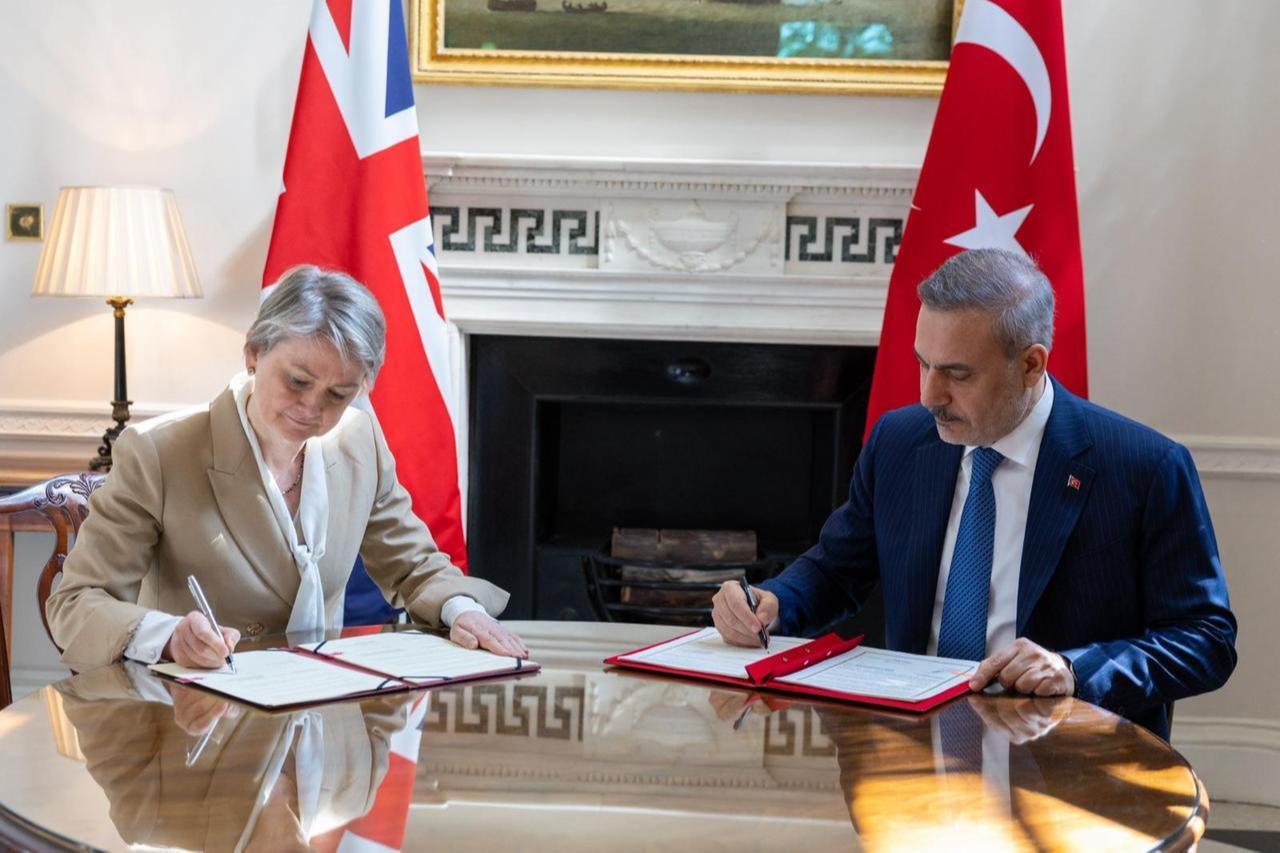

The minister described his visit as productive, highlighting the signing of the "Türkiye-United Kingdom Strategic Partnership Framework Document" as a milestone in bilateral relations.
"This is truly an important stage given where the relationship between the two countries has arrived," Fidan said. He characterized Türkiye and Britain as two major nations that are both NATO members, neither of which belongs to the European Union, and whose populations, economic strength, industrial capacity, and capabilities make them natural complements.
Cooperation between the two countries spans economics, technology, trade, defense industry, European security, and NATO relations, he said. His visit also included meetings with members of both the House of Lords and the House of Commons.
 1 min read
Fidan outlined two distinct scenarios concerning the Strait of Hormuz, the narrow waterway through which roughly 20 percent of the world's seaborne oil trade flows and which has been subject to severe disruption since the outbreak of hostilities in late February.
The first path, he said, involves a negotiated agreement that restores the previous status quo and reopens the strait to free passage without tolls or restrictions. The second path addresses the possibility that negotiations fail or hostilities resume, and what options would then exist to manage the waterway.
On the question of Türkiye's potential participation in any multinational demining mission in the strait, Fidan drew a clear distinction between humanitarian technical operations and active military engagement in the conflict.
He said the Turkish defense ministry has received instructions from the president, adding that clearing mines is "a basic humanitarian task in service of everyone" that is unrelated to taking sides in a conflict, and that Türkiye could look favorably on such an operation following a deal.
However, he warned that if there were any possibility of Türkiye appearing as a party to resumed hostilities, "we have our sensitivities there, and we are in a different position." He added that Türkiye's partners understand these sensitivities clearly.
Beyond Iran, Fidan said his London discussions covered the war in Ukraine, Russia, European security, and ongoing diplomatic processes. The visit underscores Ankara's increasingly active role as a mediator and diplomatic interlocutor across multiple theaters, a position Türkiye has cultivated through its unique status as a NATO member with open lines to all parties, including Moscow and Tehran.


 Set as preferred source
 Set as preferred source


 1 min read