Newsletters


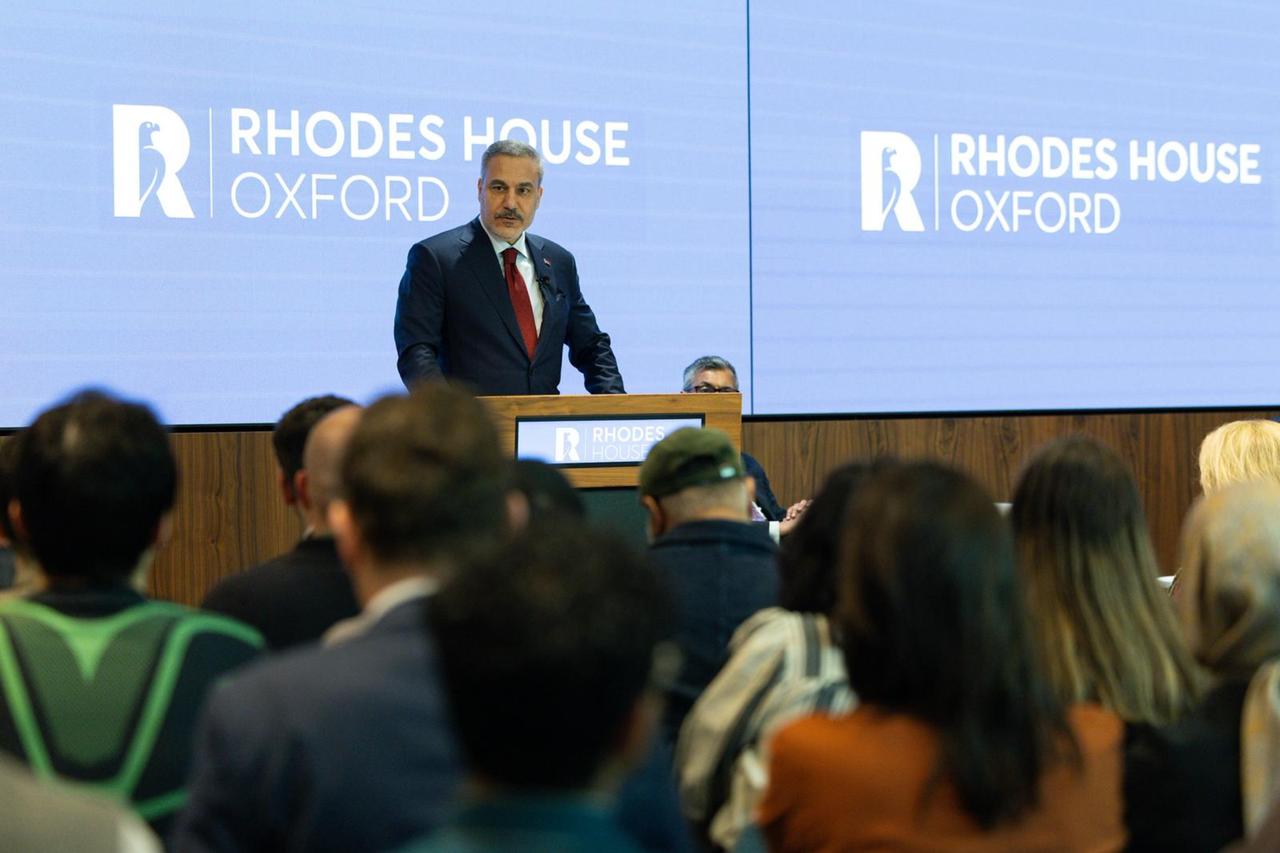


Foreign Minister Hakan Fidan declared Friday that Israel has become a "direct threat to global security" and called for a unified international response, arguing that the boundaries between regional and global crises have effectively dissolved.
Speaking at Oxford University at a forum on global reordering, Fidan framed the current moment as something more profound than a geopolitical shift. "What we are witnessing today is not a transition, but it's rather a transformation," he said, warning that states can no longer "outsource their security, their diplomacy or their strategic imagination."
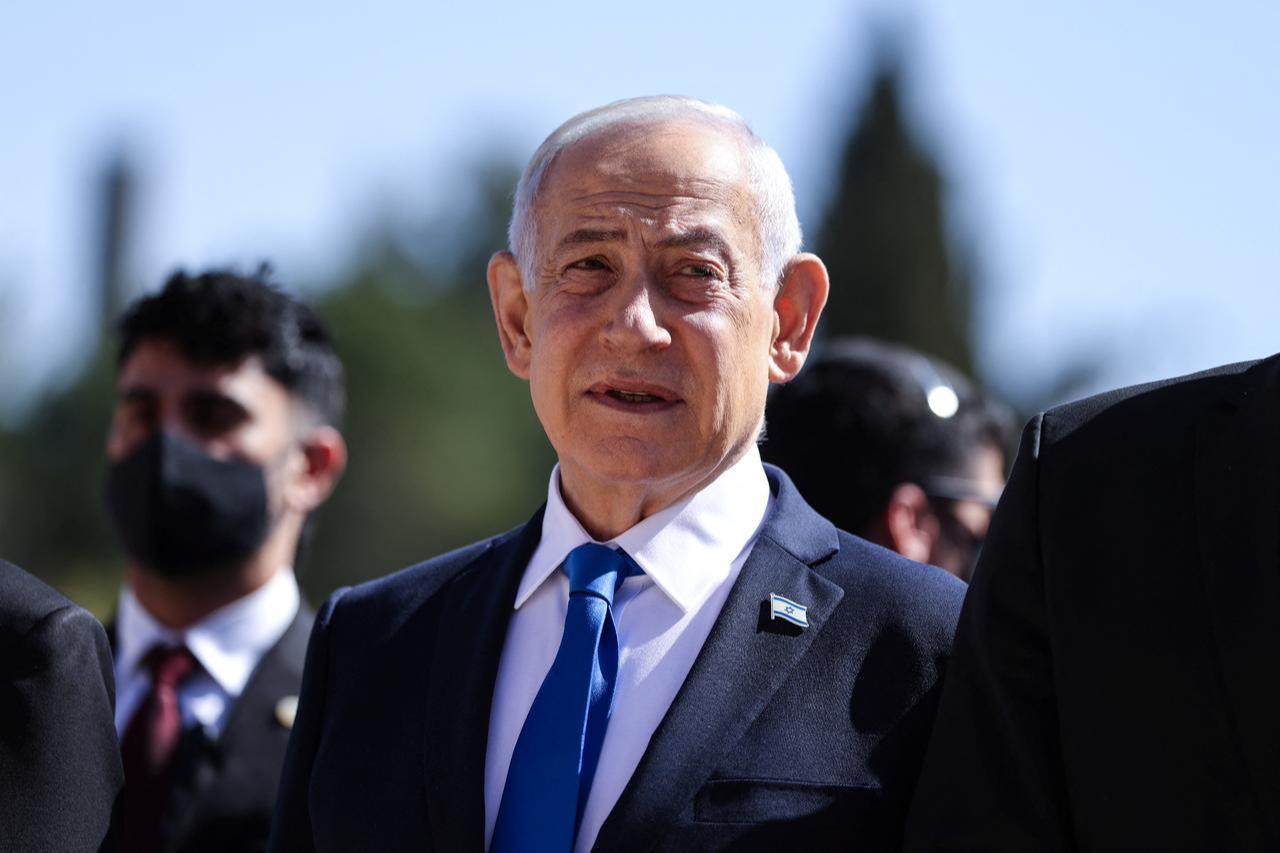

Fidan's sharpest remarks were directed at Israel, whose conduct he said had moved well beyond a regional problem. "Israel's systemic threat to destabilize the region has exceeded local borders and now constitutes a direct threat to global security," he said, adding that such behavior demands "a collective response from the international community as a whole."
He also addressed the Iran conflict, which erupted following U.S. and Israeli strikes, saying it had dealt "a heavy blow to global prosperity, security and stability." Fidan argued that the old framework of treating such conflicts as geographically contained is no longer viable, noting that "the distinction between regional and global crises has truly disappeared."
Against this backdrop of uncertainty, Fidan argued that middle powers, defined as states combining strategic geography, diplomatic reach and political will, have become increasingly consequential actors in international affairs. The erosion of traditional security guarantees, he suggested, has created both a necessity and an opening for such countries to step into the vacuum.
Fidan pointed to Türkiye as a model of this emerging role, citing its geographic position, its dual institutional footing as both a NATO member and European Union candidate, and a track record of mediation efforts including the Black Sea grain initiative and diplomatic engagement in the Horn of Africa.
Beyond crisis management, Fidan made a broader case for structural change. He called for reform of global institutions and advocated for a new regional order in the Middle East built on cooperation rather than, in his framing, "domination or submission."
The approach he outlined centered on "regional solutions to regional problems by regional countries," a formulation that implicitly pushes back against external powers shaping the region's architecture.


 Set as preferred source
 Set as preferred source


 1 min read
 1 min read