Newsletters


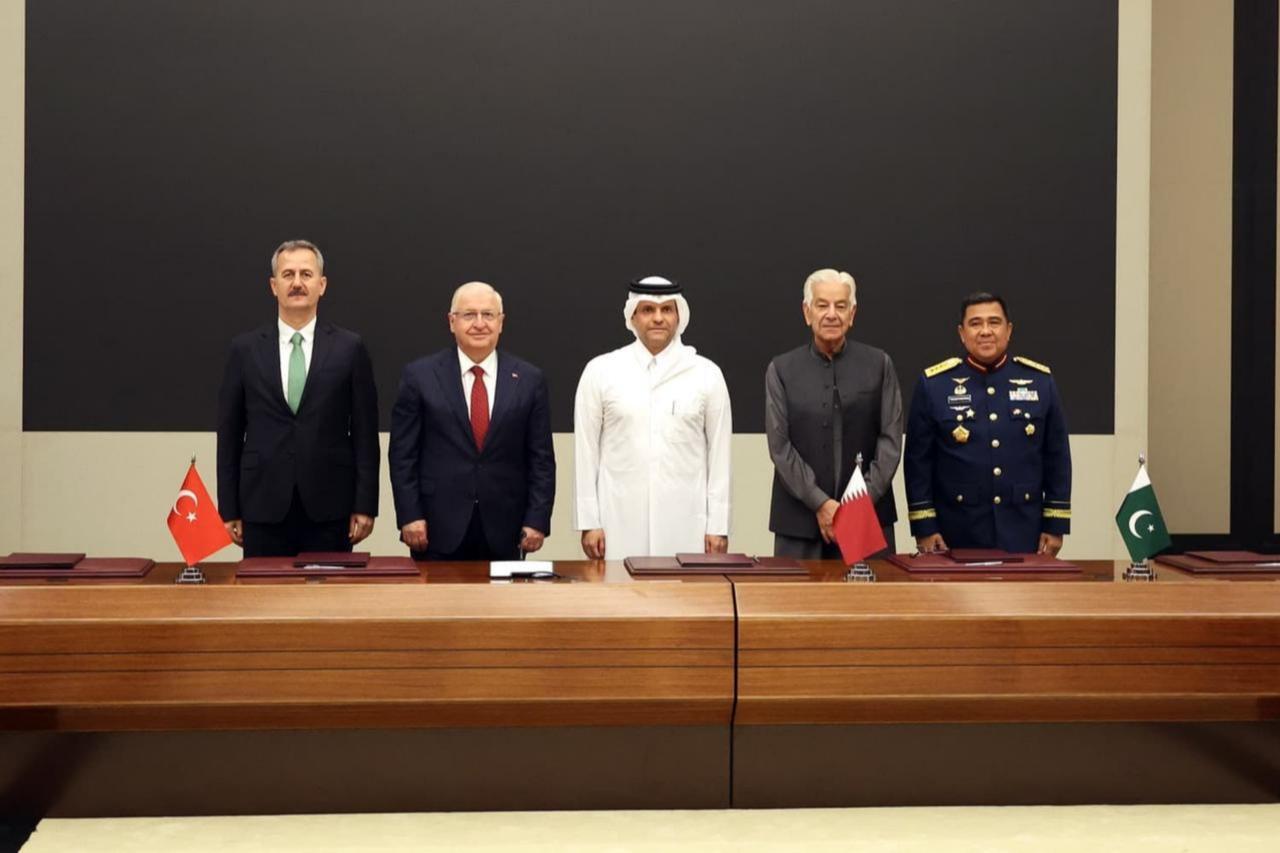


Marking a new trend in multilateral defense cooperation, the signing of the Badr Memorandum of Understanding (MoU) between Pakistan, Türkiye, Qatar and Indonesia in Doha on Oct. 21 focuses on developing sustainable defense capabilities rather than committing its members to fight together.
Since the United States-Israel war on Iran seems poised to enter a more volatile phase, regional governments are increasingly interested in diversifying defense arrangements, speeding up domestic arms production and securing reliable supplies of military equipment.
Though the objective is not to replace existing security relationships with Washington or do without Western technology, which may remain indispensable, having fallback options adds the capacity to absorb serious threats to Gulf infrastructure, shipping and energy supplies. And Badr is part of this quest for strategic flexibility.
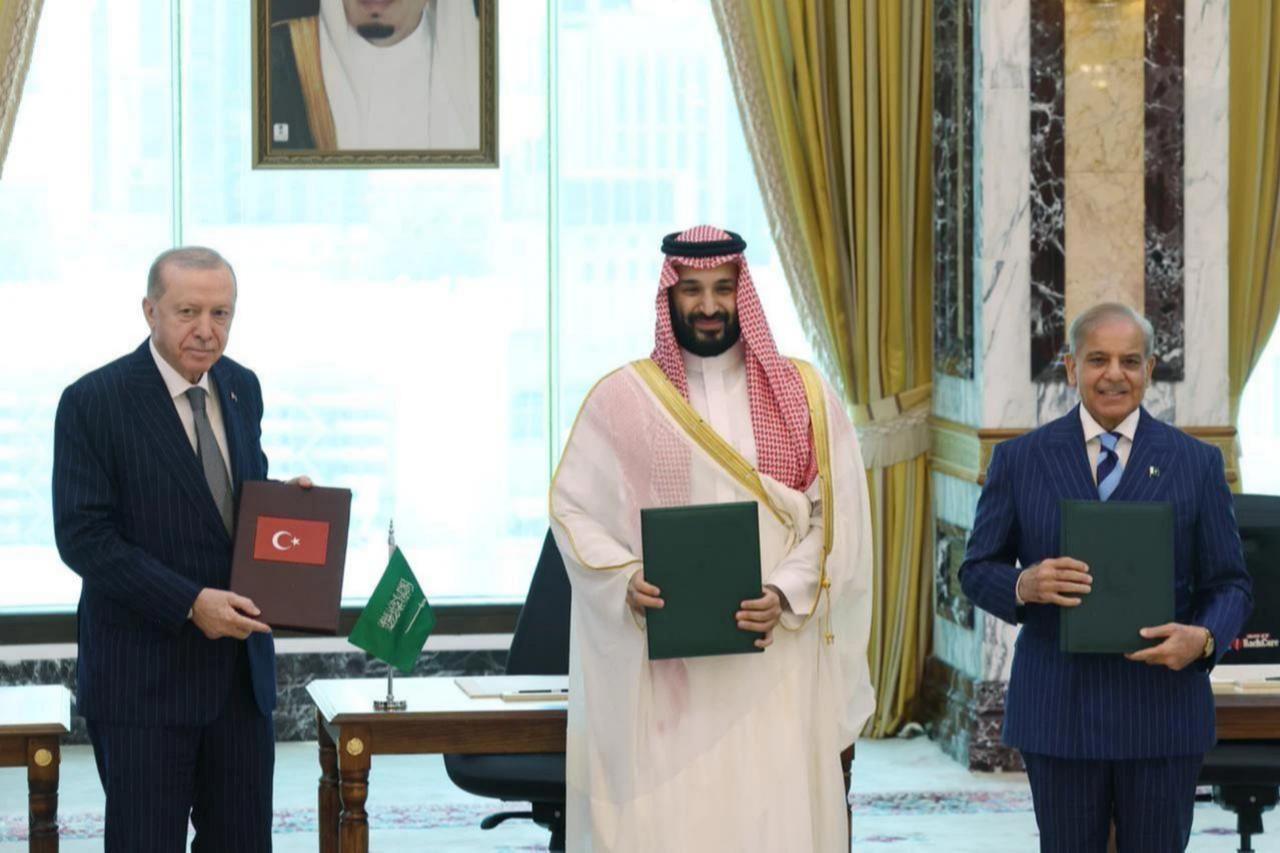
While the Mecca Joint Defence Agreement (MJDA) signed on Aug. 7 between Pakistan, Saudi Arabia and Türkiye is centered on mutual defense, the newly signed Badr MoU brings Pakistan, Türkiye, Qatar and Indonesia together through practical military cooperation.
The distinction is significant.
The Mecca pact contains an explicit collective-defense clause: an armed attack originating from outside against any one signatory is treated as an attack against all, obliging the parties to assist one another with the means at their disposal.
Its implementation is gaining momentum as Pakistan and Saudi Arabia have completed ratification, and Türkiye's domestic approval process is underway, bringing the agreement closer to operationalization.
Compared with the MJDA, Badr is less consequential as an immediate security commitment but potentially important as a long-term enabler of defense cooperation.
Unlike conventional military alliances, the Badr mechanism remains focused on defense manufacturing, joint research and development, technical training and technology cooperation, allowing its members to pool resources without committing themselves to military assistance in case of attack.
Naveed Ali Sheikh, an Islamabad-based military analyst, told Türkiye Today that the Badr MOU takes its name from the Battle of Badr, the first major military campaign fought by Muslims following the establishment of the Islamic State in Medina. Therefore, the name has “considerable historical and symbolic significance,” and the MOU represents the materialization of a long-envisioned strategic partnership.
Fundamentally, Sheikh observed, “Badr could serve as the defense-industrial backbone and supply chain for the broader Mecca agreement, which is expected to expand to include additional countries.”
In simple terms, he said, “Badr builds the military capability; the Mecca agreement provides the strategic framework for its deployment.” However, he added that Badr could be followed by a different agreement in coming months.
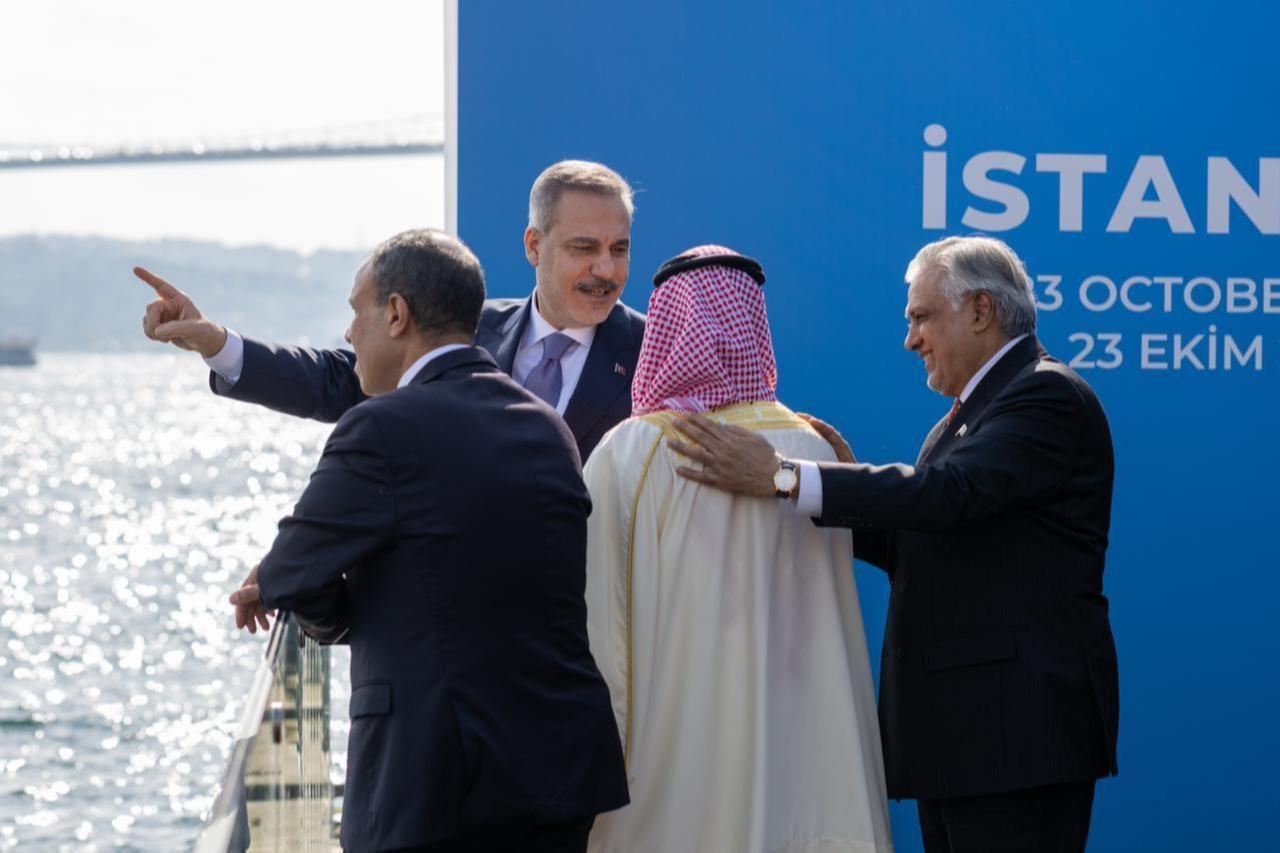

Interestingly, both the MJDA and Badr frameworks overlap, as they are related to the Gulf and wider regional security, with Pakistan and Türkiye in central roles. Potentially, Türkiye and Pakistan could synchronize Gulf security requirements by combining Pakistan's military experience, operational capabilities and defense manufacturing with Türkiye's technological expertise and increasingly sophisticated defense industry.
However, neither arrangement means that the two countries will respond identically to every regional crisis.
Junaid Javeed, a risk and security management expert, told Türkiye Today that though Ankara and Islamabad “connect the two initiatives, their participation does not amount to a single, integrated alliance, their capabilities overlap in some ways and complement each other in others.”
Observing that the MILGEM naval program stands out as an example of bilateral industrial cooperation, Javeed said that this is why their relationship “should not be reduced to Türkiye supplying designs and Pakistan providing factory capacity.”
In addition, he said, “common interests do not eliminate differences in foreign policy” as Türkiye has NATO commitments and Pakistan has to balance defense ties with Saudi Arabia and its relations with China and Iran.
Therefore, he observed that, “cooperation is more likely to advance through defined projects and agreed commitments tan through an unrestricted alignment of regional policies.”
Discussing Ankara’s advantages, Sheikh said, “Türkiye has access to NATO-standard military hardware and has emerged as a major indigenous defence and aerospace manufacturer, particularly through its advanced drone technology and the development of its fifth-generation KAAN fighter aircraft.”
Meanwhile, Pakistan, he pointed out, “possesses one of the world's most advanced missile programs, a nuclear deterrent and a battle-hardened military with extensive operational experience in actual combat over the past 27 years since 9/11.”
In Sheikh’s opinion, the strategic combination of Türkiye's technological and aerospace capabilities with Pakistan's missile technology, military expertise and nuclear capabilities could create an exceptionally formidable military partnership.”
Qatar’s primary contribution lies in its financial capacity to support capital-intensive defense-industrial projects. Doha could help fund joint research and production facilities, bridging the gap between technological ambition and the capital required to make collaborative manufacturing commercially viable.
Meanwhile, Indonesia offers the prospect of expanding the manufacturing base and market reach, with a substantial domestic market, skilled workforce and ambitions to strengthen its own defense industry. Extending Badr’s reach into Southeast Asia, Jakarta’s contribution will depend on viable projects that accommodate procurement priorities and industrial capabilities of the four states.
For Qatar, Sheikh said, the agreement comes at a time when the country is expanding its defense spending and reassessing its security partnerships. Essentially, he said, “Qatar seeks to combine Pakistan's military capabilities, Türkiye's defense technology, and Indonesia's industrial capacity and workforce, with Qatari investment providing the financial backbone.”
Commenting on Jakarta’s role, Sheikh said that Indonesia had been training with the Pakistani Army for the last 10 years, and their “main contribution is expected to be in the naval industry, ports management, aerospace and establishing defense manufacturing units far from conflict zones.”
Sheikh said that as the “world's largest archipelagic country, Indonesia has considerable experience in managing maritime infrastructure and developing its domestic naval and aerospace industries through companies such as PT PAL and PT Dirgantara Indonesia.”
Strategically, he noted that Indonesia could become the “industrial and maritime backbone of the Badr partnership.”
According to Javeed, Qatar’s interest in Badr can be understood as an attempt to broaden its defense options without disturbing its existing security relationships. In his opinion, Doha’s links with Western suppliers may also provide commercial opportunities, although licensing requirements and restrictions on technology transfer could limit what partners are able to produce together.
However, he added that contributions (of either partner) “should not be treated as fixed assignments, and Badr’s prospects depend less on a neat division of national roles than on whether the participants can agree on viable projects.”
As per Javeed, the Badr arrangement also fits Jakarta’s preference for “maintaining room for independent foreign-policy decisions,” and industrial cooperation need not imply involvement in Middle Eastern military disputes.
Ultimately, Badr's relevance will depend less on the symbolism of a four-country agreement than on whether it produces tangible results.
Defense projects are expensive, technically complex and politically sensitive, with different export rules and unequal industrial capacities complicating implementation. Still, Badr could complement the Mecca framework by helping regional partners develop and maintain more of the capabilities on which their security depends.
In Javeed’s assessment, the wider advantage is strategic flexibility, as Badr “offers a route to industrial cooperation across several regions without adding collective defense obligations.”


 Set as preferred source
 Set as preferred source


 2 min read

 1 min read