Newsletters




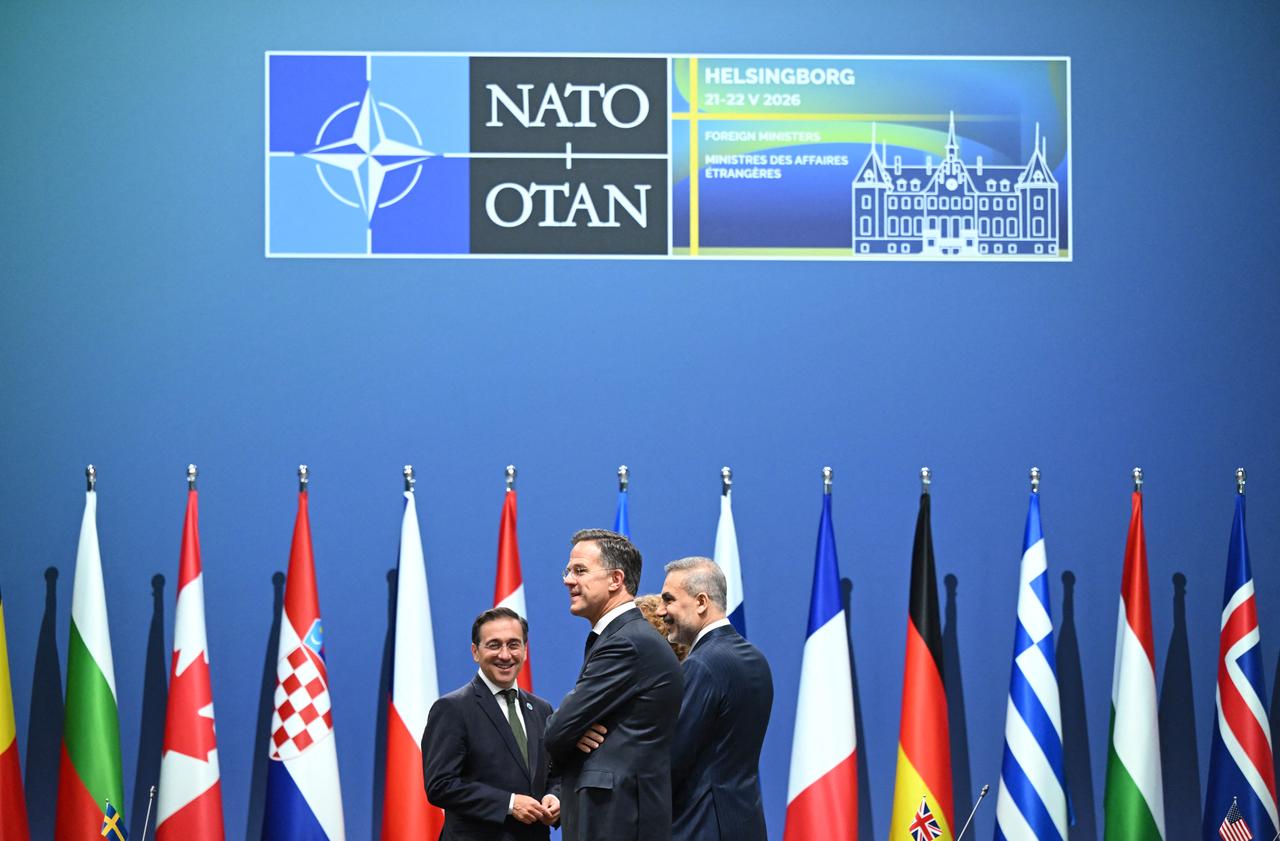
Türkiye aims to reach NATO's defense spending target of 3.5% of GDP for core military costs alongside an additional 1.5% for security investments by the end of 2030, Communications Director Burhanettin Duran said Wednesday. The announcement comes as Ankara prepares to host the alliance's summit on July 7–8 and showcase what he called Türkiye's "rising weight" within NATO.
Speaking to mediapersons from newspapers and television channels ahead of the summit, Duran said NATO has remained one of the longest-lasting and most institutionalized security alliances because of its ability to adapt to changing threats. He noted that modern defense requirements now extend beyond conventional military risks to include cyberattacks, critical infrastructure, energy security, disinformation, and supply chains.
The Turkish official stated that burden-sharing would be a key agenda item at the summit, driven by a changing security landscape that requires NATO allies to review defense expenditures.
"Burden-sharing constitutes one of the main agenda items of the summit. The changing security architecture is pushing NATO allies to reassess their defense spending," he said.
"In this context, Ankara aims to reach the 3.5%+1.5% target by the end of 2030," Duran noted.
He described the new approach as "NATO 3.0," a concept envisioning a more capable alliance that shares burdens fairly.
"Türkiye has supported this approach from the outset," Duran said.

Duran said Ankara's position within the alliance has evolved significantly since Türkiye joined NATO in 1952.
"Türkiye has moved from the periphery to the center of NATO," he said, adding, "it is no longer only a country protecting NATO's borders but a central ally on almost every issue concerning the alliance."
He described Türkiye as "a country that seeks to reduce tensions and create space for diplomacy during crises while maintaining strong deterrence capabilities."
"Under the leadership of President Recep Tayyip Erdogan, Türkiye has become an effective global actor that takes initiative in resolving crises, facilitates diplomacy and contributes to regional and global peace," Duran said, adding that Türkiye is emerging as a "safe harbor" and building what he called a "Türkiye axis."
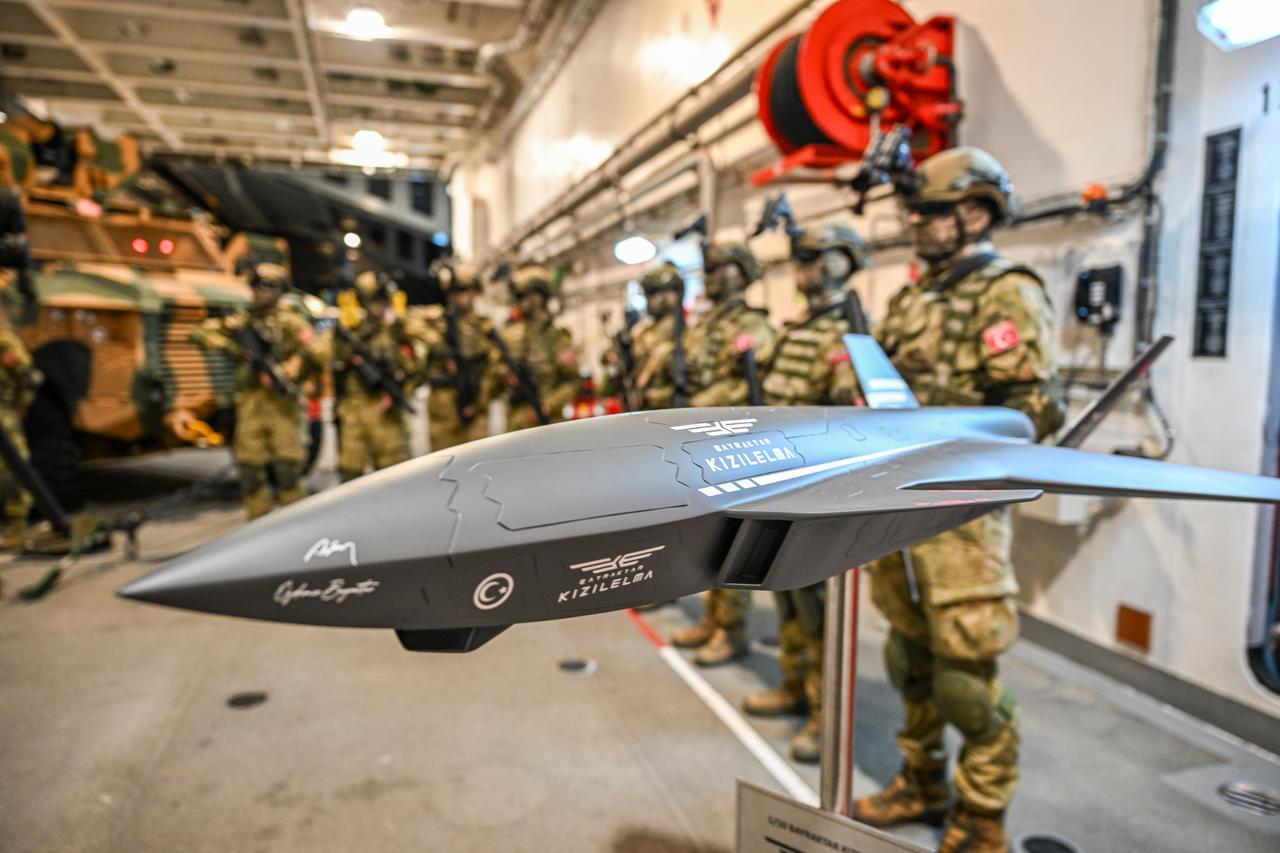
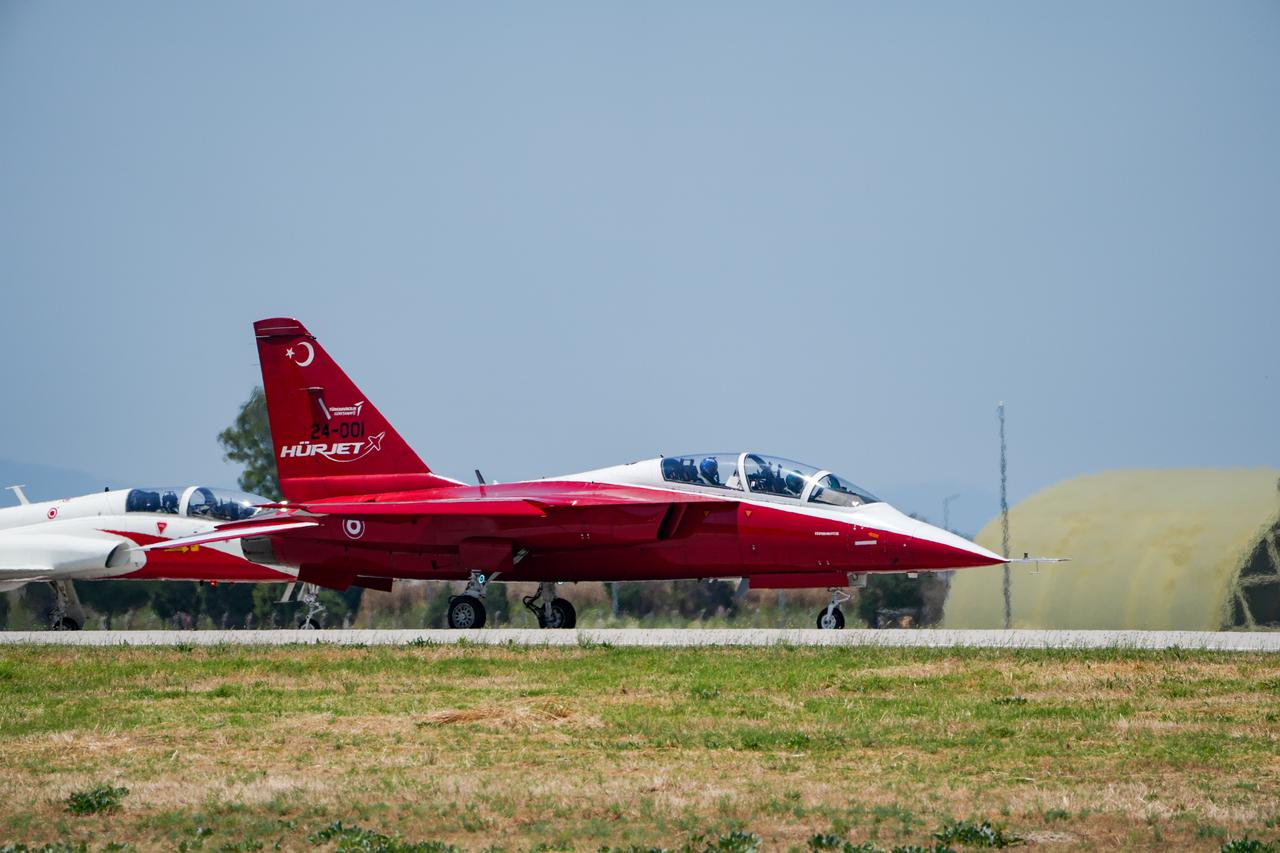
Duran said Türkiye's defense industry strengthens both the country's strategic autonomy and NATO's overall capacity.
"Turkish defense industry is an element that increases Türkiye's strategic autonomy and contributes to NATO's overall capacity," he said.
"Türkiye's rise in the defense industry is a strategic force multiplier not only for our national security but also for NATO's deterrence capacity. Türkiye, therefore, views any restriction placed on the defense capacity of a NATO ally as, in effect, a restriction on the alliance's overall deterrence," the Turkish official noted.
He announced that a defense industry forum, held informally as a side event at NATO summits over the past three to four years, will be incorporated for the first time into the official summit program in Ankara.
Trade figures show Turkish defense exports, including the armed drones used by Ukrainian forces, have more than tripled since 2021, reaching $10 billion last year, accounting for about 3.7% of Türkiye's total exports.
Exports to Europe and the United States nearly quadrupled over the same period, rising to $5.6 billion last year from $1.5 billion in 2021, according to data from the Defence and Aerospace Industry Manufacturers Association (SASAD) and the Turkish Statistical Institute (TurkStat/SSB).
Exports to other countries also grew over the period, climbing from $1.7 billion in 2021 to $4.4 billion in 2025, with the strongest year-on-year jump occurring between 2021 and 2022, when exports to markets outside Europe and the U.S. nearly doubled to $3 billion.


 Set as preferred source
 Set as preferred source


 1 min read
 1 min read