Sign in
 Newsletters




Türkiye's Parliament has finalized the seat allocation for a 19-member commission tasked with overseeing the next phase of the country's "Terror-Free Türkiye" initiative, although two opposition parties have announced they will not participate.
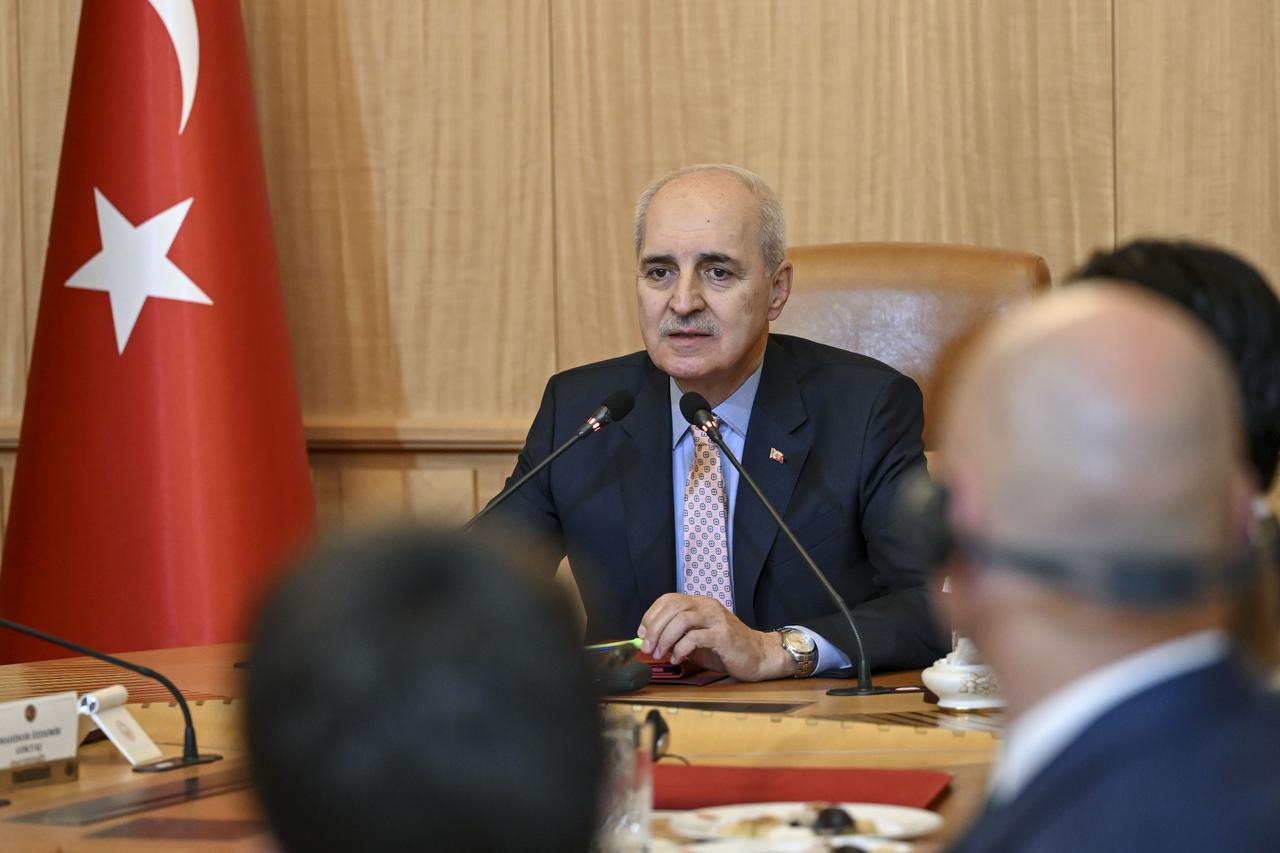
Turkish Parliament Speaker Numan Kurtulmus sent formal letters Wednesday to the seven political party groups represented in Parliament, requesting the names of their nominees by 5:00 p.m. local time on Nov. 30.
The commission will monitor implementation of legislation passed in August to establish a legal framework for the dissolution and disarmament of the PKK terrorist group and affiliated structures.
Under the allocation, the ruling Justice and Development Party (AK Party) will receive nine seats, followed by the New Party with three. The pro-Kurdish Peoples' Equality and Democracy Party (DEM Party) and the Nationalist Movement Party (MHP) will each receive two seats.
The Republican People's Party (CHP), Good Party (İYİ Party) and New Path Party will each be allocated one seat.
Kurtulmus said he hoped the commission would hold its first meeting before Parliament begins the plenary stage of budget negotiations.
Despite the allocation, the commission's final composition remains uncertain because the New Party and Good Party have already announced that they will not nominate lawmakers.
New Party Chairman Ozgur Ozel said Nov. 18 that his party would stay out of the commission, arguing that commitments on democratization made during earlier stages of the process had not been fulfilled.
Good Party Chairman Musavat Dervisoglu announced a day earlier that his party would also refuse to participate.
Kurtulmus has continued urging both parties to reconsider, arguing that wider political participation would strengthen parliamentary oversight and allow differing positions to be discussed within the commission.
He previously said Parliament would proceed according to the parties' formal responses rather than their public statements.
If both parties maintain their positions, four of the commission's 19 allocated seats would remain without nominees unless Parliament makes further arrangements.

The monitoring commission was established under Article 7 of the Law on Strengthening National Solidarity and Social Integration, which Parliament adopted Aug. 10 with 467 votes in favor, 87 against and seven abstentions.
The body will oversee activities conducted under the legislation on Parliament's behalf, coordinate between the legislative and executive branches, monitor developments and submit recommendations to relevant institutions.
Its responsibilities differ from those of the executive-level monitoring and evaluation board chaired by Vice President Cevdet Yilmaz, which includes the ministers of justice, foreign affairs, interior and defense, alongside senior security officials.
Kurtulmus stressed that determining whether the PKK and its affiliated structures have fully disarmed would not be the parliamentary commission's responsibility.
Instead, Turkish security and intelligence institutions will assess developments on the ground, with their findings submitted through the relevant national security procedures.
The parliamentary commission will monitor the broader process and make recommendations as implementation advances.
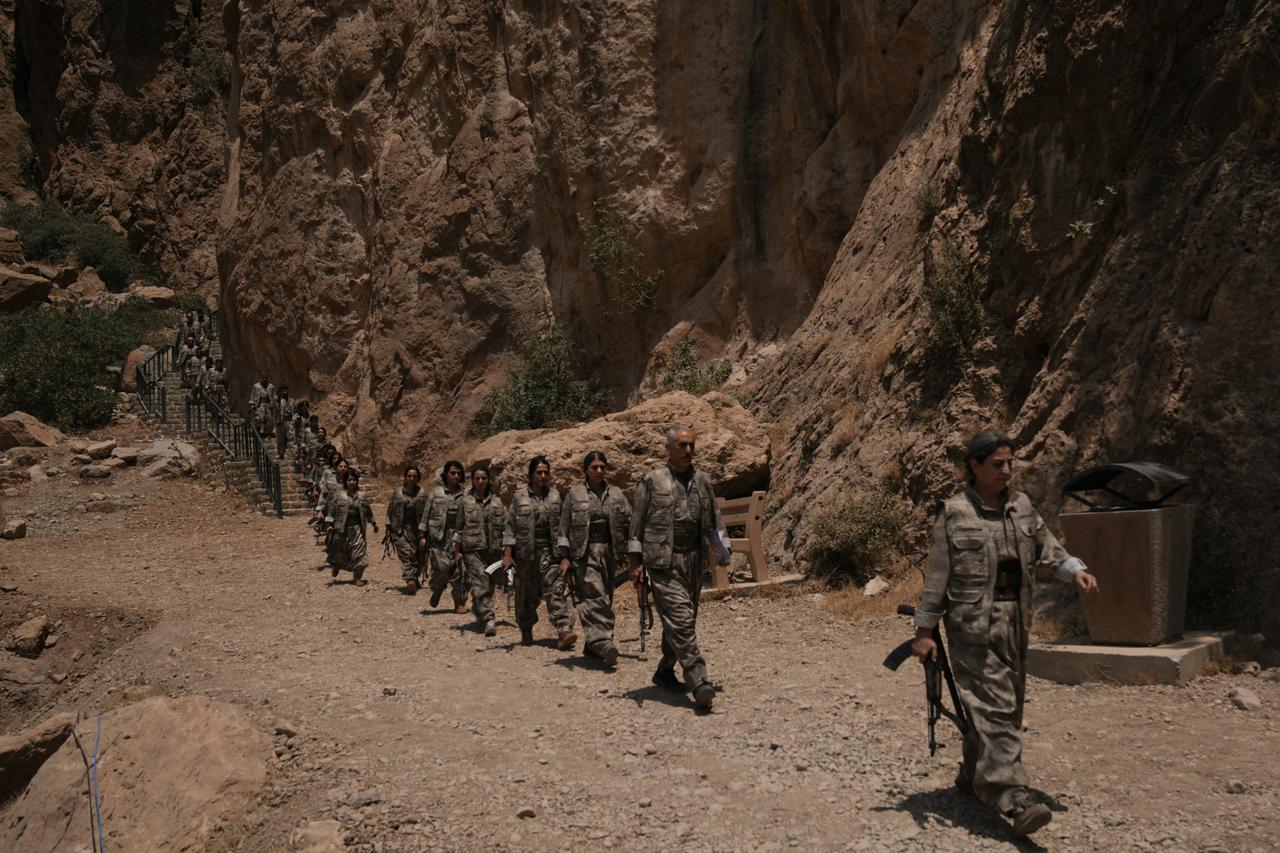
The PKK, designated a terrorist organization by Türkiye, the United States and the European Union, announced in May 2025 that it would dissolve and end its armed campaign following a February call by its imprisoned ringleader Abdullah Ocalan.
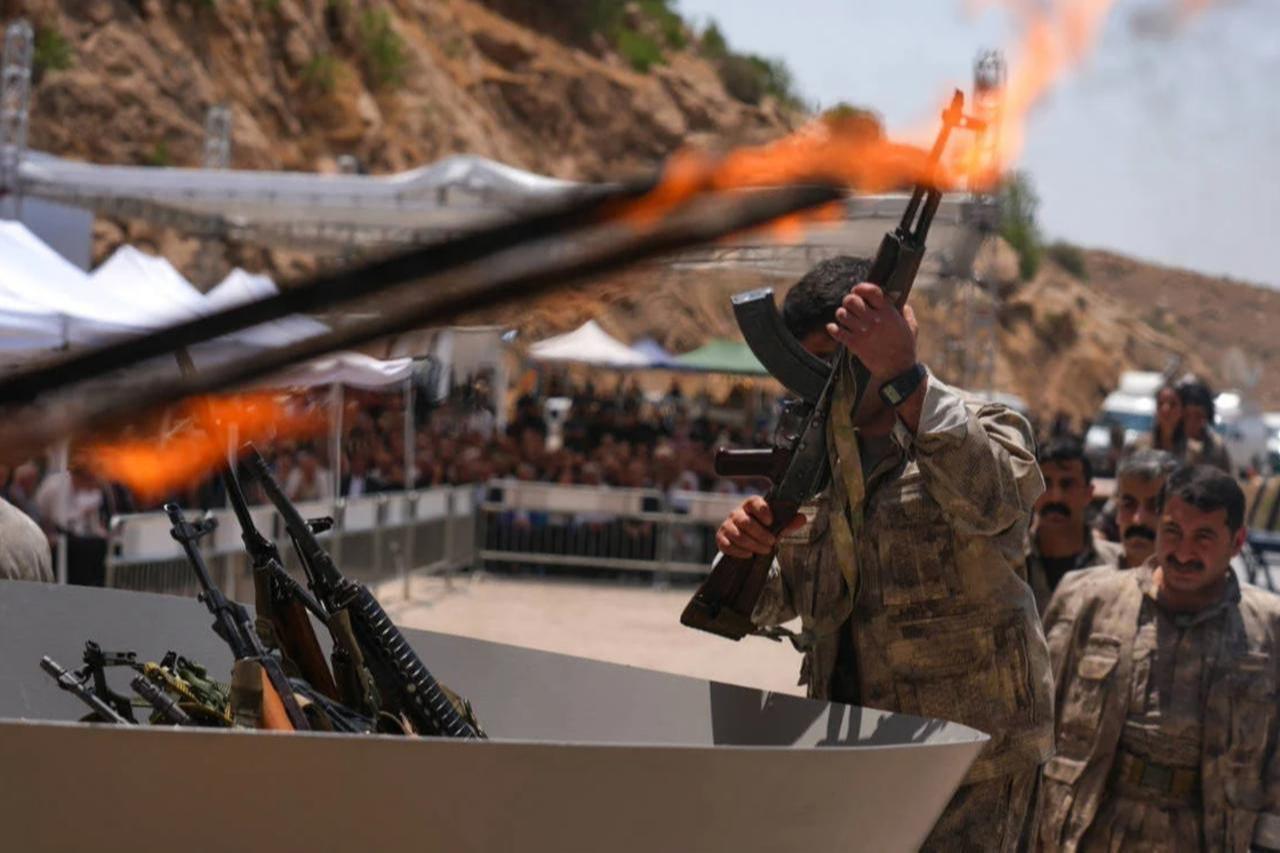
On July 11, 2025, a group of 30 PKK members destroyed their weapons in Iraq's Sulaymaniyah province, marking the first public disarmament ceremony under the initiative.
The legislation adopted in August provides a conditional framework for subsequent legal measures.
Certain investigations, prosecutions and sentences may be suspended only after Turkish security institutions verify that the PKK/KCK and affiliated structures have ended their activities and surrendered their weapons, followed by formal confirmation through the National Security Council.
The new parliamentary commission is expected to provide legislative oversight as the initiative moves toward the verification and implementation stages.


 Set as preferred source
 Set as preferred source


 2 min read
 1 min read