Newsletters


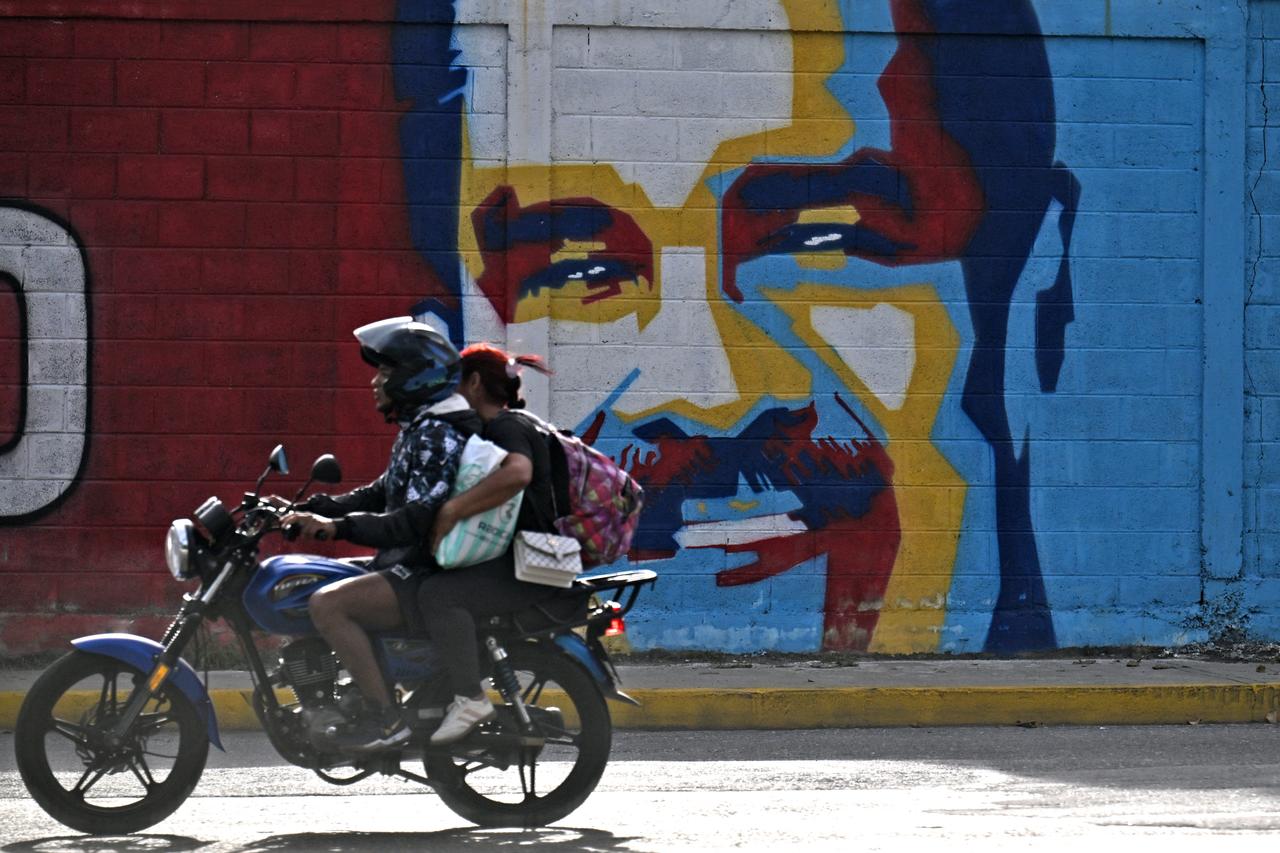


Türkiye urged all parties to exercise restraint following dramatic overnight US military strikes on Venezuela that resulted in the capture of President Nicolas Maduro, as international reactions ranged from condemnation to cautious calls for respect of international law.
The Turkish Foreign Ministry issued a statement Saturday saying it was closely monitoring recent developments in Venezuela and calling on all sides to act with restraint to prevent the situation from producing negative consequences for regional and international security.
"Türkiye attaches importance to Venezuela's stability and the peace and well-being of the Venezuelan people," the ministry said in its statement. "We are ready to provide any constructive contribution toward resolving the Venezuelan crisis within the framework of international law."
The ministry added that Türkiye's embassy in Caracas was maintaining uninterrupted communication and necessary coordination with Turkish citizens in the country.
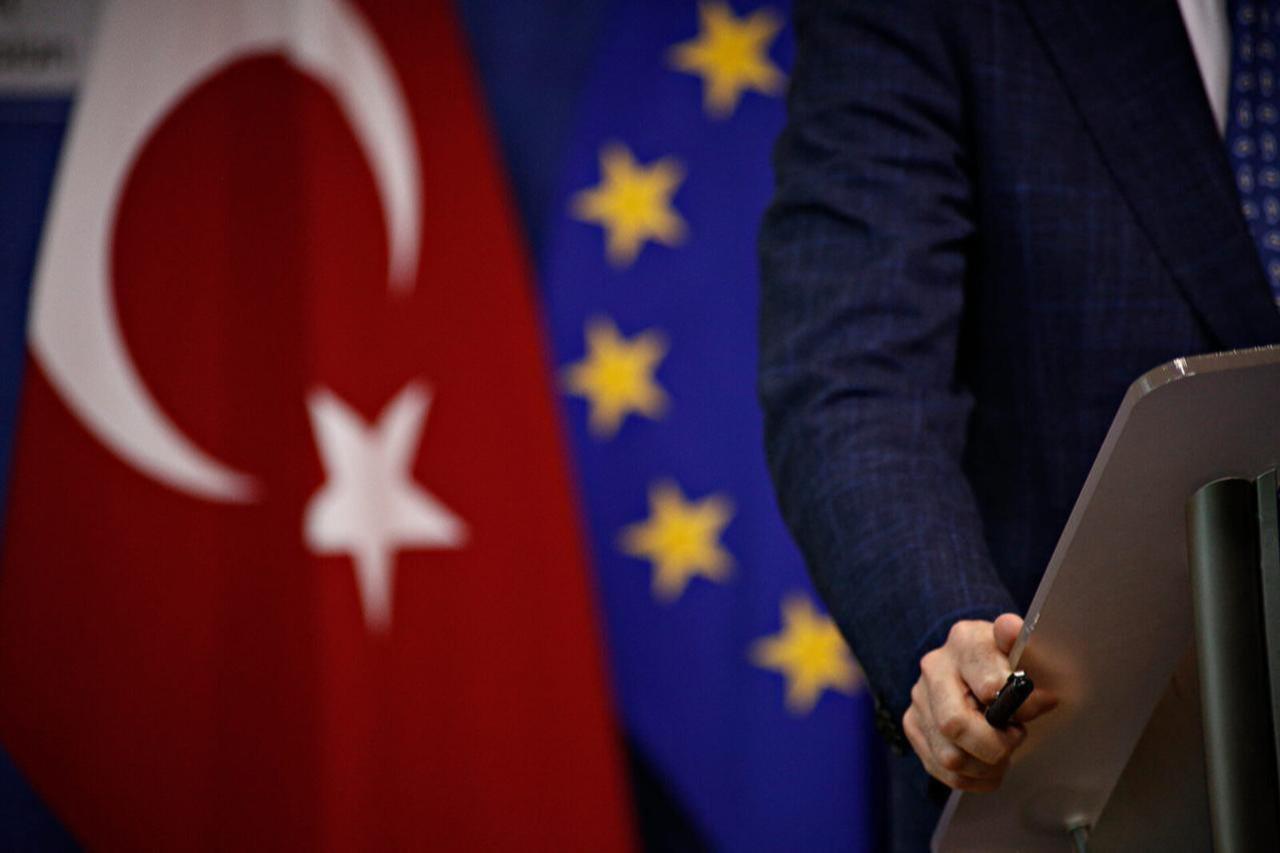

The European Union echoed calls for restraint hours after U.S. President Donald Trump announced American forces had captured Maduro in large-scale strikes on Caracas and other Venezuelan cities.
Kaja Kallas, the EU's top diplomat, said she had spoken with US Secretary of State Marco Rubio following the operation but stressed that international legal principles must be respected regardless of the circumstances.
"The EU has repeatedly stated that (Mr.) Maduro lacks legitimacy and has defended a peaceful transition" in Venezuela. Kallas wrote on X. "Under all circumstances, the principles of international law and the U.N. Charter must be respected. We call for restraint."
Kallas said the bloc was closely monitoring the fast-moving situation and had made the safety of EU citizens its top priority. She confirmed speaking with the EU's envoy to Venezuela about the developing crisis.
The 27-nation bloc has not recognized the results of Venezuela's disputed 2024 election that handed Maduro a third term and has imposed sanctions on dozens of Venezuelan officials for undermining democracy.
However, the EU has stopped short of formally recognizing opposition candidate Edmundo Gonzalez Urrutia as Venezuela's rightful leader, as the United States has done.
Gonzalez Urrutia ran as a last-minute substitute for opposition figurehead Maria Corina Machado, who was barred from contesting last year's election. After the vote, Gonzalez Urrutia fled to Madrid, which offered on Saturday to act as mediator following Maduro's capture.
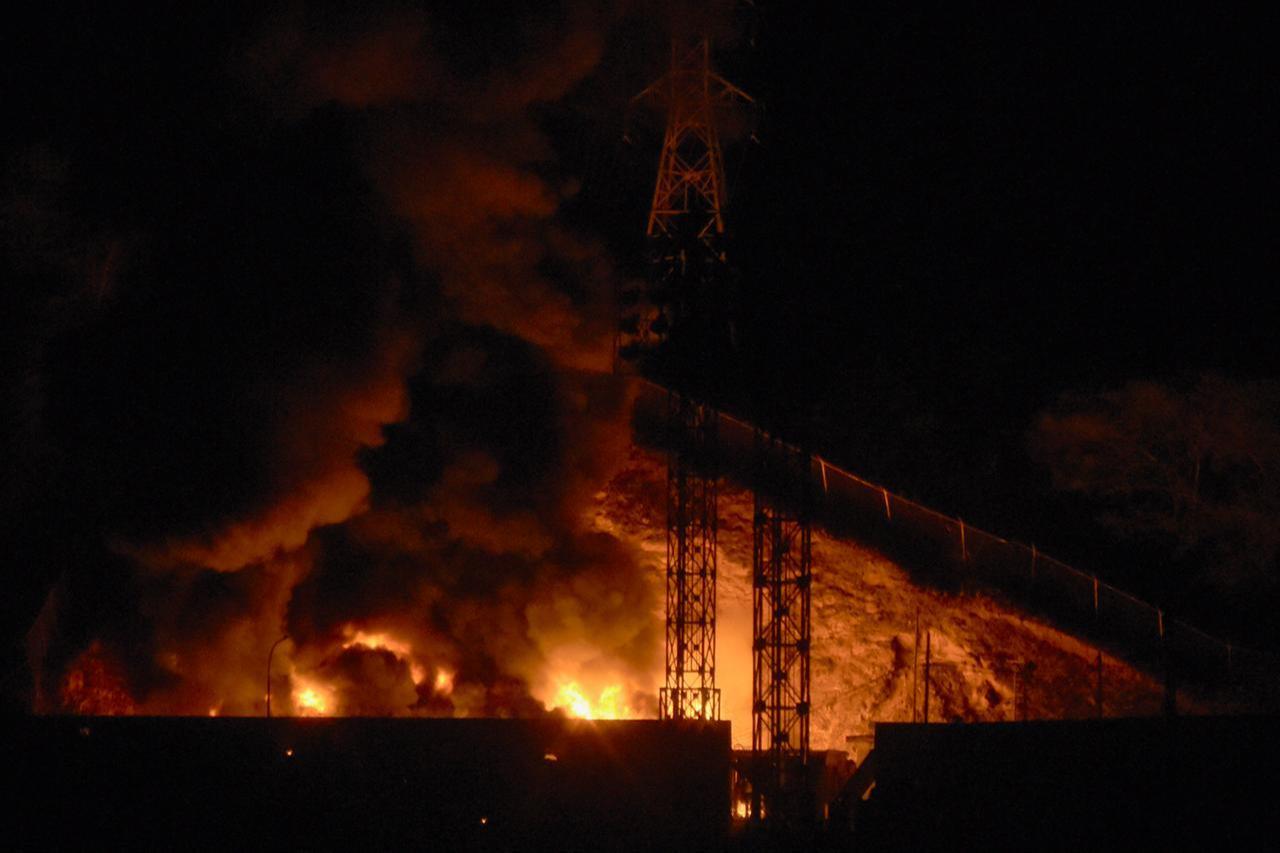
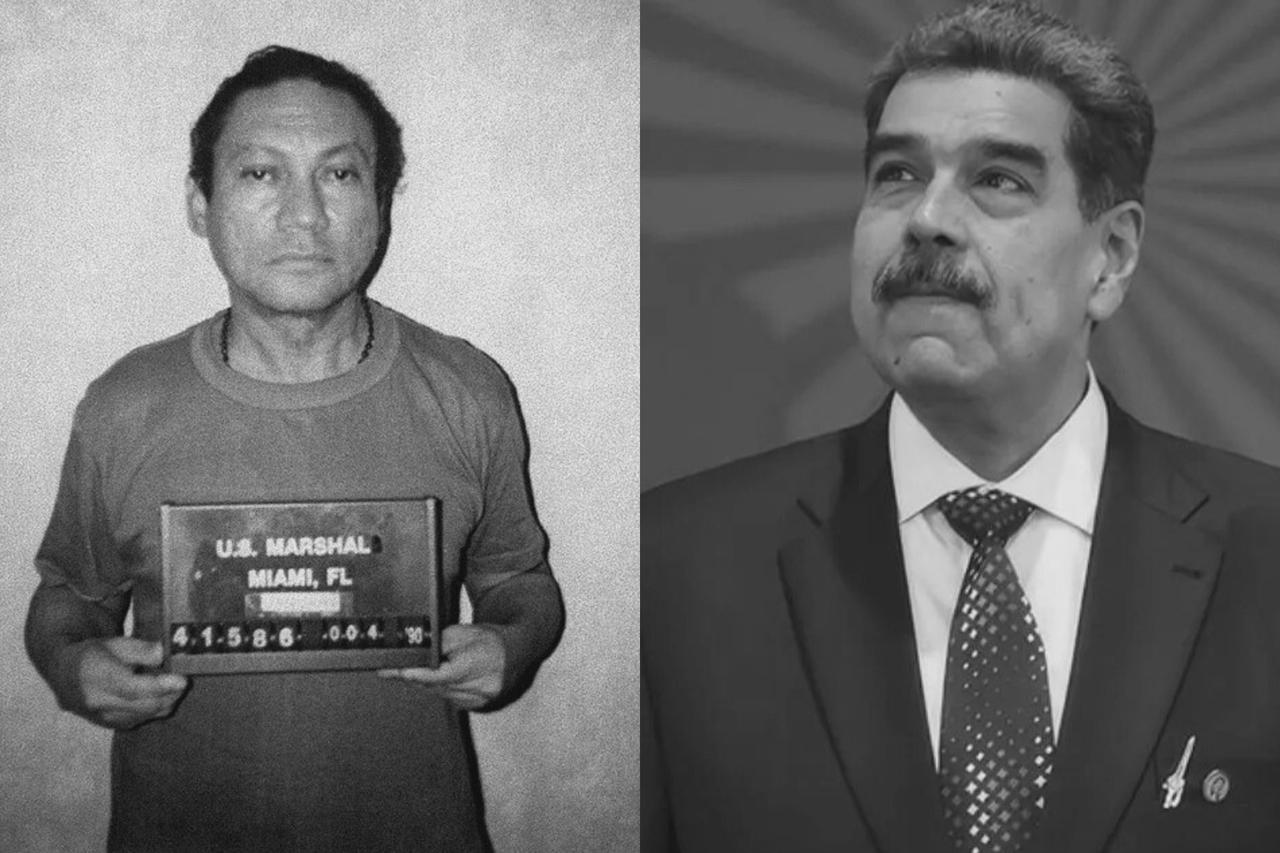
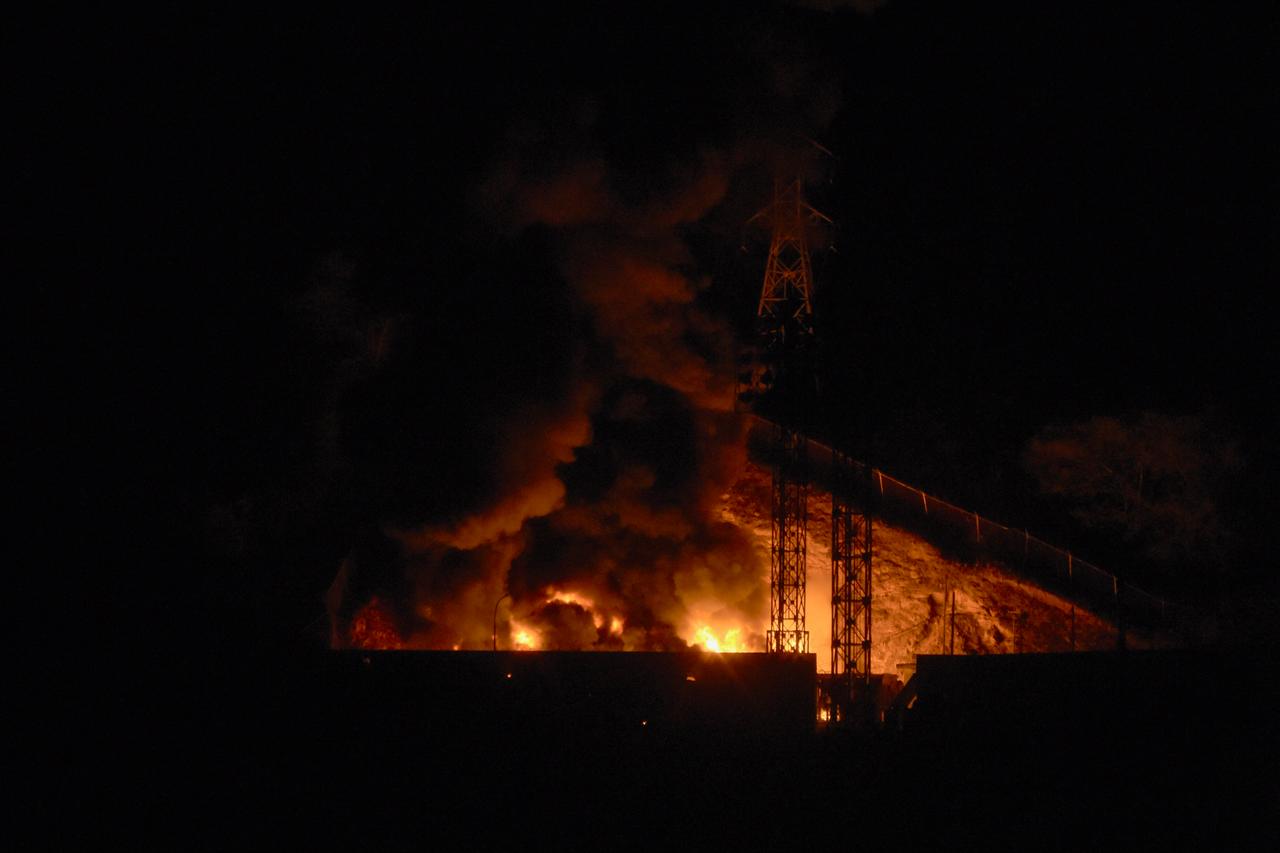
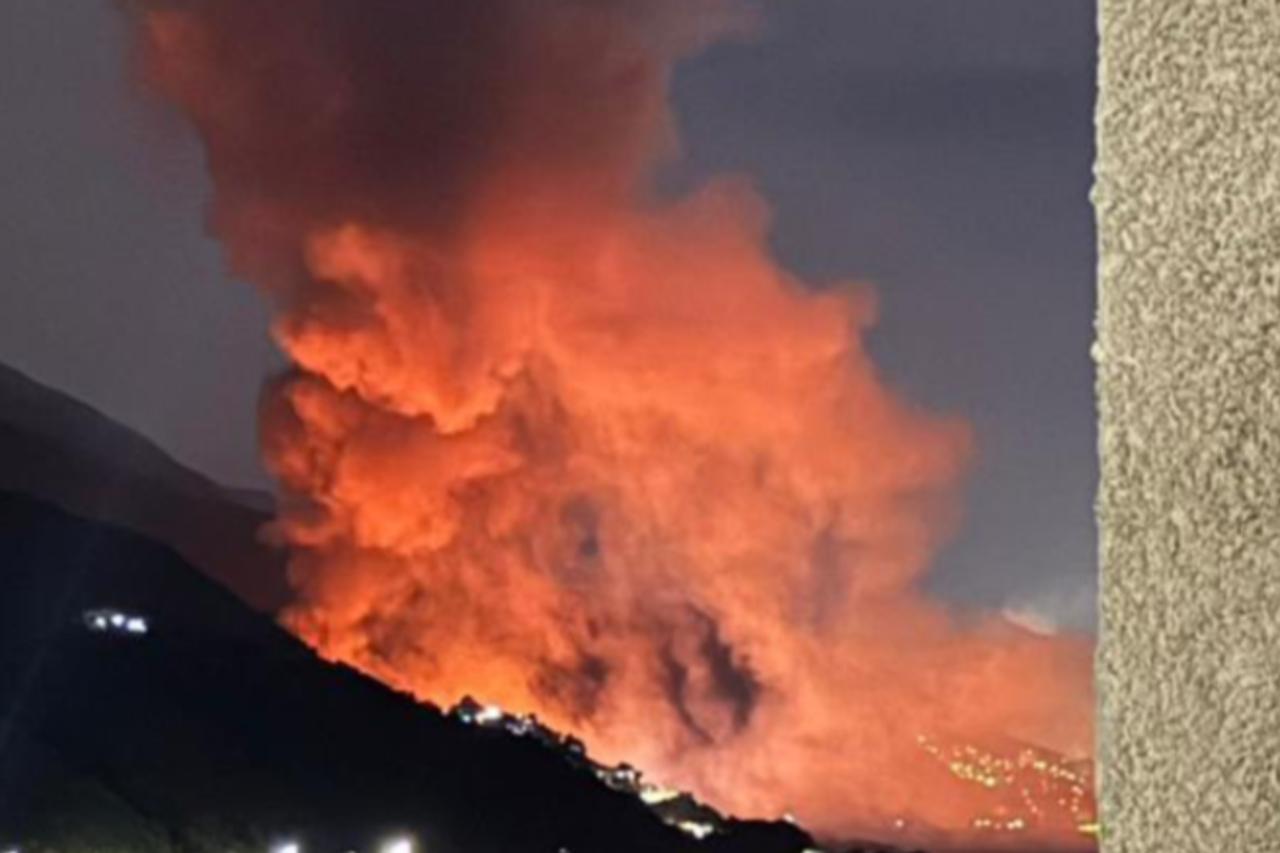
Trump announced Saturday that US forces had successfully captured Maduro and his wife following bombing strikes that began around 2:00 am local time and targeted major military installations, including Fort Tiuna, Venezuela's largest military complex, and Carlota airbase.
"The United States of America has successfully carried out a large-scale strike against Venezuela and its leader, President Nicolas Maduro, who has been, along with his wife, captured and flown out of the Country," Trump wrote on Truth Social approximately two hours after the attacks began.
US Attorney General Pamela Bondi said Maduro and his wife would face "the full wrath of American justice on American soil in American courts" over drug and terrorism charges.
The Venezuelan government accused the United States of "extremely serious military aggression" and called for an emergency U.N. Security Council meeting. Vice President Delcy Rodriguez, speaking to Venezuelan television by telephone, said she did not know the whereabouts of Maduro and his wife, Cilia Flores, and demanded Washington provide "proof of life" for the country's leader of the past 12 years.
The strikes, which continued for nearly an hour according to journalists on the ground, also hit La Guaira, north of the capital, where Caracas' airport and port are located. No immediate casualty figures were available.
 1 min read
Russia, a leading Venezuelan ally, condemned what it called "armed aggression" and demanded immediate clarity about Maduro's fate. Iran, Cuba and Colombian President Gustavo Petro also condemned the attacks, with Petro announcing he was deploying troops to the border with Venezuela.
Spain offered to mediate in the crisis in an attempt to broker a negotiated and peaceful solution.
The Trump administration has accused Maduro of heading a drug cartel, claims Venezuela has dismissed as a pretext for regime change driven by US interest in Venezuela's oil reserves, the largest known on Earth.
As part of an escalating pressure campaign, Washington informally closed Venezuela's airspace, imposed additional sanctions and ordered the seizure of tankers loaded with Venezuelan oil.
U.S. forces have carried out numerous strikes on boats in the Caribbean Sea and eastern Pacific Ocean since September, targeting what Washington describes as drug smugglers, killing at least 107 people according to US military figures.


 Set as preferred source
 Set as preferred source


 1 min read