Newsletters


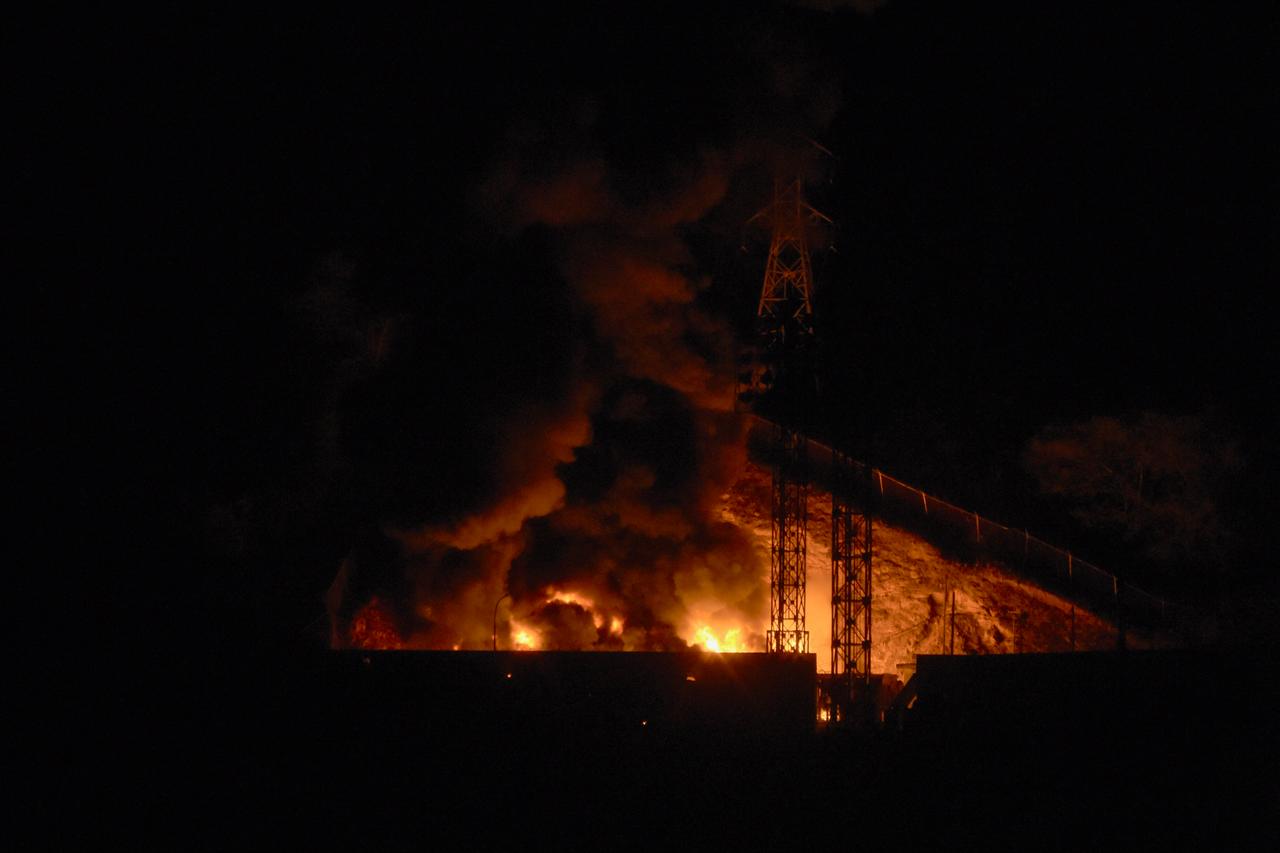


Venezuela's government accused the United States of launching military strikes on multiple locations across the country early Saturday and called for the population to take to the streets in response, as President Nicolas Maduro declared a nationwide state of emergency.
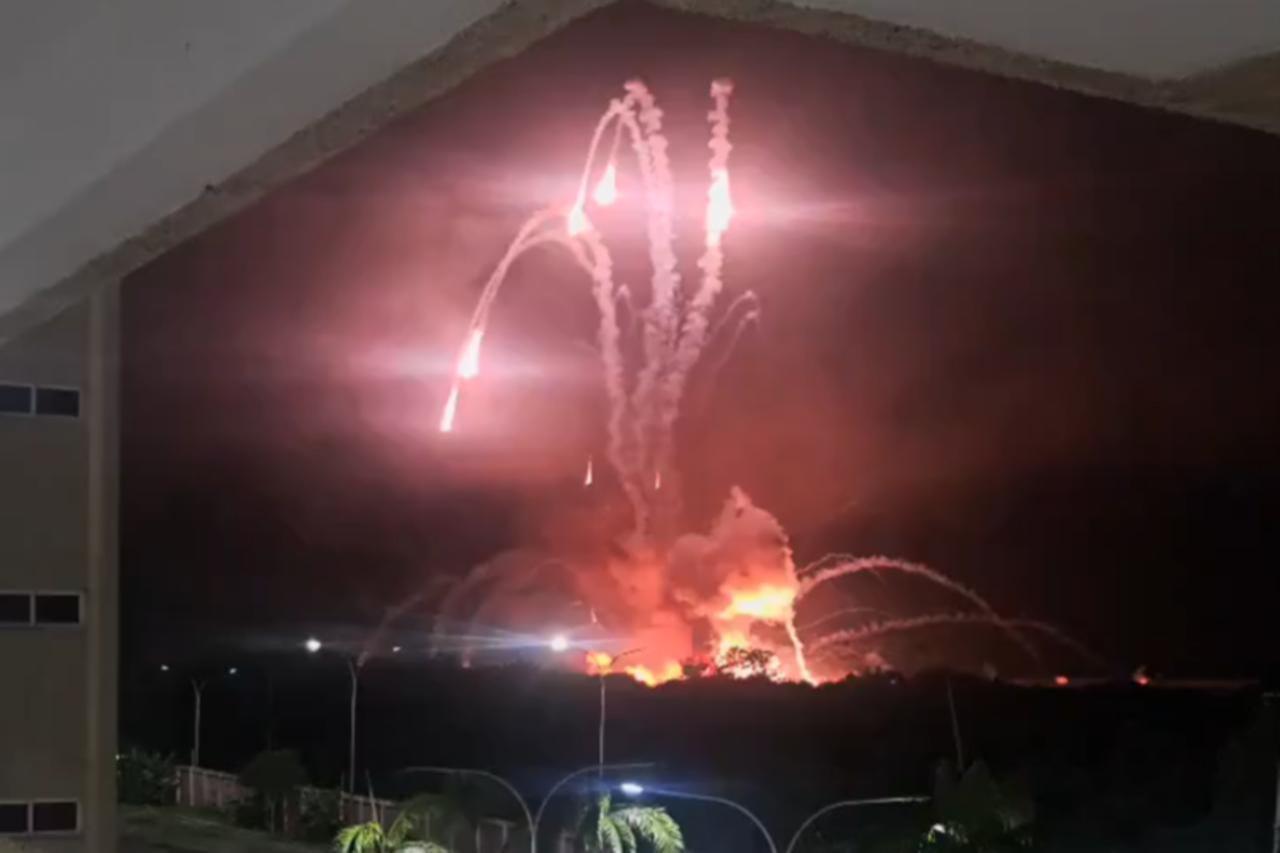
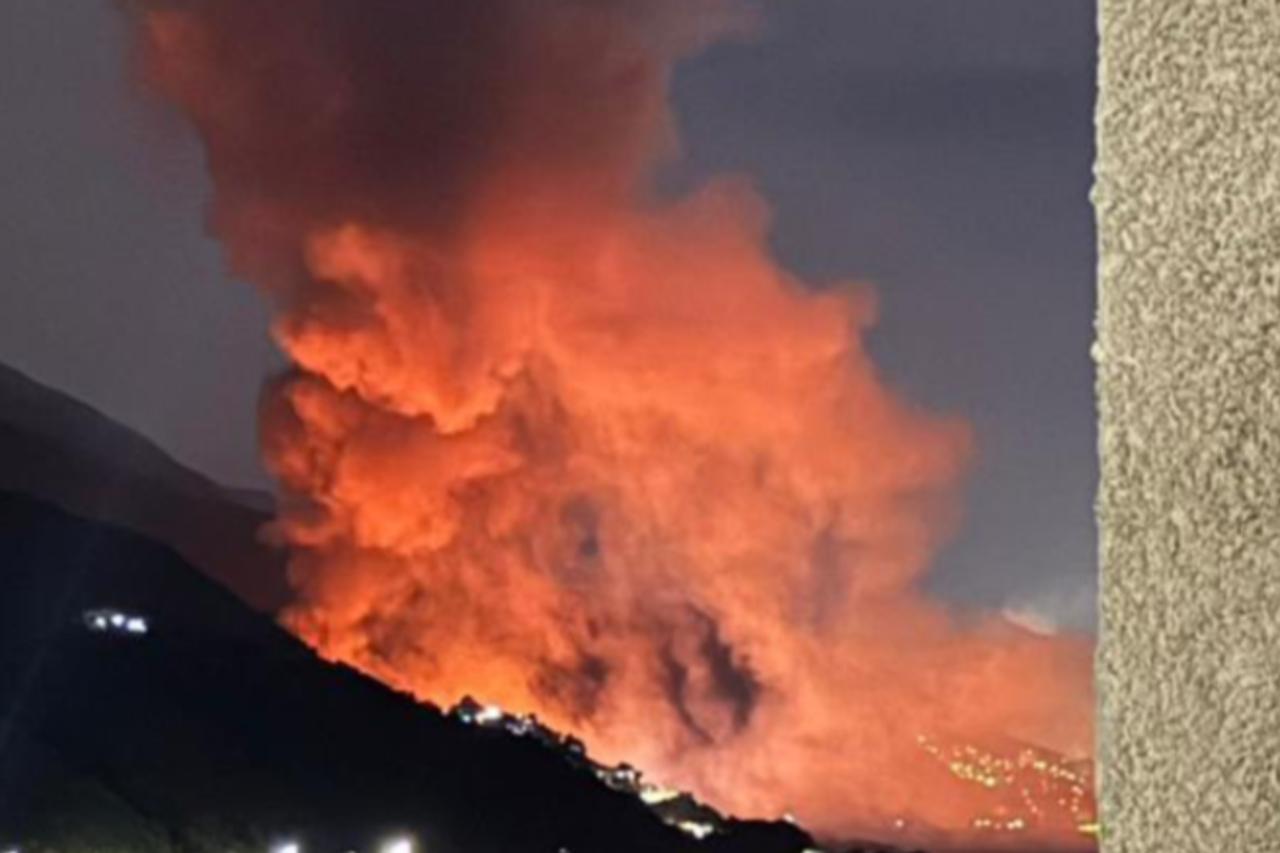
The Venezuelan government said attacks struck civilian and military installations in Caracas and the states of Miranda, Aragua, and La Guaira around 2:00 AM local time. Eyewitnesses reported explosions, low-flying aircraft, and plumes of smoke rising from key military sites including Fort Tiuna, the country's largest military complex, and La Carlota Air Base in the heart of the capital.
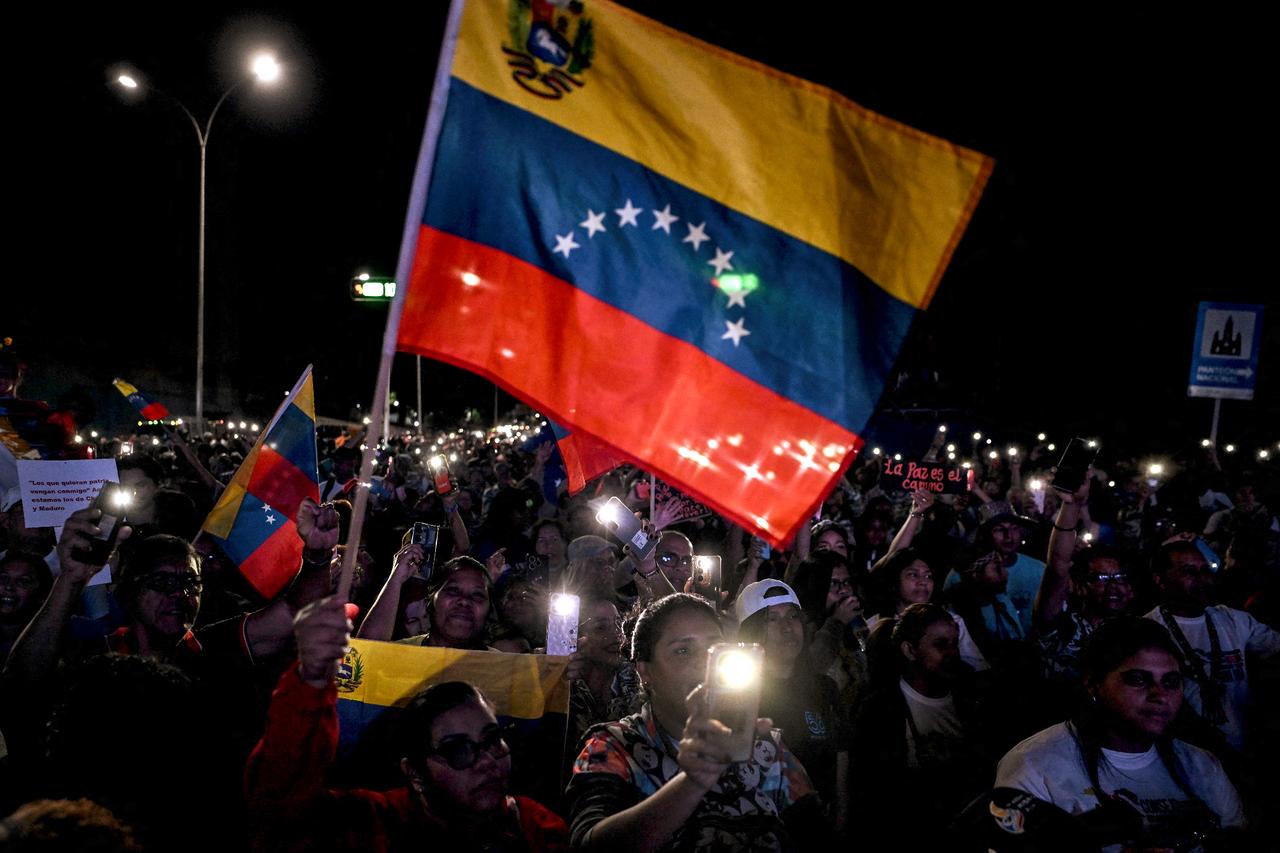
"People to the streets," the government said in a statement. "The Bolivarian Government calls on all social and political forces in the country to activate mobilization plans and repudiate this imperialist attack."
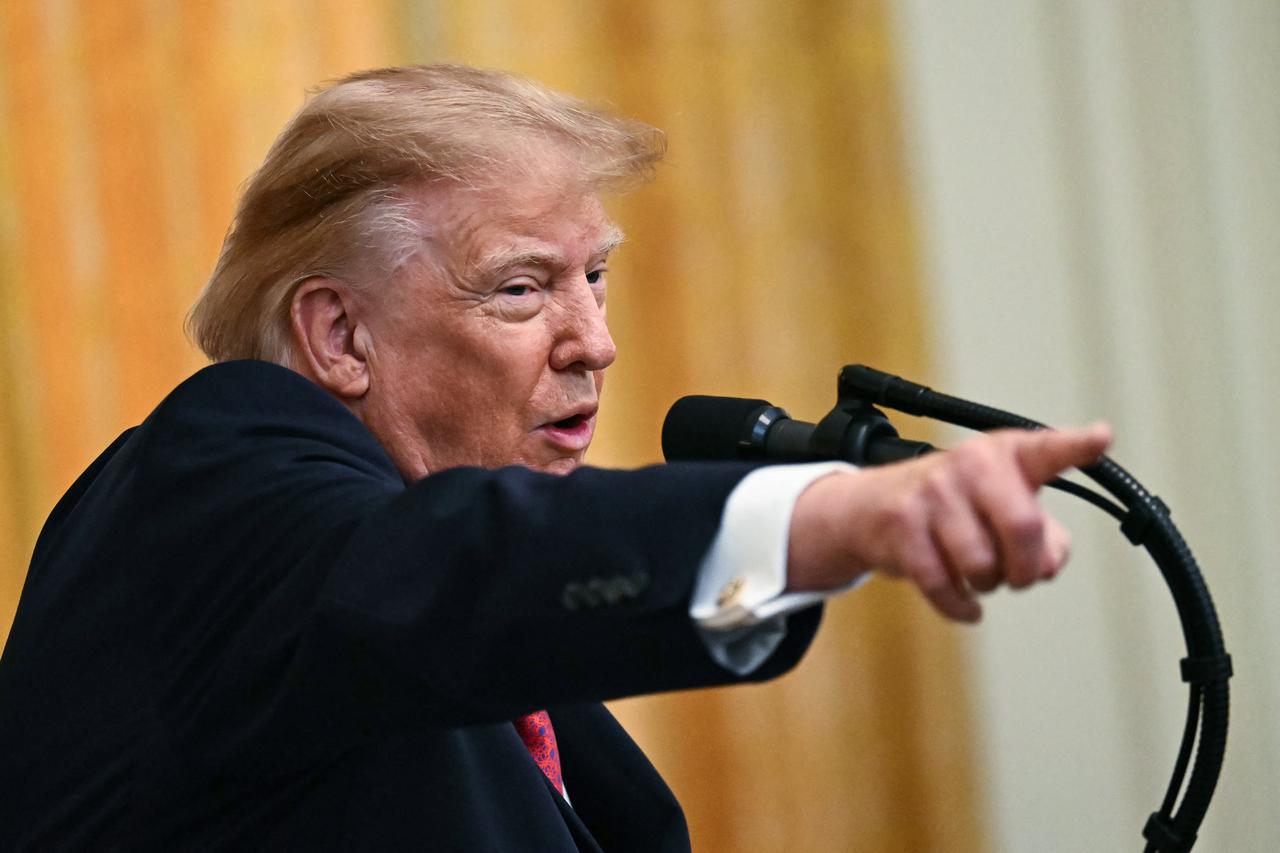
The United States has not commented on the Strikes. President Donald Trump was at his Mar-a-Lago residence in Florida on Friday evening, where he received a national security briefing, according to the White House.
Maduro signed a decree declaring a "state of External Disturbance" throughout Venezuelan territory and ordered the implementation of all national defense plans. The government said the president directed the immediate deployment of the Command for Comprehensive Defense of the Nation across all states and municipalities.
"The people of Venezuela and their Bolivarian National Armed Forces, in perfect popular-military-police unity, are deployed to guarantee sovereignty and peace," the government statement said.
Witnesses reported particularly heavy and sustained explosions at Fort Tiuna, a sprawling military base in central Caracas that houses Venezuela's top military brass and many senior government officials. The location of Maduro himself remained unclear in the immediate aftermath of the reported strikes, though sources indicated that at least some members of his inner circle appeared safe.
Residents across multiple neighborhoods rushed into the streets following the blasts. "The whole ground shook. This is horrible. We heard explosions and planes in the distance," said Carmen Hidalgo, a 21-year-old office worker.
In a lengthy statement, Venezuela's government characterized the strikes as a "flagrant violation" of the United Nations Charter and accused the United States of attempting to seize control of the country's oil and mineral resources.
"The only objective of this attack is to seize control of Venezuela's strategic resources, in particular its oil and minerals," the government said, adding that the action "threatens international peace and stability, specifically in Latin America and the Caribbean, and places the lives of millions of people at grave risk."
The statement invoked Article 51 of the UN Charter, reserving Venezuela's right to exercise legitimate self-defense. The government also announced plans to file complaints with the UN Security Council, the organization's Secretary-General, the Community of Latin American and Caribbean States, and the Non-Aligned Movement.
Venezuela framed the attacks as part of an attempt to impose "regime change" in alliance with what it called the "fascist oligarchy," vowing that such efforts would fail. "Since 1811, Venezuela has confronted and defeated empires," the statement said, referencing the country's independence struggle.

Colombian President Gustavo Petro said his government was monitoring developments in Venezuela with "deep concern" and called for immediate de-escalation. In a statement posted on social media, Petro wrote that Colombia remained committed to UN Charter principles, including "respect for the sovereignty and territorial integrity of states."
"The Colombian government rejects any unilateral military action that could aggravate the situation or put the civilian population at risk," Petro said, urging all parties to prioritize dialogue and diplomatic channels. He called for an immediate emergency session of the U.N. Security Council, noting that Colombia recently became a council member.
Cuban President Miguel Diaz-Canel condemned what he described as a "criminal attack" by the United States. "Cuba denounces and urgently demands the reaction of the international community against the criminal attack by the US on Venezuela," Diaz-Canel wrote on social media. "Our zone of peace is being brutally assaulted."
The Federal Aviation Administration barred American commercial airlines from operating in Venezuelan airspace, citing safety risks "associated with ongoing military activity." The restriction is effective for 23 hours starting at 2:00 a.m. Saturday Venezuelan time, did not specify which military forces were involved.
The ban applies to all altitudes over Venezuela and comes as the latest measure in escalating tensions between Washington and Caracas.

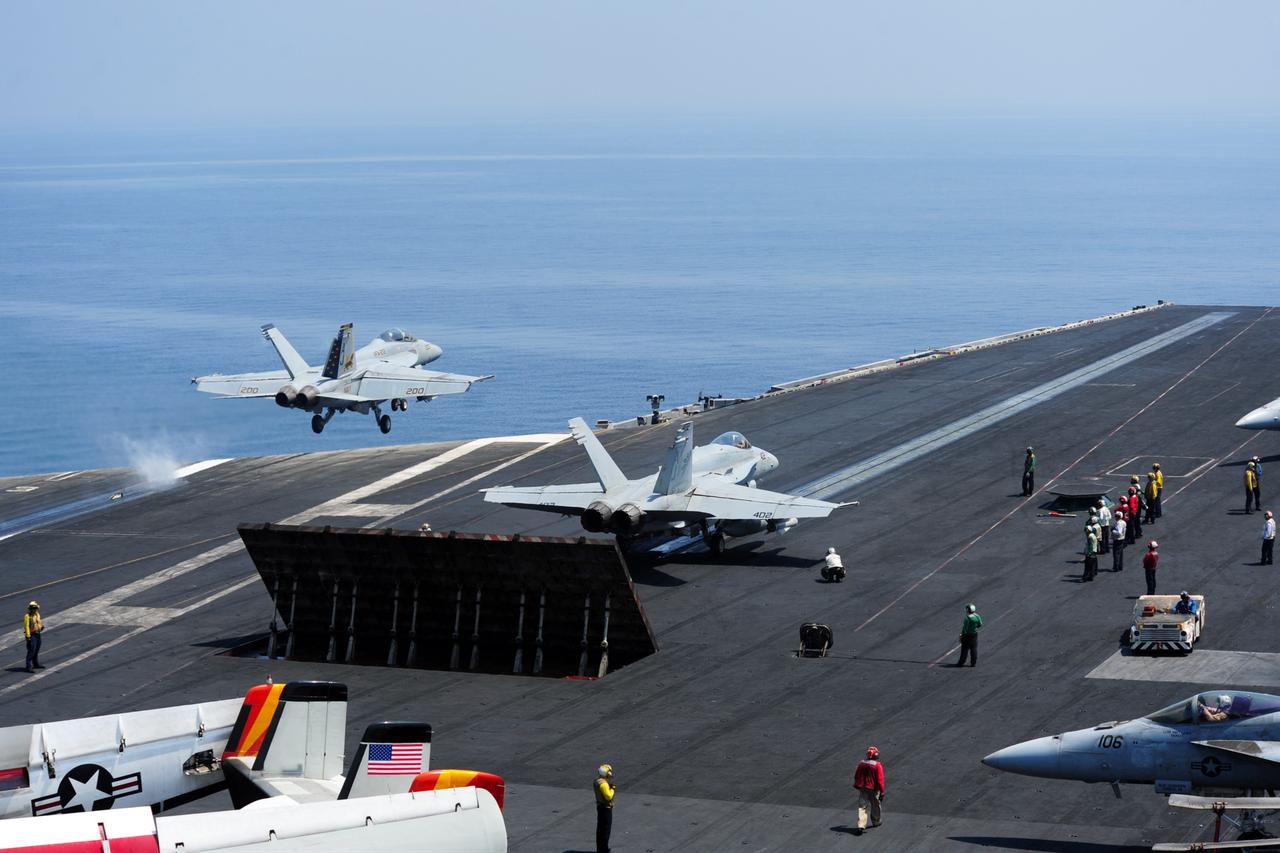
The strikes follow a five-month pressure campaign by the Trump administration against Maduro's government. Since August, the United States has ordered a massive military buildup off Venezuela's northern coast and conducted airstrikes on what it described as drug smuggling vessels in the Caribbean Sea and eastern Pacific Ocean.
On Monday, Trump said the United States struck and destroyed a docking area for Venezuelan drug boats, though he declined to specify whether it was a military or CIA operation. The attack would mark the first known land strike on Venezuelan soil by U.S. forces.
The Trump administration has accused Maduro of heading a drug cartel and designated his government as a foreign terrorist organization. Washington has also announced a blockade and imposed additional sanctions on Venezuela.
Maduro has denied involvement in drug trafficking and accused the United States of seeking to overthrow his government to gain control of Venezuela's vast oil reserves. The country holds the largest known petroleum reserves on Earth.
The United States is among numerous countries that declined to recognize Maduro's victory in Venezuela's contested 2024 election, citing concerns over democratic governance and human rights under his authoritarian rule.


 Set as preferred source
 Set as preferred source


 1 min read
 1 min read