Newsletters


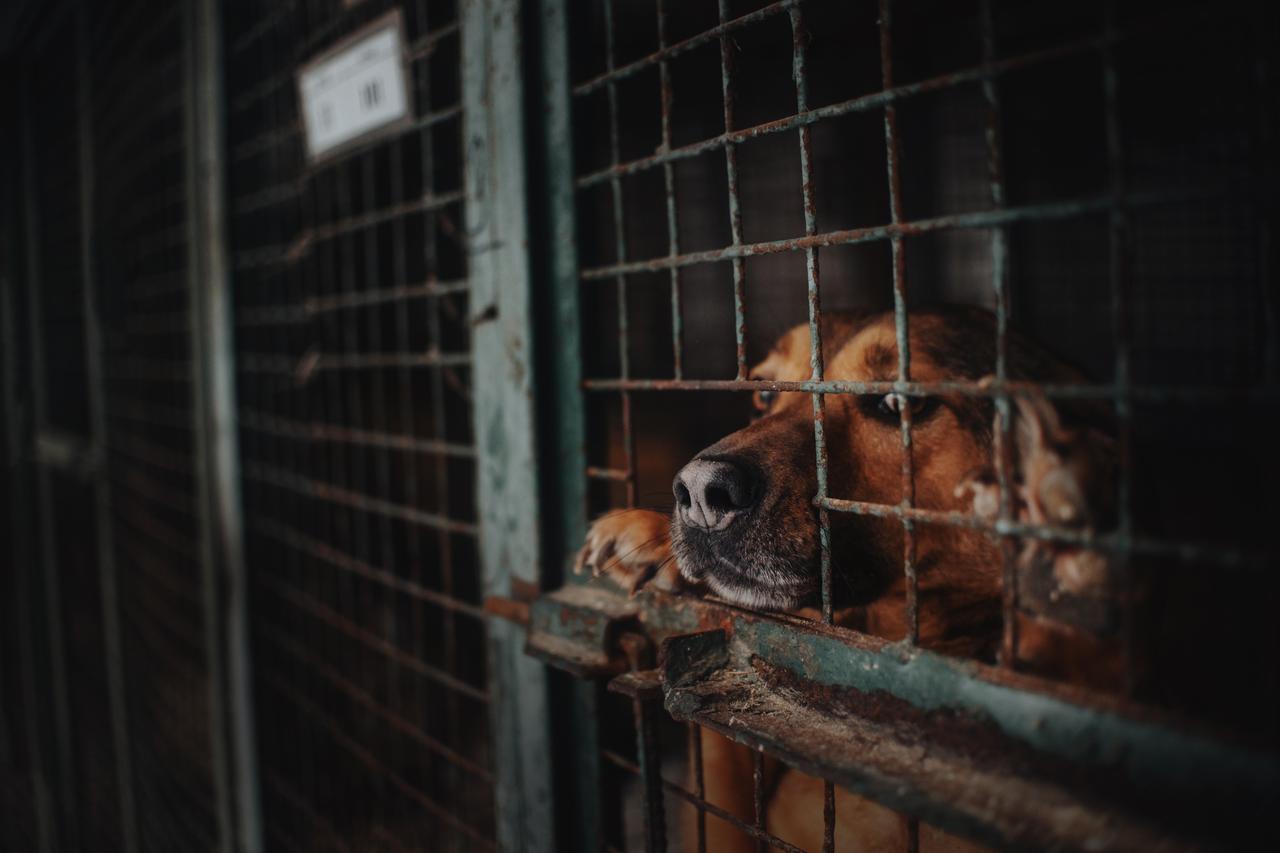


Interior Minister Mustafa Ciftci said the collection of stray animals across Türkiye is complete, with the last animal taken to a shelter on Oct. 21 in Diyarbakir, a city in the country’s southeast.
Ciftci made the remarks during a live broadcast by Lider Haber, where he spoke about the work carried out on stray animals. He said the work began in the 51 provinces that do not have metropolitan status. From August, he said, the same process also started in the 30 metropolitan provinces.
According to Ciftci, shelters and “natural living areas” were created in these provinces. He said stray animals were collected, treated and neutered, and adoption processes were carried out.
Ciftci said the process was completed in Türkiye on Oct. 21, 2026, when the last stray animal was taken to a shelter in Diyarbakir. He said: “As of this Wednesday, we have reached the targeted number across Türkiye. We have collected them 100 percent and taken the stray animals into shelters or natural living areas.”
He added that animals in these areas are fed and vaccinated, and that adoption is available to those who request it.


In April, Ciftci said in remarks broadcast by state-run TRT Haber that about 75% of stray dogs had been taken to shelters or natural living areas. He said the policy aimed to improve public safety and move dogs from the streets into municipal care.
He cited a case in Erzurum, a province in eastern Türkiye, where he said a child was seriously injured by stray dogs last year. He also said food waste collected under the Zero Waste Project was being processed into animal feed for shelters.

Parliament passed Law No. 7527, an amendment to the Animal Protection Law, on July 30, 2024. The law requires municipalities to collect stray dogs, take them to shelters and keep them there until they are adopted. The law ended the catch-neuter-release method. Dogs judged dangerous, terminally ill or unfit for adoption may be euthanized under the Veterinary Services Law. The law was published in the Official Gazette on Aug. 2, 2024.
Opponents, including animal rights groups, called it a “massacre law.” The main opposition Republican People’s Party (CHP) petitioned the Constitutional Court in August 2024 to annul most of its provisions, and the court rejected the challenge in May 2025, leaving the law in force.


 Set as preferred source
 Set as preferred source


 2 min read