Newsletters


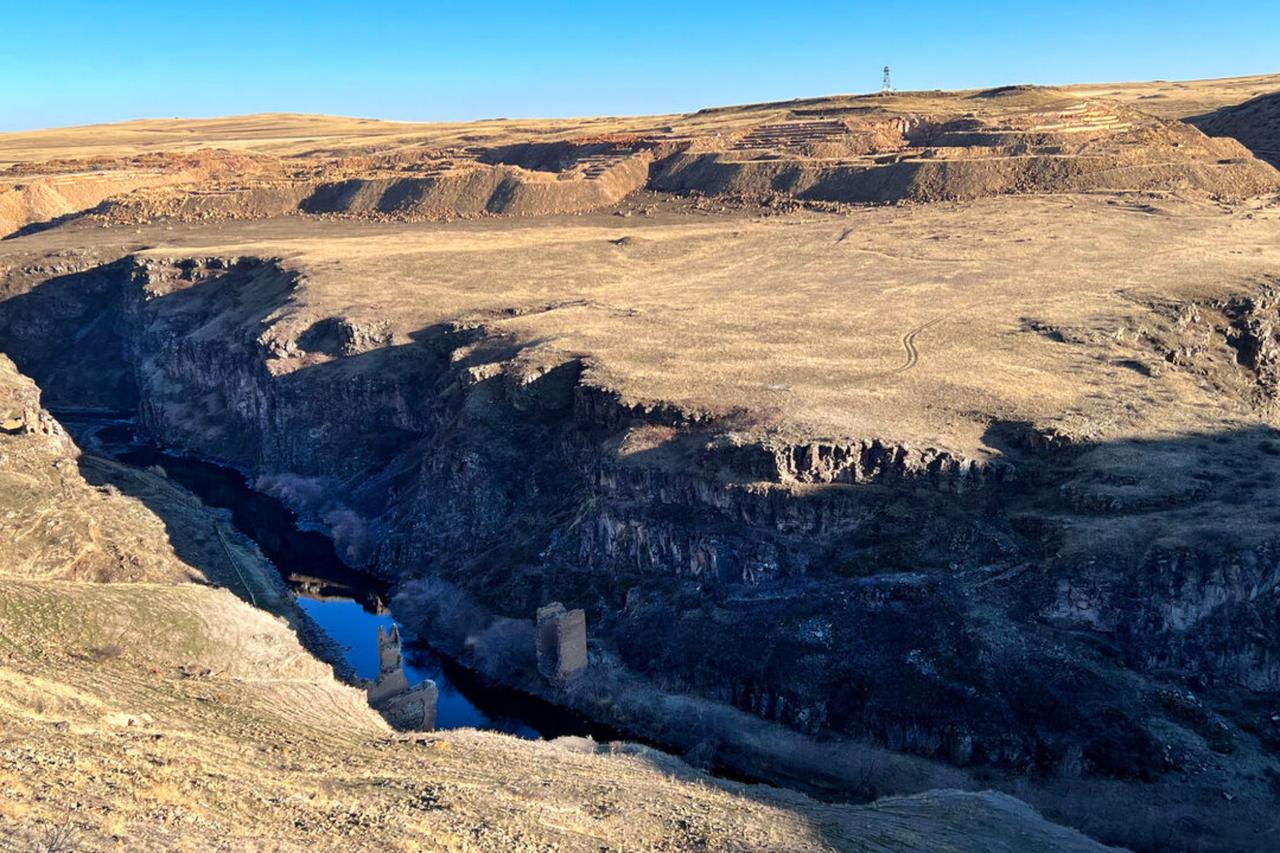


Türkiye has completed the tender process to rebuild the historic Ani Bridge on its border with Armenia after signing the contract on Sept. 28, Transport and Infrastructure Minister Abdulkadir Uraloglu said in a written statement.
The 10th-century Silk Road bridge, of which only pier remains survive, will be reconstructed under a joint Türkiye-Armenia commission, Uraloglu said, in one of the most visible steps of the two countries' normalization process.
"By signing the contract on Sept. 28, we completed the tender process for the reconstruction of the historic Ani Bridge on the Türkiye-Armenia border," Uraloglu said.
"With the reconstruction of the historic bridge, we aim to preserve one of the important cultural heritages of the Silk Road and pass it on to future generations," he added.
The General Directorate of Highways (KGM) held the tender for the restoration work on Sept. 16, Uraloglu said.
The protocol setting out the scope and method of the reconstruction was signed in Yerevan on May 4, he said.
"In line with the protocol signed at the meeting also attended by our Vice President Mr. Cevdet Yilmaz, the restoration process will be carried out by a joint commission that includes our ministry and our General Directorate of Highways (KGM)," Uraloglu said.
Türkiye's Special Envoy Serdar Kilic and Armenia's then-envoy Ruben Rubinyan signed the protocol on the sidelines of the European Political Community summit, as Yilmaz and Armenian Prime Minister Nikol Pashinyan looked on.
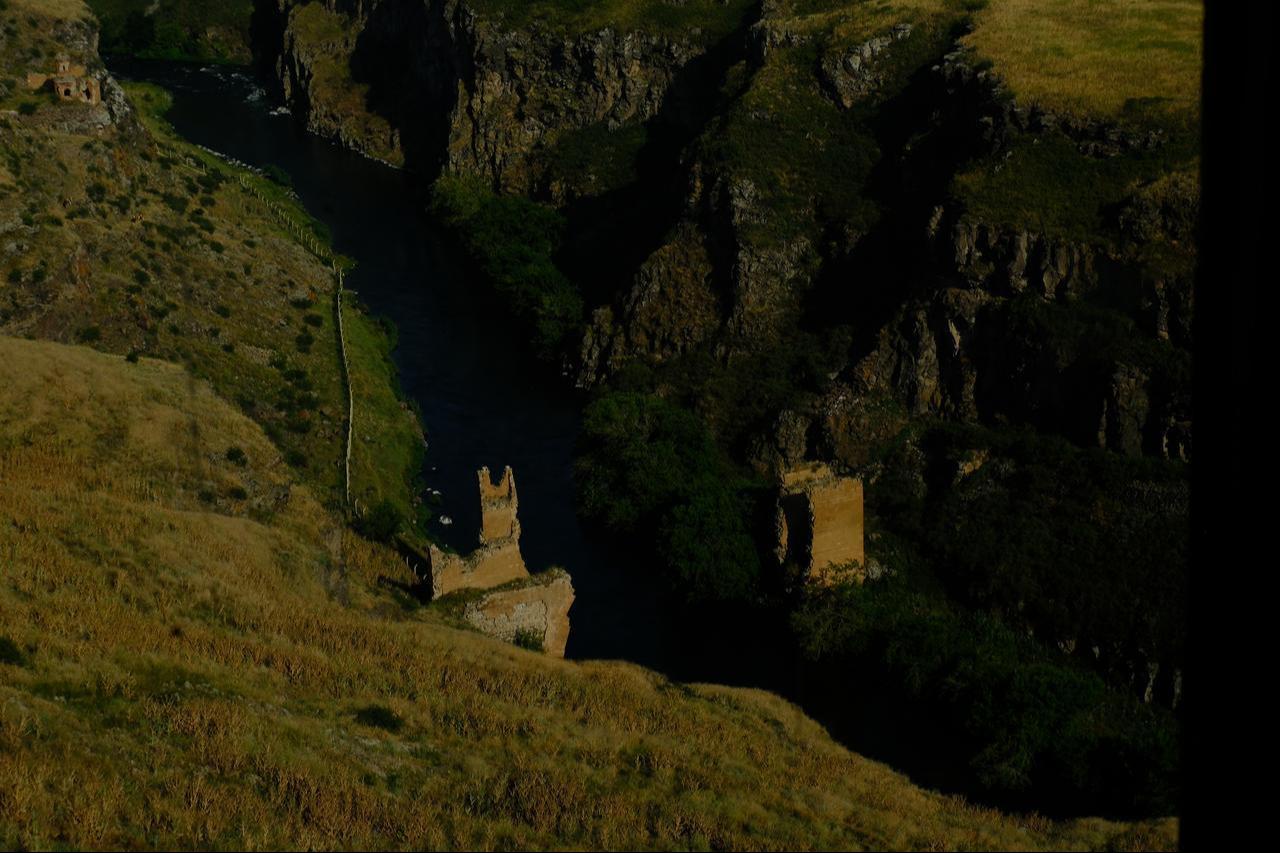

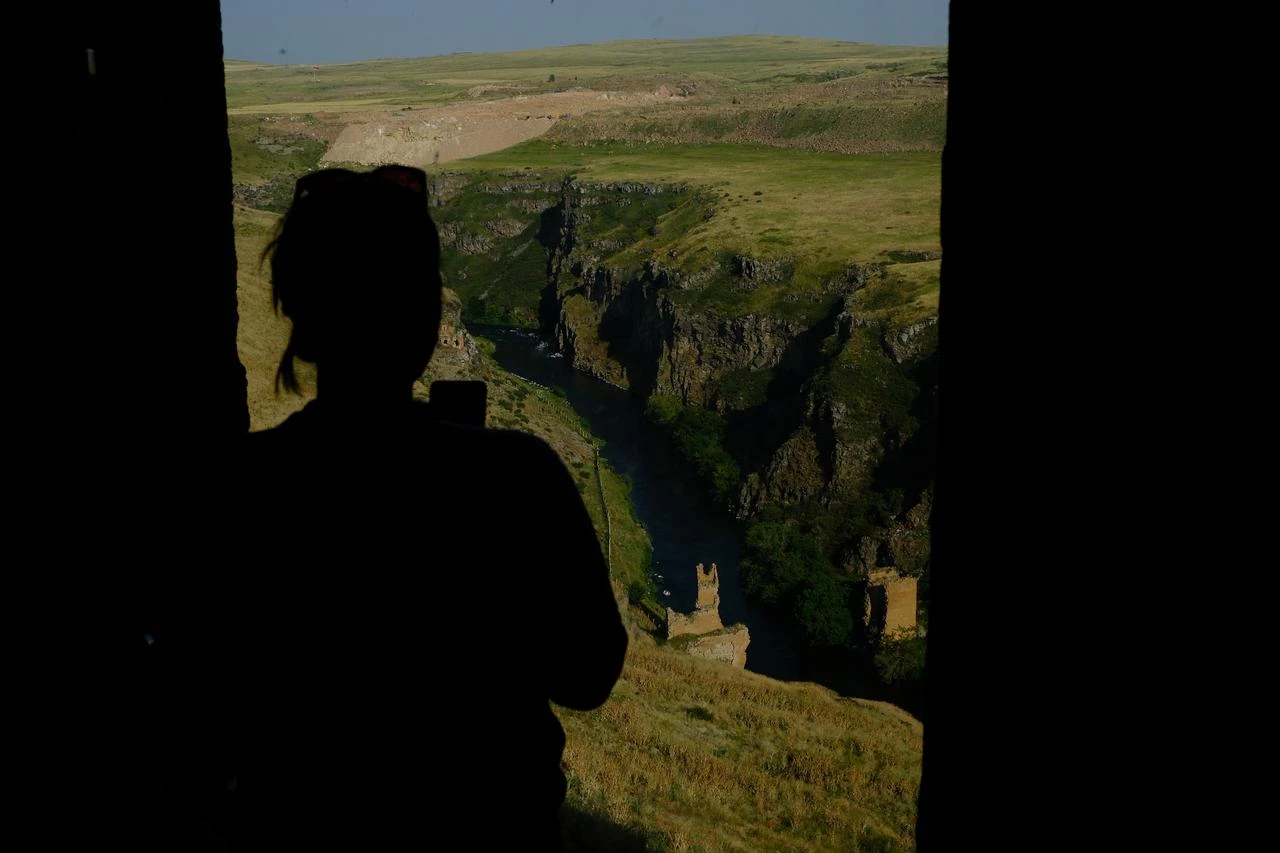
The bridge stands in Ani, one of the Middle Ages' major trade centers, inside the Ani archaeological site in Kars province, Uraloglu said. Built as a customs gate on the Silk Road, it was for centuries a key crossing point for trade between East and West.
The original structure was 80 meters long and 8 meters wide, located at the narrowest point of the Arpacay River, where the riverbed narrows to 36 meters, he said. Its circular arch, with a 31-meter span, collapsed on Oct. 16, 1807.
The Ani archaeological site, including the bridge, was added to the UNESCO World Heritage List in 2016 with 21 cultural assets, Uraloglu noted.
 2 min read
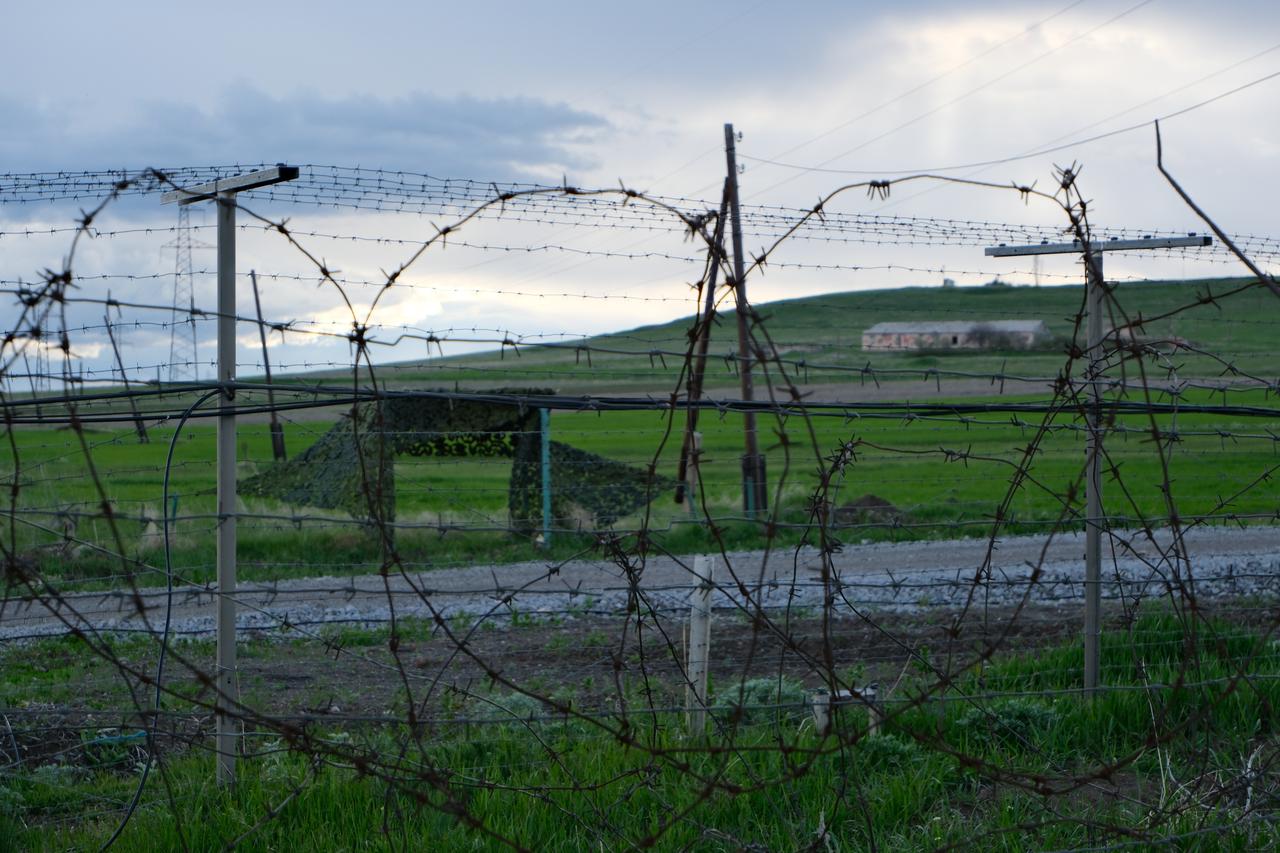
The Türkiye-Armenia border has been closed since 1993. The two countries launched a normalization process in 2022.
Pashinyan said Armenia continues to work with Azerbaijan and Türkiye to open the border, Armenian news agency Armenpress reported.
"Azerbaijan has certain reservations on that issue; today the processes are at that point. But we continue to work with both Azerbaijan and Türkiye so that we can reach certain solutions," Pashinyan told reporters.
Armenian Foreign Minister Ararat Mirzoyan, asked whether possible tensions between Ankara and Baku could help open the border, said, "That’s not what we want to play on, and we don’t build our policy on that."
"We have a fairly positive, dynamic dialogue with Türkiye as well; we already have steps. Full border opening, you’ll say, isn’t there, I’ll agree. But there are things that didn’t exist a year ago, two years ago. For example, direct trade in the customs sense," Mirzoyan said.
Rubinyan stepped down as Armenia’s envoy after being elected parliament speaker on Aug. 3, and Armenia has not yet named a replacement.
An earlier agreement to open the border to third-country nationals and diplomatic passport holders has not yet been implemented.


 Set as preferred source
 Set as preferred source


 1 min read