Newsletters


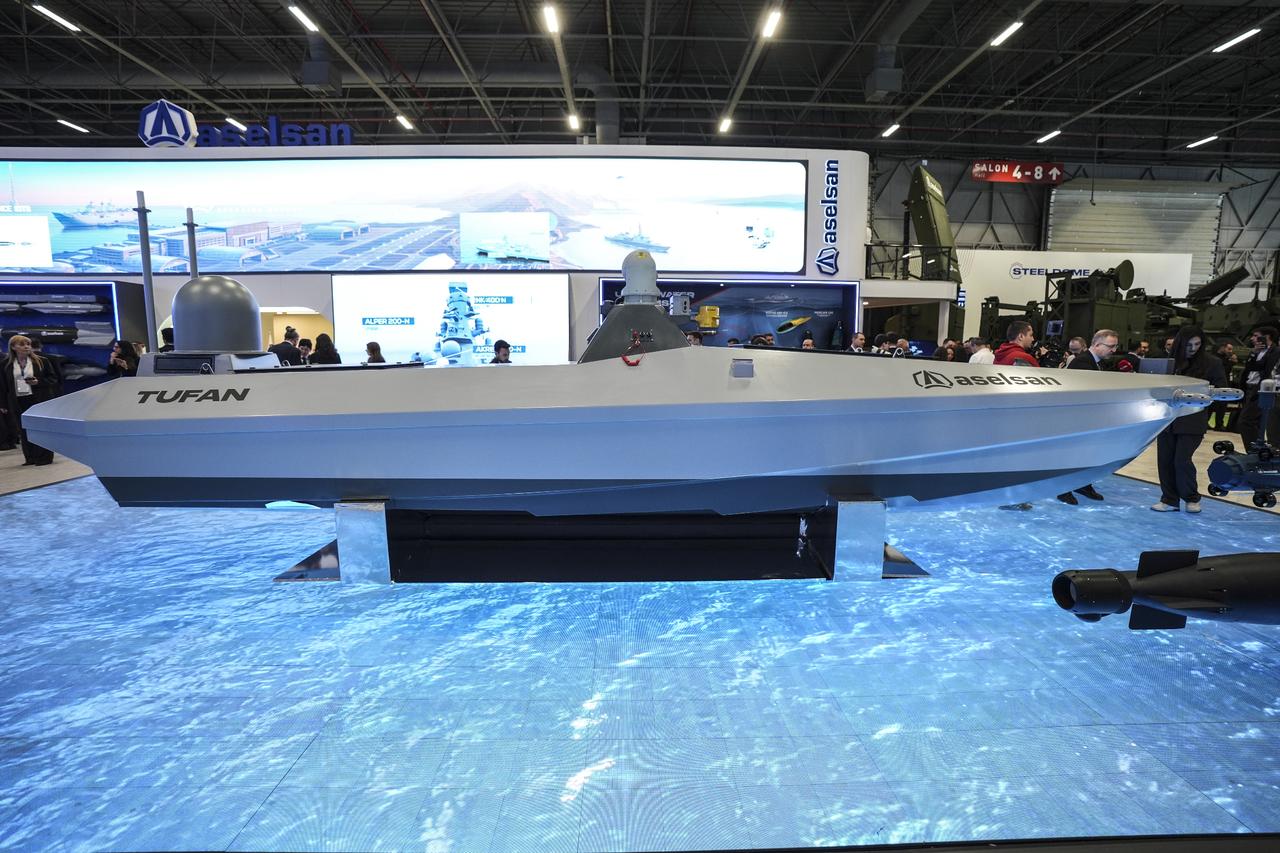


Türkiye has decided to procure 100 expendable unmanned surface vehicles (USVs) for swarm-based naval strike operations, with the contract split among three domestic producers: Aselsan with Ares Shipyard, STM with Yonca Shipyard, and Havelsan with Sefine Shipyard.
Two of the systems were unveiled at SAHA Expo 2026 in Istanbul. Defense News' Cem Devrim Yaylali first reported the procurement.
The 100 units are divided as 40 for Aselsan, 32 for STM, and 32 for Havelsan.
Defense News noted that the overall authorized number will need a minor adjustment to accommodate an operational doctrine built around four-drone swarms.
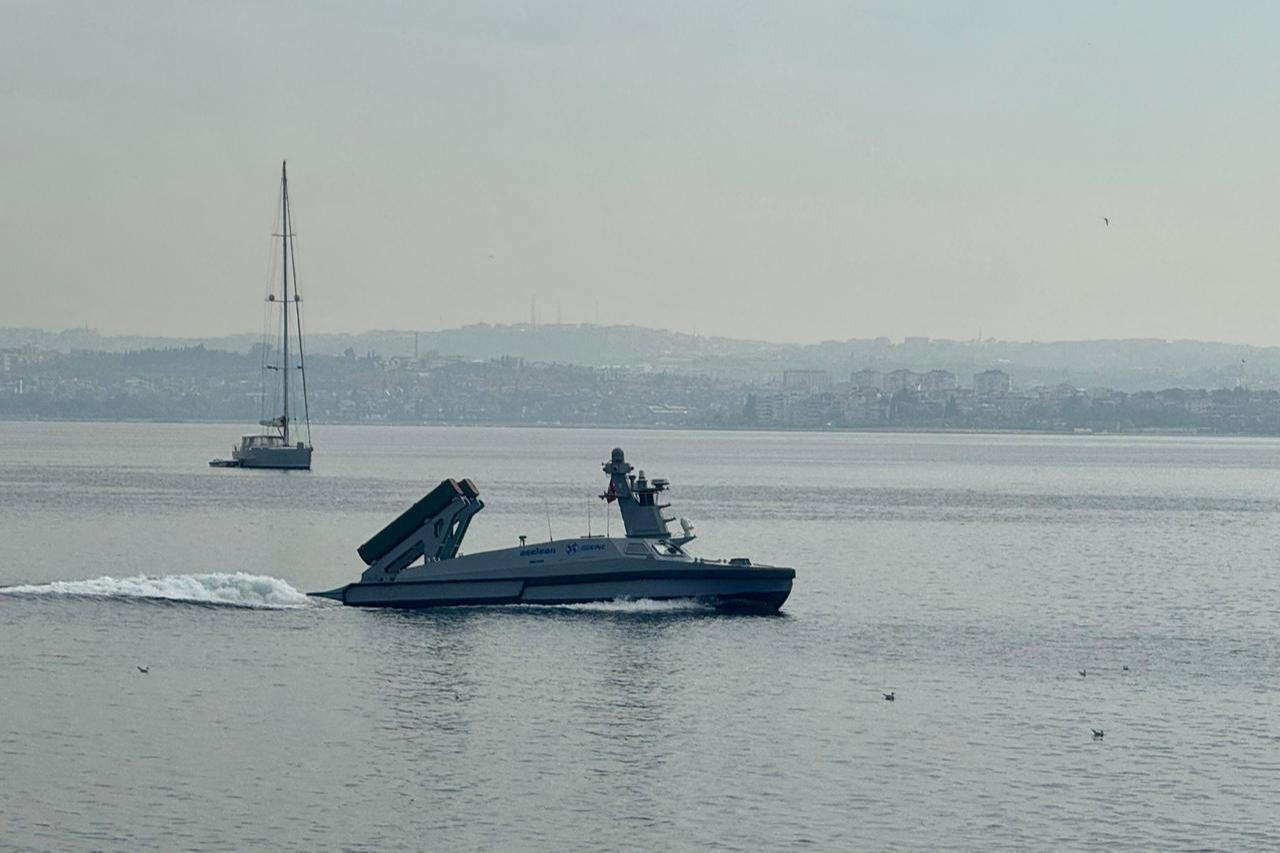

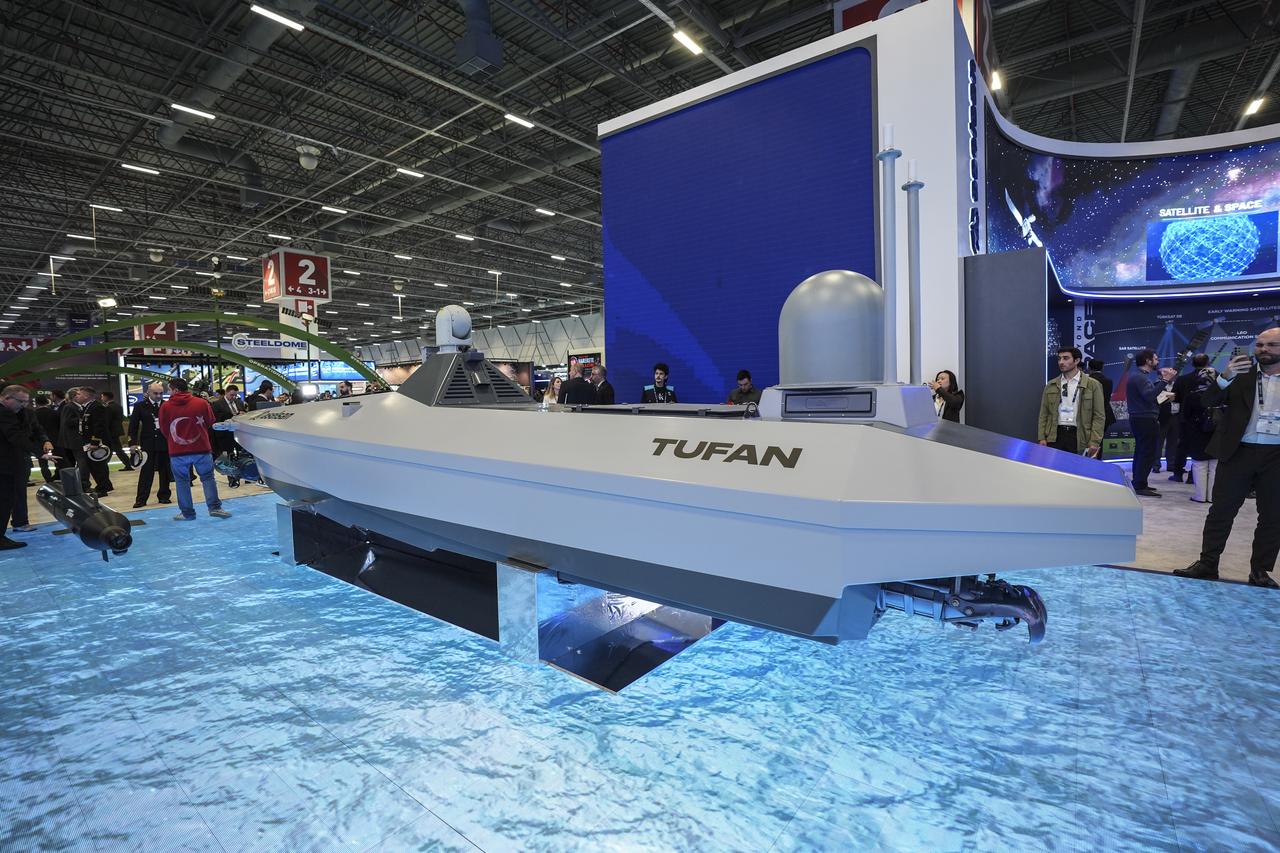
Aselsan unveiled Tufan at the SAHA Expo 2026 in partnership with Ares Shipyard.
The platform is 8.1 meters long and powered by a gasoline engine with waterjet propulsion. It carries a high-explosive insensitive warhead equivalent to one Mk 82 bomb and is designed to engage surface targets, coastal infrastructure, and high-value assets.
Tufan can operate individually or as part of coordinated swarm formations, forming mission-oriented subgroups capable of executing simultaneous reconnaissance, surveillance and strike tasks.
It features AI- and image-based target detection and autonomous engagement, obstacle avoidance for both moving and stationary objects, and day-and-night operational capability.
The system supports RF line-of-sight, mesh network, satellite, and 4G/LTE communications and can operate under satellite navigation and communications-denied environments. Its low radar cross-section and thermal signature reduce detectability.
Tufan is STANAG 4817 compatible and can be transported to mission areas from a port or launched from other platforms.
STM unveiled Yaktu during the SAHA Expo 2026 in partnership with Yonca Shipyard.
The vessel is 5.8 meters long, has a displacement of 1.7 tons, and is designed to meet asymmetric maritime operational requirements ranging from port protection to open-sea strike missions.
Like Tufan, Yaktu features a compact, low-profile hull to reduce radar and visual detectability, supports both line-of-sight and satellite communications, and is integrated into swarm architectures that allow multiple units to cooperate, share data in real time, and autonomously allocate tasks.
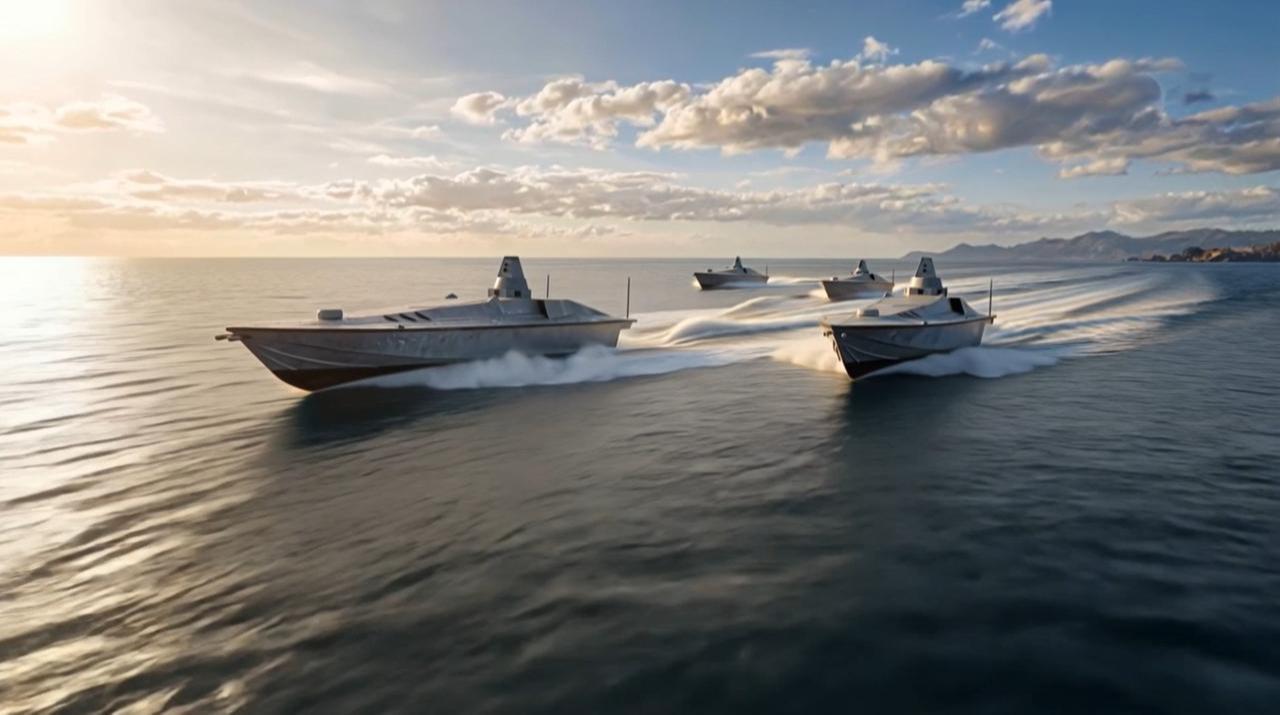
The third producer is Havelsan, working in partnership with Sefine Shipyard. No details of their system were disclosed in the Defense News report.
All three systems are configured as expendable, precision-strike unmanned surface platforms designed for engagements against surface targets.
Their shared swarm architecture allows multiple units to operate cooperatively, share data in real time and autonomously allocate tasks during missions, enabling the kind of saturation attack capability that has redefined naval warfare in regional conflicts.
Both Tufan and Yaktu support integration into broader naval command networks for both standalone and coordinated multi-platform operations.


 Set as preferred source
 Set as preferred source



 6 min read