Newsletters


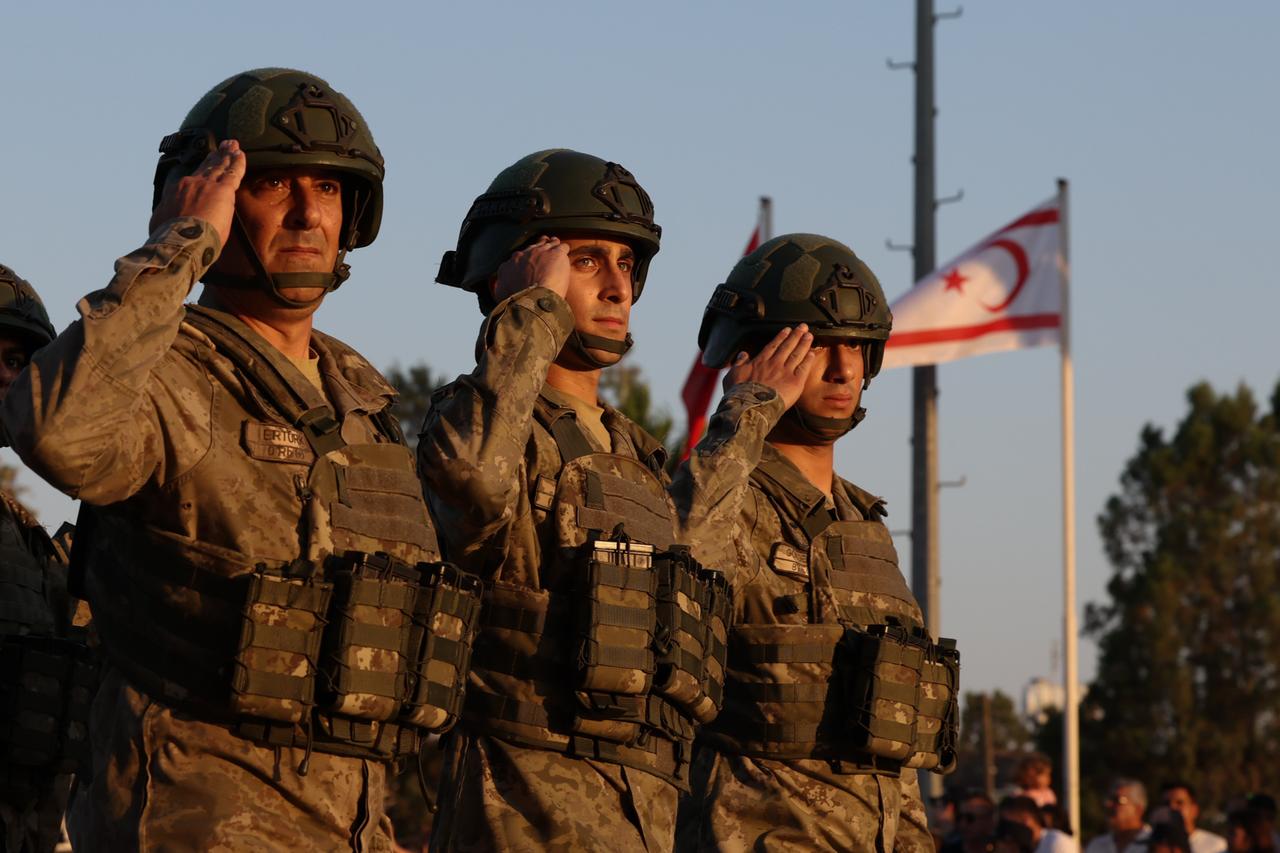


The Turkish Defense Ministry on Thursday criticized a European Parliament committee’s recommendation to allocate funding for a Greek Cypriot monument project targeting the Turkish Armed Forces, calling it “a new example of a biased approach aimed at distorting historical facts.”
The recommendation was included in an opinion by the European Parliament’s Committee on Women’s Rights and Gender Equality on the European Union’s 2027 budget.
“We strongly reject the baseless allegations against the 1974 Cyprus Peace Operation, which rescued the Turkish Cypriot people from systematic attacks and massacres and brought peace and tranquility to the island, as well as against the heroic Turkish Armed Forces,” the ministry said in a written statement.
The ministry said the committee’s recommendation to provide funding for a “so-called monument project” by the Greek Cypriot administration targeting the Turkish Armed Forces represented “a new example of a biased approach aimed at distorting historical facts.”
It accused the EU and its institutions of disregarding what it described as systematic attacks against Turkish Cypriots between 1963 and 1974 and the “inhumane acts” of the EOKA organization, while basing their position on what Ankara called the Greek Cypriot administration’s unilateral claims and rhetoric.
Such an approach is “far from contributing to a solution to the Cyprus issue,” the ministry said, calling on third parties to adopt a “fair and impartial position in light of historical facts.”
“The Turkish Armed Forces have continued to be the guarantor of peace and stability on the island for more than 50 years,” it said.
“We are fully determined to provide the necessary response to any hostile attitude targeting the security of the Turkish Cypriot people,” the ministry added.
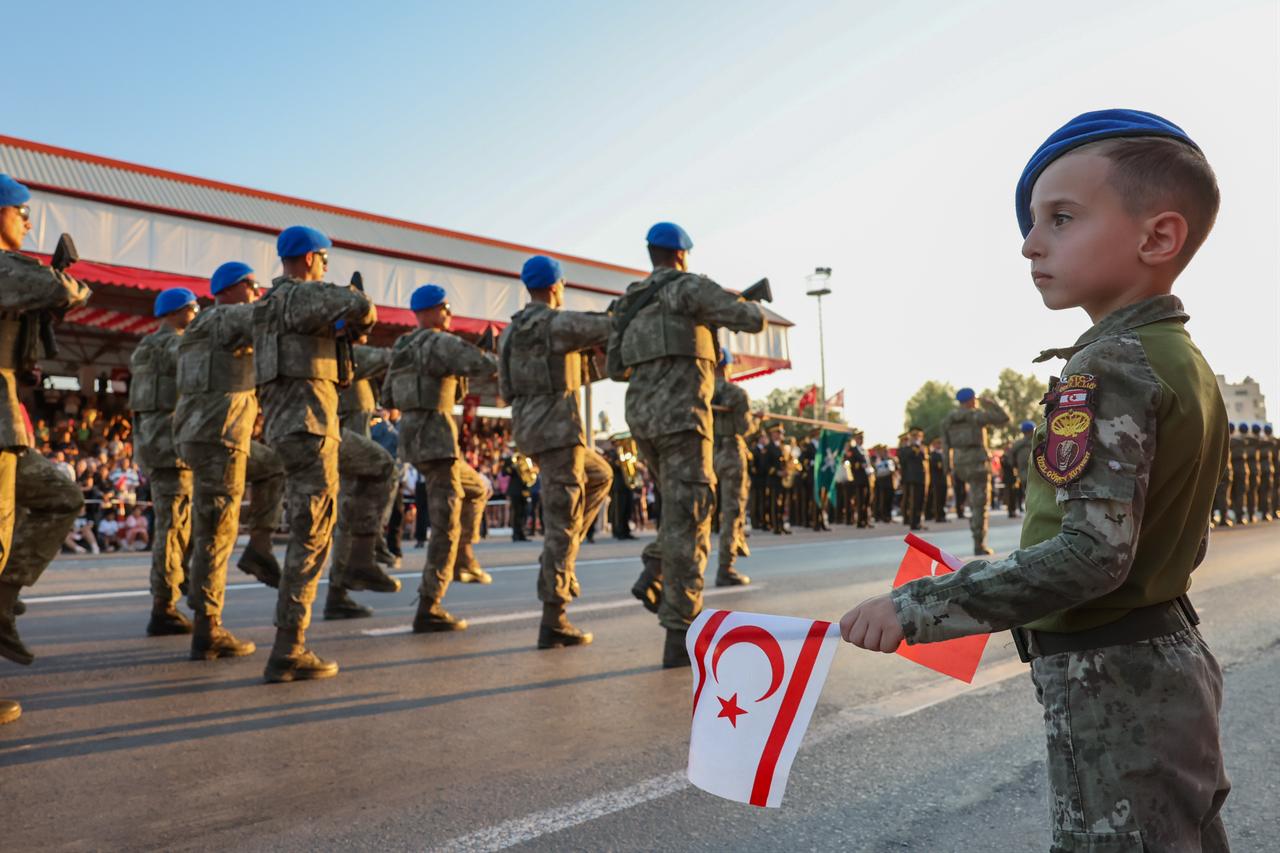

Cyprus has been mired in a decadeslong dispute between Greek Cypriots and Turkish Cypriots, despite a series of diplomatic efforts by the U.N. to reach a comprehensive settlement.
Ethnic attacks starting in the early 1960s forced Turkish Cypriots to withdraw into enclaves for their safety.
In 1974, a Greek Cypriot coup aimed at Greece’s annexation of the island led to Türkiye’s military intervention as a guarantor power to protect Turkish Cypriots from persecution and violence.
The Turkish Republic of Northern Cyprus was founded in 1983.
The island has seen an on-and-off peace process in recent years, including a failed 2017 initiative in Switzerland under the auspices of guarantor countries Türkiye, Greece and the U.K.
The Greek Cypriot administration entered the EU in 2004, the same year Greek Cypriots rejected a U.N. plan to end the longstanding dispute.
The ministry also commented on the dissolution and integration process involving the SDF/YPG terror group, saying Ankara was closely following the process as part of efforts to strengthen Syria’s territorial integrity and the principle of “one state, one army.”
“The handover of weapons and military vehicles to the Syrian army is a natural requirement of the integration process and the ‘one army’ principle,” the ministry said.
It said weapons and military vehicles left by former regime forces during Syria’s civil war or supplied by international actors on the grounds of combating terrorism should be transferred to the Syrian army.
“We assess that the handover of these weapons and military vehicles to the Syrian army will contribute to the healthy progress of the process,” the ministry said.
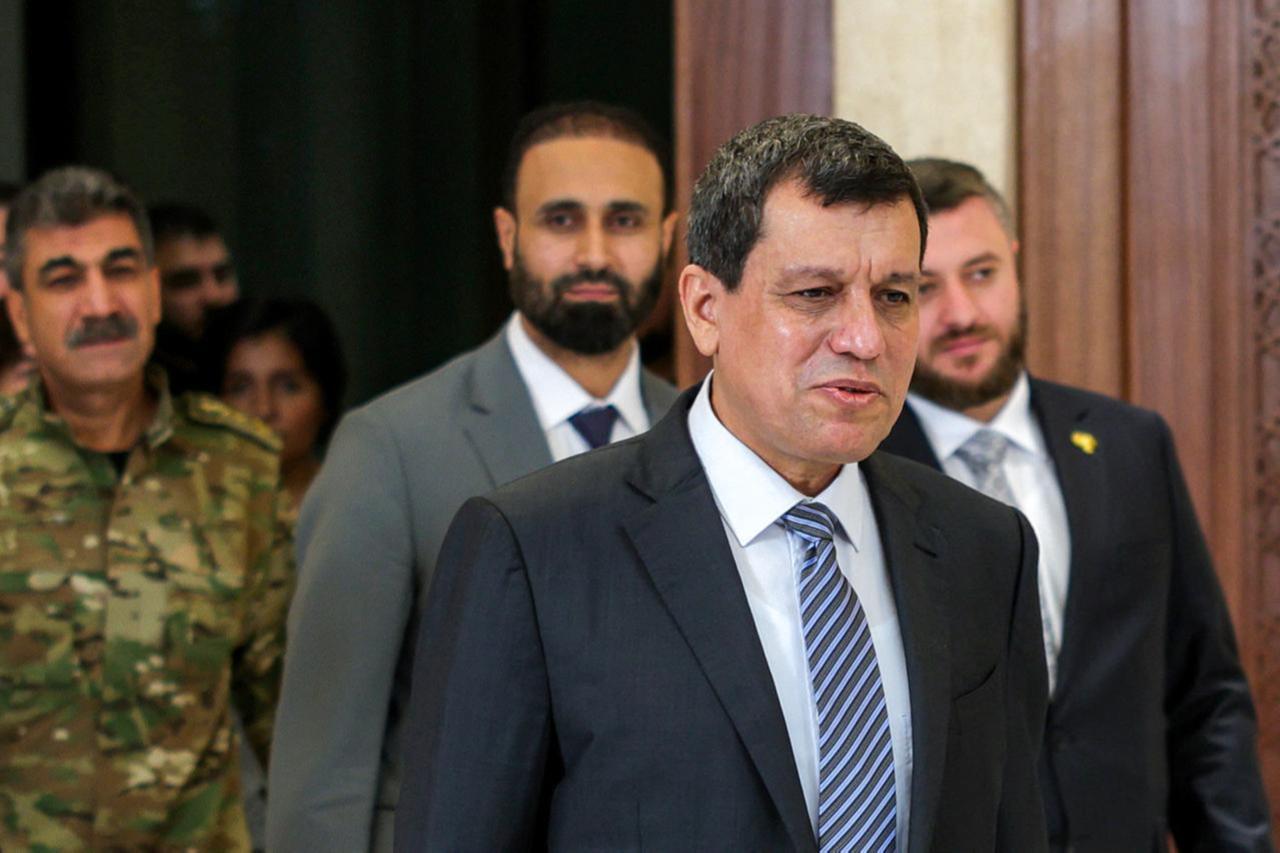
In late August, SDF/YPG ringleader Mazloum Abdi announced the dissolution of the YPG.
The Syrian administration and the YPG reached an agreement on Jan. 29 that provided for a ceasefire and the group’s gradual integration into state institutions.


 Set as preferred source
 Set as preferred source


 2 min read
 1 min read