Newsletters


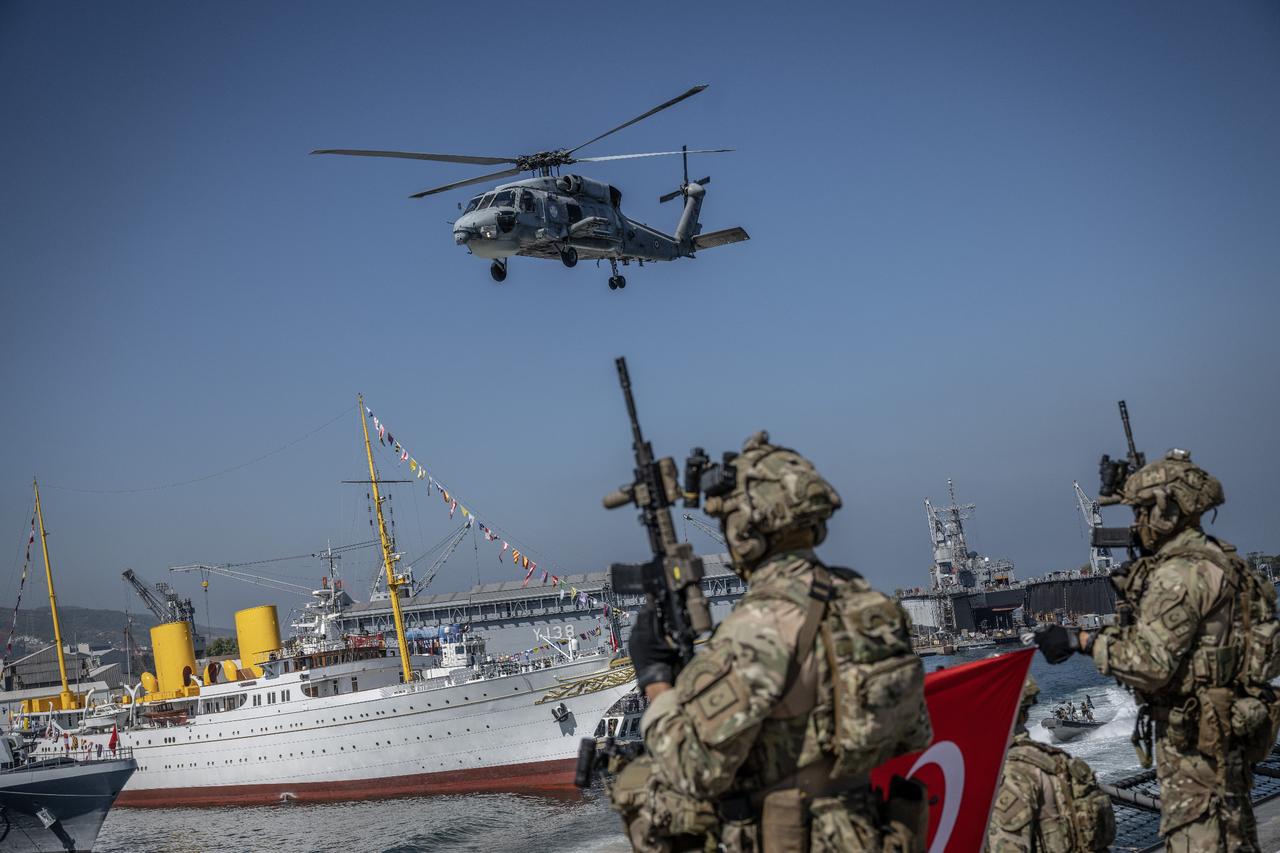


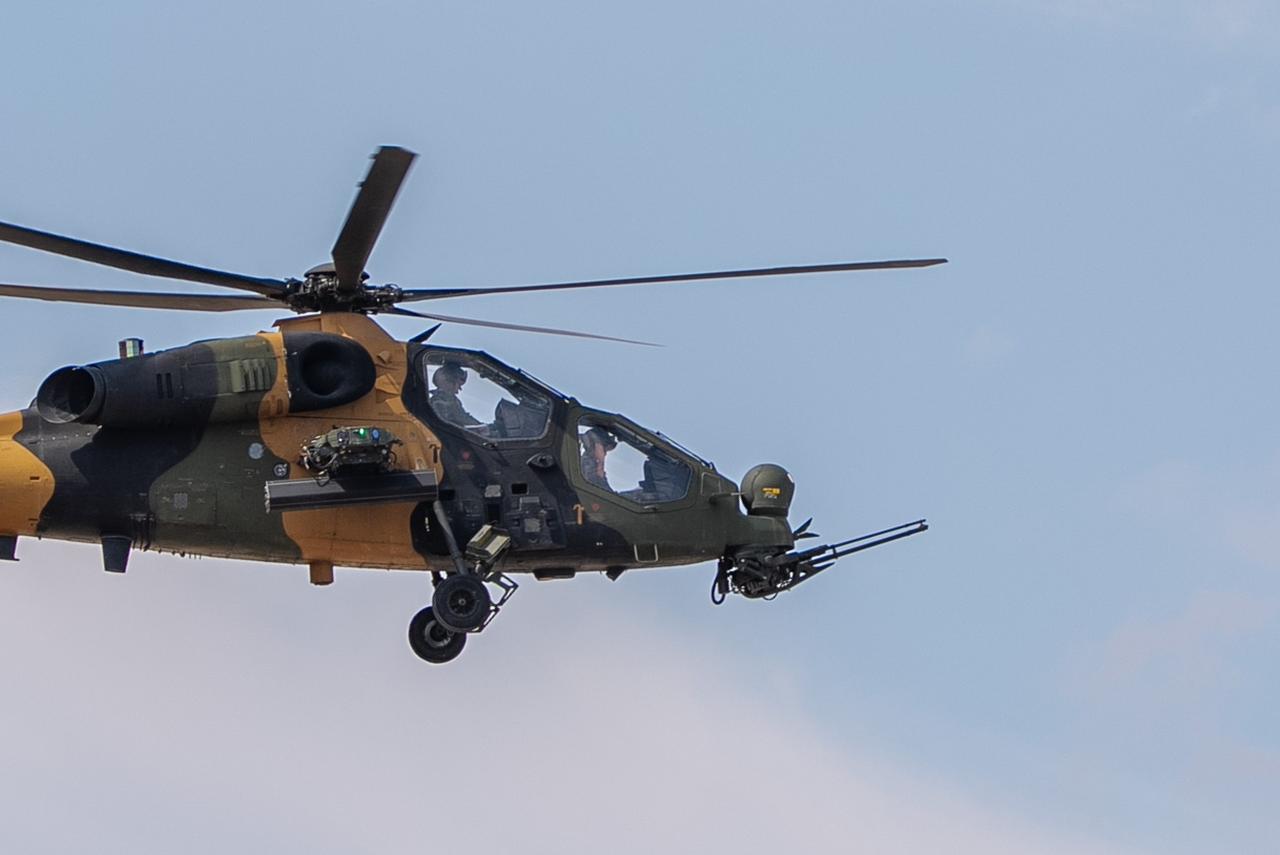
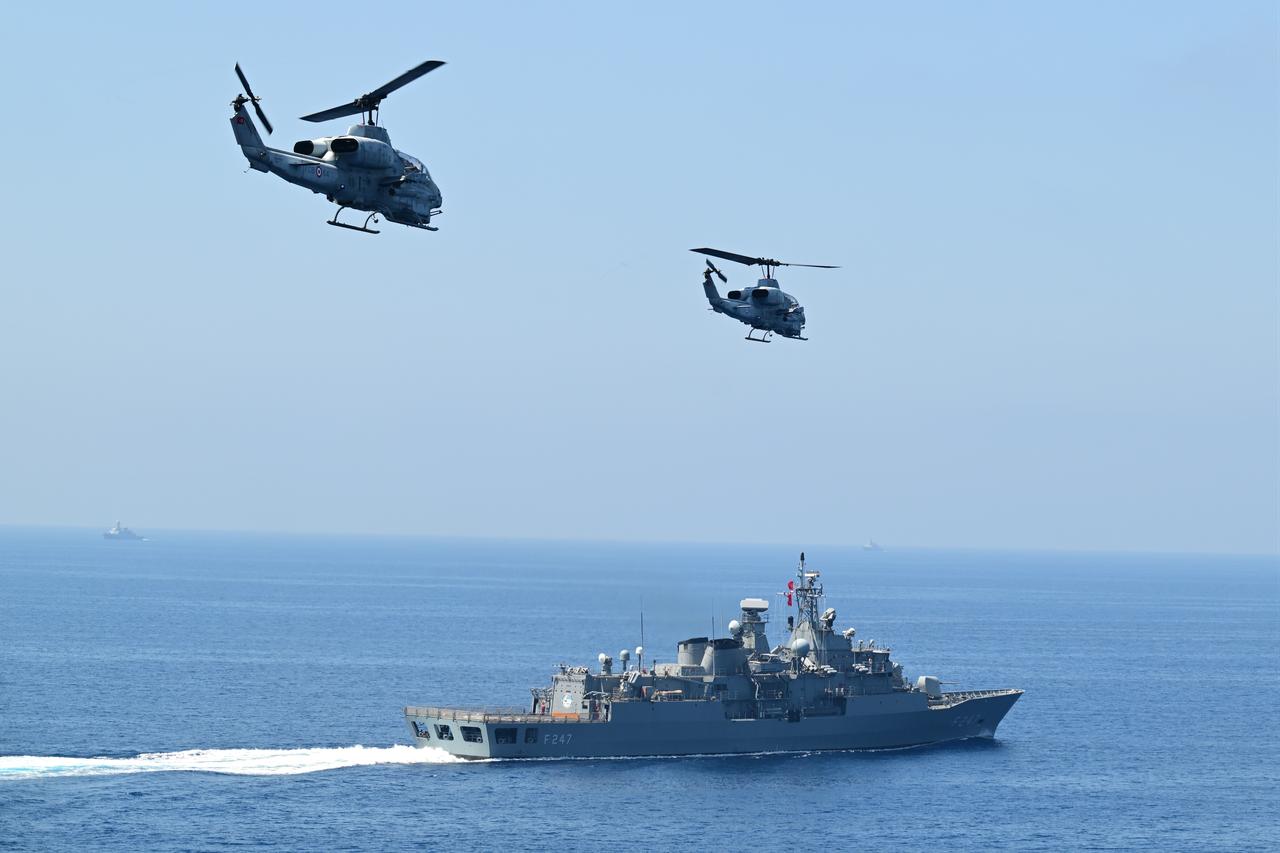
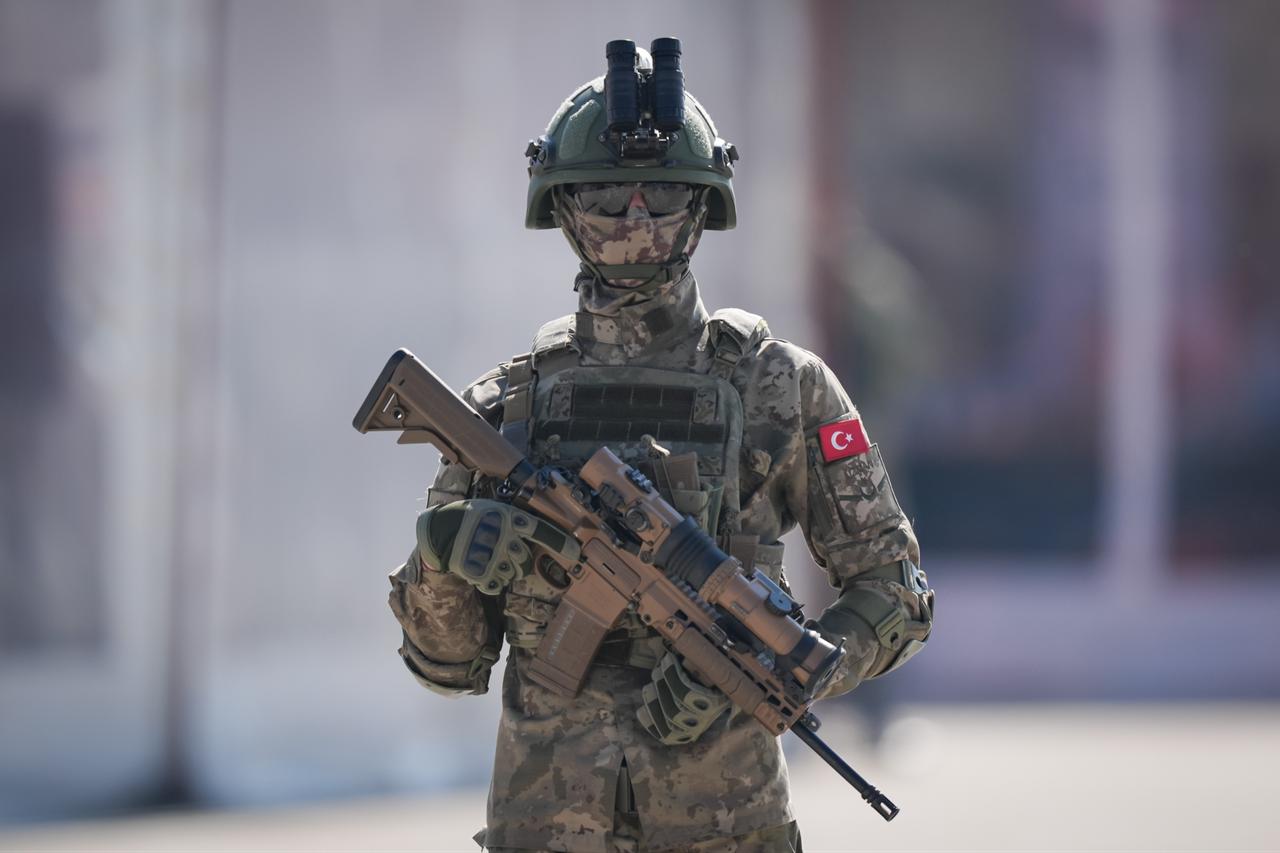
Türkiye is working to expand its military presence abroad, with new deployments of land, naval, or air units under consideration in countries across Africa and Asia, Hurriyet columnist Hande Firat reported.
The plans are part of a new National Defense Ministry concept preparing the Turkish Armed Forces (TAF) for a possible large-scale war and wider global deployment, Firat wrote, citing information she obtained.
Türkiye already has a military presence in countries such as Qatar, Somalia and Libya, as many other major powers do. Under the new approach, the report says work is underway in several countries across different continents, mainly in Africa and Asia.
Deploying new units to land, naval or air bases within the framework of bilateral military ties and the alliances Türkiye belongs to is on the agenda. U.S. military bases and command structures worldwide can be cited as a comparison for global reach, she wrote.
The model is not limited to sending troops, the report said. Logistics, supply lines, agreements with host countries, and sustainable political ties will be decisive for the concept’s success.
Firat described the TAF's recent history in three periods: the Cold War, focused on conventional war and territorial defense; nearly 40 years of counterterrorism, which brought cross-border operations, special forces and drones; and a new era shaped by the possibility of major war and global deployment.
The new concept centers on preparing for a possible large-scale war in light of global developments and expanding the TAF's presence abroad, according to the report.
Preparing for global war and tensions does not mean Türkiye plans to enter a war, she wrote, but reflects the need to adapt to new threat scenarios as the nature of war changes and great-power rivalry intensifies.

The General Staff established the International Joint Strategic Command (UMSK) in August 2026 to command TAF units abroad, National Defense Ministry spokesperson Rear Adm. Zeki Akturk recently announced during a weekly press briefing.
"In order to increase effectiveness in the command and control of our units and elements serving abroad, including the Turkish Cypriot Peace Forces Command, the International Joint Strategic Command (UMSK) was established under the General Staff in August 2026, and Lt. Gen. Sebahattin Kilinc was appointed as its commander," the ministry said.
Kilinc served as commander of the Turkish Cypriot Peace Forces from 2023 until August 2026. The ministry did not disclose which units will report to the command, its headquarters location, or staffing.
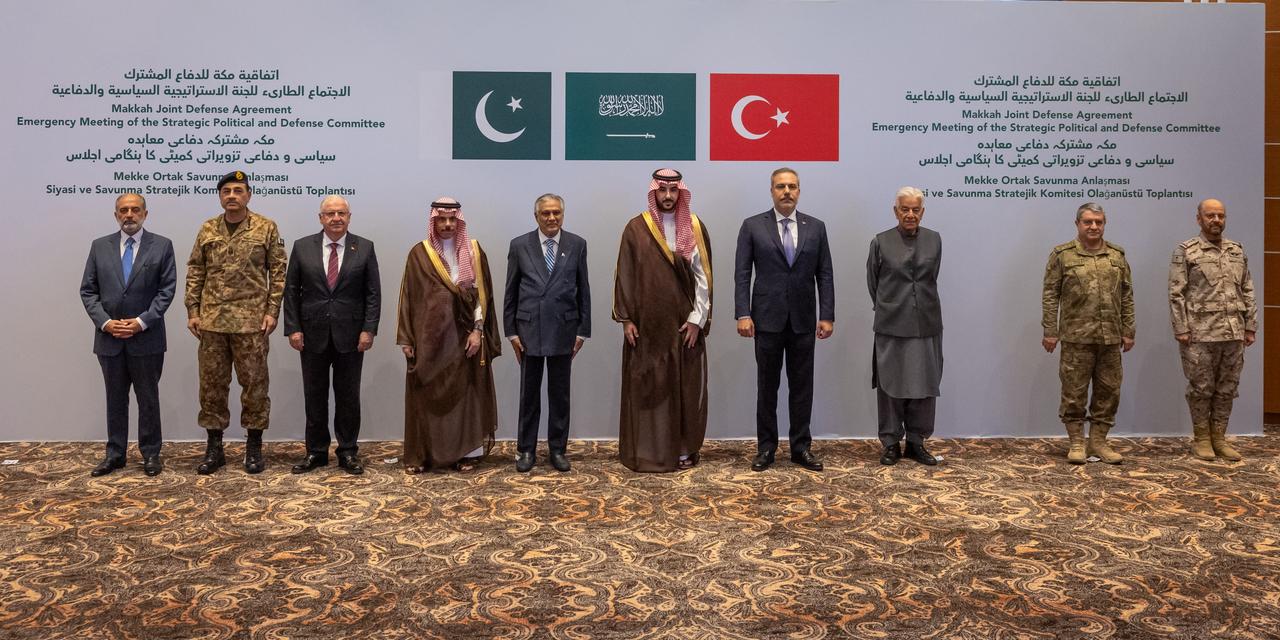
Saudi Arabia has offered Türkiye a military base on its territory, separate from the Mecca pact’s main headquarters, Firat also noted. The model under consideration is expected to resemble the Turkish military presence in Qatar.
The goals are to strengthen deterrence, provide training and advisory support to Saudi military personnel and develop joint defense capacity, according to the report. The possibility depends on completing the Mecca Joint Defense Agreement’s ratification in Parliament and obtaining authorization for troop deployment.
After retired Pakistani Lt. Gen. Nauman Mahmood was appointed the pact’s first secretary-general on Sept. 23, institutionalization work continues, with five military and diplomatic representatives from each country set to serve at the joint headquarters.
Work also continues on Saudi Arabia's lists of defense and military capacity needs from Türkiye and Pakistan, with responses expected to be discussed at a third meeting planned in Pakistan in mid-November.
Ankara’s view is that the alliance’s main purpose is collective deterrence and defense cooperation, not forming a military front against any country.
Türkiye's participation in a military operation against the Houthis under the Mecca pact is not on the table, and backchannel diplomacy between Türkiye and the Houthis is conducted when needed, Firat wrote.
Washington views the alliance as a balancing and stabilizing element in the region. Ankara expects the U.S. to reduce its direct military burden in the Middle East in 2027-2028 and shift more security responsibility to regional partners.
The alliance could also play a balancing role regarding Israel’s room for maneuver in the region, and regional deterrence is seen as important to preventing a larger Iran-Israel war, the report said.
Defense Minister Yasar Guler met Saddam Haftar, deputy commander of the Libyan National Army, and Lt. Gen. Abdulsalam Zubi of the Tripoli-based administration’s Defense Ministry during the SAHA 2026 fair.
Ankara now maintains military ties with both eastern and western Libya, supporting training and interoperability for both sides. A meeting between representatives of both sides in Ankara on Oct. 23 discussed new formulas for a joint command structure, according to the report.
The approach has two stages: military unification into a single army, said to be implemented soon, followed by political reconciliation. According to Ankara, the strongest option discussed is for Abdul Hamid Dbeibah to remain prime minister and for Khalifa Haftar to become chief of general staff, she wrote.
Tribal relations, regional power balances and armed groups mean political reconciliation may take time.
Türkiye’s aim in the new era is to use its military capacity not only to defend its borders but to build deterrence and diplomatic influence where it has security interests, Firat wrote, pointing to a growing Turkish military presence abroad.


 Set as preferred source
 Set as preferred source


 1 min read
 1 min read