Newsletters


Türkiye, Saudi Arabia and Pakistan formally signed the Mecca Joint Defense Agreement on Friday, according to an official statement from Pakistan's Ministry of Foreign Affairs, establishing a mutual-defense arrangement under which an armed attack on any one of the three states will be regarded as an attack on all of them.
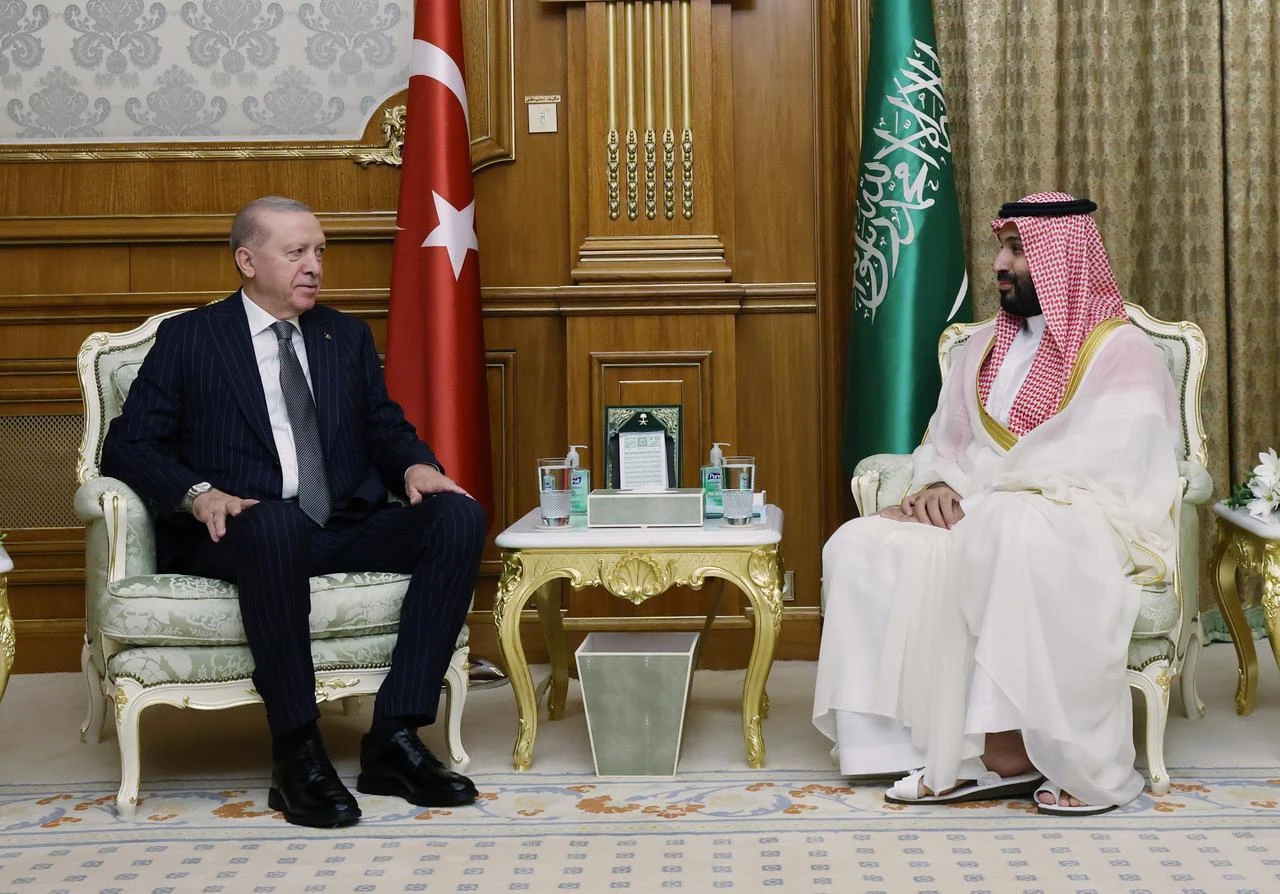
According to the official Pakistani Foreign Ministry statement, President Recep Tayyip Erdogan and Pakistani Prime Minister Muhammad Shehbaz Sharif visited Saudi Arabia on Aug. 7, 2026, at the invitation of King Salman bin Abdulaziz Al Saud.
Crown Prince and Prime Minister Mohammed bin Salman received both leaders at Al-Safa Palace in Mecca, where the joint defense summit was held.
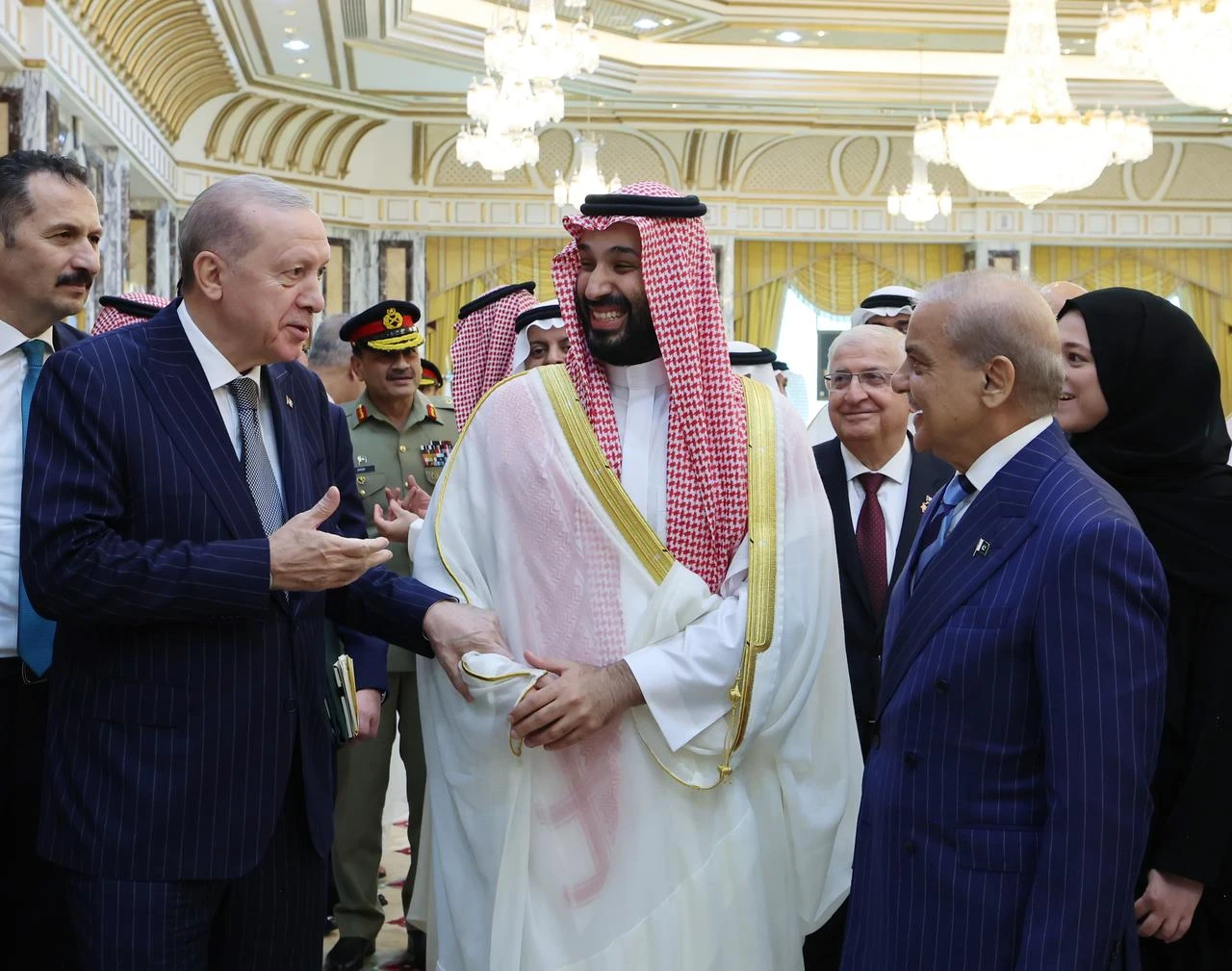

The statement said the three leaders reviewed relations between their countries along with a number of issues of mutual interest before signing the agreement, describing it as guided by "longstanding historical ties," "enduring bonds of brotherhood and Islamic solidarity," and "shared strategic interests and longstanding defense cooperation."
The statement said, "The agreement is intended to strengthen collective deterrence against any act of aggression, and stipulates that any armed attack against any one of the three states shall be regarded as an attack against them all. It further provides for the enhancement of all aspects of defense cooperation among the three states."
The official statement, dated Mecca, Aug. 7, 2026, noted that the pact reflects the three states' "shared commitment to further strengthening their collective security and to promoting peace, security, and stability in the region and beyond, in pursuit of a secure and prosperous future."
A Turkish official told Reuters the agreement is defensive in nature, is not directed against any specific actor, remains open to other regional countries wishing to join, and does not abrogate or replace any existing bilateral or multilateral arrangements the three countries maintain.
A Turkish official who spoke to Al Jazeera said that there is no plan for now for other countries to join this pact.
The official added, "However, countries such as Qatar, Egypt, and others should join the pact, adding that they are open to receiving more members to make it a regional alliance and build deterrence."
The region remains alarmed by a conflict that has brought missile fire onto Gulf oil exporters, with Iran and its allies firing on Saudi Arabia and other Gulf states, alongside blockading energy shipments, since the U.S. and Israel attacked Iran on Feb. 28.
The three nations are particularly concerned about these escalating regional tensions.
The pact comes against the backdrop of the wider Middle East war and the revived conflict in Yemen, Saudi Arabia's southern neighbor.


 Set as preferred source
 Set as preferred source


 2 min read