Newsletters




Türkiye's Foreign Ministry said Sunday that Israel's formal recognition of the 1915 events involving Armenians was a deliberate attempt to obscure what it described as systematic atrocities being carried out against Palestinians in full view of the world.
In a strongly worded statement, the ministry said Israel, currently facing genocide proceedings at the International Court of Justice over its conduct in Gaza, was pursuing a politically motivated decision on 1915 to draw attention away from its own crimes.
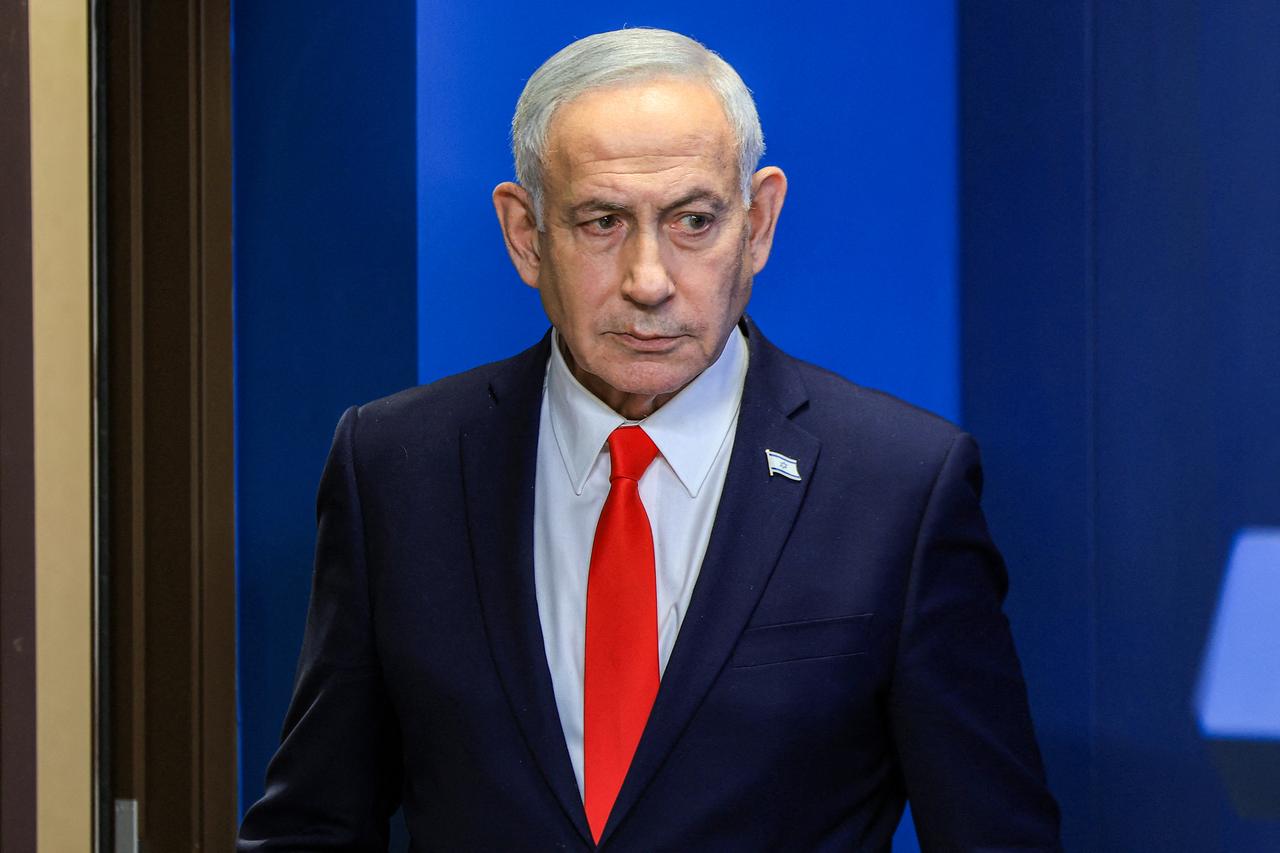
The ministry added that the move exposed what it called the "cornered" position of Prime Minister Benjamin Netanyahu and his associates, who are subject to arrest warrants issued by the International Criminal Court in connection with alleged crimes against Palestinians.
"This malicious attempt, which disregards legal and historical facts, reveals the predicament that Netanyahu and his accomplices find themselves in," the ministry said, adding that Ankara would continue pressing for Israeli accountability before the law.
Israel's Cabinet voted unanimously on Sunday to adopt the recognition, acting on a proposal by Foreign Minister Gideon Saar, in a decision that still requires parliamentary ratification.
The move marks a sharp departure from Israel's decades-long policy of withholding formal recognition, a stance historically maintained to preserve diplomatic ties with Türkiye.
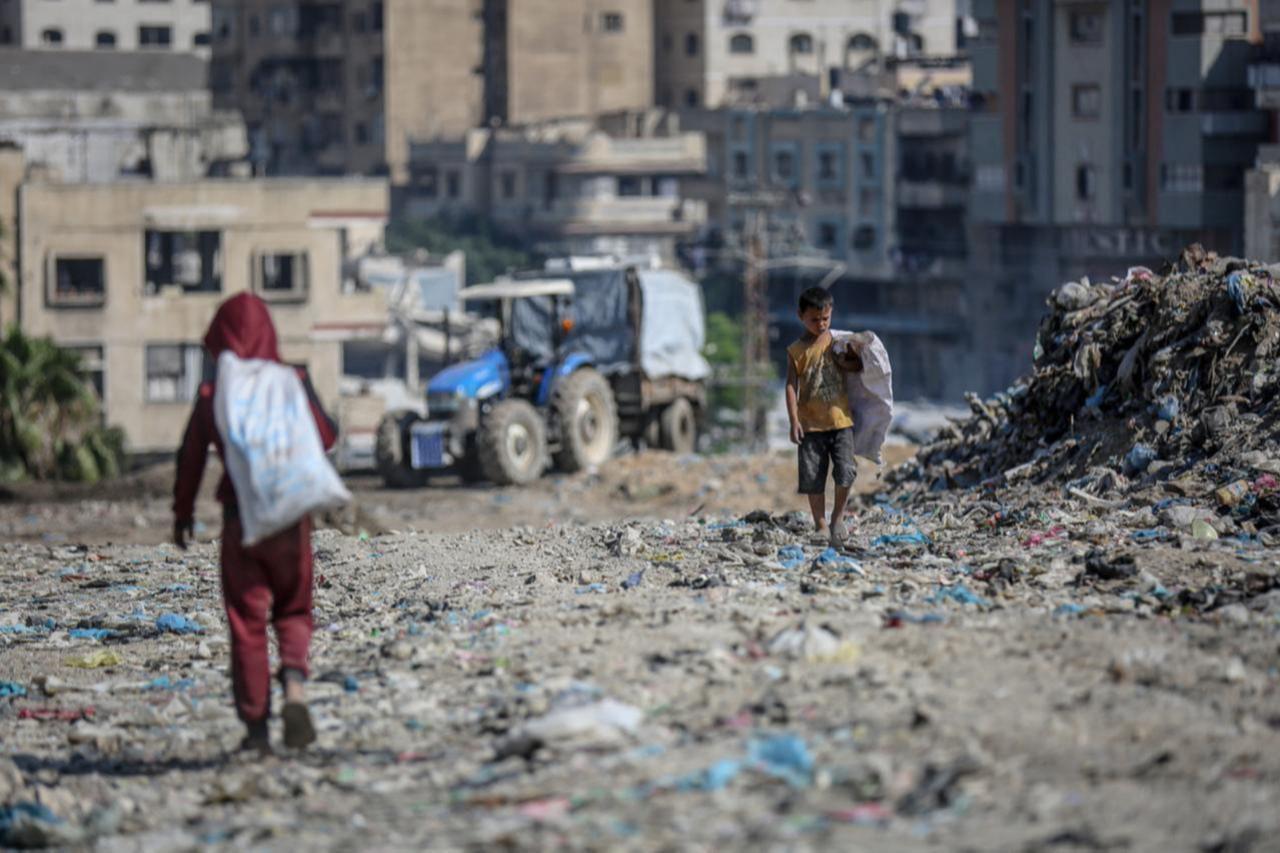
Those ties have since broken down over Israel's military campaign in Gaza, which began in October 2023 and has killed over 72,000 Palestinians, displaced nearly all of the territory's 2.1 million residents, and triggered a severe humanitarian crisis.
Türkiye has responded by suspending trade with Israel and joining South Africa's ICJ case against Israel through a declaration of intervention.
Vice President Cevdet Yilmaz had already condemned the planned recognition ahead of Sunday's Cabinet vote, calling it "a provocation" aimed at masking Israel's actions in Gaza.
"No matter what they do, what happened in Gaza took place before the eyes of all humanity," Yilmaz said. "It has been recorded in history and will never be forgotten."
Yilmaz also cautioned that the initiative could complicate fragile diplomatic processes in the region, including ongoing normalization efforts between Türkiye and Armenia and the broader peace track between Armenia and Azerbaijan.
Türkiye rejects the genocide characterization of the 1915 events, maintaining that the deaths occurred in the context of World War I amid civil unrest, famine and disease, with significant losses on both the Armenian and Turkish sides.
Ankara has consistently called for the matter to be examined by a joint commission of historians rather than resolved through political declarations by foreign governments.
Israel's decision would make it the 35th country to formally recognize the 1915 events, joining the United States, France, Germany, Canada and Russia, among others. Armenian Prime Minister Nikol Pashinyan has previously urged that such recognition not be reduced to a geopolitical bargaining chip, signaling Yerevan's unease with the political instrumentalization of the issue.
The Turkish Foreign Ministry said Ankara would continue working toward an end to what it described as Israel's expansionist and destabilizing policies in the region and toward legal accountability for the Netanyahu government's conduct against Palestinian civilians.


 Set as preferred source
 Set as preferred source


 1 min read
 1 min read