Newsletters


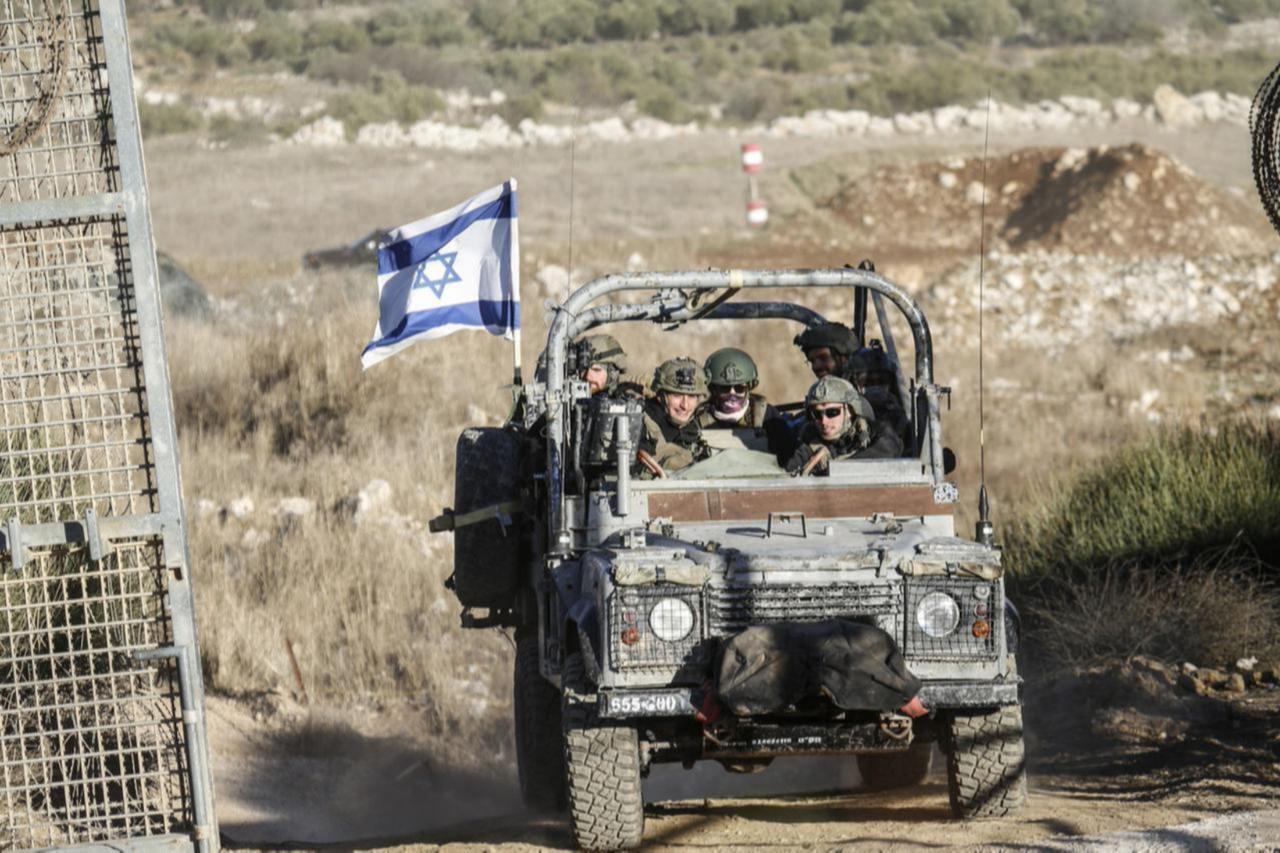


Israel is set to begin the first phase of its withdrawal from southern Lebanon as early as Sunday morning, according to reports by Israeli public broadcaster KAN, one day after Beirut and Tel Aviv signed a US-brokered framework agreement aimed at ending a conflict that has kept Israeli troops entrenched in Lebanese territory for months.
Israeli military plan to pull back from two initial areas in the Nabatieh region, in what the agreement designates as pilot zones designed to test the conditions for a broader, phased withdrawal.
The operation is expected to proceed in close coordination with the Lebanese army through a direct communication channel established under US sponsorship, with the explicit aim of ensuring Lebanese forces move in immediately after Israeli troops vacate the areas.
The coordination mechanism reflects deep Israeli concern about who may fill any security vacuum left behind. An Israeli security official quoted by KAN said the military "retains the right to strike any elements deemed a threat to its troopseven after the agreement was signed," and confirmed that troop numbers in southern Lebanon are being reduced while remaining troopsstay on alert pending the outcome of the pilot phase.
The framework agreement, signed Friday at the US State Department in Washington, was described by Secretary of State Marco Rubio as "the beginning of the beginning," acknowledging the steep diplomatic road that lies ahead.
The deal is officially a trilateral accord, with the United States as co-signatory alongside Israel and Lebanon.
It establishes pilot withdrawal zones where the Lebanese army is expected to assume security responsibility following confirmation that Hezbollah's armed infrastructure in those areas has been dismantled.
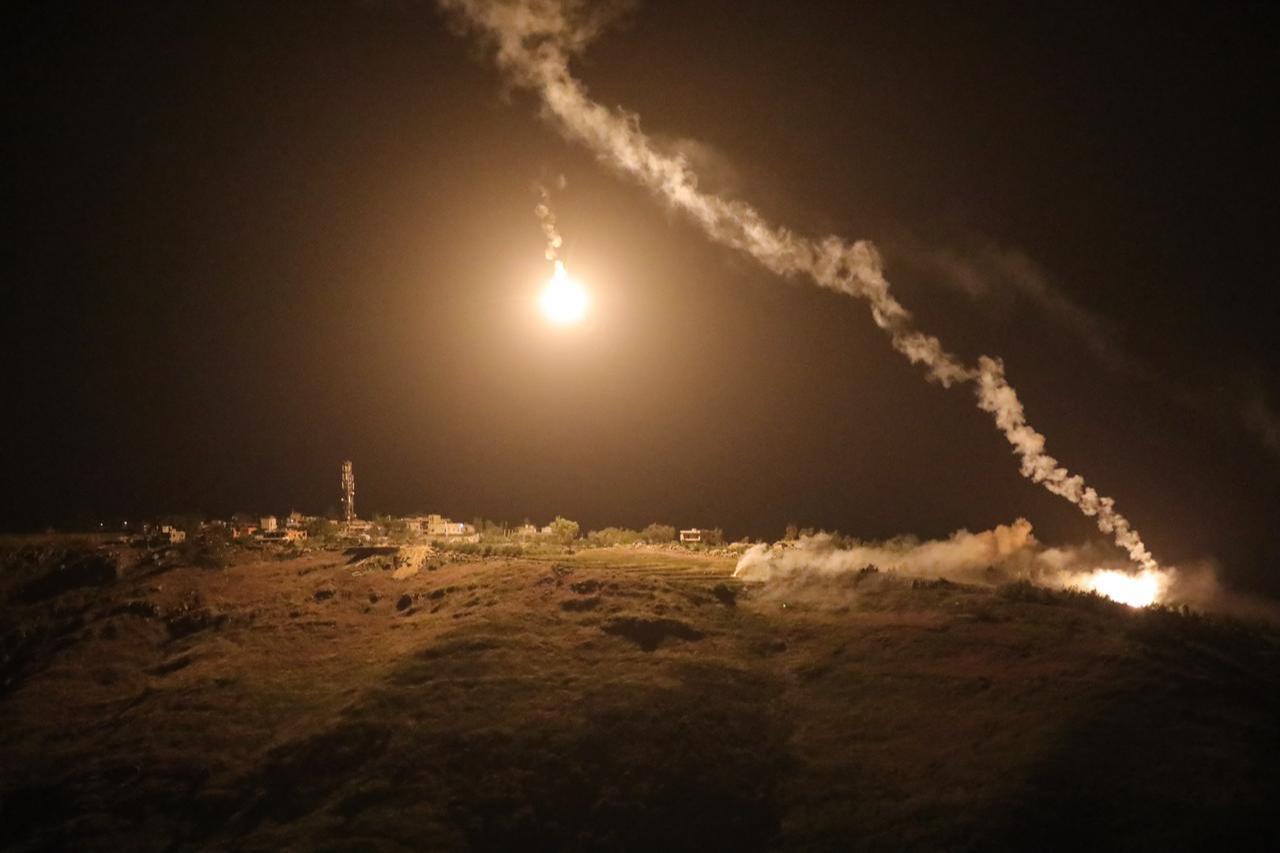

The commander of US Central Command, Gen. Brad Cooper, is expected to travel to northern Israel on Sunday to personally oversee the start of the withdrawal. Cooper arrived in Israel on Friday, Israeli media reported, though the duration of his visit was not disclosed.
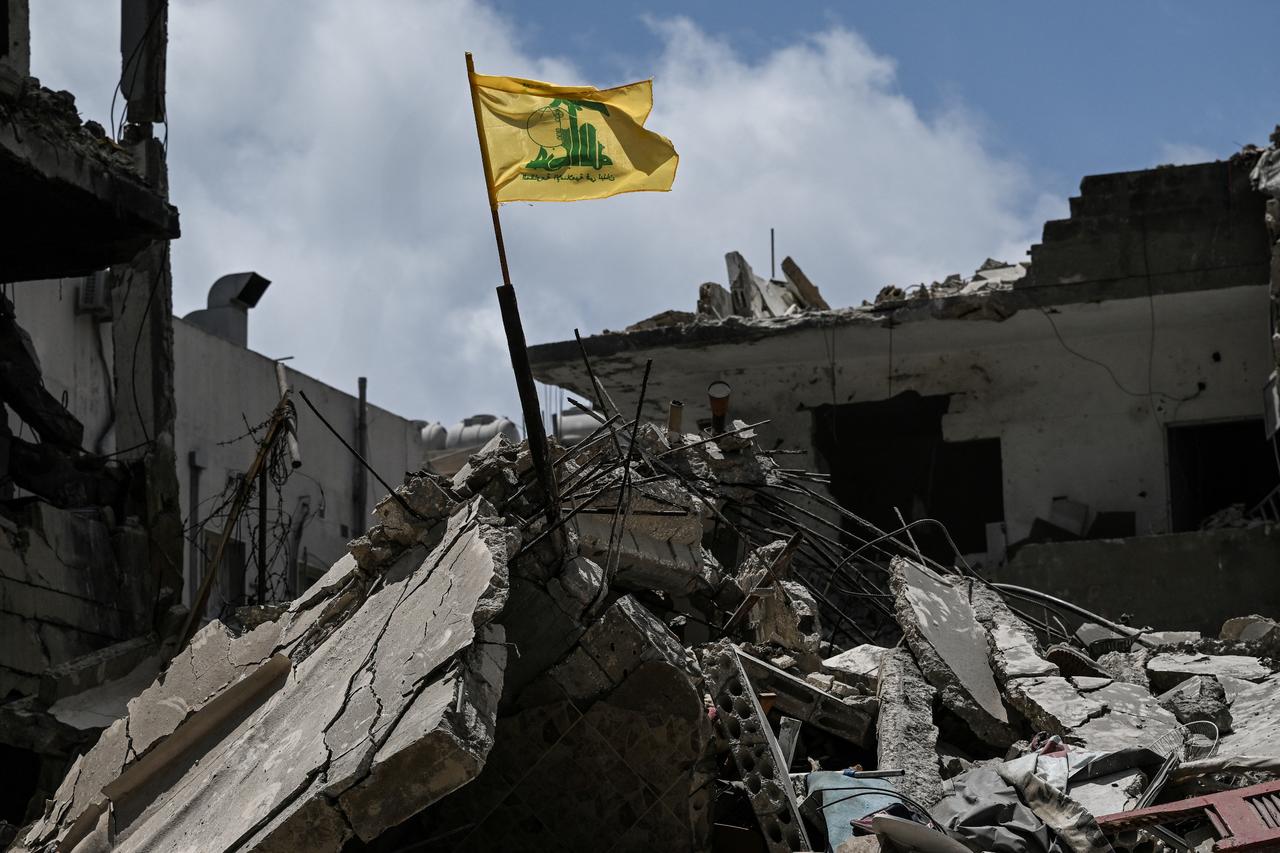
His presence underscores the degree to which Washington is invested in ensuring the pilot handover succeeds, particularly as the framework faces opposition from Hezbollah, which was excluded from the Washington talks and has rejected any deal that does not include an unconditional Israeli withdrawal.
Israeli Prime Minister Benjamin Netanyahu, for his part, has signaled that Israeli troopswill not leave Lebanese territory as long as Hezbollah remains armed. Israeli Ambassador to the United States Yechiel Leiter said at Friday's signing ceremony that further handovers to the Lebanese army would be tied not to a fixed timetable, but to verifiable progress toward Hezbollah's disarmament.
The signing came after five rounds of negotiations in Washington and a fraught week of talks complicated by a separate US-Iran memorandum of understanding signed last week, which both Israel and Lebanon felt undermined the very premise of their bilateral negotiations, namely that Iran would have no role in shaping Lebanon's security future.
Leiter said at the ceremony that "Iran and its proxies wanted a trainwreck," and framed the agreement as proof that such an outcome had been averted.
Lebanon's Ambassador to the United States, Nada Hamadeh, described the framework as "a first step on the road to restoring Lebanese sovereignty and territorial integrity."
Lebanese President Joseph Aoun echoed that framing, calling the deal an opening for displaced civilians to return to their towns under the exclusive control of Lebanese state authorities.
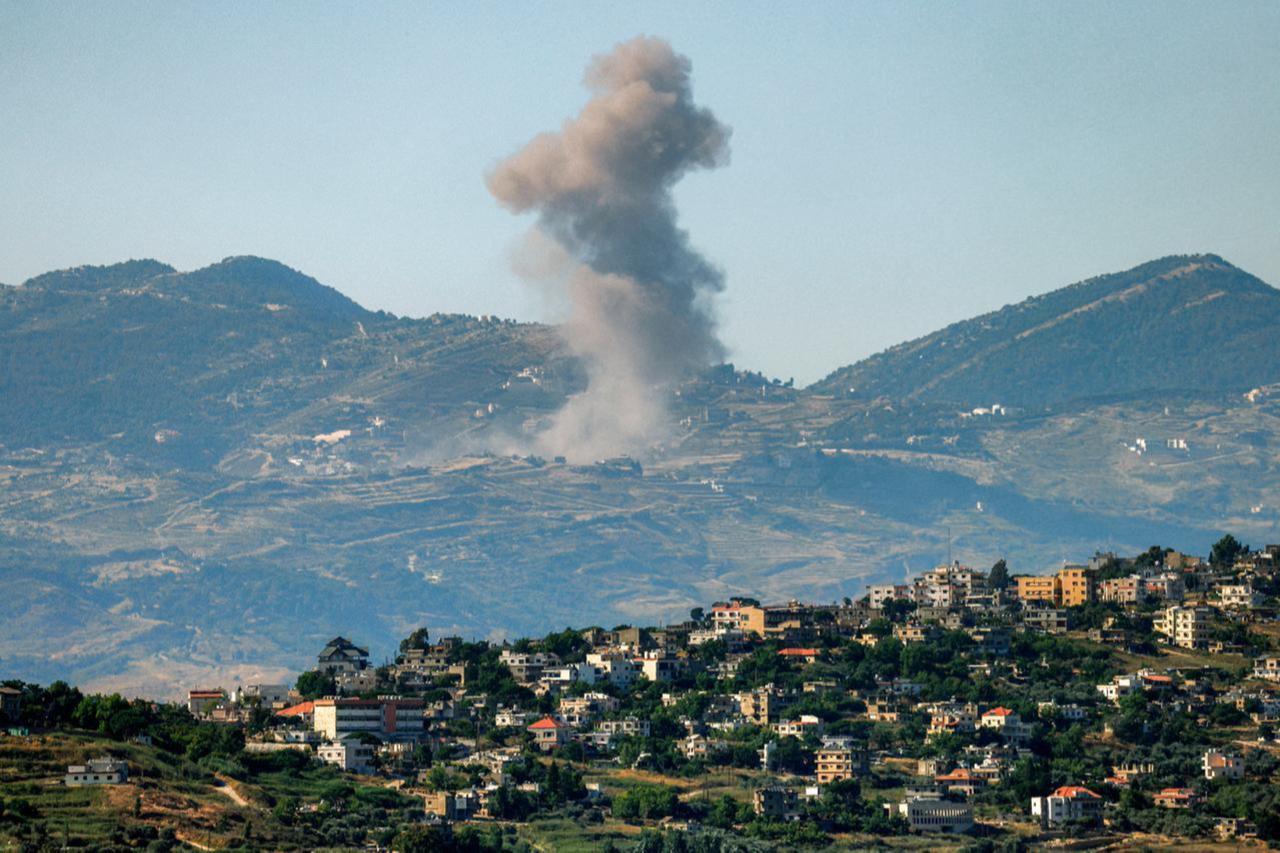
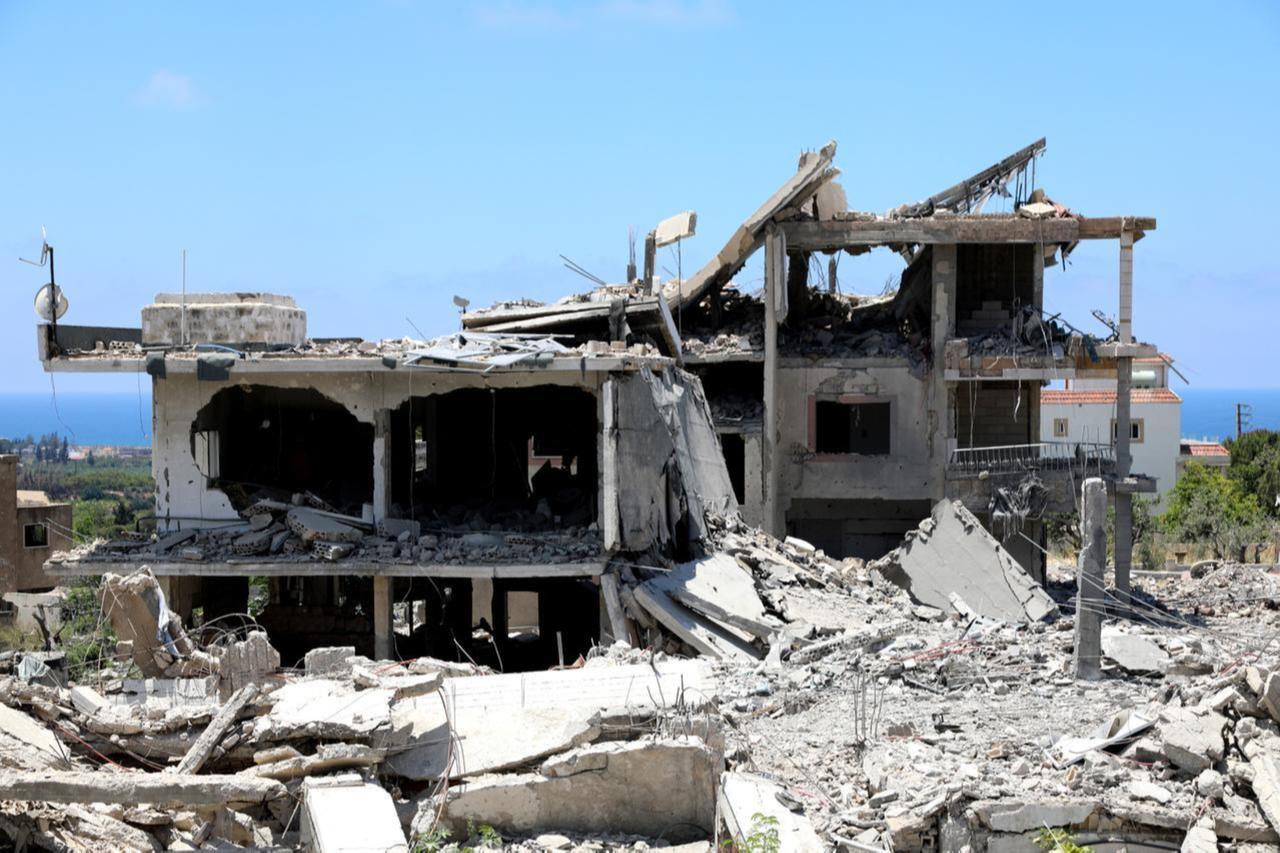
The Nabatieh region, where Sunday's pilot withdrawal is set to begin, has been among the most heavily affected areas of southern Lebanon. Whether the handover proceeds smoothly, and whether the Lebanese army can deploy fast enough to satisfy Israeli conditions, will be closely watched as a bellwether for the broader process ahead.


 Set as preferred source
 Set as preferred source


 1 min read
 1 min read