Newsletters


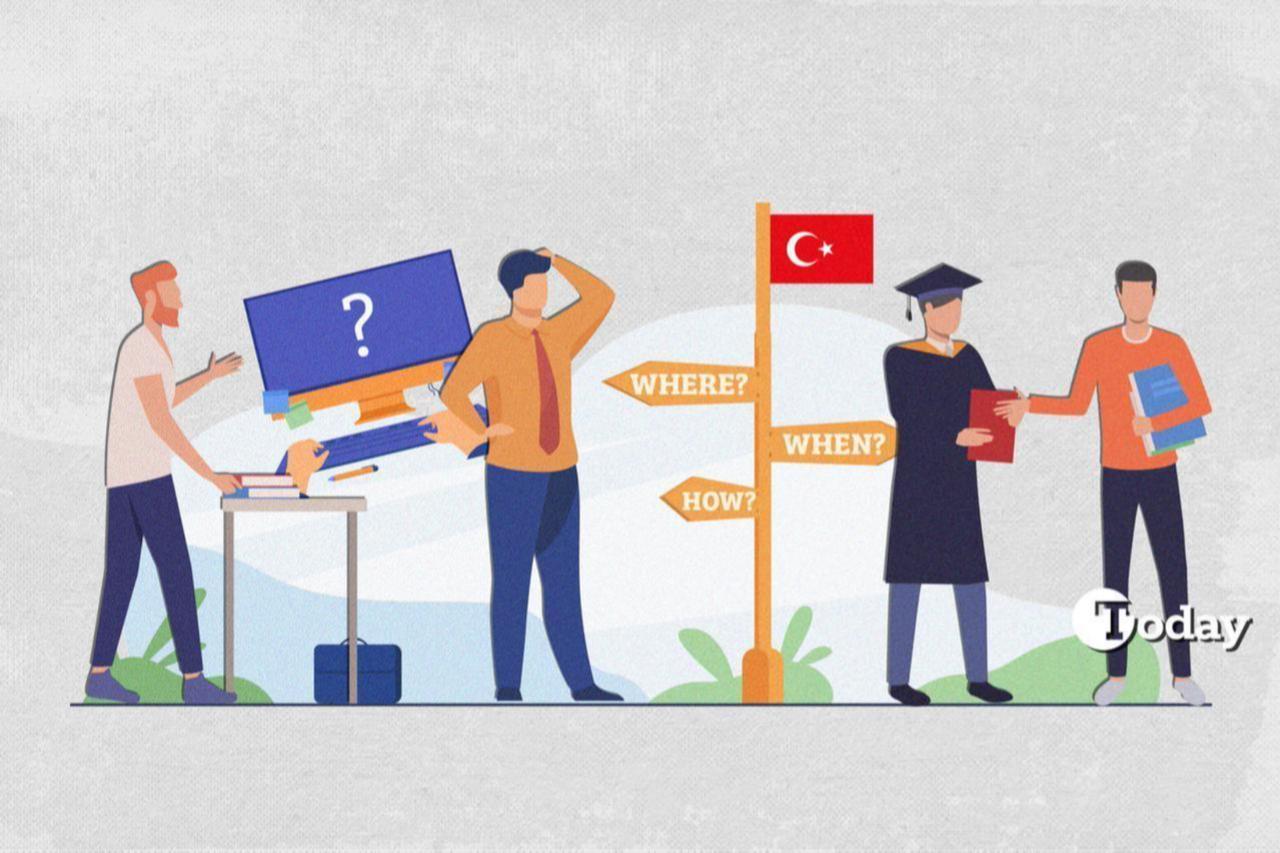


Türkiye officially appointed Muhammet Selami Yazici as the new head of the Directorate General of Migration Management this week.
The appointment signals what many view as a move toward greater institutional experience, administrative consistency and technological modernization in the country’s migration system, which is deemed problematic due to long bureaucracy and inconsistencies.
Yazici is expected to formally assume office following the Eid holidays.
At a time when migration remains one of the most sensitive and strategically important issues facing Europe and the broader region, including Türkiye, Ankara appears to have selected a figure with extensive experience in migration operations.
Yazici is not new to migration policy. Over the past several years, he has served in multiple senior positions within Türkiye’s migration administration. He has overseen international protection, migration policies and foreigners’ affairs in the past.
Most notably, he recently served as the Interior Ministry’s director-general for information technologies, a role that could prove especially relevant as governments worldwide increasingly rely on digital infrastructure to manage migration systems more efficiently.
Türkiye's newly announced tax reform policies for foreigners who want to move to the country are expected to result in an influx of business owners and families to Istanbul from the Gulf, given the prolonged conflict with Iran in the region since February 28.
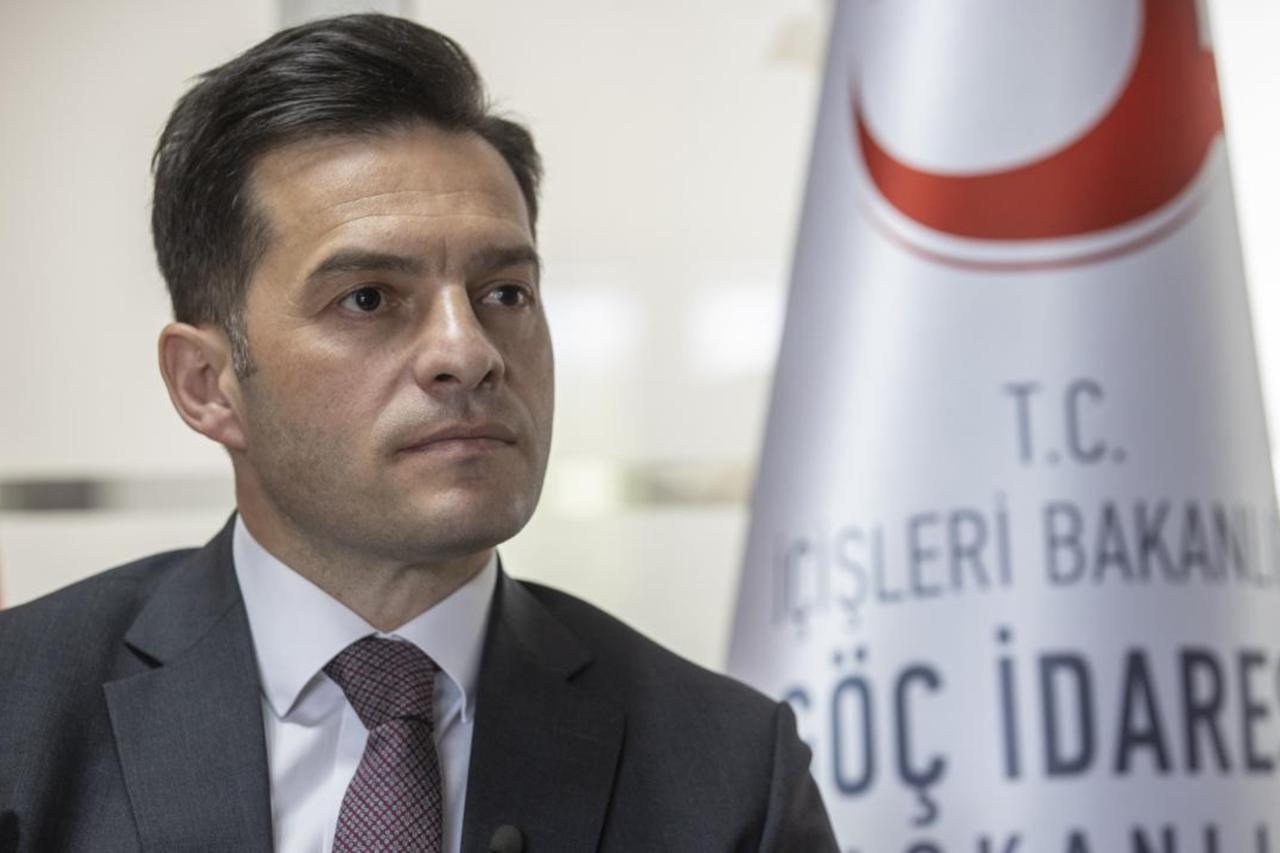

Türkiye’s migration bureaucracy has long faced criticism for procedural inconsistencies, slow processing times and varying implementation practices between provinces. Expectations surrounding Yazici’s appointment, therefore, center largely on modernization and institutional coordination.
Under his leadership, the changes likely to take place are:
For expatriates, investors and international professionals residing in the country, a more standardized system could reduce uncertainty and improve confidence in bureaucratic processes that have often appeared uneven.
The appointment may also reflect Türkiye’s broader ambition to position itself as a state capable of balancing humanitarian responsibilities with effective administrative governance.
Managing migration at Türkiye’s scale requires not only political decision-making, but also institutional competence and long-term planning.
Rather than signaling a dramatic policy shift, the move suggests Ankara is prioritizing experience, technical expertise and bureaucratic familiarity at a moment when migration management has become increasingly complex, both domestically and internationally.
However, much will ultimately depend on implementation.
Yet, from an institutional perspective, the selection of a figure who already understands the mechanics, pressures, and technological needs of the migration system may offer Türkiye a steadier and more coordinated approach in the years ahead.


 Set as preferred source
 Set as preferred source


 1 min read



 1 min read