Newsletters




President Recep Tayyip Erdogan on Friday introduced a wide-ranging set of tax incentives aimed at strengthening Türkiye’s investment environment and pulling in global firms, outlining the measures under a new reform package.
The initiative brings together a series of tax cuts, exemptions, and targeted incentives designed to position Türkiye as a stronger base for international business and trade.
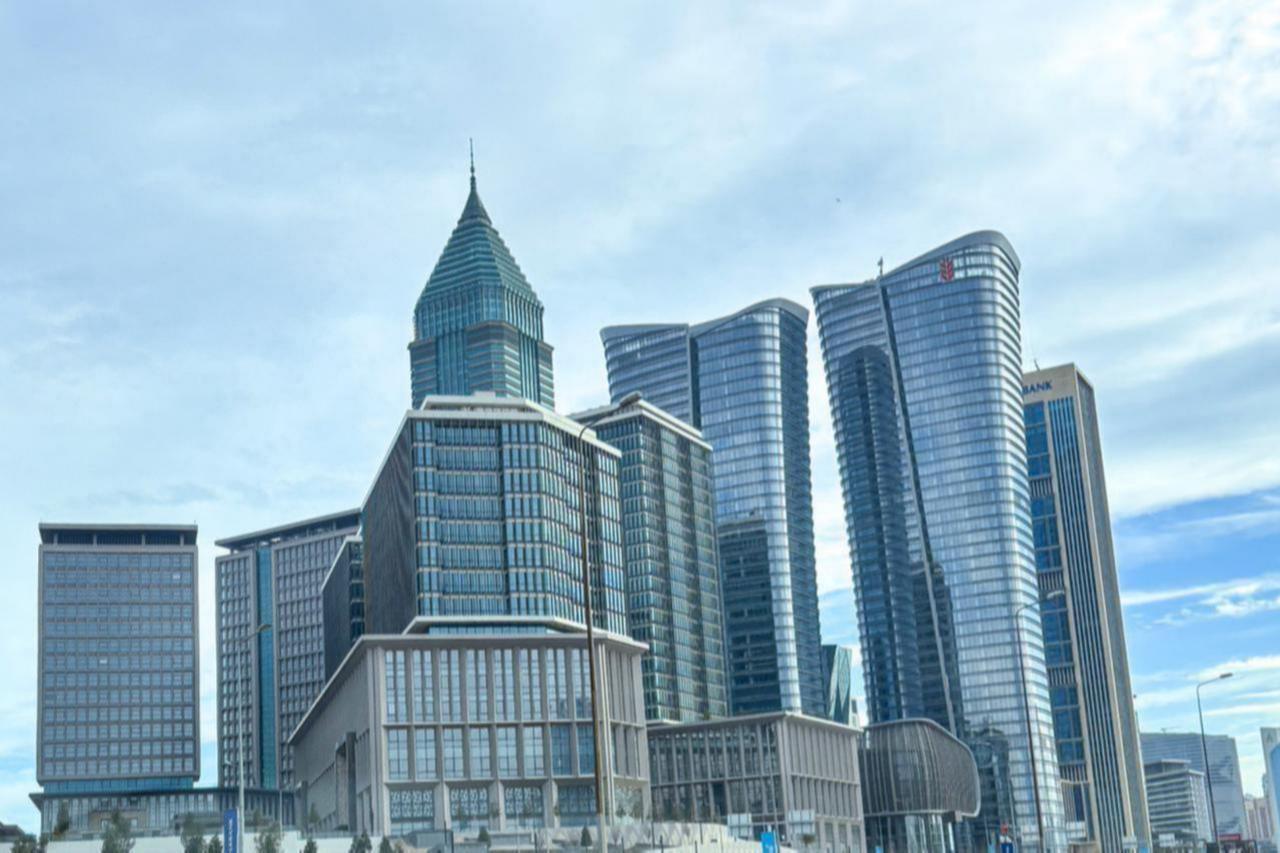
A key pillar of the plan focuses on the Istanbul Financial Center (IFC), where companies will see broader tax benefits.
Firms operating in the zone will no longer pay corporate tax on profits from transit trade conducted abroad, as the existing 50% exemption is raised to 100%.
The government is also widening the scope beyond the financial center. Companies engaged in transit trade outside the zone will be allowed to deduct 95% of related income from their corporate tax base, leaving only 5% subject to taxation.
The program also targets multinational companies that currently manage regional operations from hubs such as Dubai, offering long-term tax relief to encourage these firms to relocate their regional management centers to Türkiye.
Income generated from overseas operations managed through the IFC will be fully deductible from corporate tax for 20 years, while similar earnings managed outside the center will receive a 95% deduction.
Additional incentives include conditional income tax exemptions for qualified employees working at these centers.


Export-oriented companies are set to benefit from sharp reductions in corporate tax rates. The rate will drop to 9% for manufacturing exporters and to 14% for other exporters, compared with the current effective level of around 20%.
Türkiye is also eliminating tax on certain service exports. Income from services such as architecture, engineering, software, and design provided to non-residents—and used abroad—will now qualify for a 100% deduction, up from 80% previously.
Additional measures include tax exemptions for engineering and software services provided abroad, along with the introduction of a "digital company" model to simplify and speed up company formation, as well as frameworks covering employee stock options and convertible debt instruments.
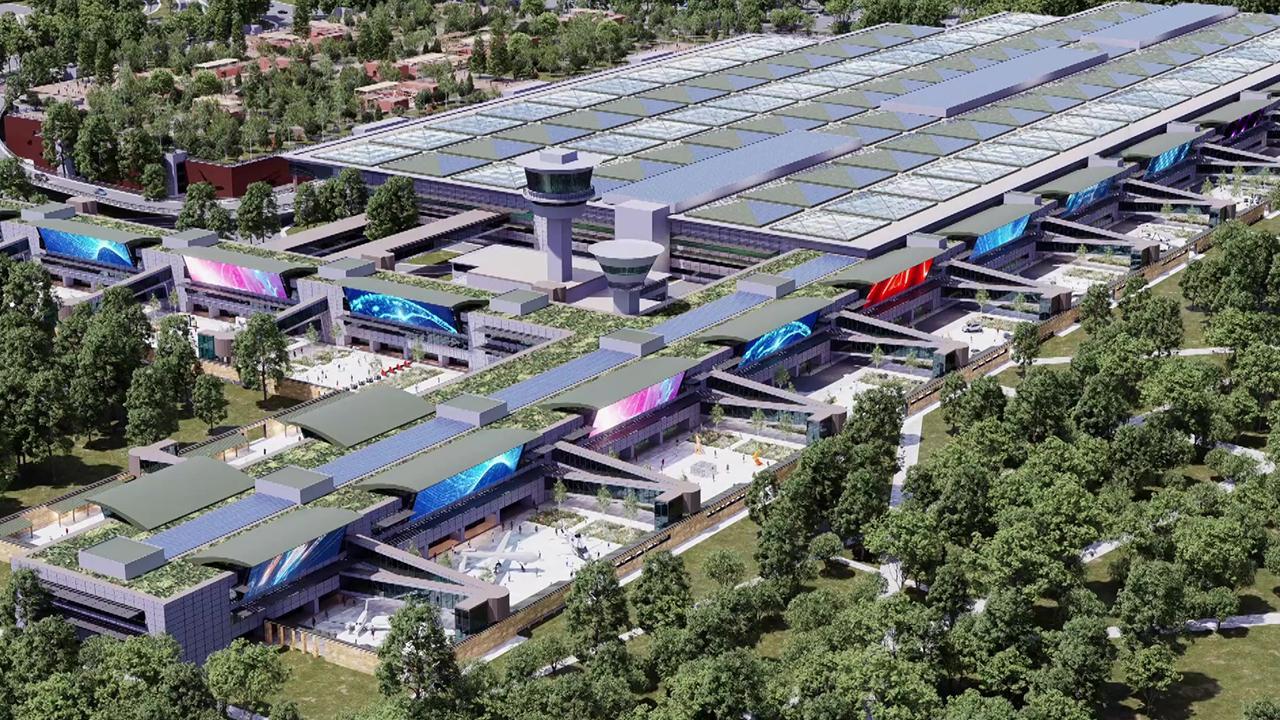
Terminal Istanbul, a planned technology and entrepreneurship hub built on the former Ataturk Airport site, is set to bring together startups, investors, and innovation infrastructure in a single ecosystem.
A "one-stop office" will be established to manage large-scale international investments from a single center, streamlining procedures through a digital system where processes ranging from company formation to permits, taxation, employment, land allocation, incentives, and environmental approvals can be handled in one place.
The package introduces tax advantages for individuals moving to Türkiye from abroad. Those who have not been tax residents in the country over the past three years will be exempt from taxes on foreign-sourced income for 20 years, while income earned within Türkiye will remain taxable.
Inheritance tax for this group will also be fixed at 1%, below the standard range of 1% to 10%.
A new asset repatriation program is being introduced to encourage capital inflows. Under the scheme, money, gold, and securities held abroad can be brought into Türkiye at a tax rate of 2% to 3%. Declared assets will not be subject to tax inspections or reassessments within the program’s scope.
The measures are expected to be submitted to parliament as part of a broader legislative package, while additional provisions could be added during the process.


 Set as preferred source
 Set as preferred source


 1 min read
 1 min read