Newsletters


The Turkish Foreign Ministry criticized the funeral held for convicted war criminal Ratko Mladic, saying the ceremony amounted to an unacceptable denial of the atrocities for which he was convicted.
Foreign Ministry spokesperson Oncu Keceli said in a statement on the social media platform X that using Mladic's funeral to deny the severity of his crimes and the resulting human suffering was unacceptable.
"The exploitation of the funeral ceremony of Ratko Mladic, who was convicted with a final verdict by international courts for genocide, crimes against humanity and war crimes, in a manner amounting to denial of the grave crimes committed and the human suffering endured, is unacceptable," Keceli said.
Keceli said rejecting court rulings or attempting to portray convicted perpetrators as heroes deepens the suffering of victims and their families, and undermines efforts toward peace and reconciliation that have been pursued in the region for years.
The Turkish official said the Balkans need to build a peaceful, prosperous and shared future by drawing the necessary lessons from the past, and said Türkiye remembers with respect all innocent people who lost their lives during the Bosnian War, particularly the victims of the Srebrenica genocide, while sharing in the grief of their families.
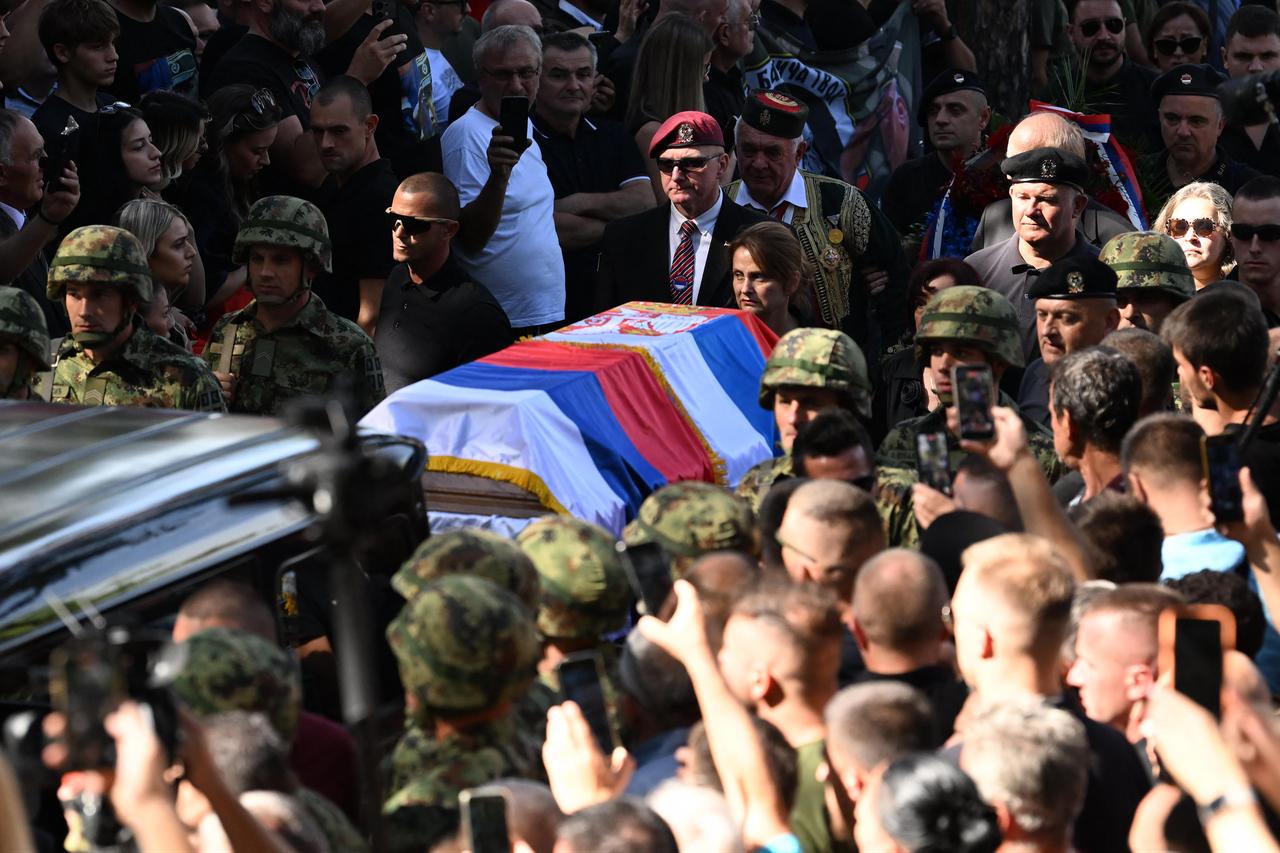

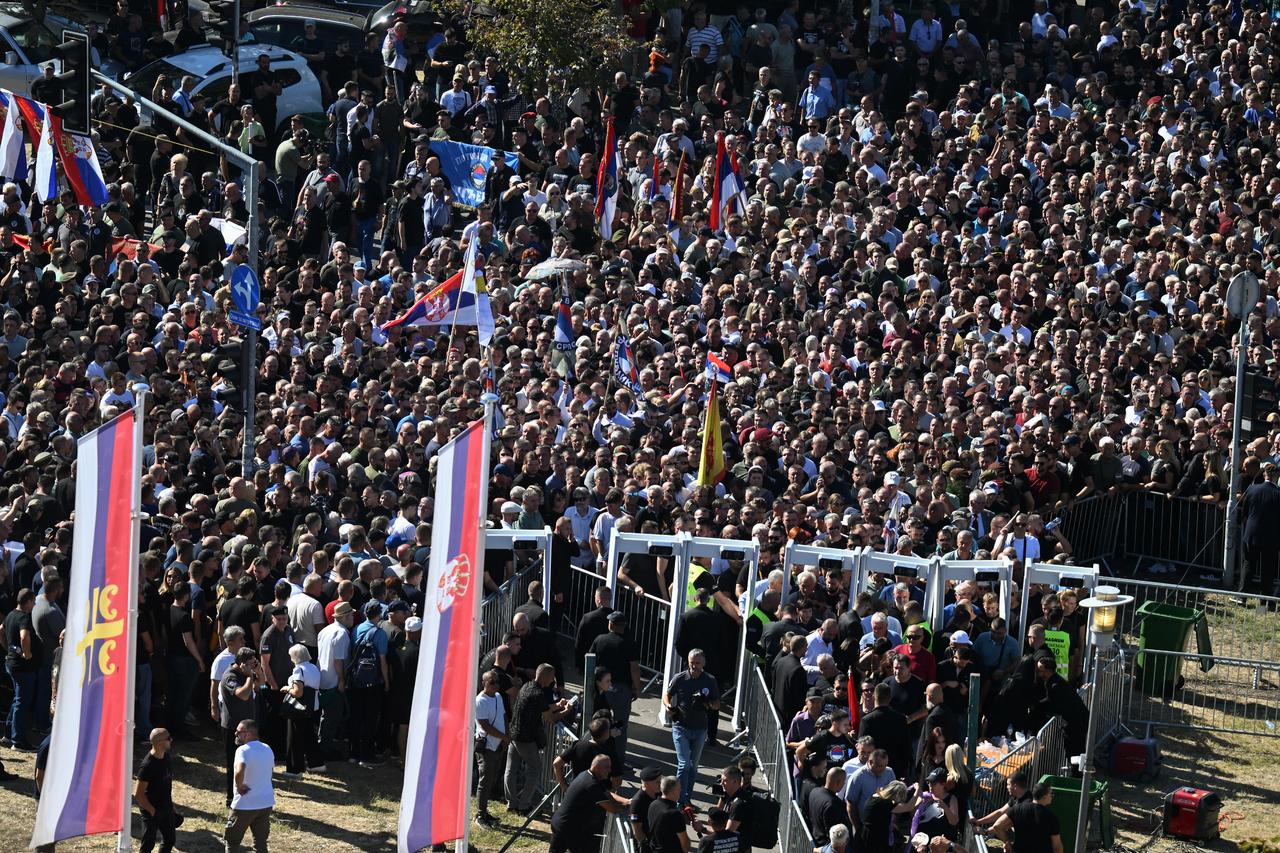
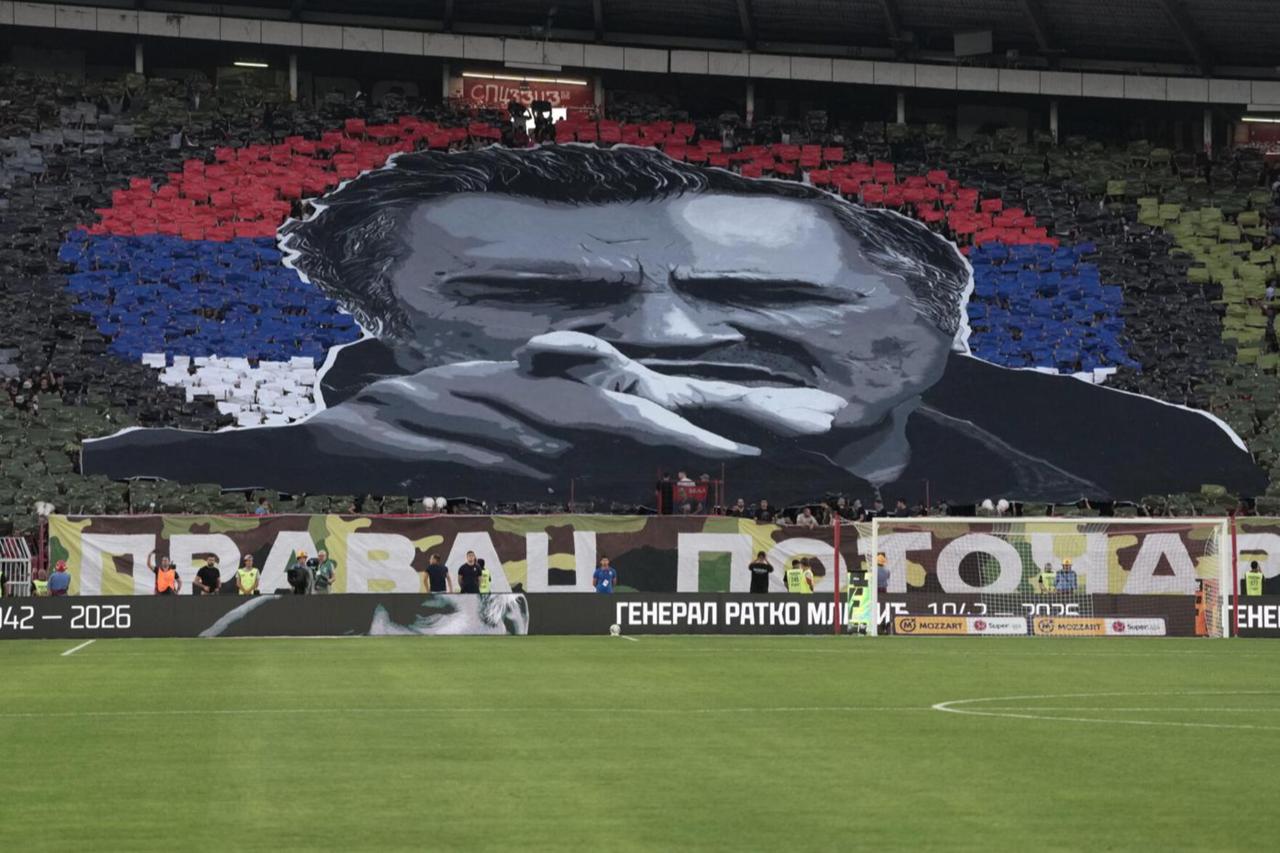
Mladic, known as the "Butcher of Bosnia" and the former commander of the Bosnian Serb Army, was buried Monday, Sept. 7, at Belgrade's St. Luke's Church, following ceremonies that began Saturday, Sept. 5, drawing thousands of mourners.
High-ranking Serbian officials, representatives of Republika Srpska, and Zeljka Cvijanovic, the Serb member of Bosnia and Herzegovina's tripartite presidency, attended the proceedings, along with Russia's ambassador to Serbia and Serbia's justice and defense ministers.
Serbian President Aleksandar Vucic did not attend, citing a prior engagement, though his son Danilo Vucic was present.
Mladic's casket arrived in Serbia aboard a government plane and was carried by soldiers before being displayed at the church, surrounded by a rotating guard of soldiers and veterans.
A banner outside the church read: "Welcome, General, thanks be to your mother for bearing a hero, so that Serbdom's glory may return."
Mladic's son, Darko, who organized the event, said at a press conference alongside Serbia's justice minister that he was "proud of the role of my father."
Milorad Dodik, the former president of Republika Srpska and a Moscow ally who was removed from office, was also seen attending.
Mladic died last Thursday at the age of 85 while serving a life sentence in The Hague.
In June 2021, the U.N. International Residual Mechanism for Criminal Tribunals upheld his life sentence for genocide, crimes against humanity and war crimes committed during the 1992-1995 Bosnian War.
He was convicted on 10 of 11 counts, including genocide in Srebrenica, persecution, extermination, murder, deportation, forcible transfer, terrorizing civilians during the siege of Sarajevo, and taking U.N. personnel hostage.
More than 8,000 Bosniak men and boys were killed in Srebrenica in July 1995 in a massacre recognized as genocide by international courts.
The Hague tribunal described the crimes as "amongst the most heinous known to humankind," and former U.N. human rights chief Zeid Ra'ad al-Hussein called Mladic the "epitome of evil" following his conviction.
Mladic evaded justice for nearly 16 years after the war, before being arrested in May 2011 in the Serbian village of Lazarevo and transferred to The Hague.
His arrest had long been considered one of the main conditions for Serbia's progress toward European Union membership.


 Set as preferred source
 Set as preferred source


 1 min read
 1 min read