Newsletters


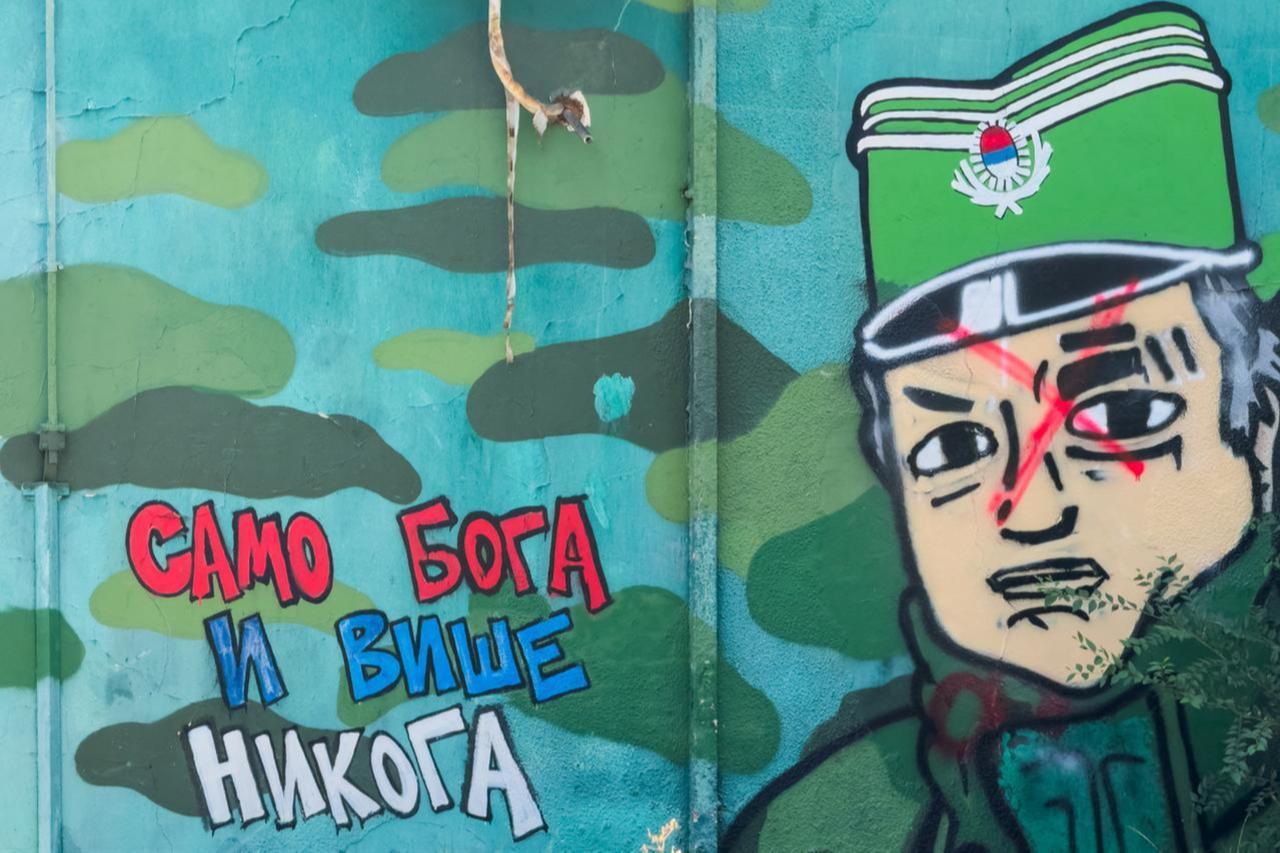


Bosnia and Herzegovina announced Monday it will pull embassy staff from Belgrade and freeze bilateral meetings with Serbia, escalating a diplomatic rift sparked by the glorification of convicted war criminal Ratko Mladic in Serbia.
Foreign Minister Elmedin Konakovic unveiled the measures at a news conference, saying communication between the two countries would be reduced to the "lowest possible level." The announcement marks one of the sharpest diplomatic breaks between Sarajevo and Belgrade in recent memory.
Konakovic said all personnel at Bosnia and Herzegovina's embassy in Belgrade whom the Foreign Ministry has authority to recall will be withdrawn immediately. Consular services previously handled in Belgrade will now be redirected through Bosnian missions in Zagreb, Croatia, and Podgorica, Montenegro, as well as through the country's consulate general in Novi Pazar, Serbia.
Bilateral meetings between the two governments have also been suspended, according to the ministry's statement.
Alongside the freeze with Belgrade, Konakovic said Bosnia and Herzegovina would deepen diplomatic engagement with the European Union and its member states, the United States, the United Kingdom, and members of the Organization of Islamic Cooperation.
The rupture stems from the continued glorification of Mladic, the former Bosnian Serb military commander convicted by a United Nations tribunal of genocide, war crimes and crimes against humanity for his role in the 1992-1995 Bosnian War.
Mladic, who became known as the "Butcher of Bosnia," was found responsible for orchestrating the 1995 Srebrenica massacre, in which more than 8,000 Muslim men and boys were killed after Bosnian Serb forces overran the UN-designated "safe area." The killings are recognized as the worst atrocity on European soil since World War II.
Mladic was convicted by the International Criminal Tribunal for the former Yugoslavia in 2017, and UN appeals judges upheld his life sentence in 2021.
He died on August 27 while serving that sentence at a UN detention facility in The Hague, closing out one of the most notorious chapters of the Yugoslav wars, which killed more than 100,000 people overall.
The continued public reverence for Mladic among some in Serbia and Republika Srpska, the Bosnian Serb-led entity within Bosnia and Herzegovina, has long been a source of friction with Sarajevo, which views such displays as a denial of the crimes established by international courts.


 Set as preferred source
 Set as preferred source


 2 min read
 1 min read