Newsletters


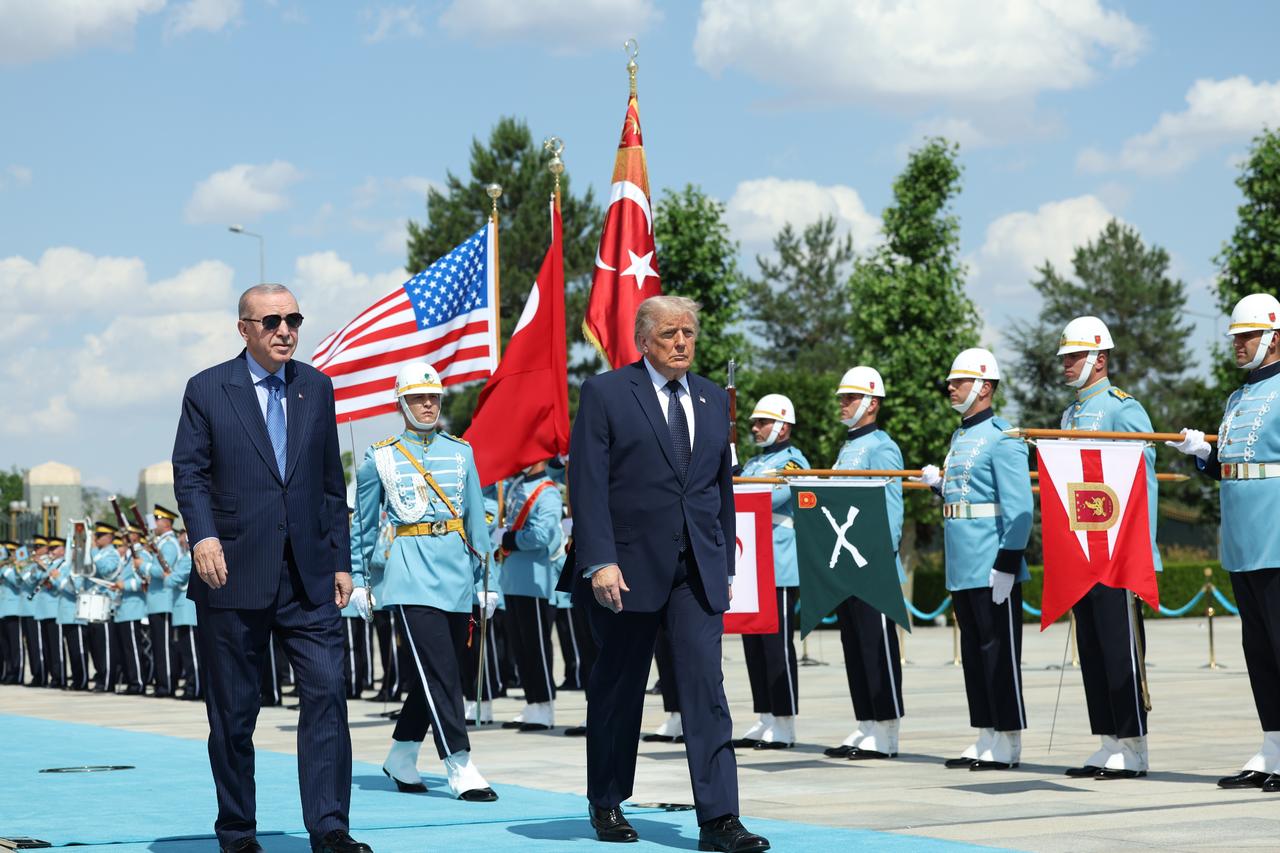


For most of the past decade, the Turkish-American relationship behaved less like a strategic alliance and more like a chronic medical condition, defined entirely by its irritants: the F-35 expulsion, the shadow of CAATSA sanctions, and a perpetual game of chicken in Syria's northeast.
Yet, under the transactional choreography of the second Trump administration, those very grievances have been dismantled with an almost unsettling efficiency within a brief year-and-a-half period.
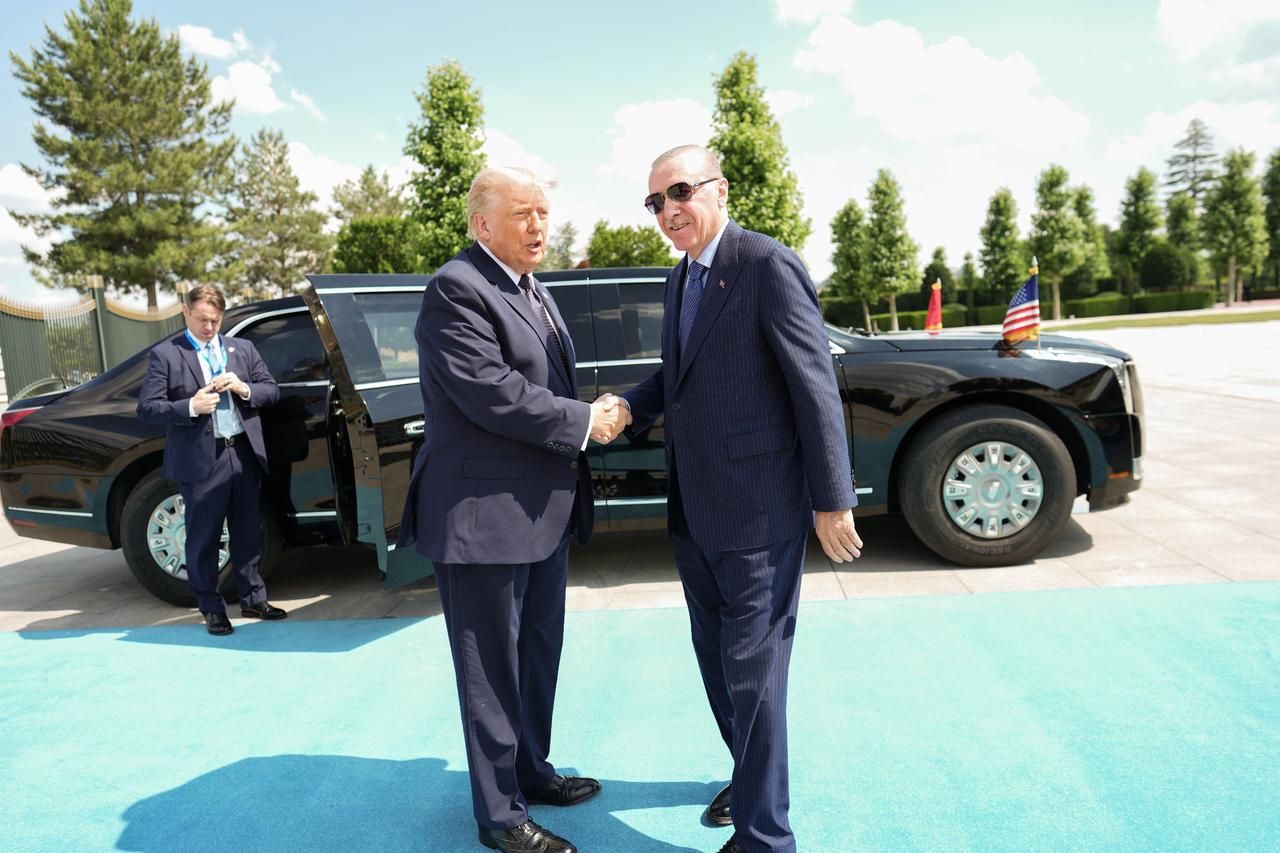
Syria policy converged rather than collided after the fall of Assad. The Ankara Summit closed out what was, by NATO standards, an unusually tidy list of bilateral grievances.
The F-110 engine sale went through, CAATSA stopped functioning as a permanent veto on defense cooperation and President Trump asked, "Why wouldn’t we give the F-35s to Türkiye?"
Yet, clearing a punch list is a far cry from formulating a long-term grand strategy.
Now that the U.S.–Türkiye relationship is no longer organized around managing its own dysfunction, the real question for Ankara and Washington is what it's actually for. The summit pointed, directly or indirectly, to three areas where an answer is taking shape: defense co-production, follow-through on existing trade targets, and a long-term energy relationship built around Turkish infrastructure.
The clearest signal of where things are headed came out of the NATO Defense Industry Forum (NISDIF), held alongside the Ankara summit. Its stated purpose is to move the alliance's defense relationship from a buyer-seller structure to joint production—a different proposition entirely from the F-35 saga, which was always a story about access. This is a story about who builds what, and where.
A shared Pentagon-Presidency of Defense Industries (SSB) investment framework, of the kind President Erdogan has floated for maritime defense and shipbuilding specifically, would formalize that.
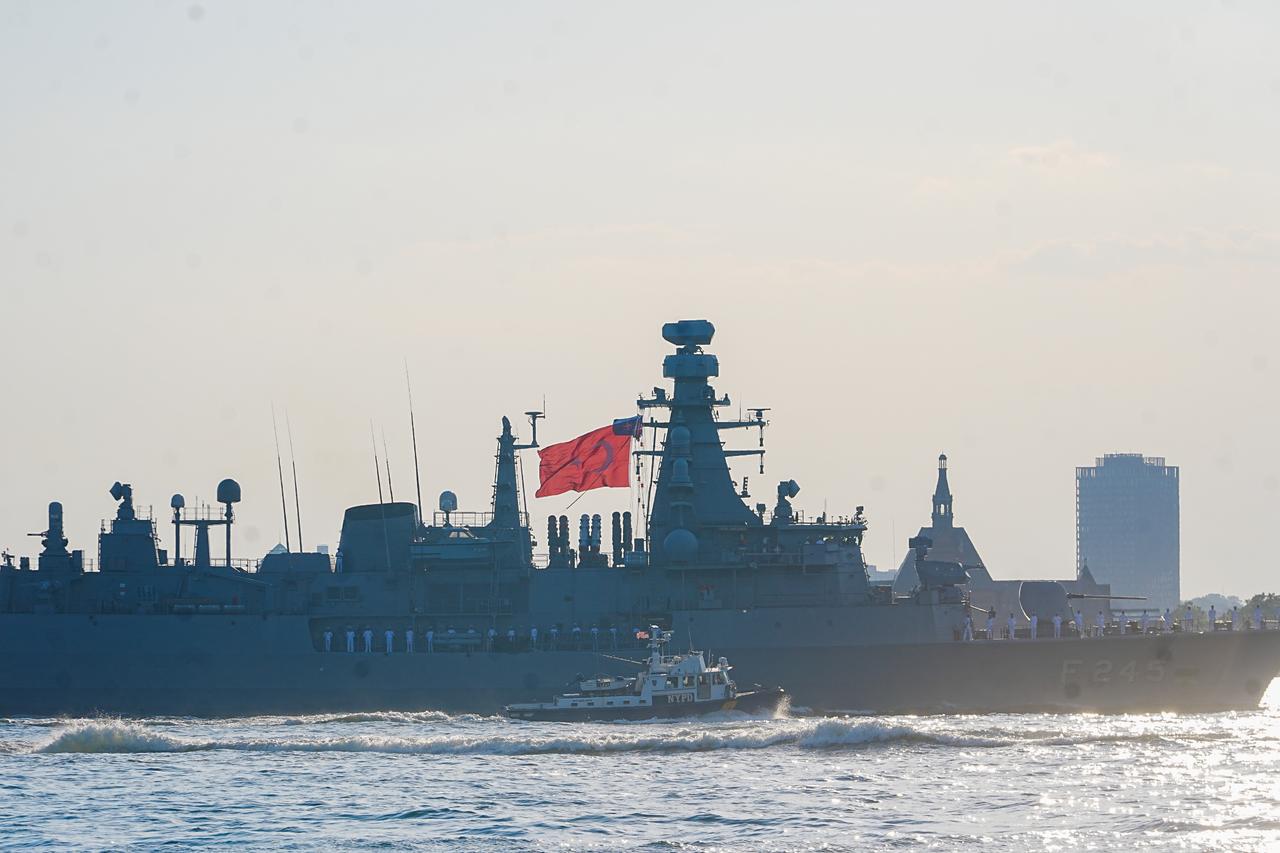
Ammunition manufacturing, UAV and loitering-munition integration, naval platforms such as corvettes and frigates, and air defense systems are all on the table, pairing Lockheed Martin and Northrop Grumman with TAI, Baykar, and Aselsan.
The logic is straightforward: Türkiye has scaled drone and munitions production faster than most NATO members, but the U.S. has the technology and capital to relieve the bottlenecks Turkish firms still face. A joint consortium structure lets both sides sell into markets neither could fully access alone—a more durable form of cooperation than any single contract.
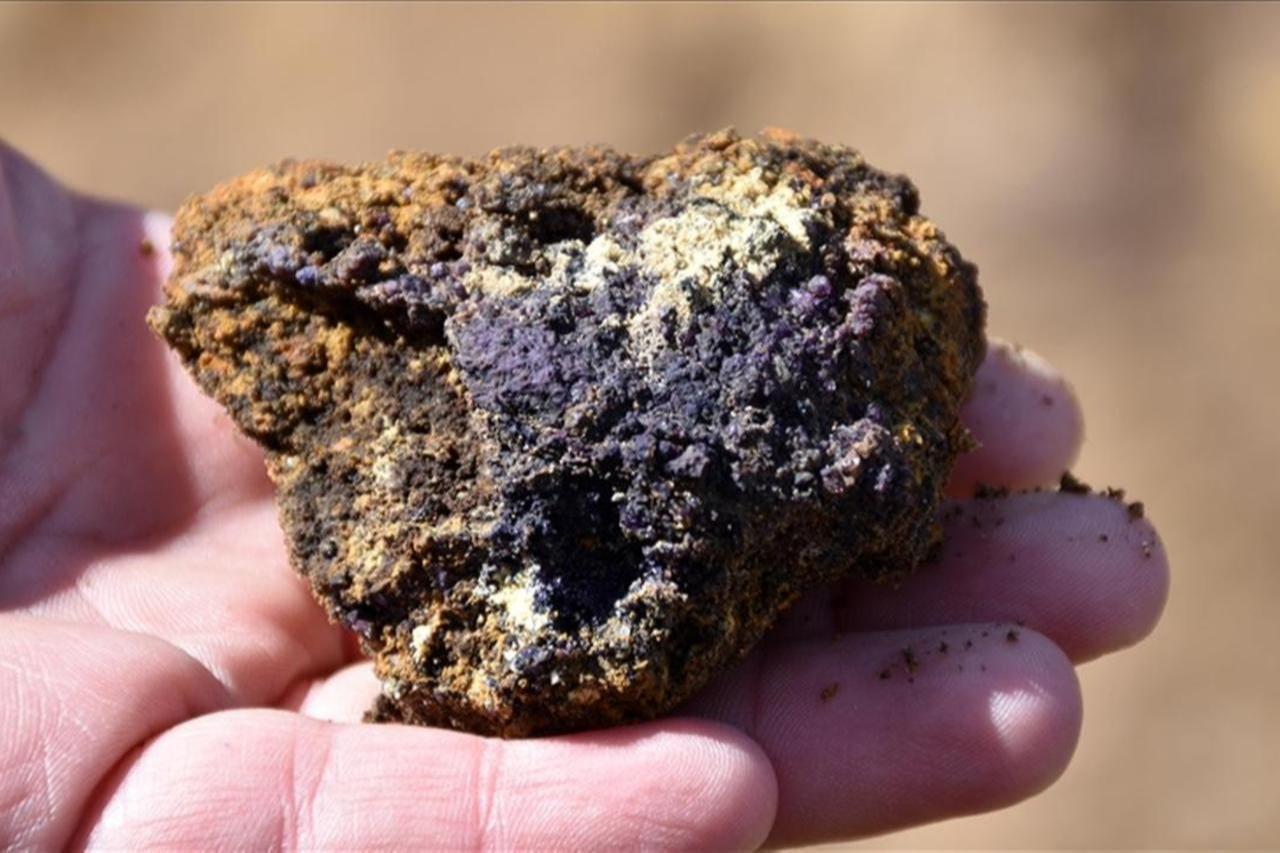

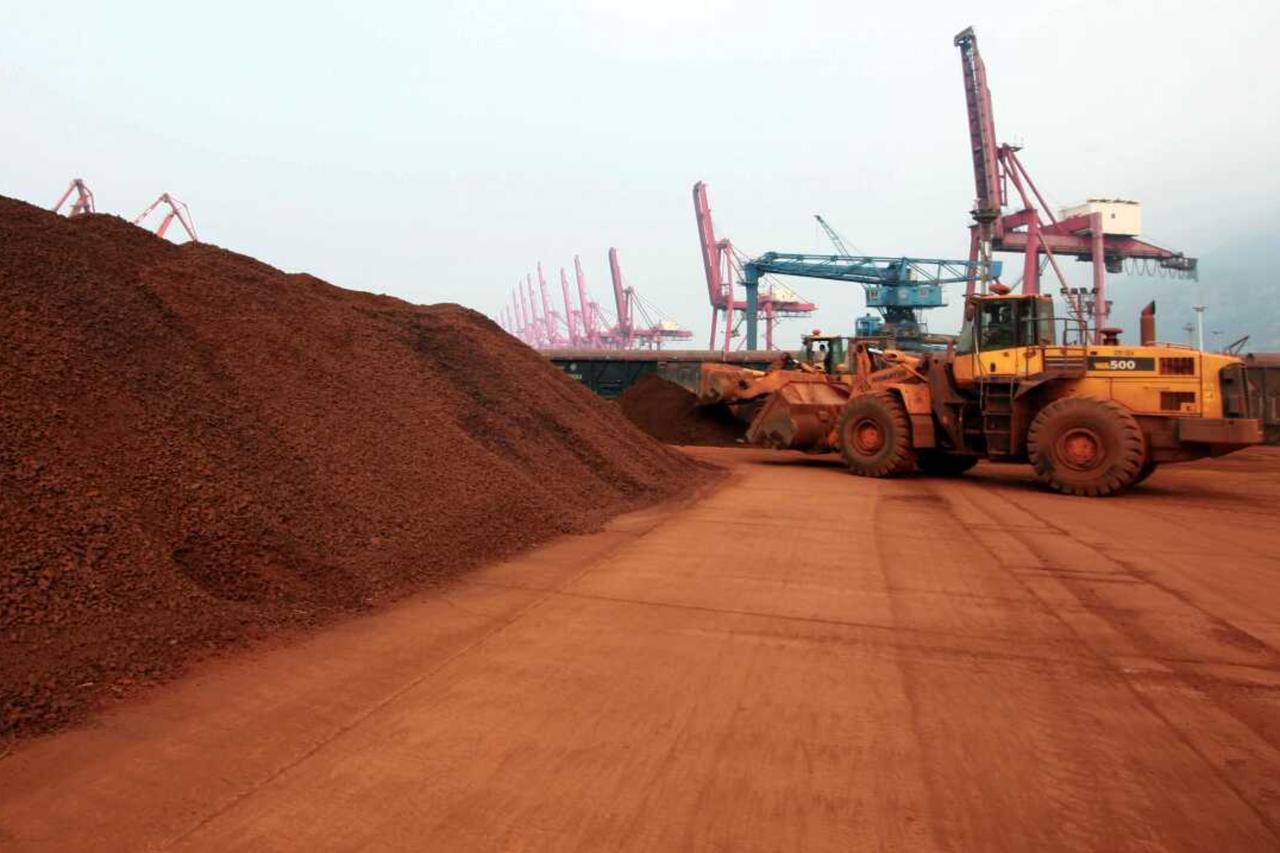
The second frontier is less obvious and, in the medium term, probably more consequential. In 2022, Turkish state surveys identified a rare earth element reserve in Eskisehir's Beylikova district estimated at 694 million tons, containing 10 of the 17 elements considered foundational to modern industry: smartphones, electric vehicles, defense systems, clean energy. It ranks among the largest known deposits in the world, behind only China's roughly 800-million-ton Bayan Obo field.
Ankara's first move was to approach Chinese state firms for the processing technology needed to turn ore into usable oxides. Those talks stalled. Beijing wanted the material refined on Chinese soil and would not share the separation technology that makes a deposit like Beylikova commercially meaningful.
For Türkiye, refining raw ore into cheap exports while ceding the value-added stage defeats the purpose of the discovery. Ankara closed that file and turned to Washington instead.
The timing lines up with something the U.S. has been building for other reasons: the Minerals Security Partnership and related efforts to break China's grip on the rare earth supply chain, where Beijing controls roughly 70% of global production and 90% of refining capacity. Beylikova, on paper, is exactly the kind of asset that partnership was designed to find.
The mechanism under discussion must mirror the "Turnberry model" Trump used with the EU: sectoral tariff caps, in this case reportedly around 5% on critical minerals, in exchange for a dedicated bilateral trade corridor rather than a broad free trade agreement.
At the core of Trump’s foreign policy is the conviction that Europeans are "free-riders" living off the back of the United States. If Trump is still willing to grant such privileges to the Brussels-Berlin-Paris axis, which fails to meet defense spending targets, burdens NATO, and runs massive trade surpluses against the U.S., there is absolutely no reason why he wouldn't strike a similar deal with Türkiye.
After all, compared to the EU version, a much smaller Turkish iteration offers a critical strategic contribution to deeply cement the alliance by breaking a Chinese monopoly with a partner willing to do the refining onshore.
An industrial processing facility at Eskisehir, with a planned annual capacity of 570,000 tons of ore, could begin producing industrial oxides within three to five years if built with U.S. refining technology. That would make Türkiye a genuine node in the Western defense and aerospace supply chain's effort to de-risk from China, not merely a beneficiary of American goodwill.
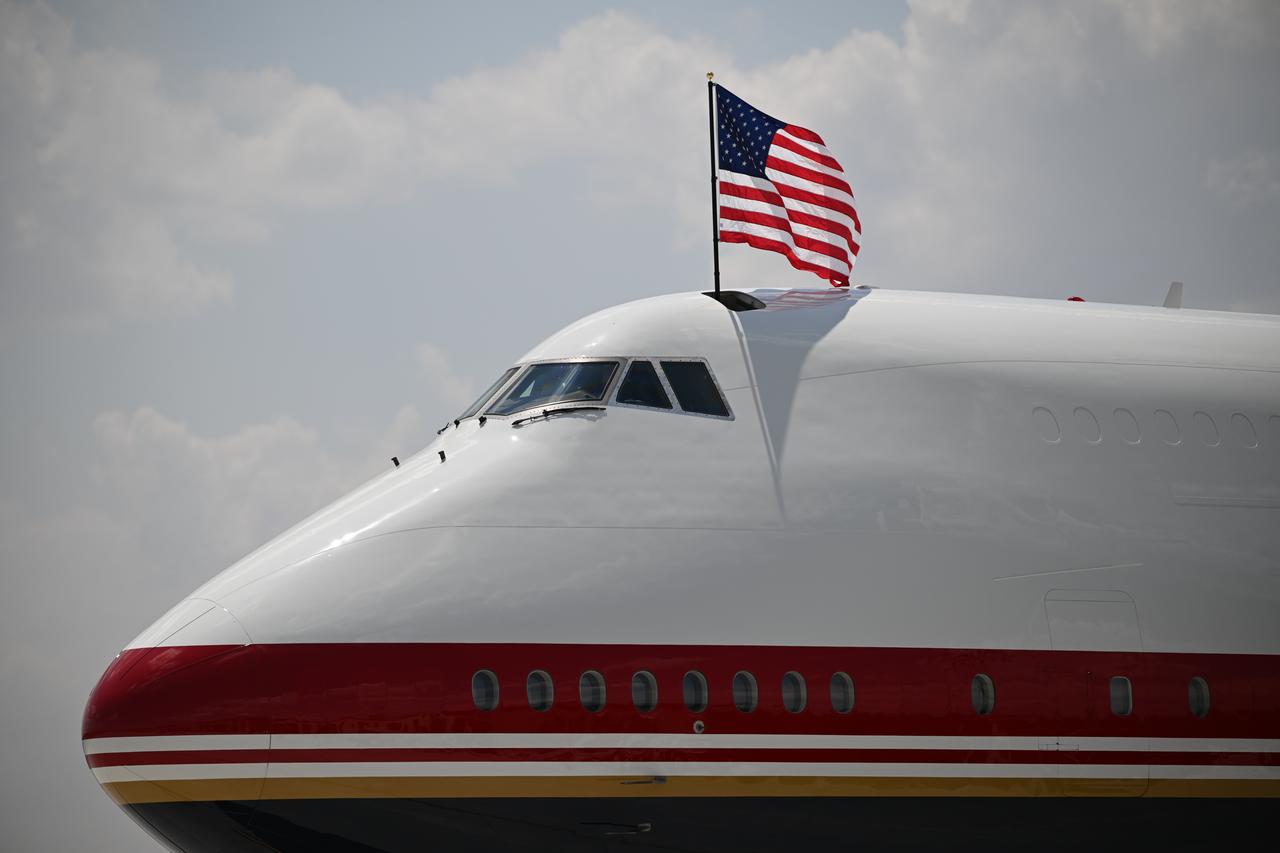
The third piece is energy, and it is where Türkiye's ambitions are least novel and most concrete. Ankara has spent the past decade building the physical case for calling itself a regional energy hub rather than a pipeline route: LNG import terminals, interconnectors, and storage capacity that already exceed what domestic demand alone would justify.
What is missing is not infrastructure but a long-term, price-guaranteed U.S. supply contract to fill it. The U.S. is among the world's largest LNG exporters and needs durable offtake commitments to justify new liquefaction capacity; Türkiye has terminal capacity that can regasify American cargoes and redistribute them by pipeline across the region, including into markets still trying to wean themselves off Russian gas.
For Washington, the commercial case is a multi-decade market for U.S. producers plus equipment and technology sales tied to liquefaction and regasification. For Ankara, it is leverage: control of the pipe matters more, in the long run, than control of the well.
The contrast Trump himself has drawn is that of Europe as a demanding and thankless partner, Türkiye as an actor that shows up to the table with something to trade. It describes how Ankara wants to be seen, and increasingly how it is positioning itself to be treated.
None of these three tracks required the old irritants to disappear before they could start. But none of them could have moved past the concept stage while purchased F-35 delivery, CAATSA, and Syria policy were still live disputes eating up the bandwidth of both governments. That is the actual function the Ankara Summit served: not resolution for its own sake, but clearing the desk.
Defense co-production, a minerals-for-tariffs bargain, and a long-term LNG relationship do not, on their own, add up to an alliance free of friction. Turkish-American relations have never gone more than a few years without a new source of it.
The more interesting question is whether a relationship built on joint production and shared supply chains produces a different kind of friction than one built on sanctions and export bans, or whether it simply relocates the same argument to a new set of tables.


 Set as preferred source
 Set as preferred source


 2 min read
 1 min read