Newsletters


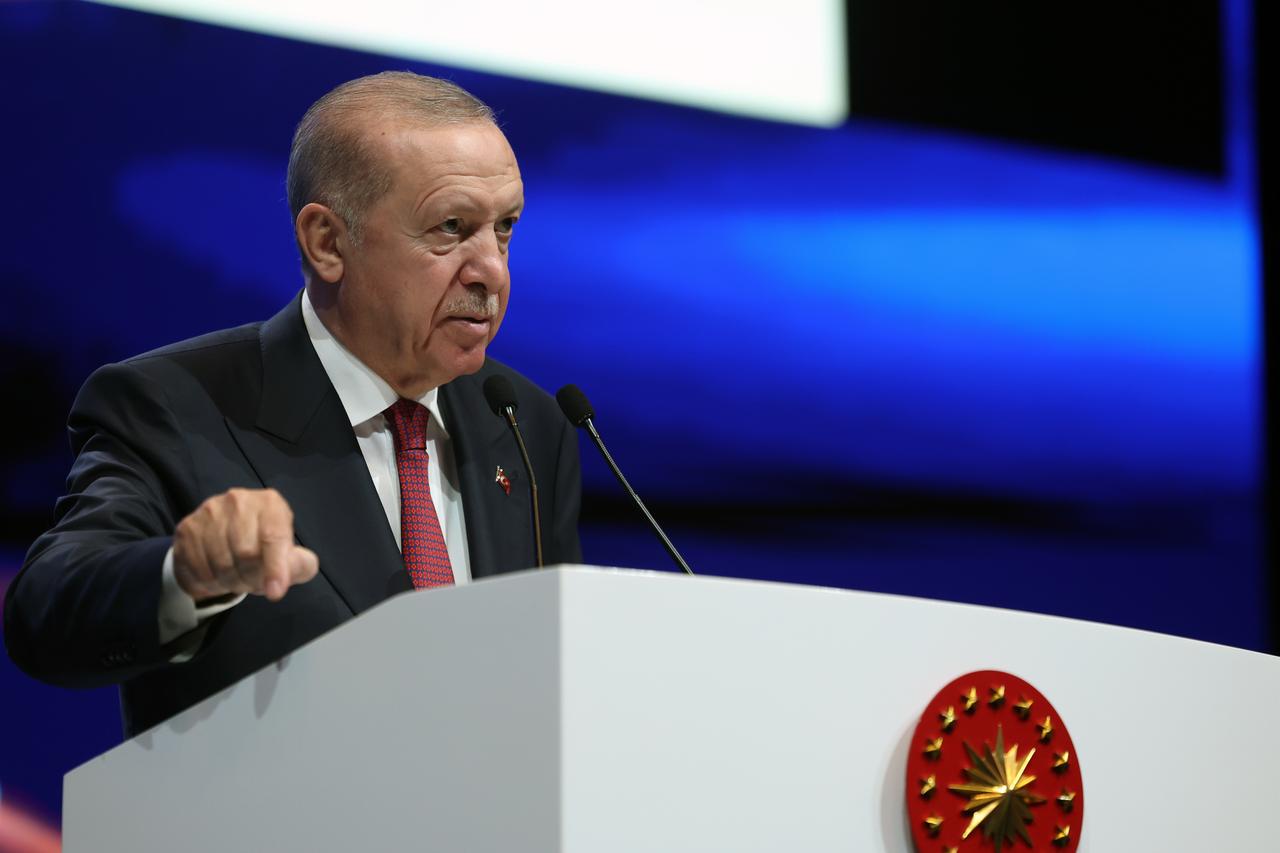


Türkiye stands as the strongest bridge and transit node between energy-rich and energy-dependent countries, a strategic role that recent regional crises have only reinforced, President Recep Tayyip Erdogan stated Friday.
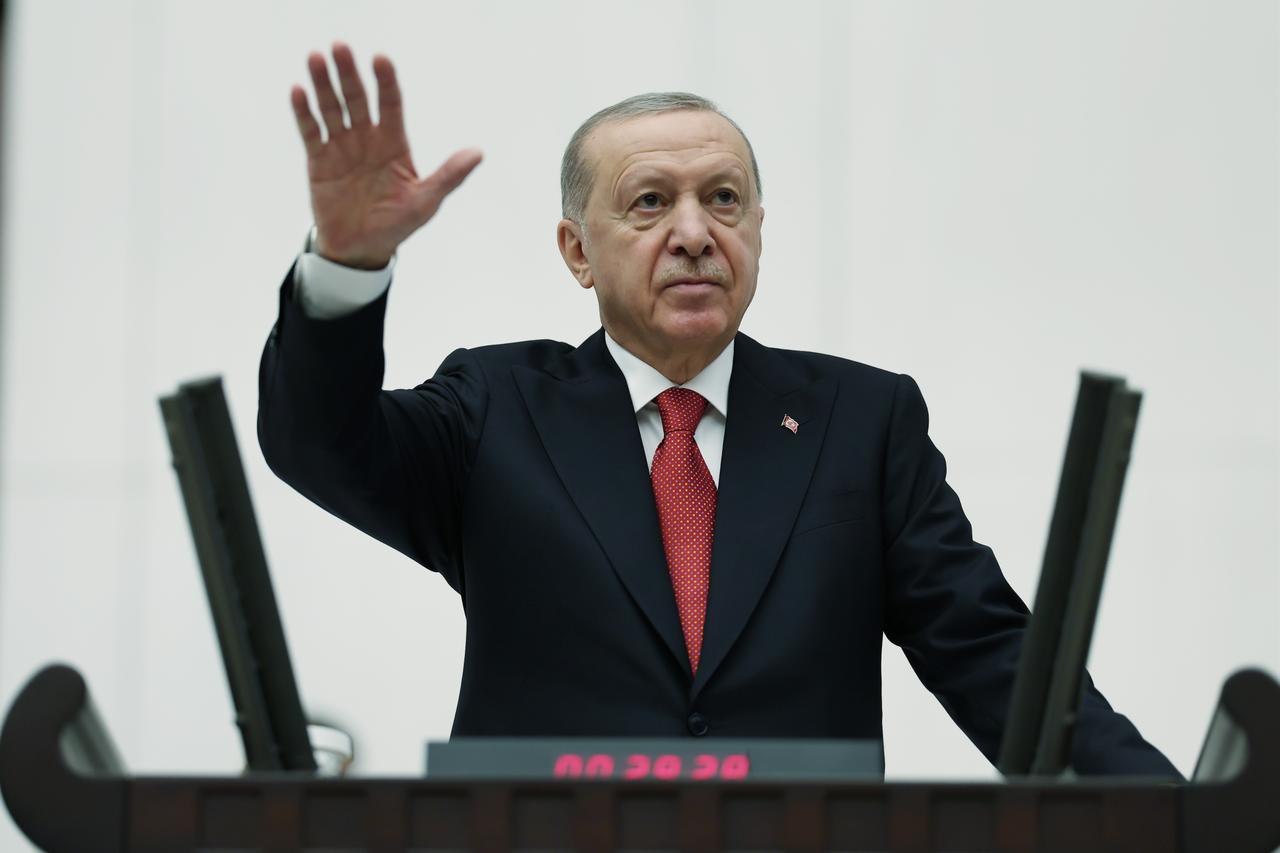
Speaking at the second Istanbul Natural Resources Summit, Erdogan emphasized that global developments continue to validate the country's critical position in the international energy landscape. The event was held at the Lutfi Kirdar International Convention and Exhibition Center.
"Türkiye is the strongest bridge and transit and junction point between geographies with rich energy resources and countries that need them. The recent crises in our region have confirmed and reinforced this characteristic of Türkiye," Erdogan said.
"Our country, despite all provocations, stayed out of the war with its sensible policy, and contributed to the establishment of calm through its initiatives prioritizing diplomacy and dialogue. Türkiye has stood out in the recent process as both a reliable partner in energy transport and as a key actor for peace. I believe we will see the positive effects of this more in the medium and long term," he added.
The Turkish president said when his government came to office, Türkiye's daily natural gas entry capacity stood at approximately 90 million cubic meters. Today, that figure has reached 495 million cubic meters.
Türkiye currently sources natural gas through five pipelines, two from Russia, two from Azerbaijan and one from Iran, and now procures gas from more than 50 companies across 39 countries.
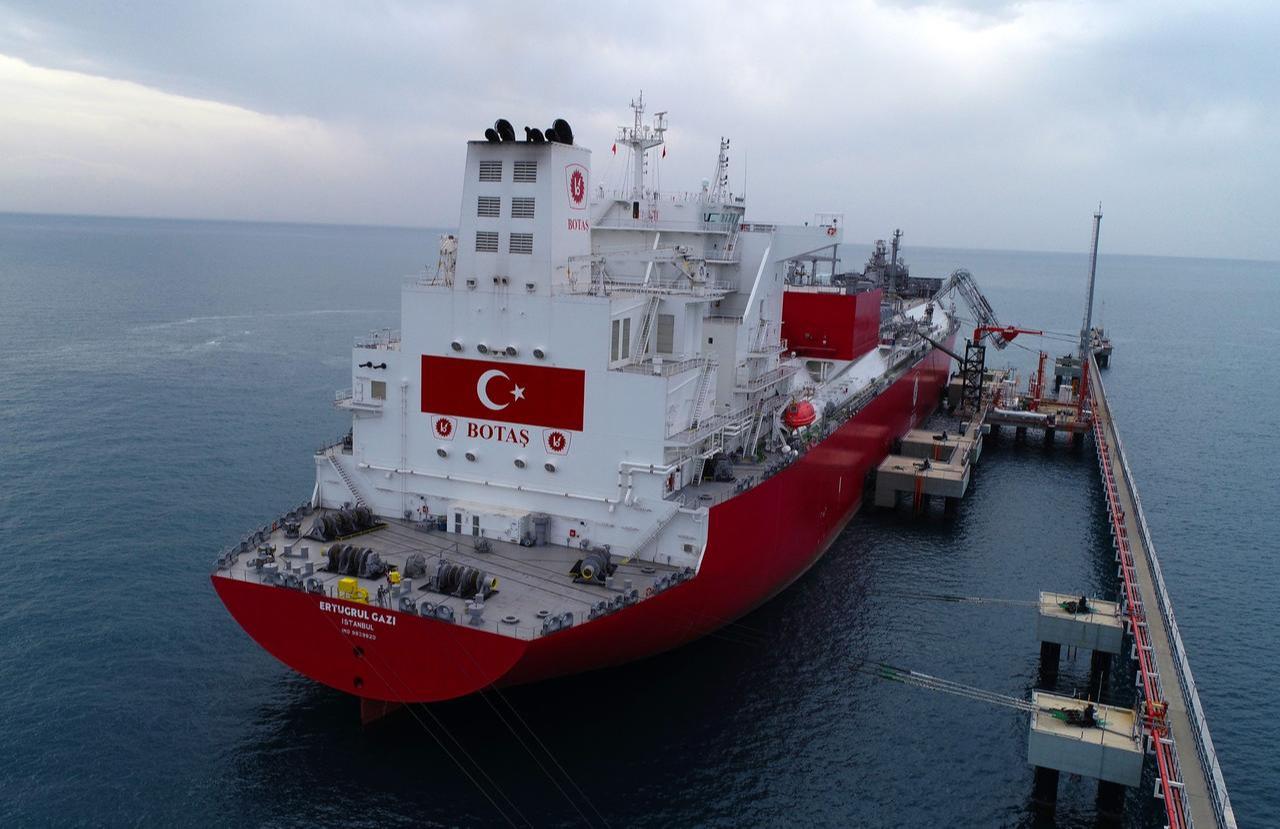
"With LNG terminals, FSRU facilities, storage investments and pipelines, we have made Türkiye one of Europe's strongest energy hubs. With new investments we will make, we will increase our daily LNG regasification capacity from the current 161 million cubic meters to 200 million cubic meters," Erdogan stated.

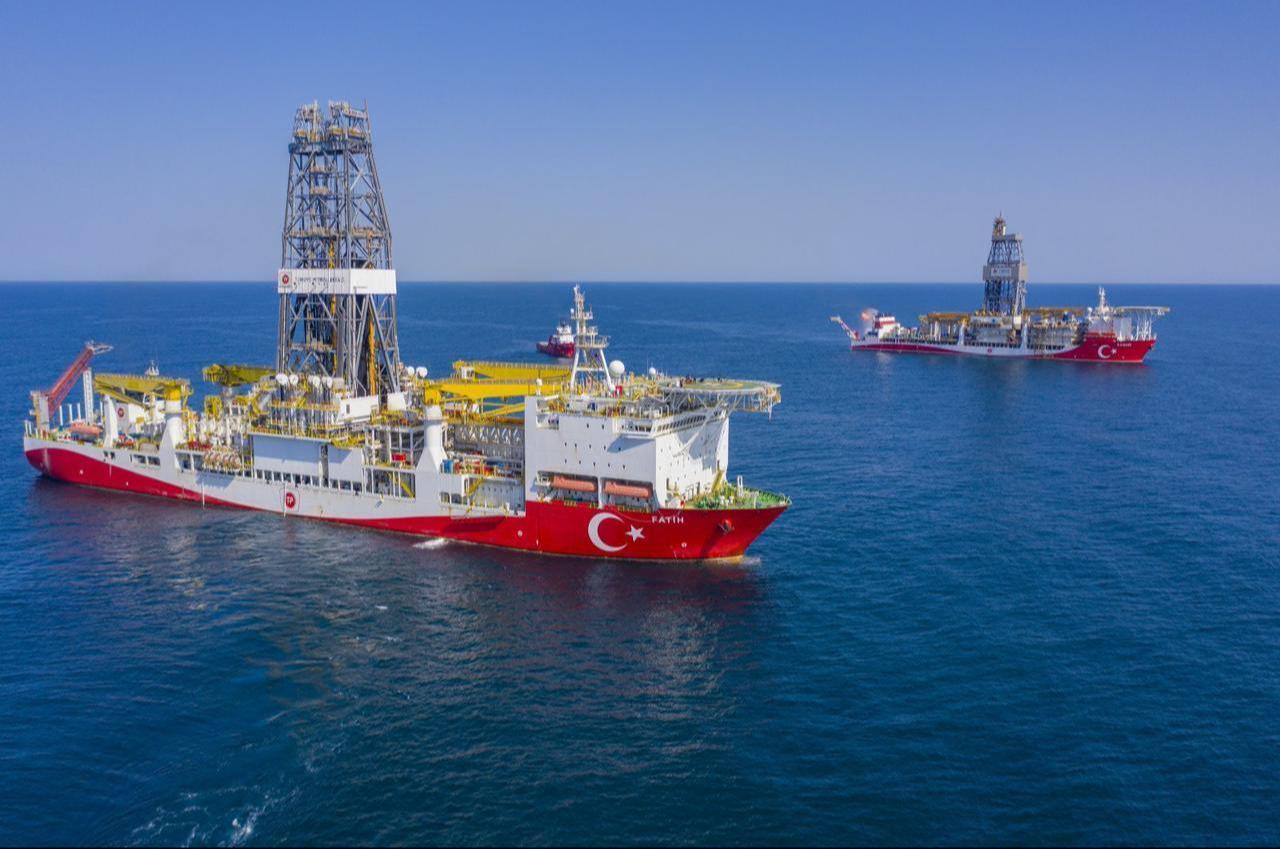
Erdogan said daily production at the Sakarya Gas Field in the Black Sea, discovered using the Fatih drilling vessel, had reached 9.5 million cubic meters, enough to meet the energy needs of millions of households.
He said the commissioning of the Osmangazi Production Platform would raise daily output to 20 million cubic meters in 2026, meeting the needs of approximately 8 million households.
A second floating production platform is currently under construction.
"With its entry into service in 2028, production will reach 45 million cubic meters per day in the third phase, and our domestic gas will reach 16 to 17 million households," Erdogan said.
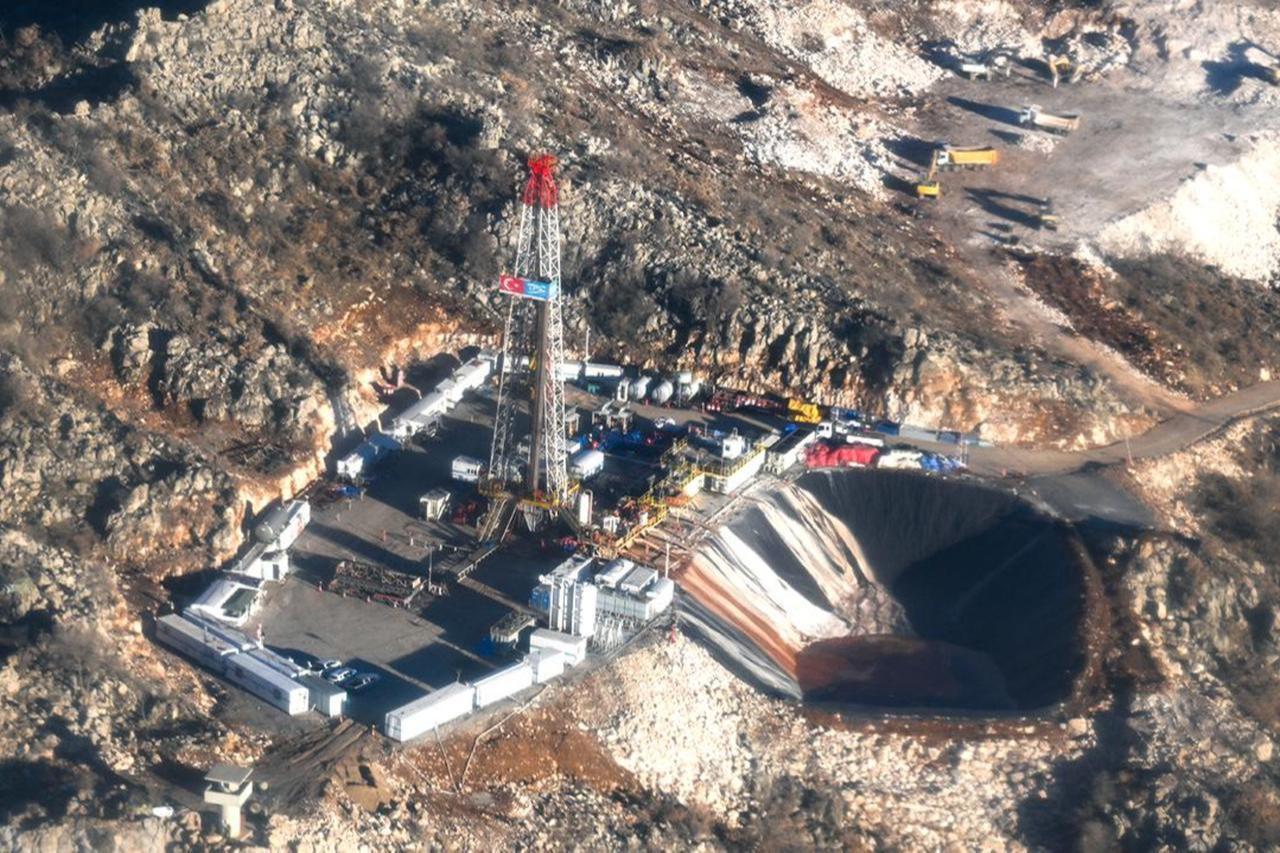
Erdogan said the Gabar oil field in Sirnak, described as the largest oil discovery in the history of the Turkish Republic, now accounts for 44% of Türkiye's total domestic oil production.
He said four additional fields had been identified in Diyarbakir following the Gabar discovery, with 24 wells planned over the next three years.
"Today, the production obtained from Gabar makes a very significant contribution to Türkiye's energy supply security," Erdogan said.
He linked the field's output directly to the "terror-free Türkiye" process, saying that as the shadow of terrorism lifts, regions once associated with fear and displacement were now associated with production, investment and employment.
Erdogan said Turkish Petroleum, the state oil company, aimed to become a company producing a total of 1 million barrels of oil and gas, with both domestic and international exploration, drilling and production activities to be expanded accordingly.
Erdogan described drilling operations off the coast of Somalia as historically significant, calling them Türkiye's first deep-sea exploration drilling operation abroad.
He said the operation was expected to be completed in six to nine months if weather and climate conditions allowed.
"Our wish is to give the good news that the brotherly Somali people, who have struggled with internal instability and scarcity for many long years, have been waiting for," Erdogan said.
He also confirmed that joint work with Syria's new government was continuing on both the mining and oil fronts, and that the completion of Syria's integration process would create a more favorable environment for new cooperation opportunities.
The Turkish president noted that Ankara ranked ninth in the world in mineral diversity and that mineral exports reached $6.2 billion in 2025. Türkiye holds 73% of the world's boron reserves and leads the global boron market through state enterprise Eti Maden.
A major rare earth element reserve discovered in Eskisehir's Beylikova district has placed Türkiye in what Erdogan called the "Champions League" of critical minerals globally.
A pilot facility in Eskisehir's Kirka district had produced its first lithium carbonate output, and work was ongoing to establish an industrial facility with an annual capacity of 600 tons at the same site.
"Full independence in energy, just as in the defense industry, is our country's Kizilma. Türkiye is walking steadily toward this goal. It will under no circumstances allow this march to be blocked," Erdogan said.


 Set as preferred source
 Set as preferred source


 6 min read