Newsletters


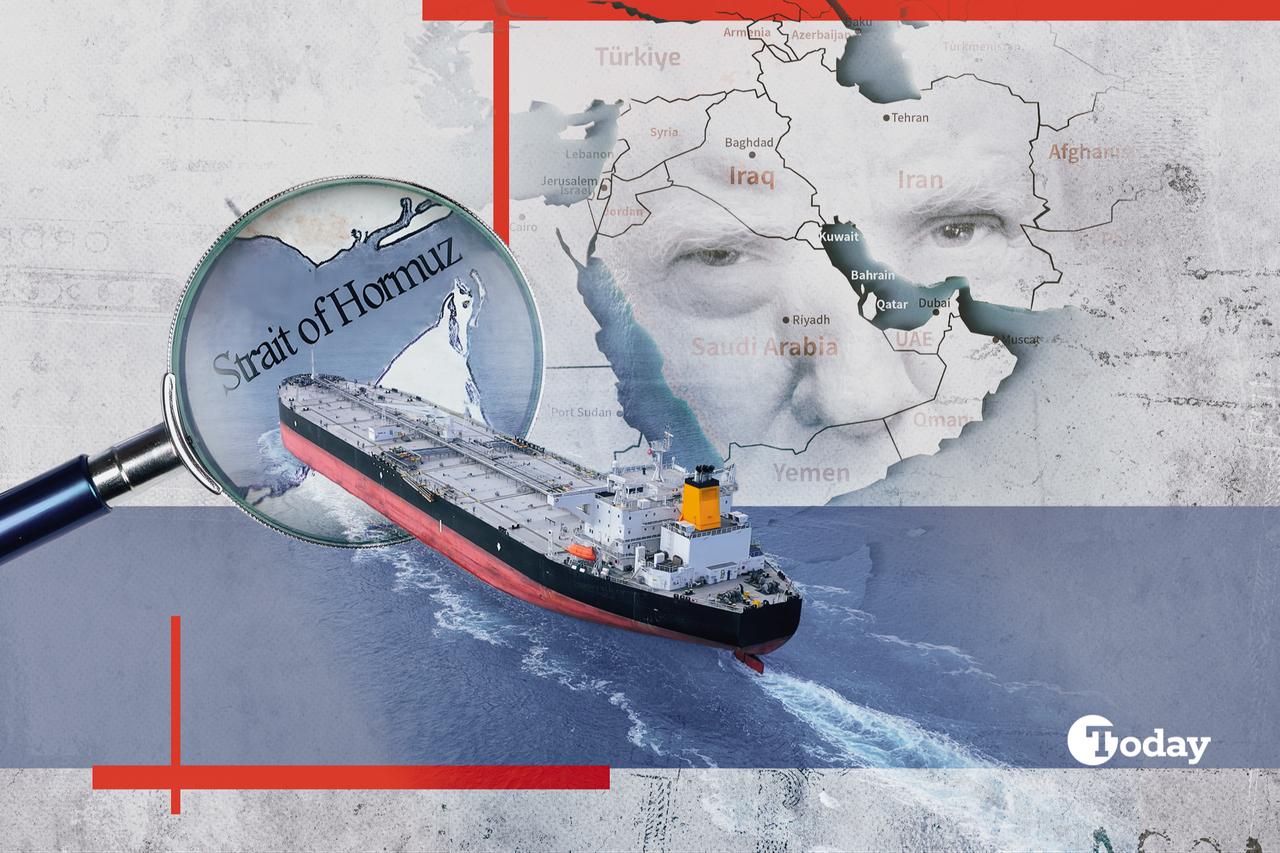


Amid the escalating Gulf war, a Turkish official, speaking on condition of anonymity, told Türkiye Today that Ankara has ruled out the possibility of participating in a naval operation to secure the opening of the Strait of Hormuz in a conflict that was started for "Israel's sake."
"It makes no sense to go to war with our neighbor and put our troops or ships at risk for Israel’s sake," the official said.
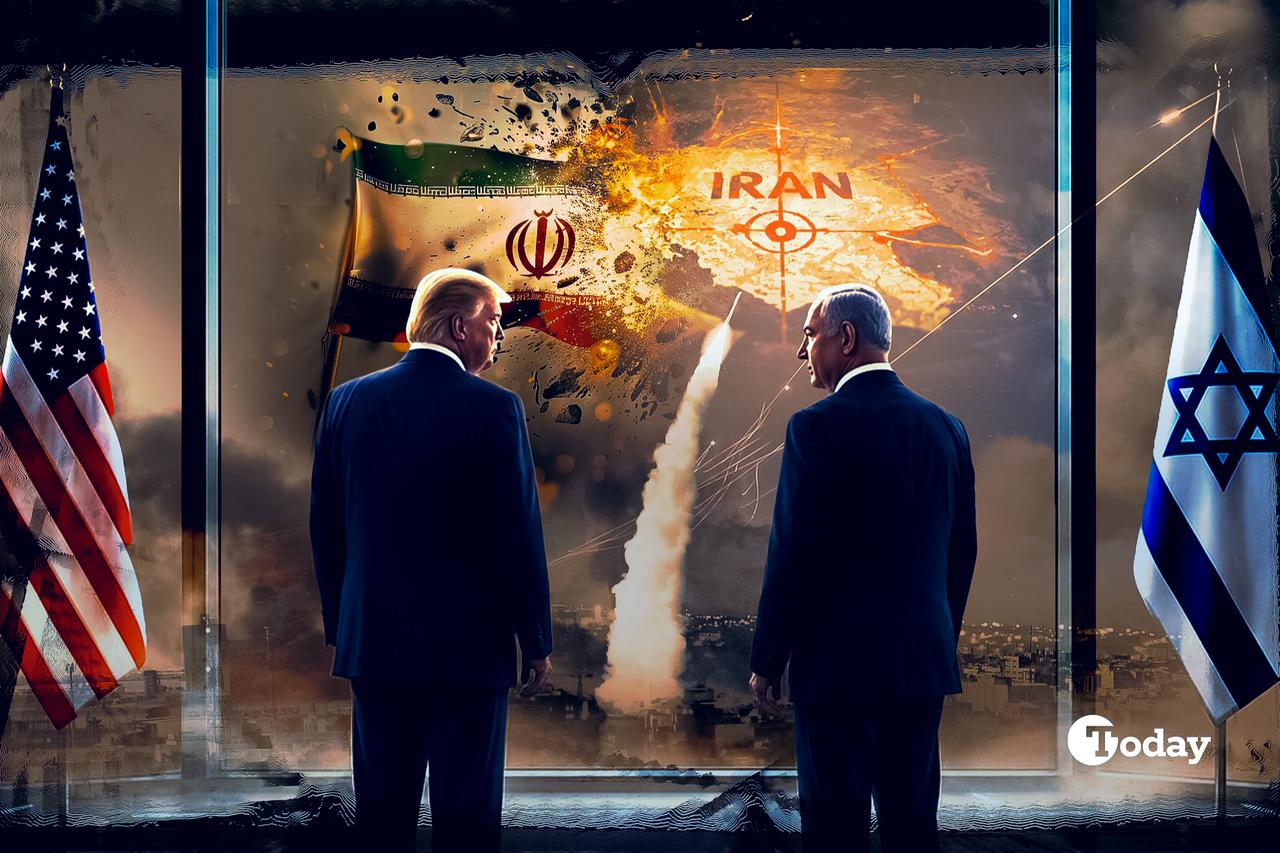
U.S. President Donald Trump's latest push for NATO involvement in securing the Strait of Hormuz has exposed not just a transatlantic rift but also a deeper structural reality: key allies, Türkiye included, are unwilling to be drawn into a widening Middle Eastern war.
Trump is upset with the NATO allies. Many are not up to fighting a war that was provoked and initiated for Israel’s national security interests.
Türkiye is not merely staying out of a naval operation; it is redefining its role in a conflict where geography, energy flows, and economic risks intersect in a complex manner.
Trump’s frustration with the inaction of NATO partners has been explicit. His remarks, “disappointed in NATO” and “we don’t need any help escorting ships through the Strait of Hormuz," underline a broader expectation that allies should align behind U.S. operational priorities.
Yet, the response from European capitals has been unequivocal.
Türkiye’s position stands out because it is not based on political signaling alone. It is grounded in structural realities. The Strait of Hormuz is one of the world’s most critical energy chokepoints.
Around one-fifth of global oil flows pass through it. For many economies, especially in Asia, disruption would be immediate and severe. For Türkiye, the picture is different.

Türkiye is affected by Hormuz, but not in a direct supply sense. Its oil imports are diversified. A significant share comes from Iraq through the Kirkuk Ceyhan pipeline.
This route bypasses the Gulf entirely. That matters. It reduces Ankara’s exposure to maritime disruptions in Hormuz. It also provides Türkiye a level of insulation that many of its peers lack.
The same logic applies to natural gas. Türkiye lies at the heart of the Southern Gas Corridor. Natural gas from Azerbaijan reaches Europe via Georgia and Türkiye. This is a land-based system. It is not dependent on maritime transport routes in the Gulf.
Just as Türkiye has begun to reap the benefits of its energy diversification policy following the disruption in the Strait of Hormuz, it is also set to reap the rewards of its steady investments in the Southern Gas Corridor.
Indeed, recent events have increased Europe’s need for energy sources not reliant on Russia or the Gulf. It is once again becoming clear that Türkiye is a transit country of strategic importance in the energy sector.
So, there is no need for Ankara to send ships through the Strait at the US’s request or to become involved in a war sparked by Israel’s demands. Turkish officials share this view.
“The Strait of Hormuz has become an issue affecting the global system. It is impossible not to be affected by this, but at a point where the U.S. has taken on Israel’s aggressive ambitions and failed to achieve its strategic objective, it makes no sense to both go to war with our neighbor and put our troops or ships at risk in the Strait of Hormuz for Israel’s sake," the official said.
There is also a security dimension to this. Despite the Islamic Revolutionary Guard Corps (IRGC)’s attempted missile attacks on the Turkish Incirlik airbase hosting U.S. soldiers, Türkiye wishes to keep tensions low to avoid any conflict with Iran. This is the result of both a multi-layered security analysis and Ankara’s regional policy.
Türkiye and Iran have a complex relationship. The two countries share a long land border and have a history of unresolved issues dating back many years in Lebanon, Syria and Iraq.
Ankara is constantly assessing the direct security consequences that engaging in a military operation against Iran would entail.
Turkish officials view it as a risk not only that the war could trigger a conflict between Iran and Türkiye, but also that the war, which began at Israel’s request, could evolve into a NATO-style coalition involving the U.S.
On this matter, the official stated: “When a missile was fired at Türkiye, we urged restraint regarding NATO and Article 5 to avoid escalating the conflict. Going to war is a choice you make when you are forced to do so. We do not want any conflict with Iran."
"That is why a stern warning was issued regarding the missiles. We are monitoring the situation and its consequences in the Gulf, Iraq, and Lebanon. However, the U.S.’s demand regarding the Strait of Hormuz is unrealistic."
"The U.S. wants to overcome certain points where it is struggling and cannot make progress by shifting the conflict into a NATO context and transforming it into a coalition like that in Afghanistan,” he added.
Sending ships through the Strait of Hormuz may seem like a simple idea. In practice, however, this is not the case. The strait is narrow, and traffic is heavy. Iran possesses asymmetric capabilities specifically designed for this environment, as well as allies for regional alternative operations.
Mines, unmanned aerial vehicles, missiles, and fast attack crafts.
A single incident could trigger a wider conflict.
Even the most powerful navy cannot fully control this region without risking an escalation of tensions.
This is why Ankara avoids entanglement. It is not about alliance loyalty. It is about exposure.
The closer a country is to the conflict, the higher the cost of escalation. Türkiye understands this better than most.
For Türkiye, joining such an operation would mean entering a conflict zone with limited strategic gain. It would not secure its own energy supply. It would not stabilize its economy. It would only increase its exposure to retaliation.


 Set as preferred source
 Set as preferred source


 2 min read
 1 min read