Newsletters


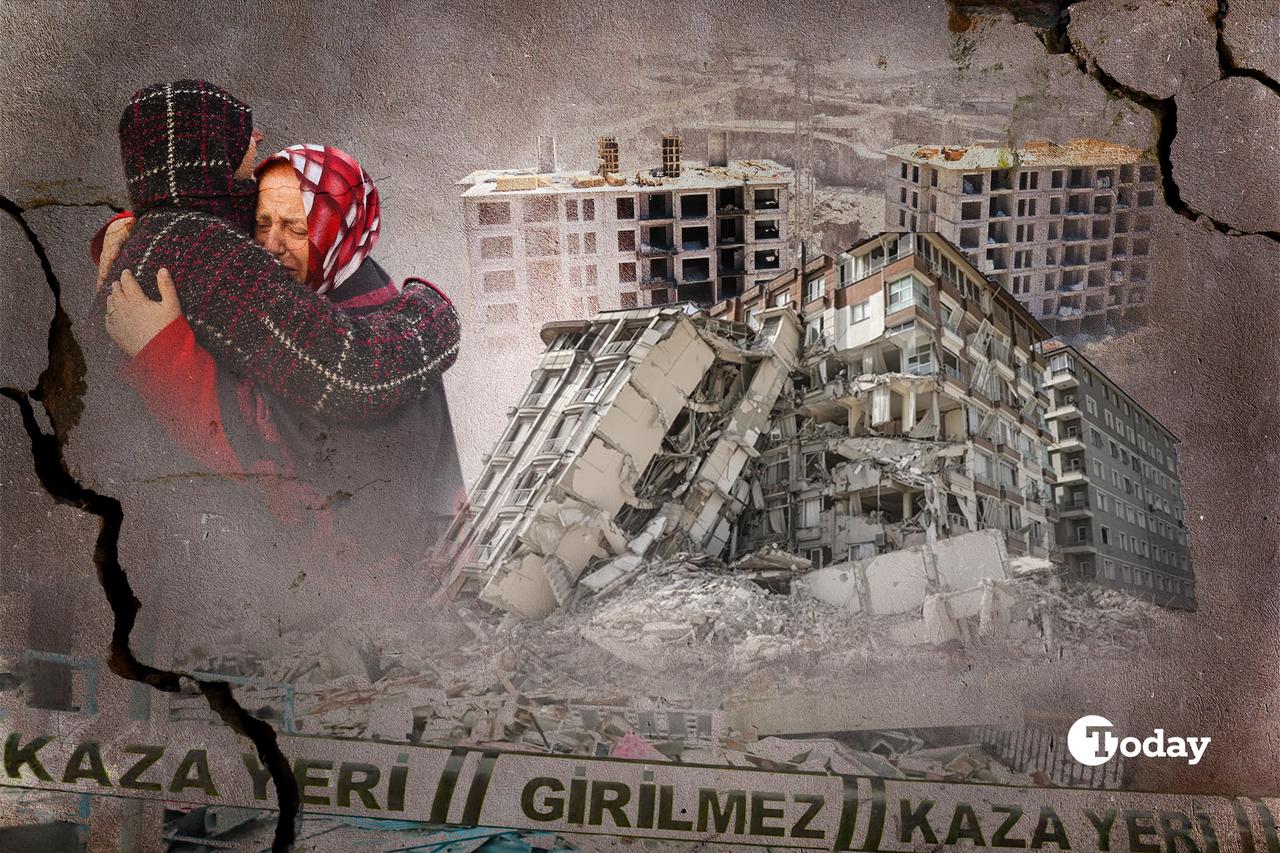
On Feb. 6, 2023, two major earthquakes struck southern Türkiye within nine hours, measuring Mw 7.7 and Mw 7.6, followed by a third powerful tremor on Feb. 20.
The disaster affected 11 provinces and over 14 million people, leaving 53,697 dead and over 107,000 injured.
The shock of those hours did not end when the ground stopped moving.
It remains in the memories of survivors and in the photographs that recorded rescue, loss and the long path toward rebuilding.
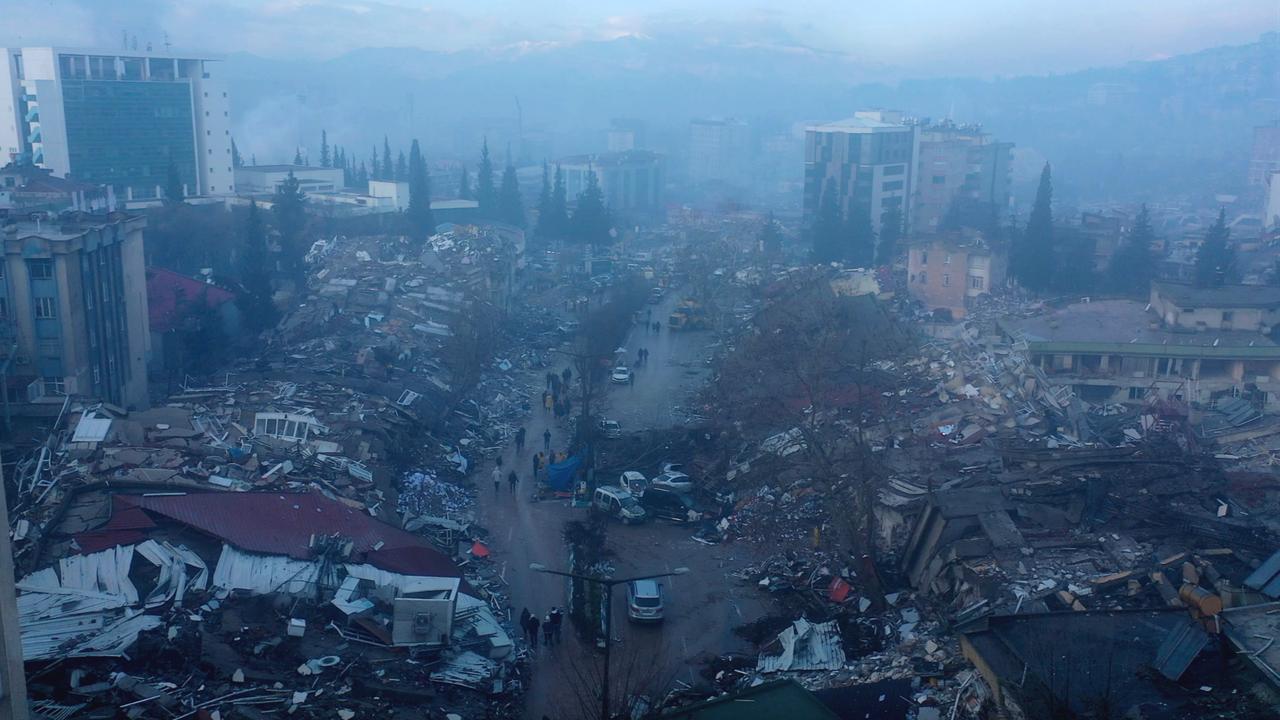
The Feb. 6 earthquakes flattened entire districts across 11 provinces.
In some urban areas, multi-story apartment blocks collapsed floor by floor, creating layered debris fields that stretched for blocks.
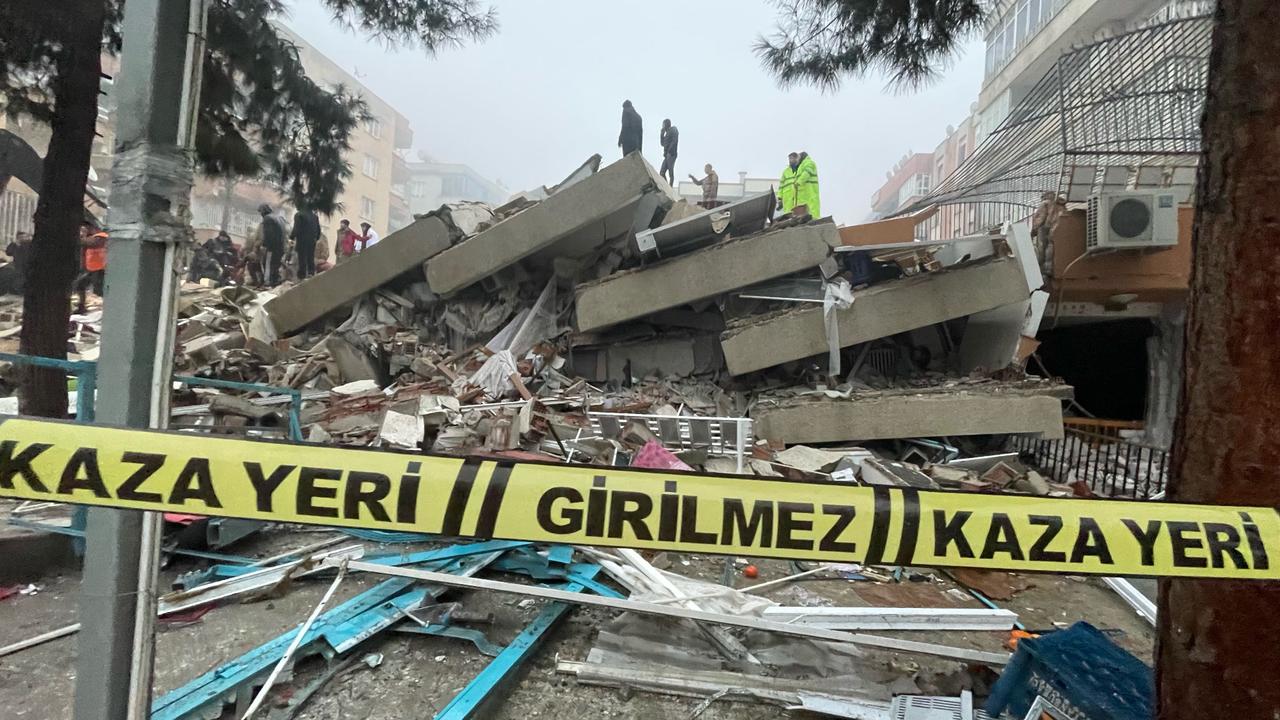
In the first hours, survivors searched with bare hands before heavy equipment arrived.
Rescue operations began in freezing winter conditions, complicating access and survival rates.
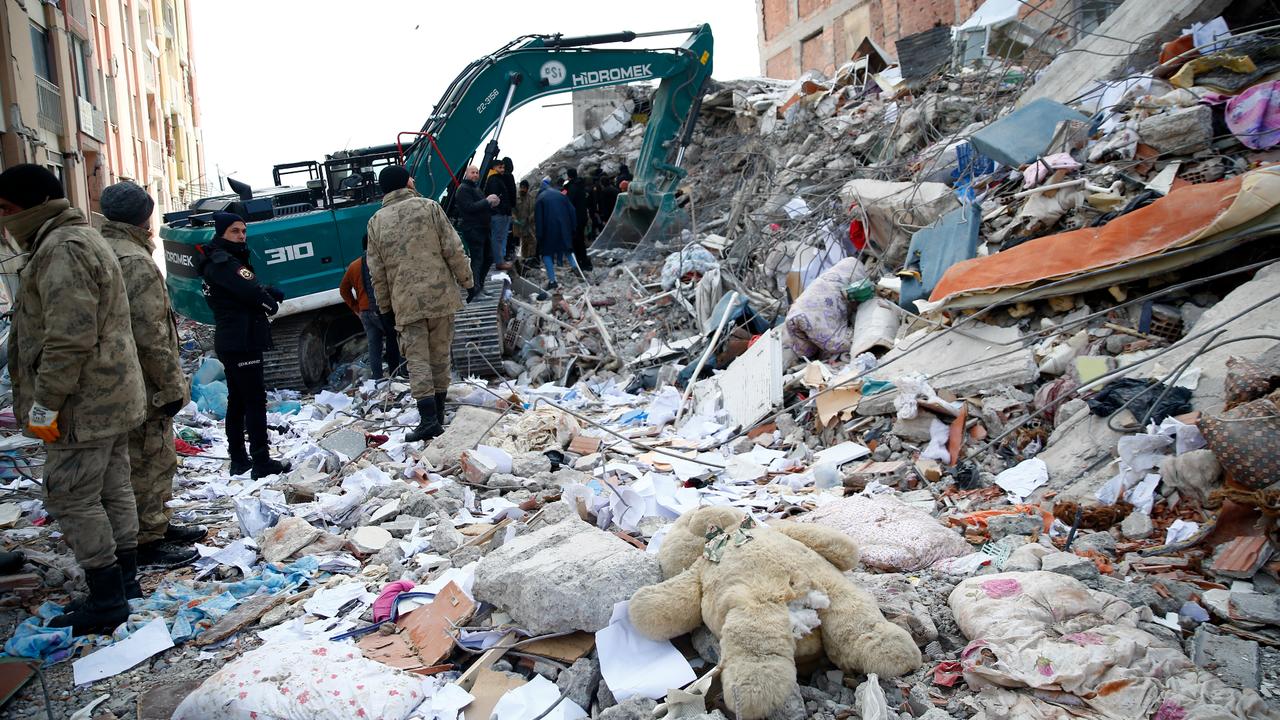
In the days after the quake, excavators moved into densely built neighborhoods to clear the rubble.
Official figures later showed that nearly 40,000 buildings had collapsed and more than 199,000 were classified as heavily damaged.
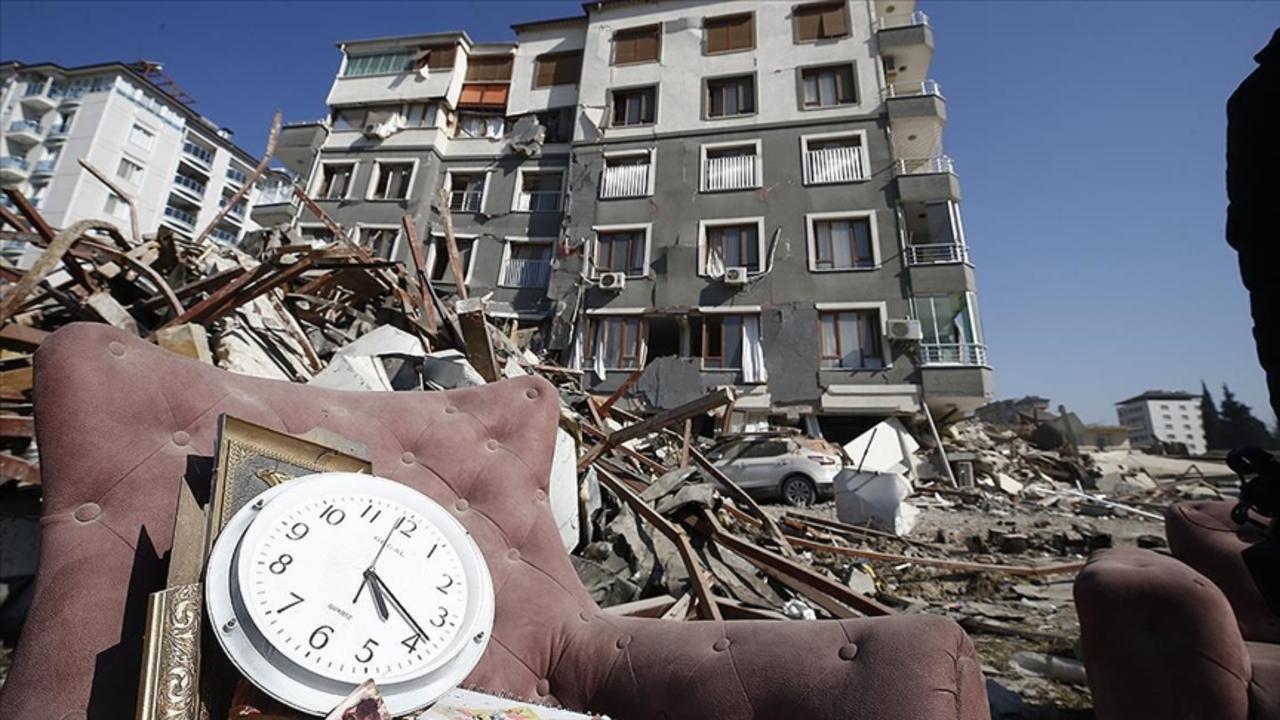
Inside the rubble, ordinary objects marked the abrupt halt of daily life.
Entire households were exposed to the open air within seconds of the tremors.
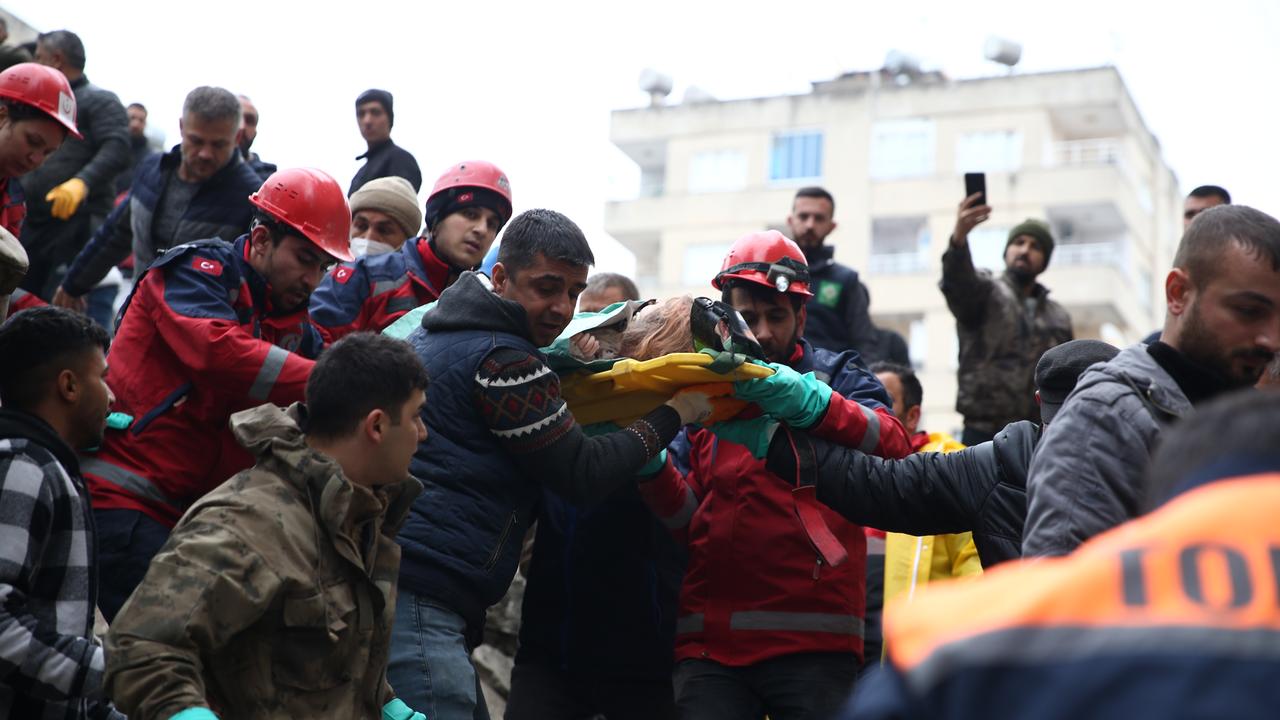
Search and rescue teams worked continuously across provinces, including Hatay, Kahramanmaras and Adiyaman.
Coordination involved AFAD, the military, police units and volunteer organizations.
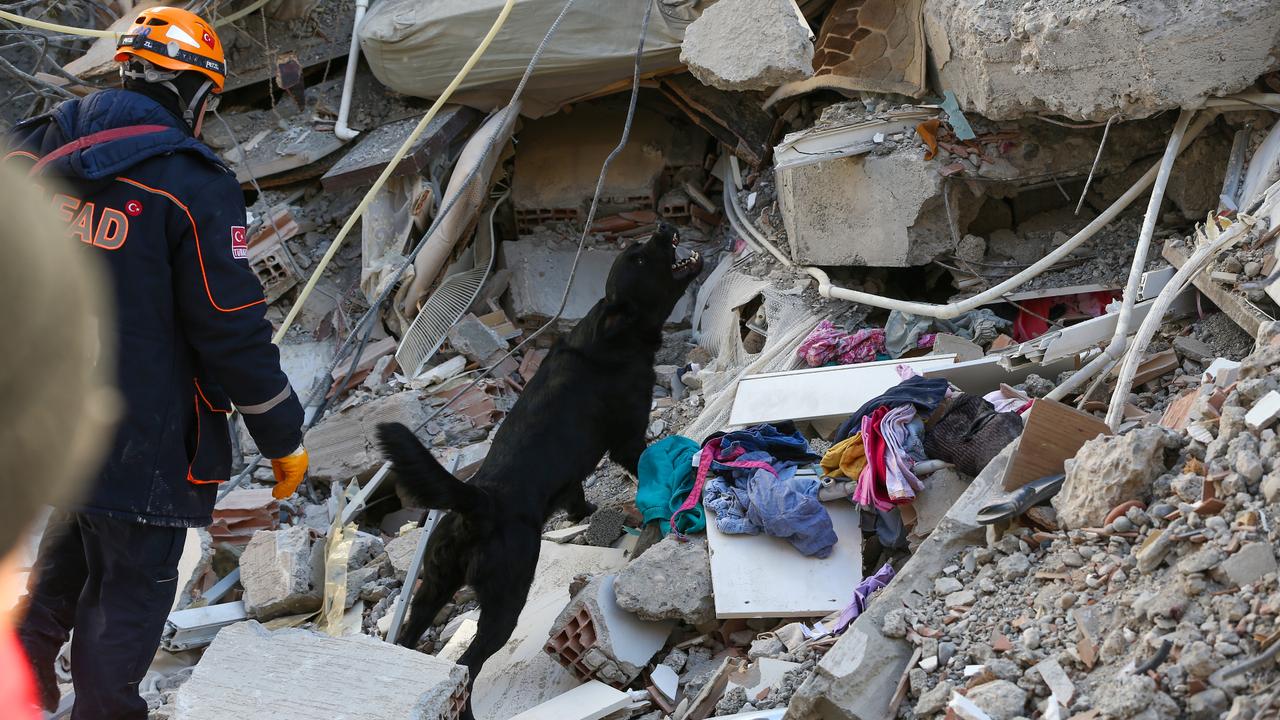
Specially trained dogs scanned unstable debris for scent signals.
Their alerts guided rescuers to narrow voids where survivors were trapped beneath reinforced concrete.
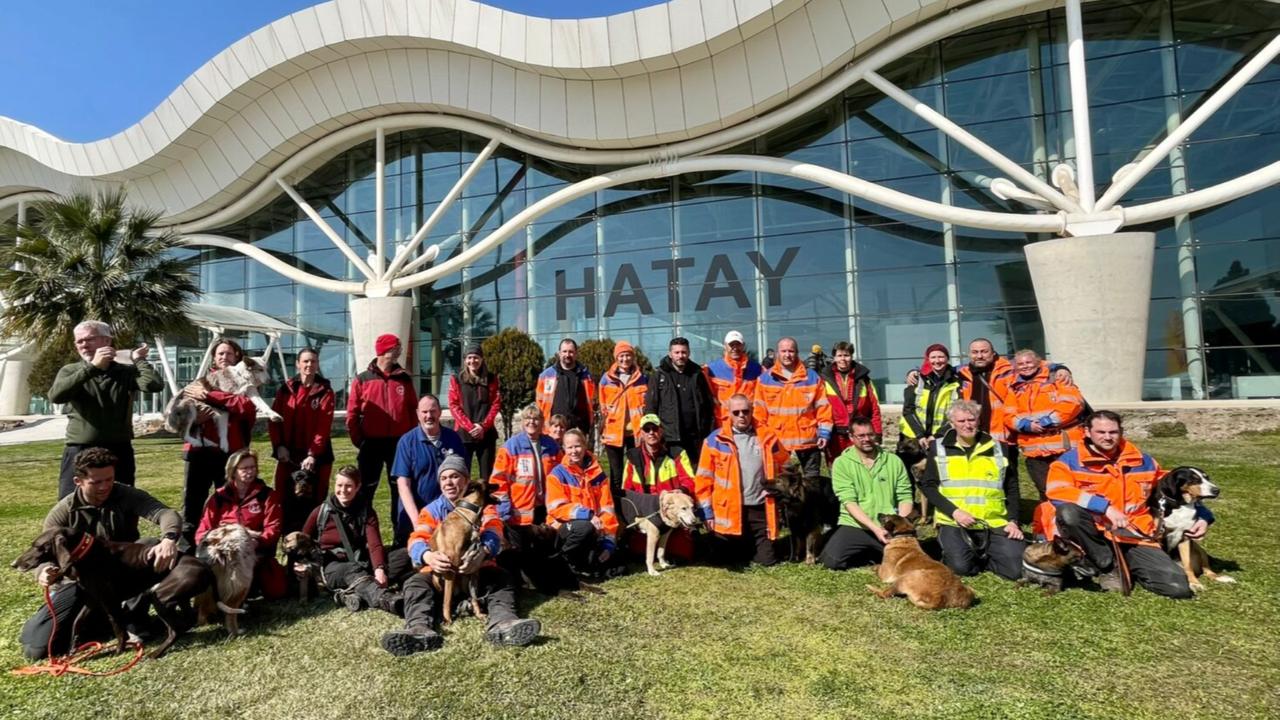
Over 11,000 foreign search and rescue personnel from 90 countries joined operations in the days after the earthquake, working alongside Turkish teams in the devastated region.
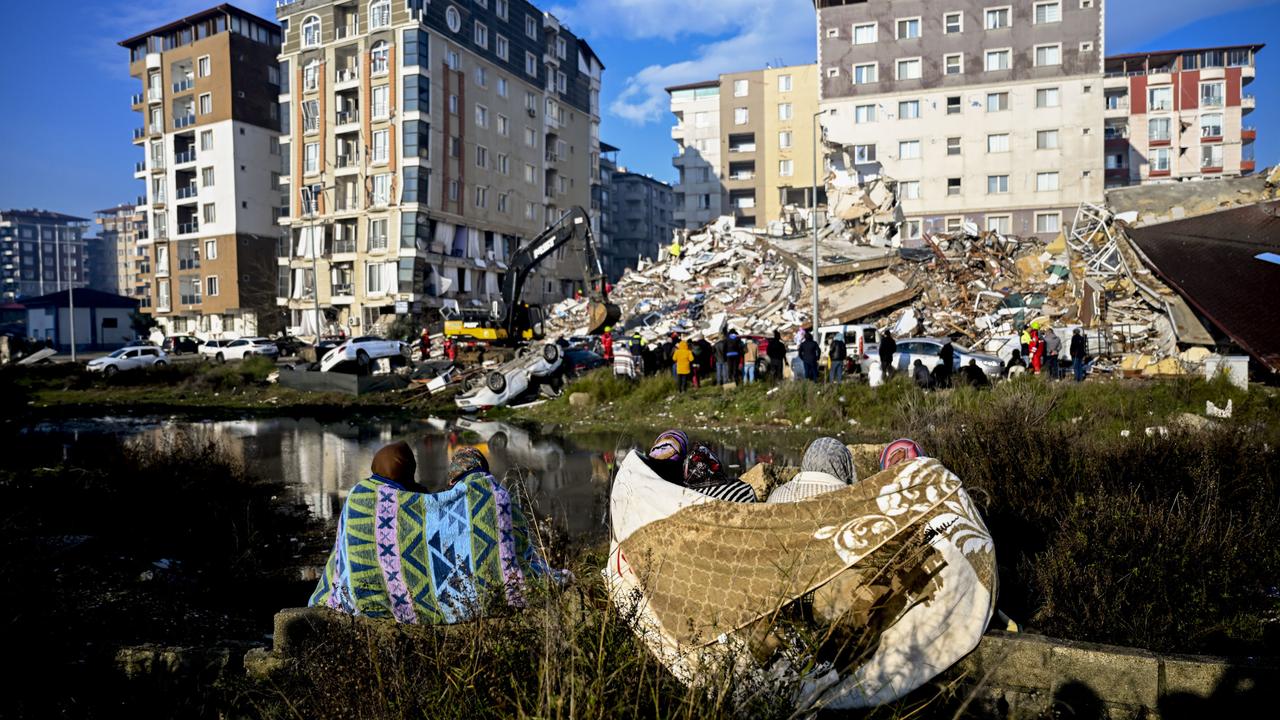
More than 3.5 million people were displaced in the immediate aftermath.
Temporary shelters and tent cities expanded rapidly as winter temperatures fell below freezing.
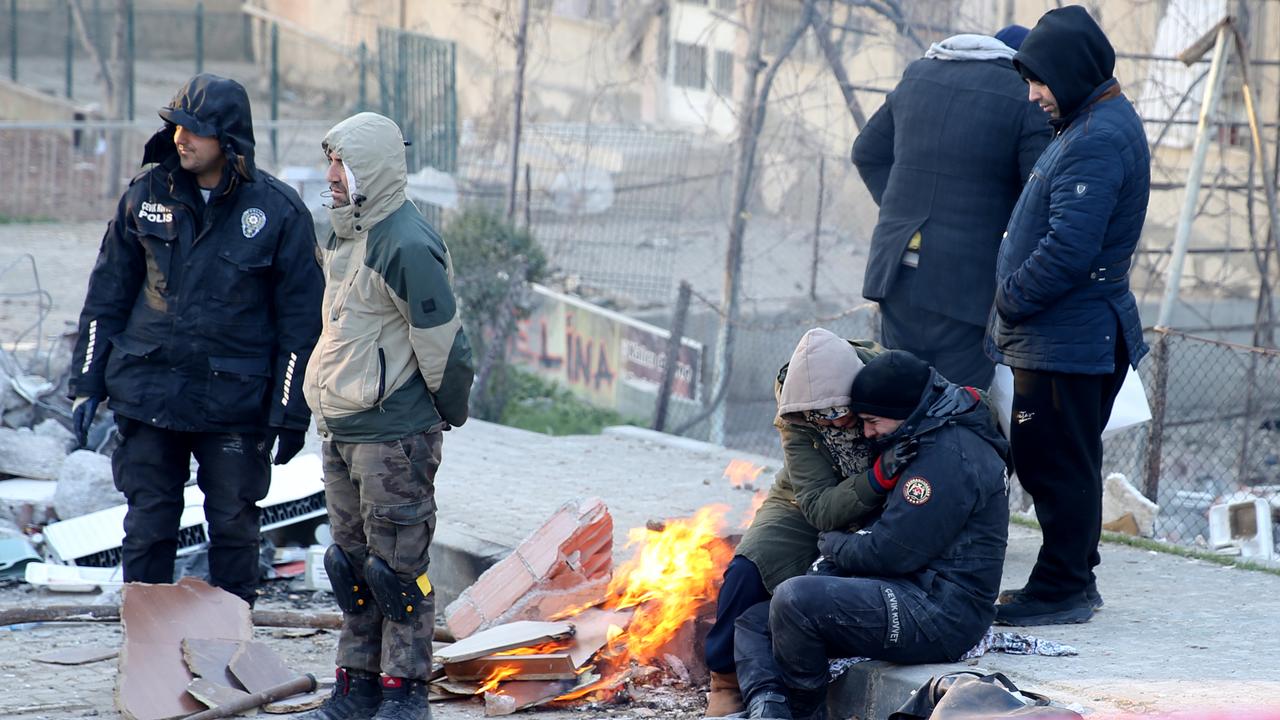
With homes destroyed and infrastructure damaged, many families spent nights outdoors.
Electricity grids, water networks and transportation lines required urgent repair.
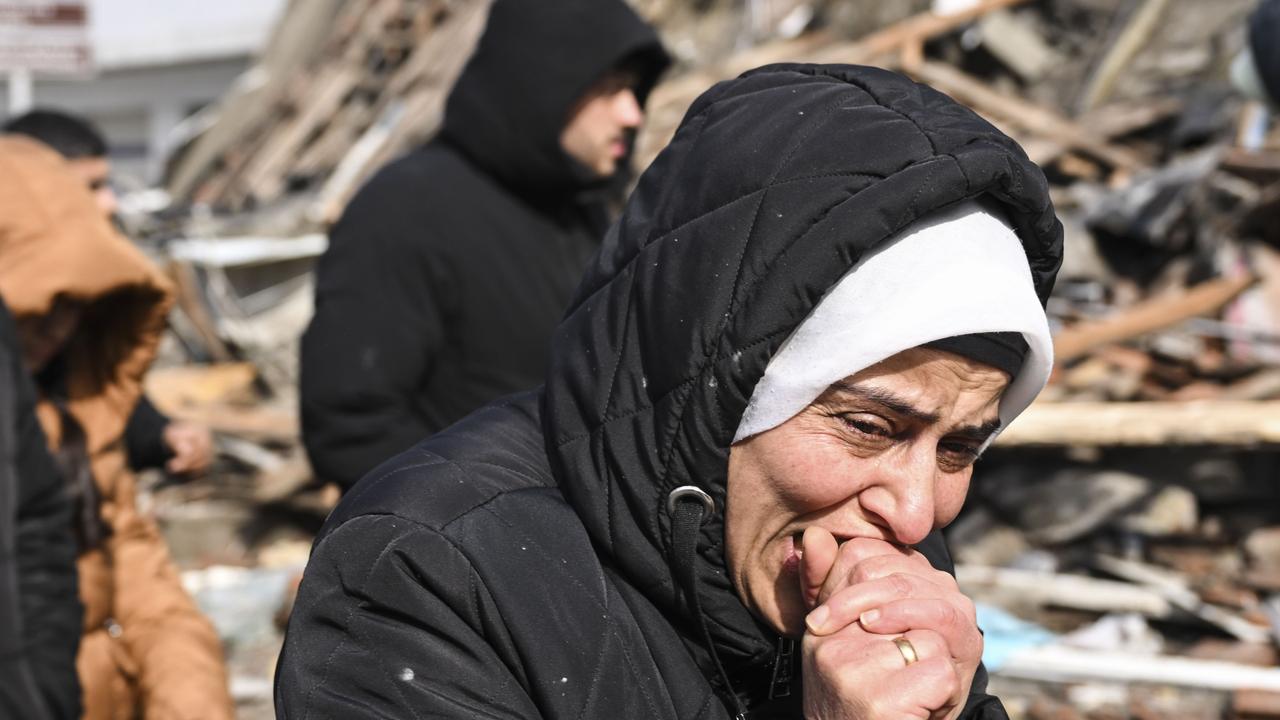
Official figures record 53,697 deaths, making it the deadliest disaster in the history of the Republic.
Entire neighborhoods lost multiple generations in a single night.
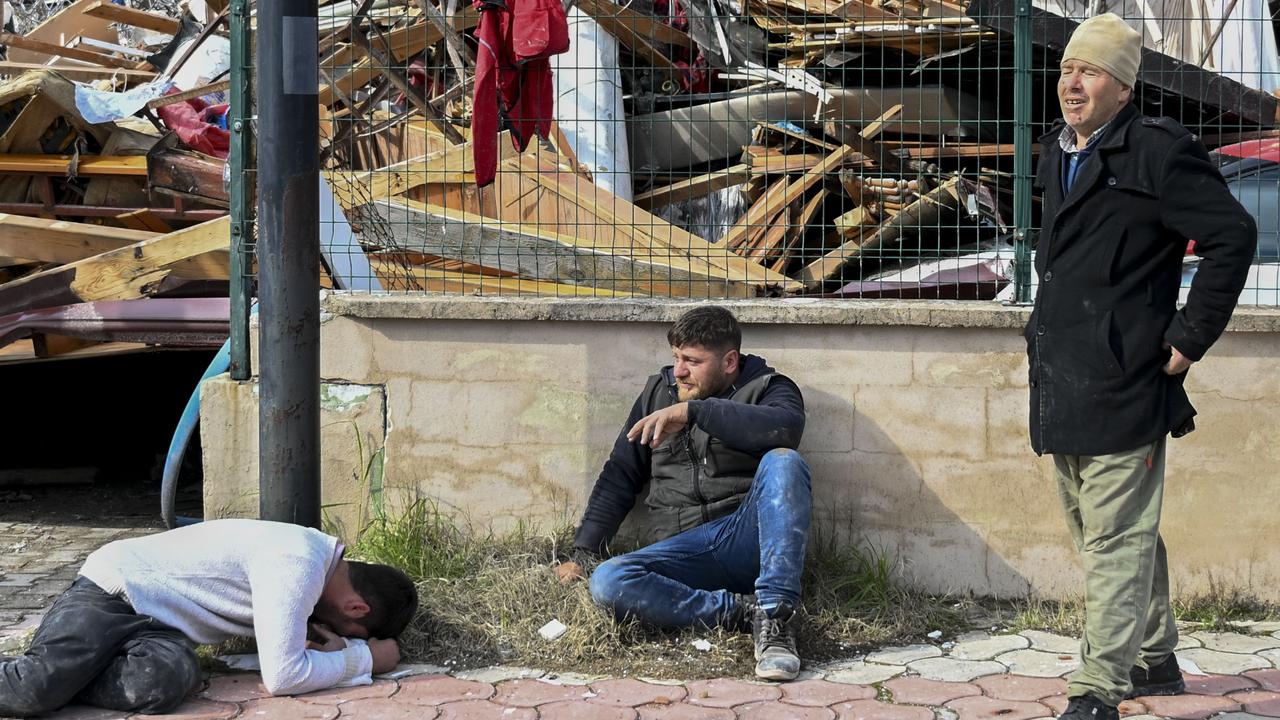
For many families, days passed before the fate of missing relatives became clear.
Official figures later confirmed 53,697 deaths and more than 107,000 injuries.
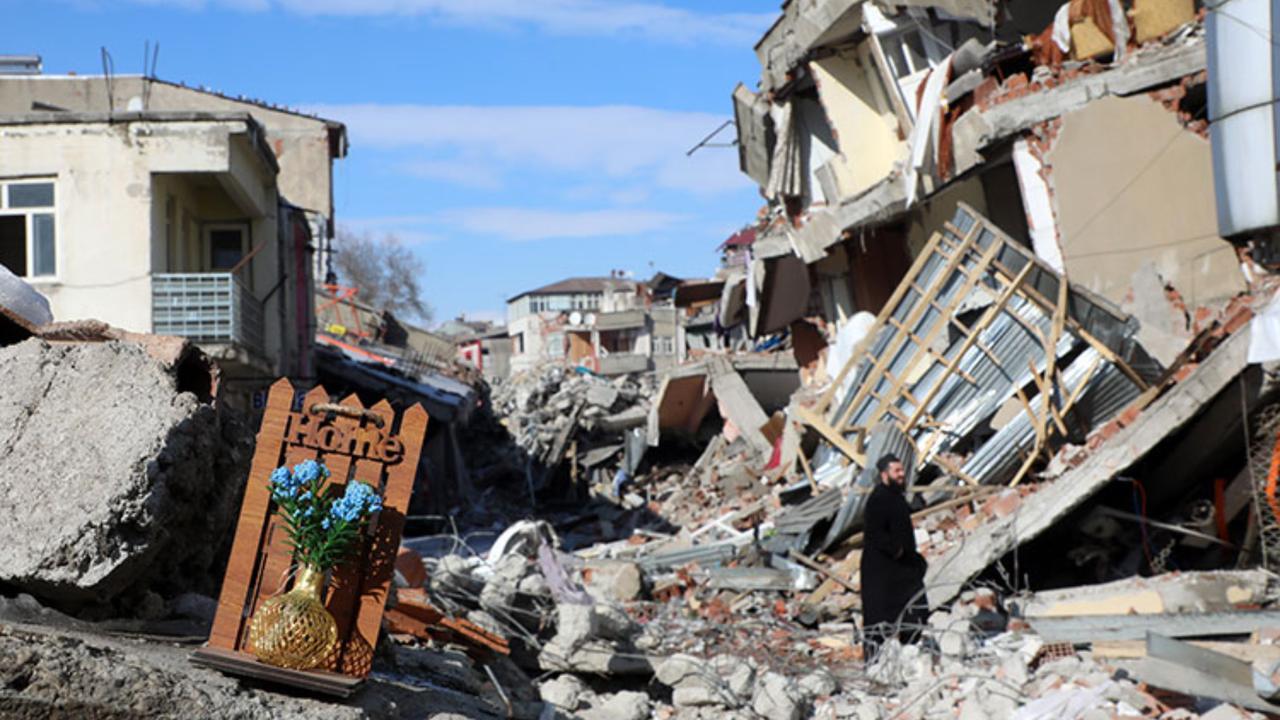
Personal belongings scattered across rubble became visual markers of the human toll.
Schools, workplaces and apartment complexes collapsed simultaneously across cities.
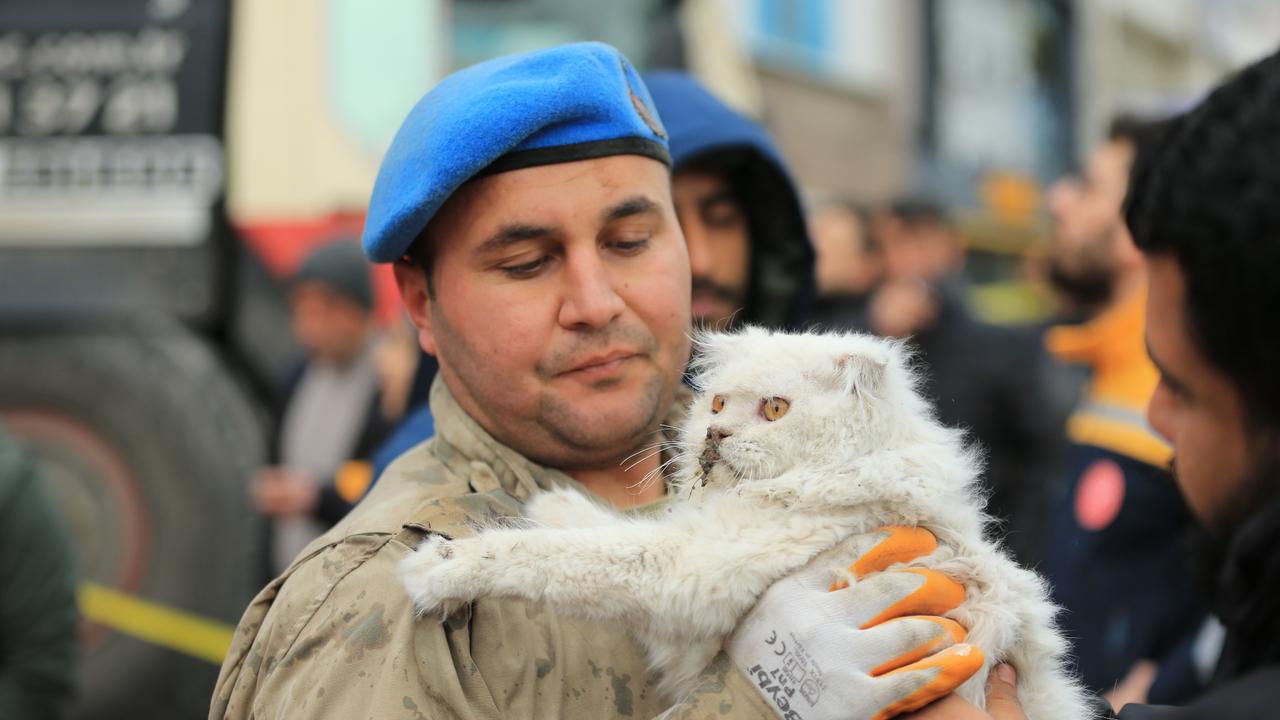
Rescue operations also extended to animals trapped beneath debris. The emergency response combined state agencies, municipal units and thousands of civilian volunteers.
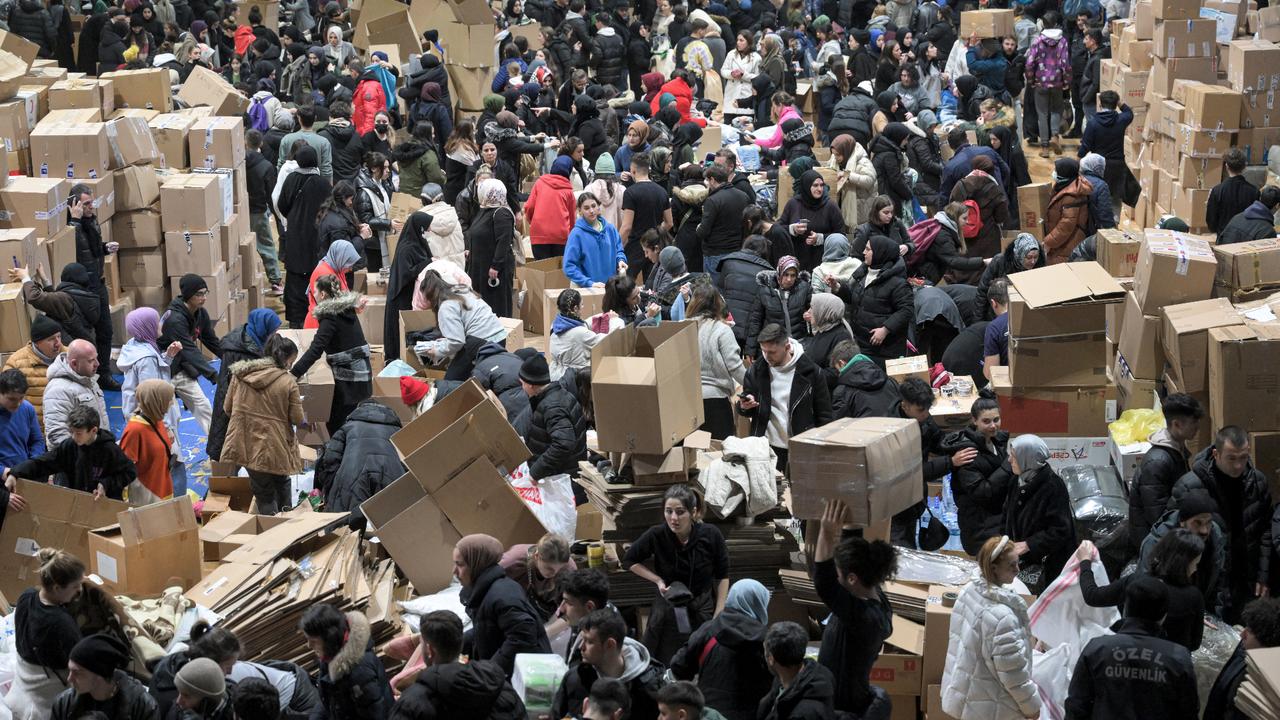
The disaster triggered one of the largest mobilizations of emergency personnel in modern Turkish history.
Operations continued for weeks across the affected provinces.
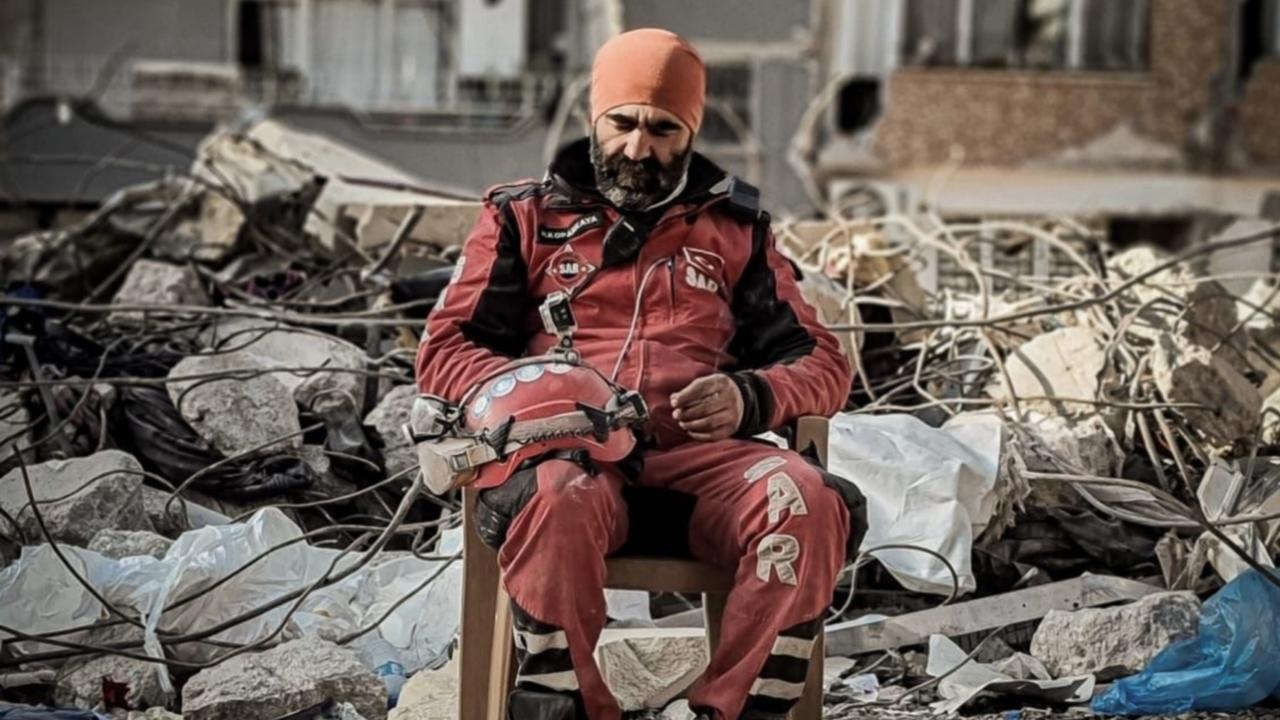
Rescuers worked in rotating shifts amid dust, unstable structures and ongoing aftershocks.
The physical and psychological toll on emergency teams became part of the broader recovery story.
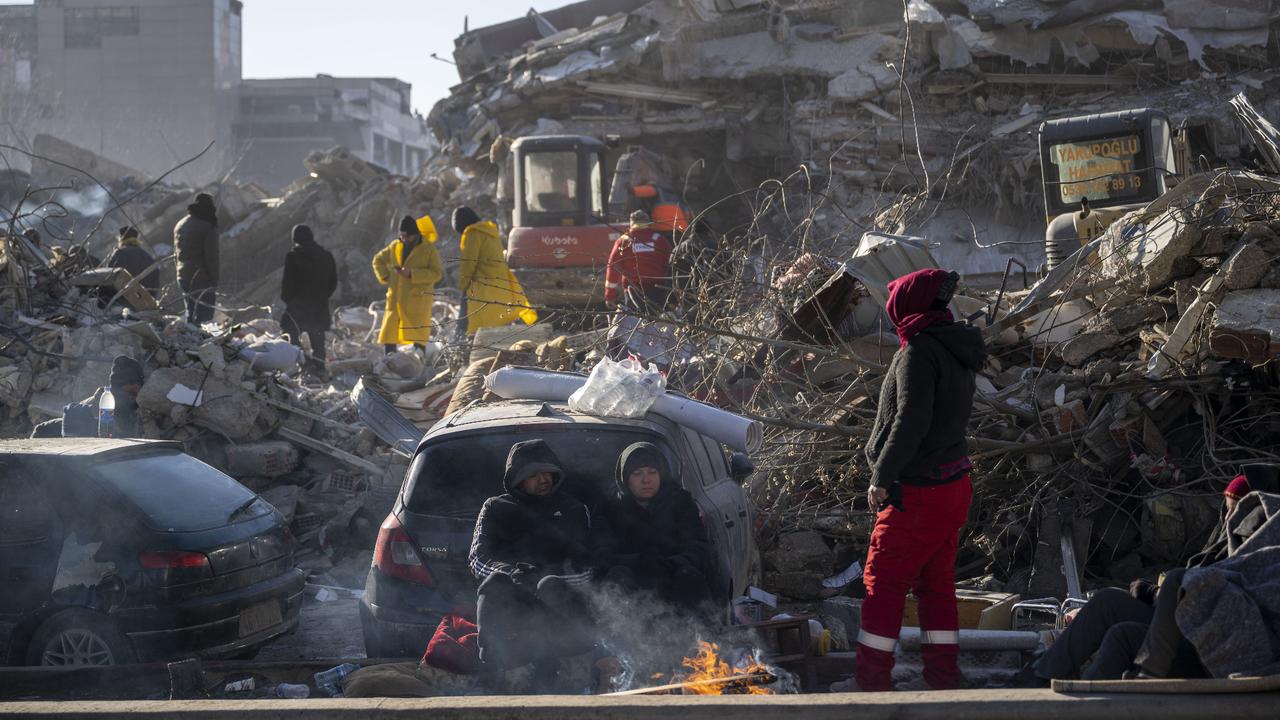
Clearing debris did not end the story. For many families, the empty spaces where buildings once stood remain a daily reminder of what was lost.
 6 min read


 Set as preferred source