Newsletters


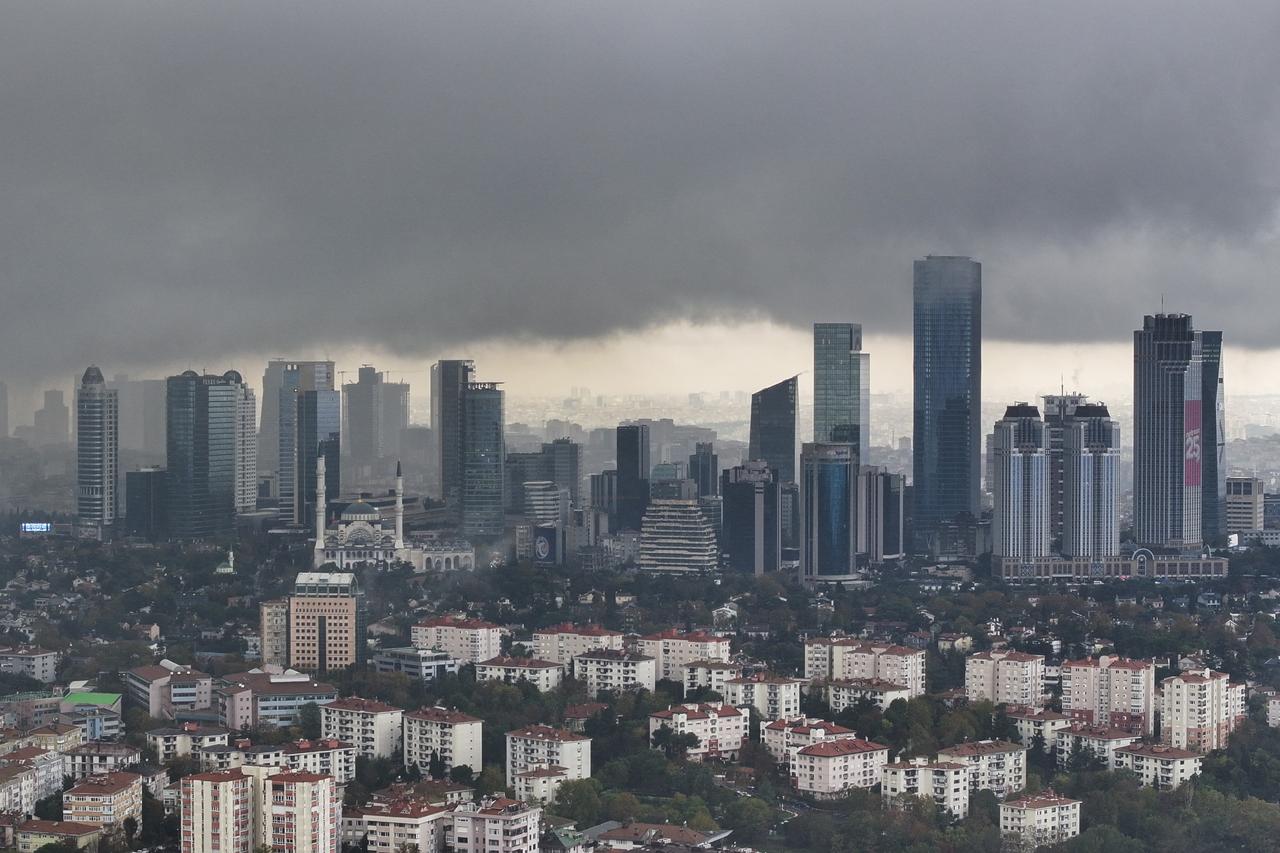


Air pollution in Istanbul increased in October compared with the same month last year, according to a study by Istanbul Technical University (ITU) based on data from 26 monitoring stations across the city.
The average concentration of PM10, particulate matter 10 micrometers or smaller in diameter, reached 35.2 micrograms per cubic meter in October, up from 31.9 micrograms in October 2025. The increase amounts to 10.3%.
Professor Huseyin Toros, head of the Climate Science and Meteorological Engineering Department at ITU’s Faculty of Aeronautics and Astronautics, compared October readings for 2025 and 2026 using stations operated by the Environment, Urbanization and Climate Change Ministry and the Istanbul Metropolitan Municipality (IBB).
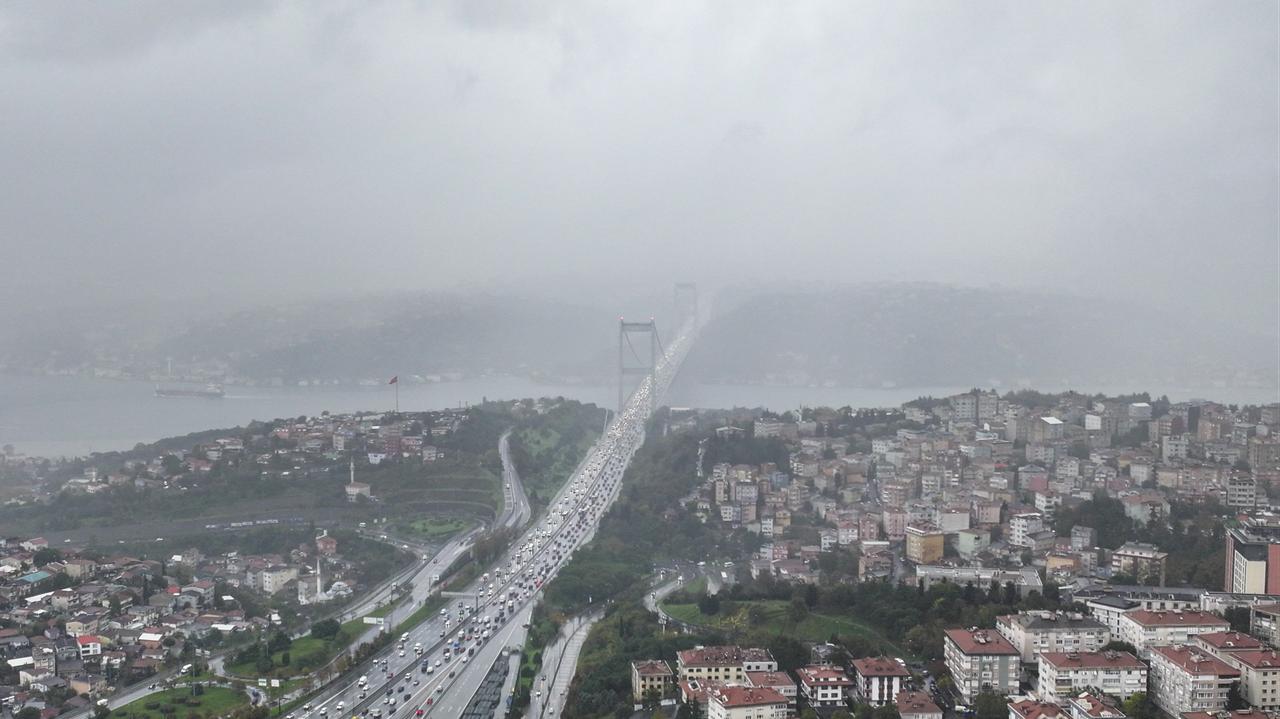

PM10 concentrations decreased at six stations and increased at 20. Sultangazi 3, in the city’s northwest, recorded the highest October average at 71.3 micrograms per cubic meter, up from 53.0 a year earlier.
Uskudar 1, on the Asian side of the city, had the lowest at 18.1 micrograms, compared with 17.4 last year.
Selimiye recorded the largest increase, from 34.5 to 61.4 micrograms, while Beylikduzu saw the largest drop, from 60.5 to 19.5 micrograms.
October averages exceeded 50 micrograms per cubic meter at five stations this year, compared with three in October 2025.
The stations were Sultangazi 3, Kagithane 1, Selimiye, Sancaktepe and Tuzla. Toros told Anadolu Agency (AA) that daily PM10 levels should remain below 50 micrograms for health reasons.
The World Health Organization (WHO) recommends an annual average PM10 concentration below 15 micrograms per cubic meter. Toros said Istanbul’s October average is more than twice that figure.
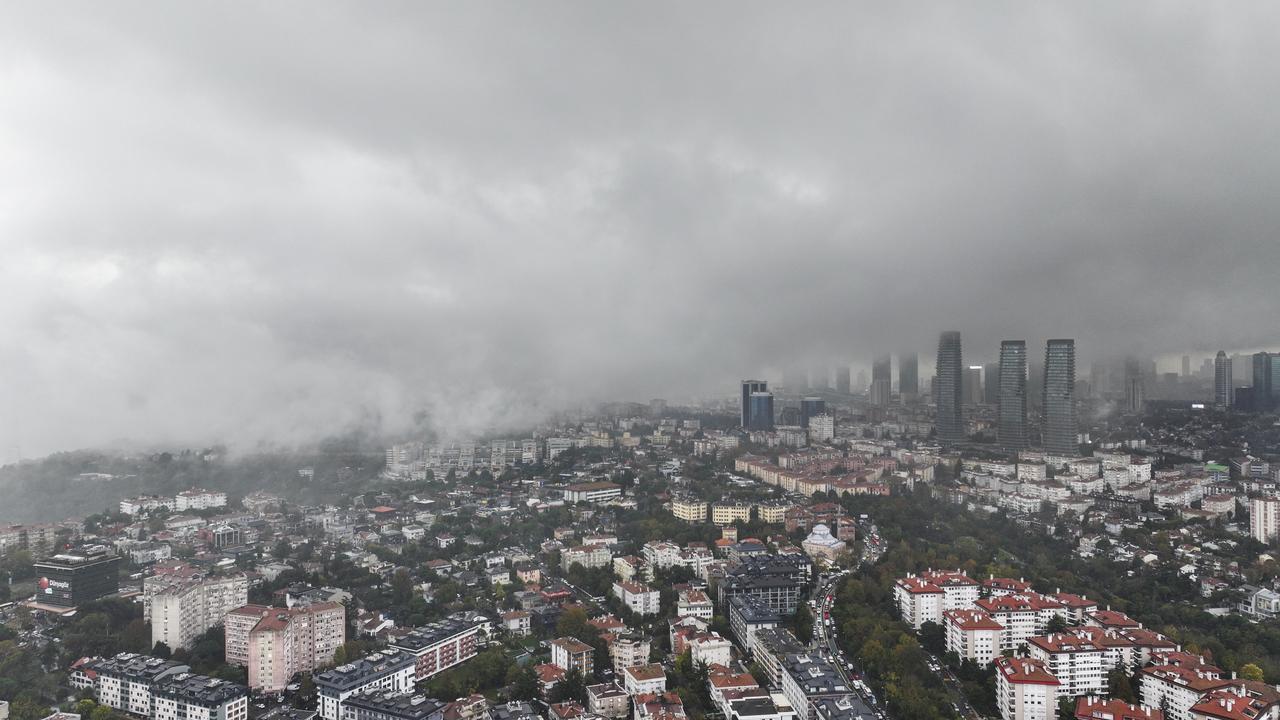
Toros said meteorological variables were the main factor behind the rise. September rainfall was 50% higher this year than last year, he said, but last year’s rain stayed effective for longer and low-pressure systems were more dominant, producing cleaner air.
“Unfortunately, our air turned out dirtier this year,” he said. He added that high-pressure periods reduce air movement and allow pollution to build up in cities.
Toros said most of Istanbul’s air pollution comes from vehicles, with more than 6 million registered in the city.
Heavy traffic can stretch short trips to 20-30 minutes, he said, and more time on the road increases exhaust emissions.
As temperatures fall, heating also contributes: most buildings use natural gas, but some small neighborhoods and industrial sites burn other fuels, he said.
Toros noted that atmospheric carbon dioxide has risen from below 300 parts per million in the preindustrial era to 430 parts per million. He said reducing air pollution requires long-term measures and cited Türkiye’s 2053 net-zero emissions target.
Türkiye will host the U.N. Climate Change Conference, also known as COP31, in the Mediterranean province of Antalya, where officials, scientists, and students from around the world are expected to gather, Toros said.


 Set as preferred source
 Set as preferred source



 7 min read