Newsletters


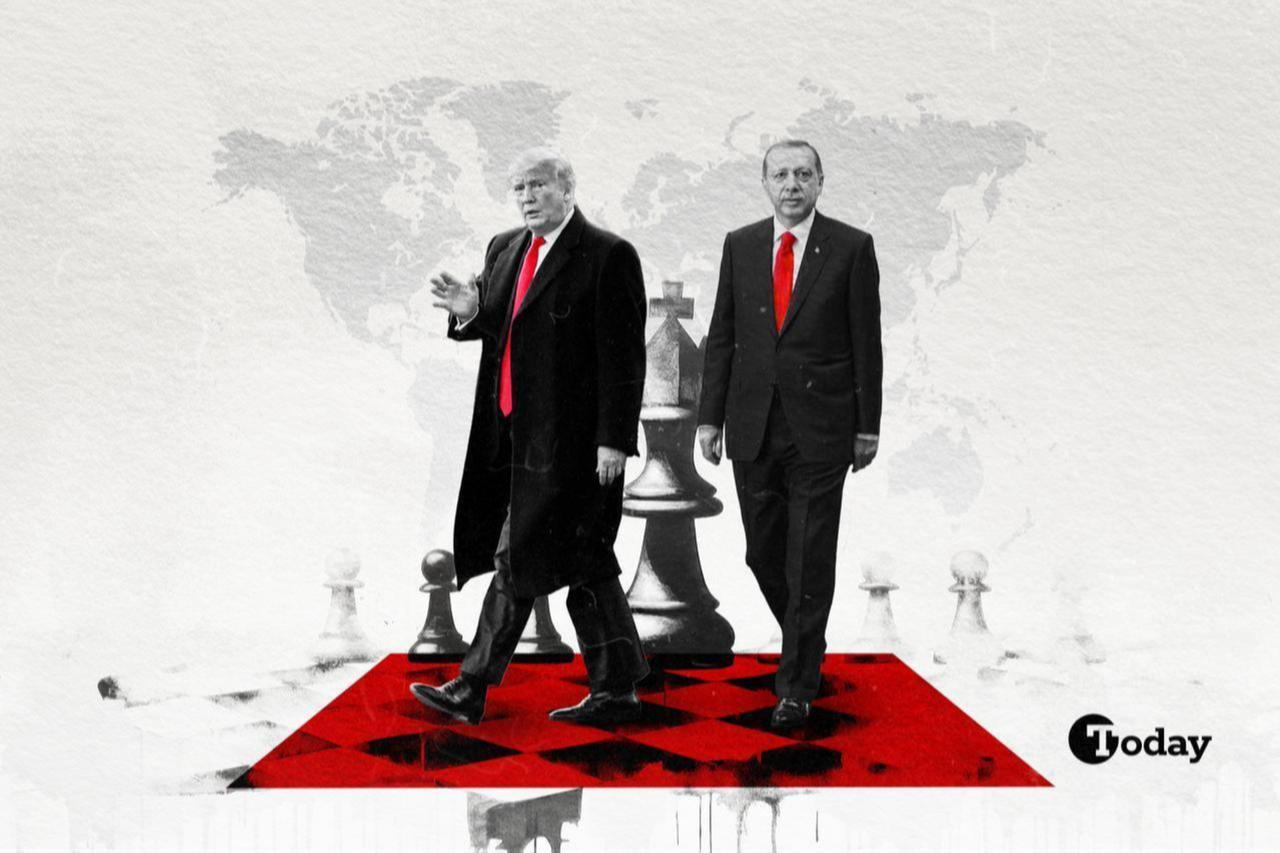


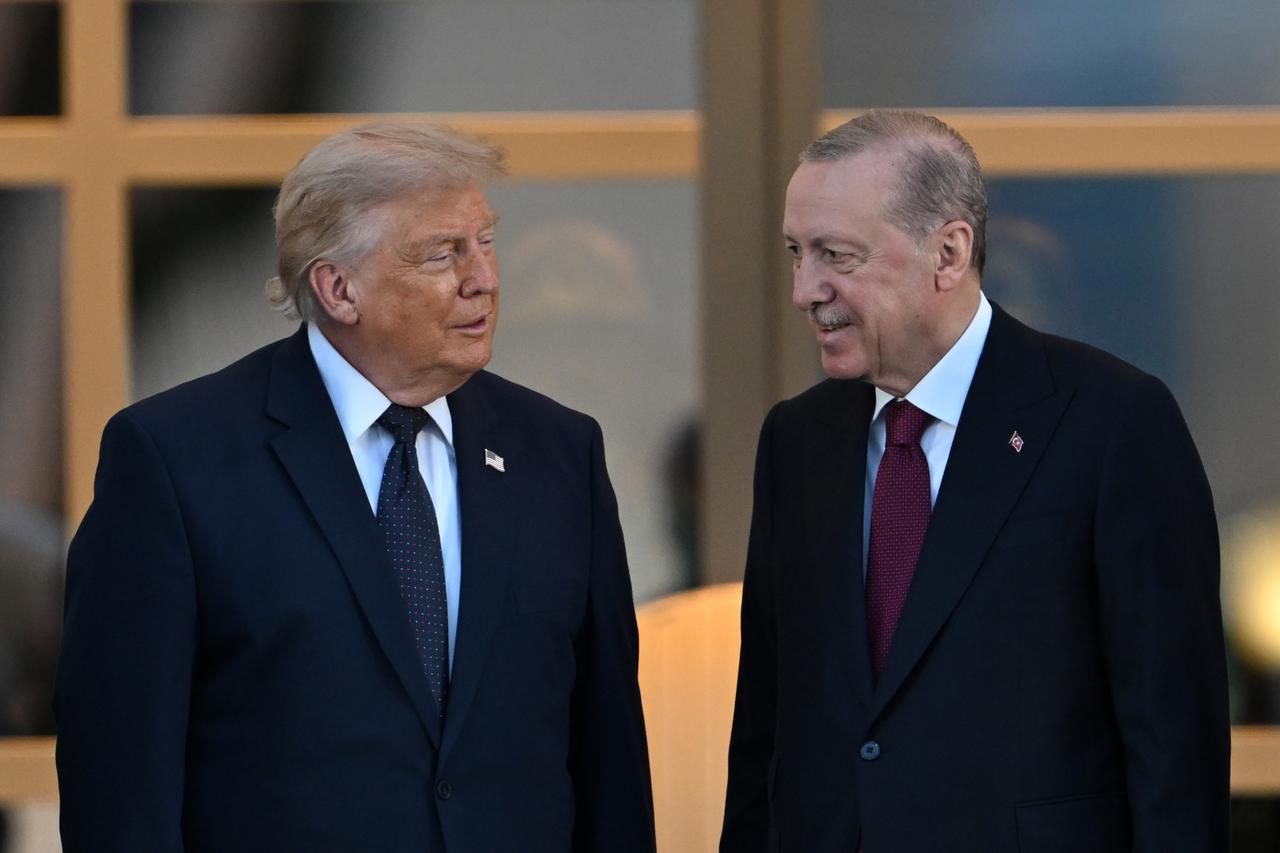
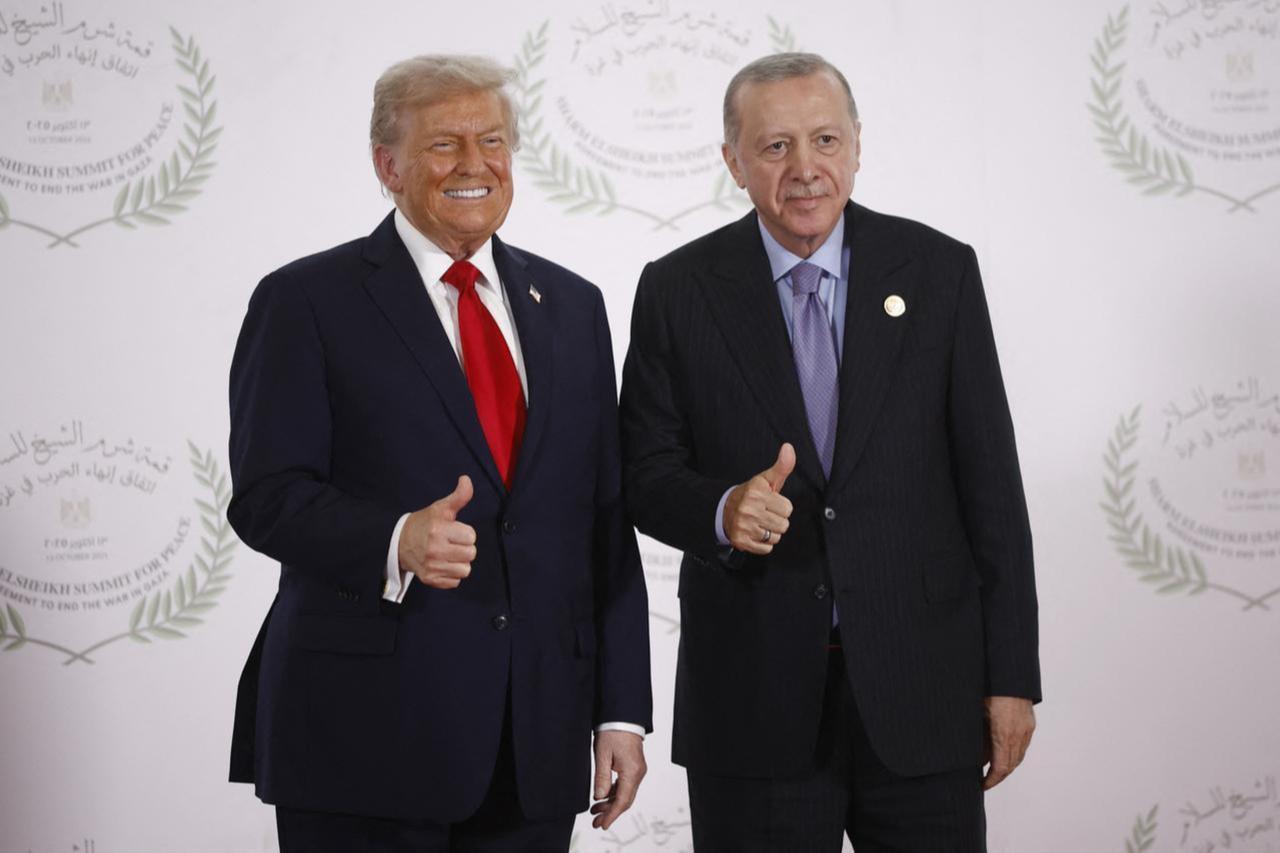
Trump was leaving Davos in January when he told reporters he’d had a “very good call” with Recep Tayyip Erdogan, and he did not elaborate. He didn’t have to. It was far from their first. The two have talked repeatedly, before the war in Iran began and after it, and have appeared side by side on peace efforts in person. Analysts gave the pattern a name, strongman diplomacy, and have been picking it apart ever since.
A few weeks later, in February, Fuat Oktay landed in Washington with a different itinerary. Oktay, a former vice president and now chair of the Turkish parliament’s Foreign Affairs Committee, had meetings lined up with the chairs of the Senate and House foreign relations committees and with individual senators and House members.
He called it parliamentary diplomacy, and he was candid about why Ankara needed it. “We have been working very closely at the presidential and also governmental levels ... however the Congress somehow comes little behind,” Oktay said in response to Türkiye Today's questions.
After the ‘Blue tsunami’ night, Democrats now hold both chambers. The Turkish president wasn’t indifferent to the changes.
On November 5, Erdogan was asked what Tuesday's midterms mean for his country, and he called it too early for sharp sentences, then offered three of his own.
“Turkish-American relations have deep roots and rest on strong foundations.” It is the answer to the obvious worry, and it treats a flipped House and Senate as weather rather than a climate change.
But he certainly sees openings to work with the executive branch: “Our greatest desire is for the election results to contribute to lasting peace and stability in our region.” Peace is the common ground he put forward, and diplomacy is the method he has been pitching all week, including to Volodymyr Zelenskyy over dinner on Saturday.
“To this end, we will continue to maintain close dialogue with both the U.S. Administration and the House of Representatives and Senate.” The White House and Capitol Hill were named in one breath, as two lines Ankara intends to keep open at once.
The new Congress will be seated on Jan. 3, 2027, and Ankara has about two months to work out who is on the other end of the line while the new balance of power is being formed.
Nine months before the midterms, Oktay was early rather than late, racing a calendar. Members of Congress turned inward as elections approached, and he wanted to arrive before they did. “We just wanted to somehow transform those positive agendas at the governmental level to the Congress level,” he said. Turkish officials saw a closing window to turn the warm tone between the two presidents into lasting ties with lawmakers.
Asli Aydintasbas, director of the Türkiye Project at the Brookings Institution, told Türkiye Today she found the president's remarks balanced, and considered his stress on Congress especially important.
"The election results have fundamentally shifted the balance of power in Washington," she said. "Trump is still president, but he will no longer be able to maneuver as comfortably as before." Ankara, she added, "needs to adapt to this new reality and invest in the future."
Warm presidential relations have not translated into broader progress in Congress, and questions remain over how much Türkiye actually benefited from them. "Trump was not providing Türkiye with advantages to the extent reflected in his rhetoric," said Ahmet Erdi Ozturk, associate professor of politics and international relations at London Metropolitan University.
But it "created a perception in domestic public opinion as if it were an advantage," which suited the Turkish government. Trump even attended the NATO summit in Ankara, a trip he said he made out of respect for Erdogan.
The diagnosis comes with a warning: "The single biggest risk would be alienating the Democrats due to the close personal friendship between Erdogan and Trump, as happened at the end of Trump's first term," Aydintasbas said. "We paid the price for this during the first Trump administration."
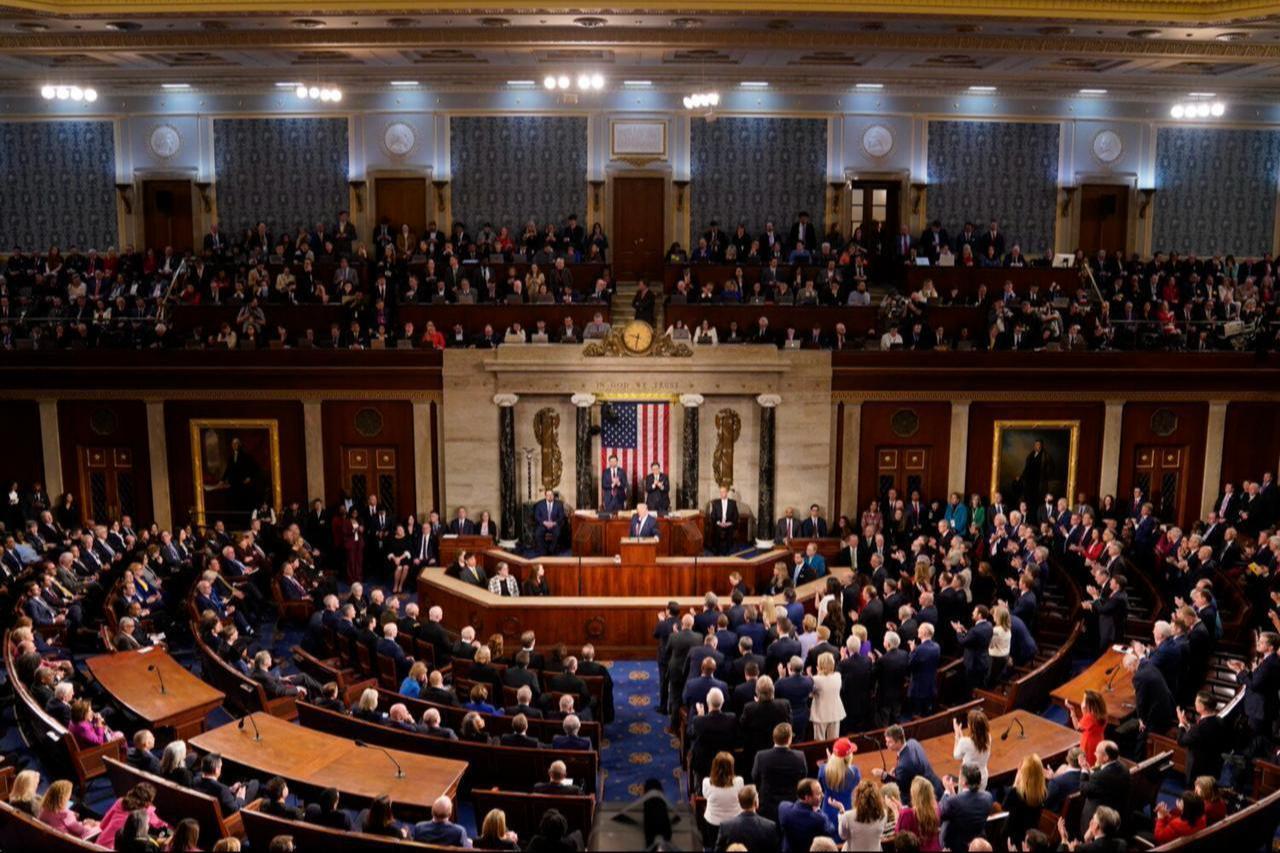

Congress is not one number. There are 535 extensions, and the ones that matter for Türkiye sit in committee rooms. Before any major arms case goes public, the chairs of the Senate Foreign Relations and House Foreign Affairs committees review it and can sit on it without a public vote. Those chairs are now Democrats.
Blocking a sale formally takes a joint resolution that the president can veto, and Ozturk expects vetoes. "If U.S. President Trump constantly uses his veto power, we have two years ahead of us that America will spend navigating crises," he said.
Meanwhile, the defense files run on separate lines. The F-35 ban is statute: the executive must certify that Türkiye no longer holds the S-400, and the State Department reportedly told Congress in July that the condition was unmet. The KAAN fighter's engines are further along. Washington notified Congress of a possible sale of about 80 F110 engines, and the review period passed without a block.
A notification is not a delivery, though, and spares, maintenance and further engines each need their own approval. CAATSA is a third matter: a presidential nod toward relief ends nothing until the legal paperwork follows. "Trump's political will alone is not enough," Aydintasbas noted, which is why the S-400 and CAATSA need "multi-layered, institutional processes."
Ozturk, who recently authored a detailed study that analyzes the post-midterms scenarios for the bilateral relations, finds the new Congress both difficult and easy for Ankara. Difficult, because Türkiye holds positions that lawmakers question. Easy, because members who oppose the Israeli government's stance are, in his words, "aligning on the same plane" as Türkiye on that point.
Speaking to Türkiye Today, Ozturk sees four fronts where the future of relations plays out: the defense files, how Ankara and Washington position themselves on Syria, Iran and Ukraine, and the trade deals Türkiye keeps signing elsewhere, China's above all.
His prescription is a dual track: leader-level diplomacy, plus a second channel run by career diplomats, ambassadors and the foreign ministry. "The Turkish foreign ministry possesses such capacity and historical experience," he said, citing the Cold War and the 1990s. "However, whether it will choose to execute it or not is something we will see over time."
Aydintasbas supplied the shopping list. At home: "One of the most effective ways for Ankara to improve its relations with Democrats moving forward is to strengthen the rule of law," she said, calling the "Terror-Free Türkiye" process "a major advantage."
In Europe, Türkiye "must strengthen its economic and strategic ties" to reduce its dependence on Trump and the United States. On Iran and Ukraine, Erdogan's Zelenskyy dinner and planned Putin call are the raw materials. Then Armenia: open the border, start trade and "create an island of peace in the Caucasus," bringing Azerbaijan along if necessary. Erdogan lands in Baku on Sunday, so that conversation starts early.
Neither expert wants Ankara to hang up on Trump. "Ankara's need today is not to end its friendship with Trump," Aydintasbas said, "but to institutionalize its relations with the American state apparatus and place its relationship with the U.S. on a more balanced political footing."
Trump picks up on the first ring, yet a statute has no phone.


 Set as preferred source
 Set as preferred source


 2 min read
 1 min read