Newsletters


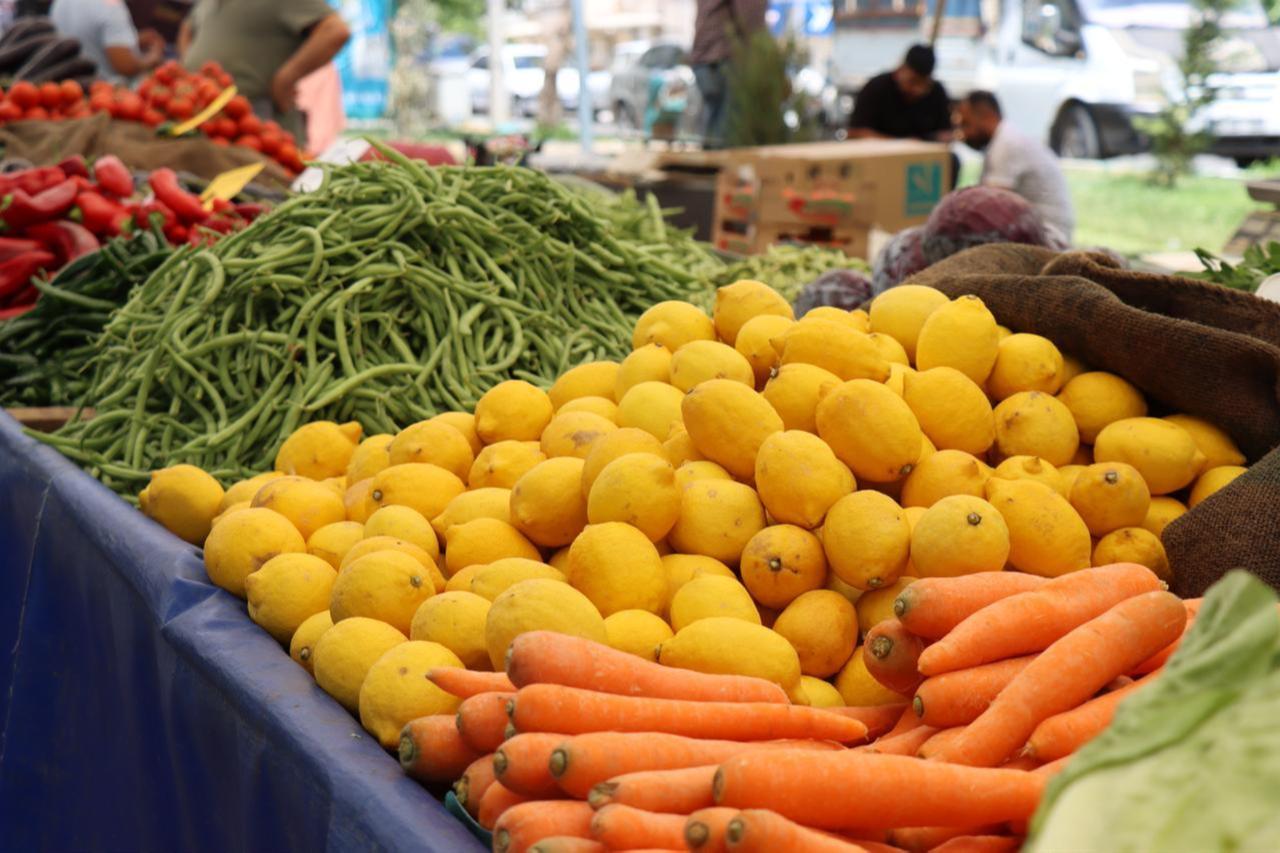


Greenpeace Türkiye says laboratory tests on 20 lemons bought from five major supermarket chains in Istanbul detected 144 pesticide residues in total, with four samples exceeding legal maximum residue limits and every lemon containing more than one pesticide active ingredient.
The samples were collected in September from A101, BIM, CarrefourSA, Migros and SOK stores in Istanbul's Sultanbeyli, Sancaktepe, Atasehir and Kadikoy districts before being analyzed at an independent laboratory with international accreditation.
According to Greenpeace's findings, the 144 detections worked out to an average of 7.2 different pesticides per sample, bringing renewed attention to what the organization describes as the "cocktail effect," the presence of several pesticide active ingredients in the same food product.
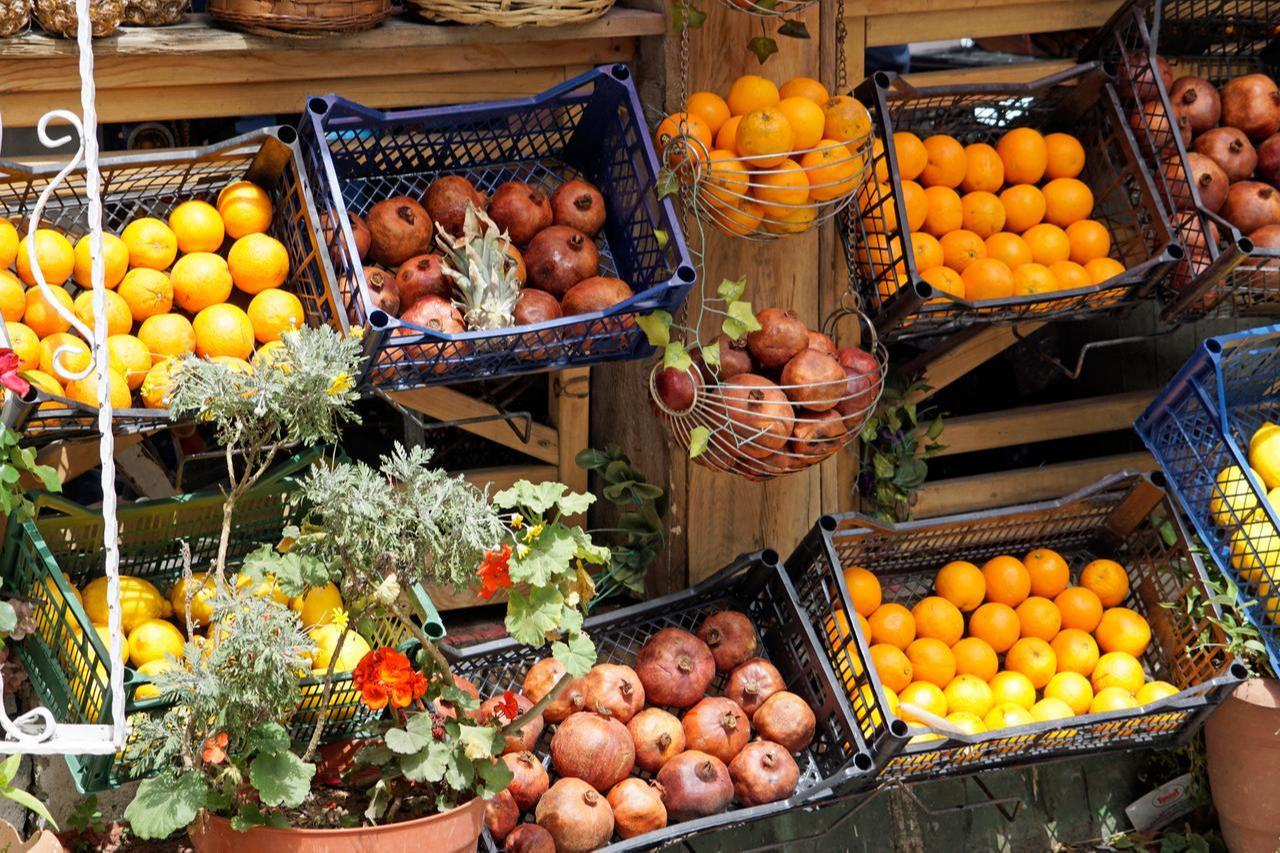

Greenpeace said four lemon samples contained pesticide residues above legal maximum residue limits, known as MRLs, which set the permitted level of a pesticide remaining in food.
Three of the samples exceeding the limits had been purchased from BIM branches, while one came from Migros, according to the results cited by Greenpeace.
At the same time, the organization stressed that legal compliance for individual chemicals did not resolve its broader concern over multiple residues appearing together in a single product.
Two lemons purchased from separate A101 branches contained 10 different pesticide residues each, the highest number cited in the findings.
Because the research covered only 20 lemons, however, the results cannot be generalized to all products sold by the supermarket chains or to lemons across Türkiye.
Greenpeace is calling on retailers to publicly disclose testing results, restrict the number of pesticide residues allowed in individual products, tighten internal procurement standards beyond existing legal limits and provide greater support to farmers shifting toward more environmentally friendly production.
As part of its "Icinde Ne Var?" campaign, the group wants supermarkets to allow no more than three pesticide active ingredients in a single product even when individual residues remain below legal limits.
It is also asking retailers to set their own acceptance thresholds 20% below the current legal maximum residue limits.
Greenpeace said reducing pesticide use should not leave farmers to carry the financial burden alone, arguing that producers should be backed with agricultural engineering support, incentives, premiums and fair contracts.
The organization also said Migros had begun publicly sharing pesticide testing results following the campaign, presenting the move as an example of how consumer pressure could push retailers toward greater transparency.
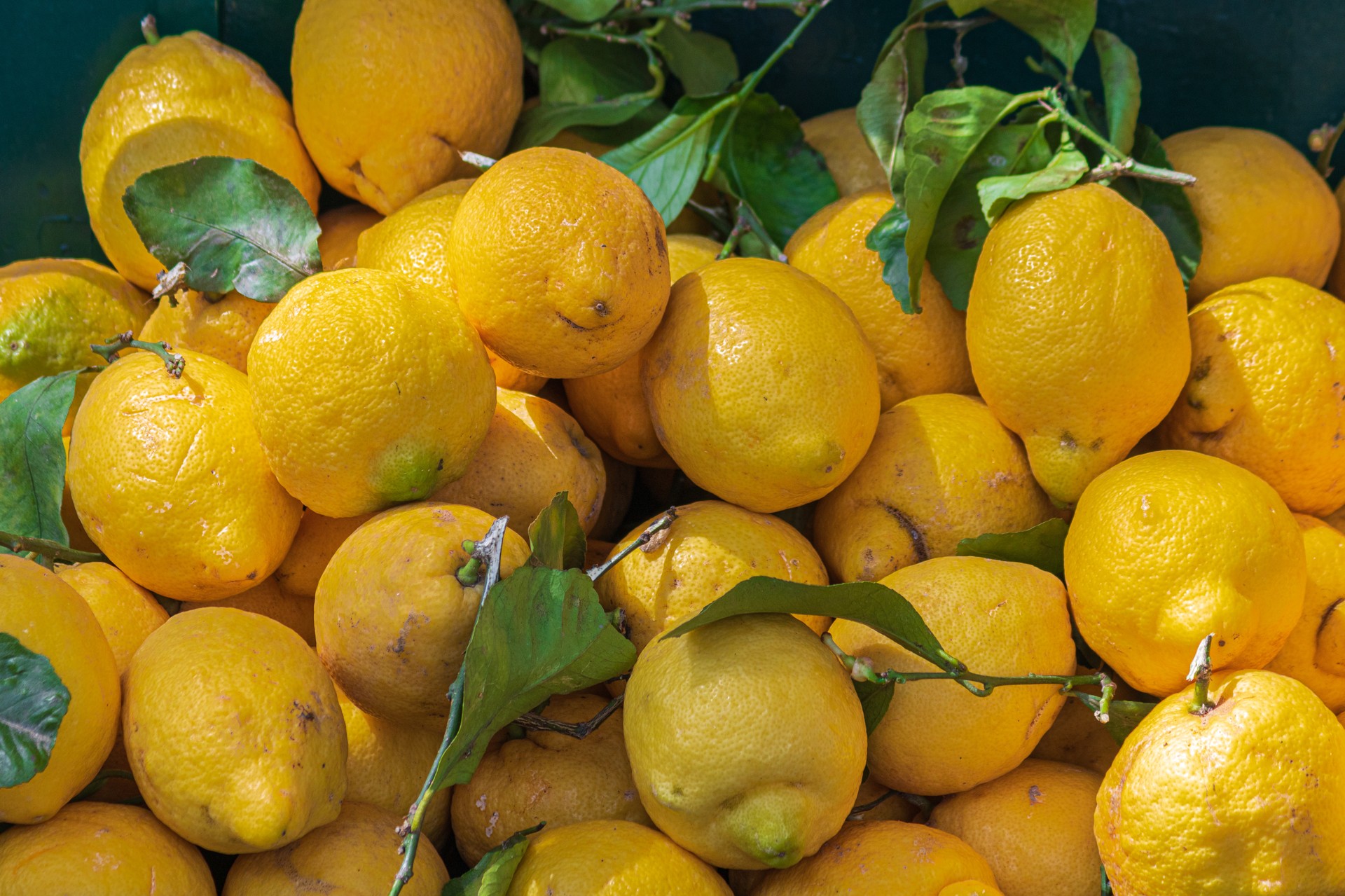
The findings come as pesticide residues in fruit and vegetables remain under scrutiny in Türkiye.
Internal medicine specialist Dr. Ayca Kaya said some pesticides could accumulate particularly in fatty tissue and warned that long-term exposure to certain agricultural chemicals could pose risks, including to reproductive health.
Greenpeace's report, meanwhile, focuses less on individual substances alone than on how many different pesticide residues may end up together in the same product, a question it says retailers should address even when most individual residues fall within legal limits.


 Set as preferred source
 Set as preferred source


 1 min read

 1 min read