Newsletters




In Türkiye, possessing cannabis can still mean up to five years in prison. Yet products from the same plant sit on pharmacy shelves under strict state control. The penalties remain, but a legal wall once seen as unbreakable has started to crack.
Is this just a narrow exception, or the first sign of a bigger change that could reach beyond the pharmacy?
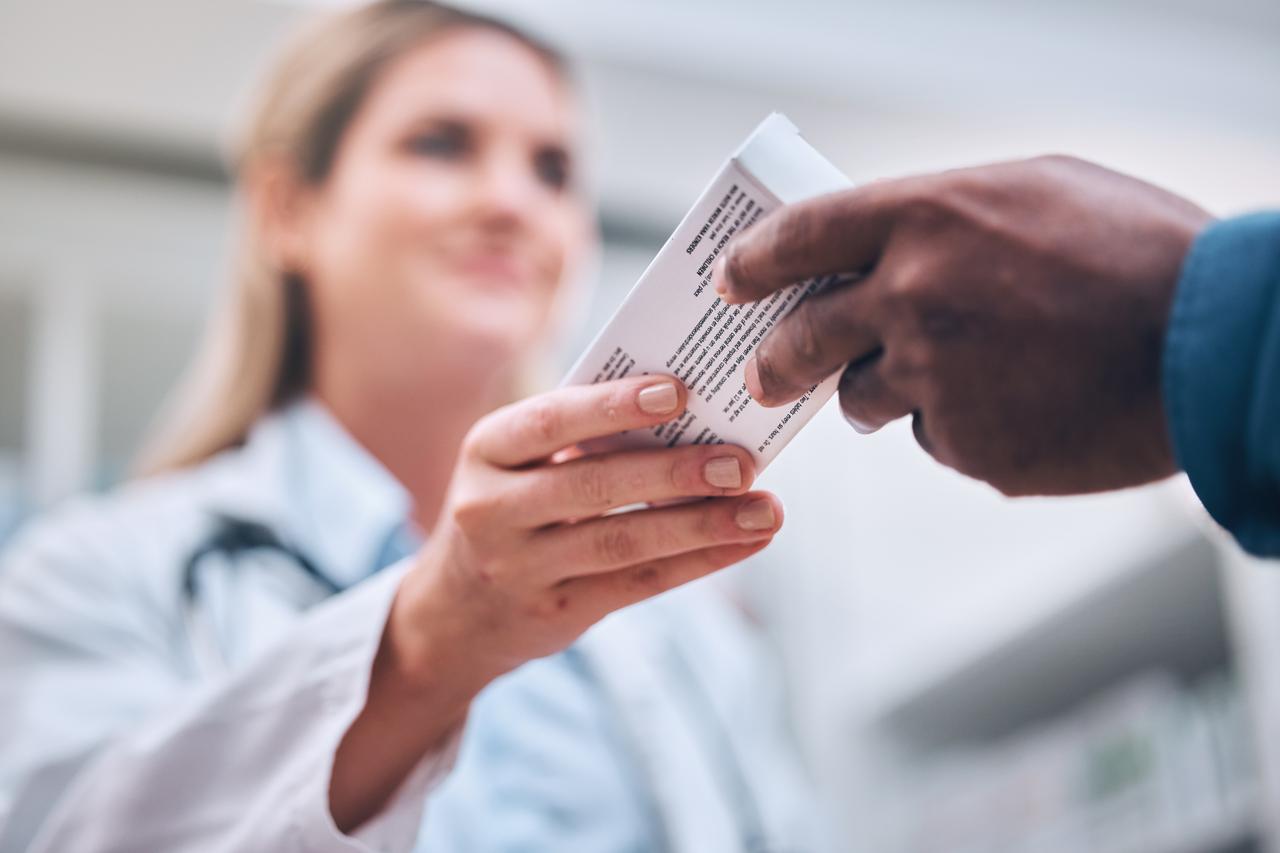

In 2025, Türkiye changed its narcotics law to let the Health Ministry oversee cannabis-derived products. A January regulation explained how this would work. This change applies only to medical use, not recreation.
The law lists four product types: medicinal, health, personal care, and support products, including supplements. Growing cannabis is still managed by the Agriculture Ministry and needs a permit.
Each category has its own rules. Personal care and support products can have up to 0.3% THC, the primary psychoactive compound found in the cannabis plant, and do not need a prescription. Medicinal and health products must be licensed by the Turkish Medicines and Medical Devices Agency (TITCK) and are only available with a prescription through the state’s electronic system. These two types cannot be sold over the counter.
Each box is tracked with a QR code from the factory to the pharmacy. Online sales and sales outside pharmacies are banned. Authorities seize and destroy products sold without permission.
These changes do not affect recreational use. Buying, having, or using cannabis for personal reasons can lead to two to five years in prison under Article 191 of the Turkish Penal Code. The law also lets prosecutors delay charges for five years, with at least one year of probation and, if needed, treatment.
The government has made its position clear. Three days after the law came out, the Communications Directorate’s disinformation center denied that cannabis was being legalized. They said production is only legal under strict medical and industrial controls. Health Minister Kemal Memisoglu stated that cannabis-based treatments are supported by science for 15 conditions and will only be given to patients with ministry approval and a prescription.
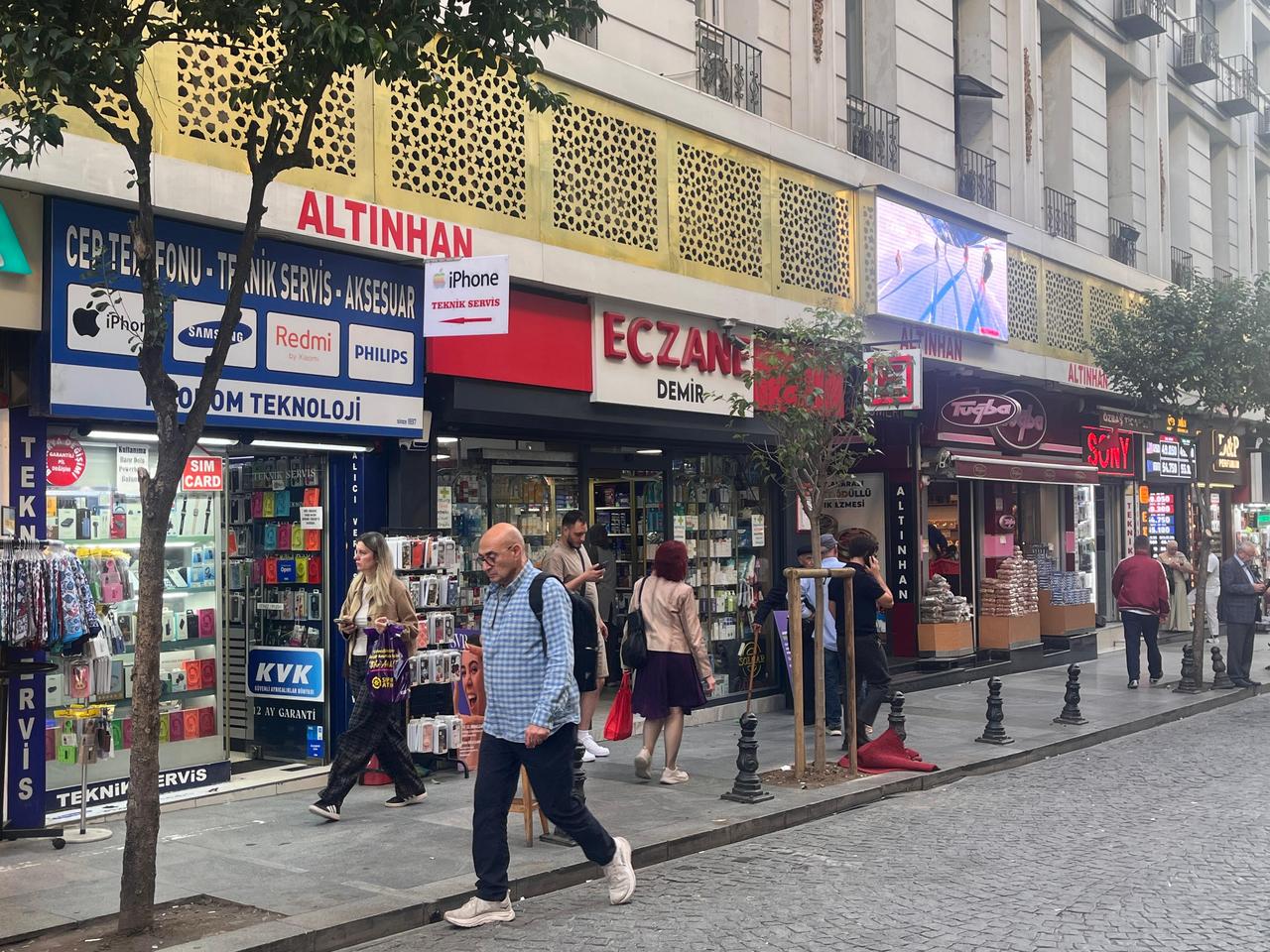
Türkiye Today talked to pharmacists in Istanbul. Each one was already familiar with the issue, and customers had been asking them questions.
Pharmacist Aysegul Demir of Demir Pharmacy in Sirkeci, a historic district on the European side of Istanbul, said more people are asking for cannabis-based creams, especially for varicose veins, after trying other options. She mentioned that prescribed cannabis drops, imported from abroad, are used for children with neurological issues like epilepsy.
Another pharmacist in Istanbul, who spoke on the condition of anonymity, said that customers, mostly foreigners, ask to buy cannabis. “Turks already know it isn’t sold,” he explained. He also said he has no trouble obtaining creams with cannabis for varicose veins.
A third pharmacist in Istanbul, who also wished to remain anonymous, said the law only allows small amounts for making medicine and believes all sales should require a prescription and be state-controlled. He warned that if cannabis were sold without a prescription, pharmacists would have to deal with more addiction cases.
Demir holds the same view and does not support over-the-counter sales of cannabis. “It is no different from tobacco,” she said, noting the risk of accidental harm at home. However, when asked if she would sell cannabis for personal use as a smoked herbal product if it became legal, she said she would. “Of course I would sell it then. Why wouldn’t I?”
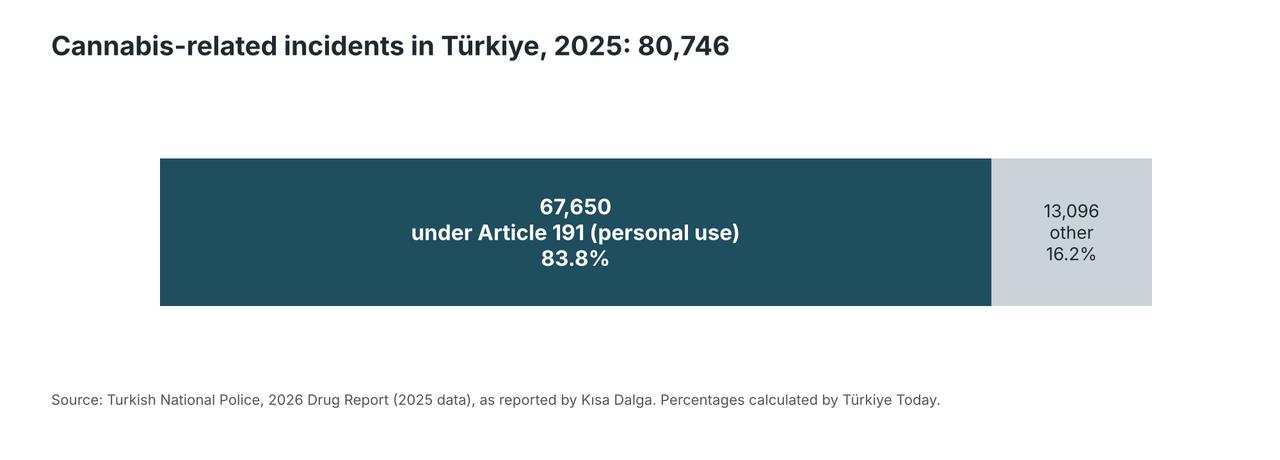
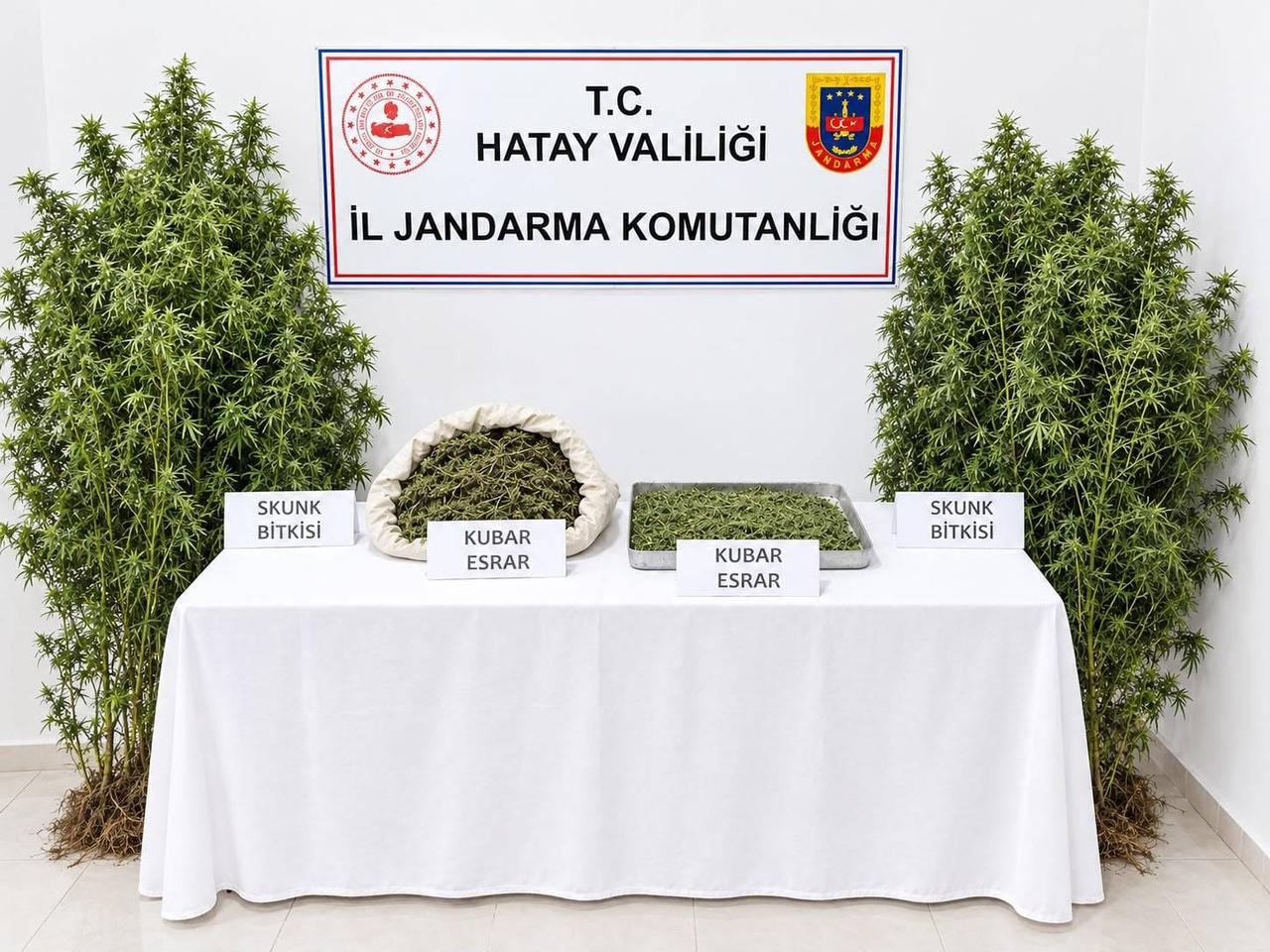
Criminal cases offer clear documentation. The Turkish National Police’s 2026 Drug Report, covering 2025, recorded 80,746 cannabis-related incidents and 101,060 suspects, according to news reports. Of these, 67,650 were processed under Article 191 for personal use, and police seized about 40 tons of cannabis. In 2024, for all drugs, about 293,000 out of 374,948 suspects were processed under Article 191, and about 158,000 people received outpatient treatment through probation.
It is harder to measure how many people use cannabis. A national survey of people aged 15 to 64, reported by Anadolu Agency, found that 2.7% had used cannabis at some point, though the survey year was not given. In the first eight months of 2026, police seized 9.9 tons of cannabis and 12.6 tons of skunk, according to Interior Ministry data shared by Gundem Sivas.
As discussions around potential legal reform continue, expert warnings have emerged. Psychiatrist Nevzat Tarhan wrote to Parliament’s speaker while the bill was being discussed, warning about a possible “demand explosion.” He agreed that CBD can be used as medicine and said these drugs could be imported, like morphine-based drugs. The Turkish Psychiatric Association also recommended a slow and careful rollout.
The state has said so plainly, and more than once. But a law that stood for decades has already moved once, and the institution that moved it is still there.
What would it take to write the next page?


 Set as preferred source
 Set as preferred source


 3 min read