Newsletters


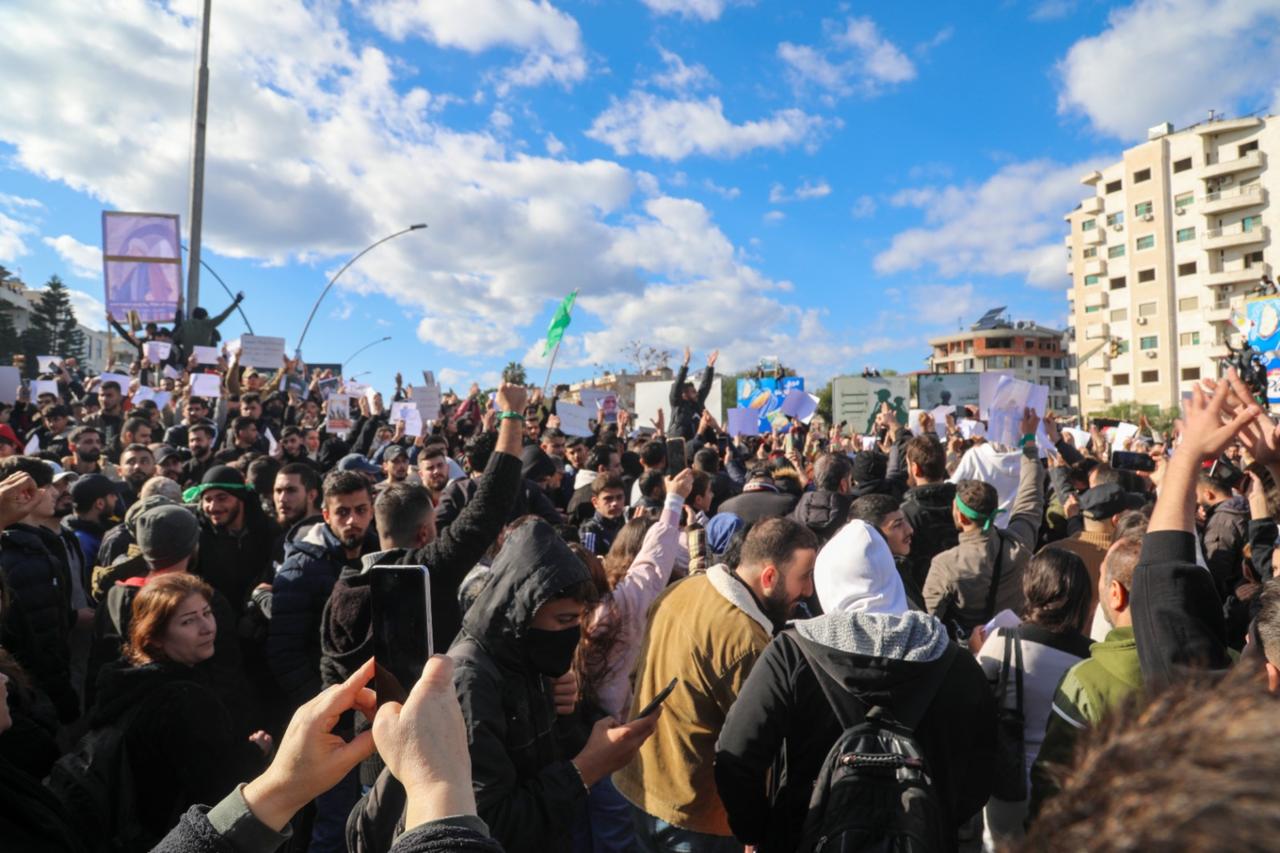


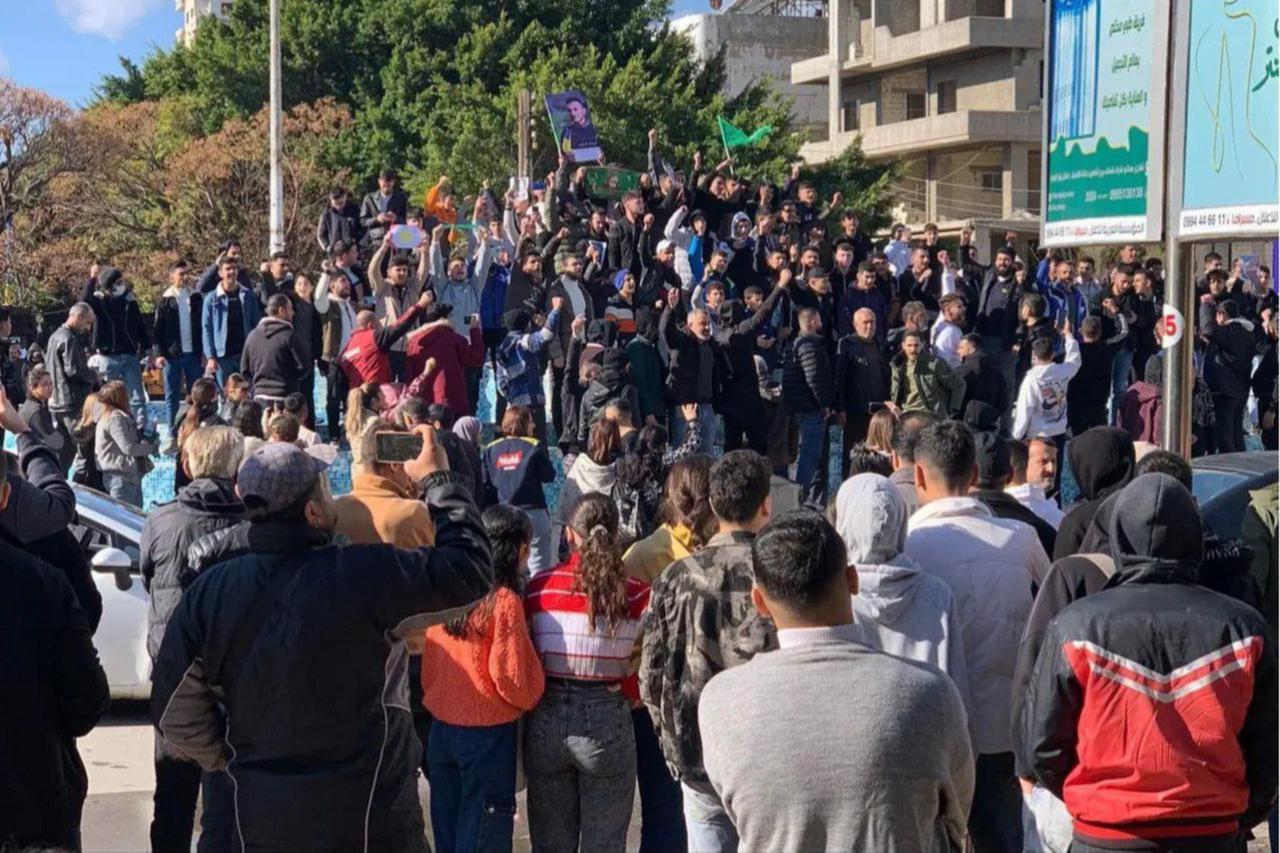
Following a call by the recently prominent Alawite religious figure Sheikh Ghazal al-Ghazal, hundreds of Alawites took to the streets in Latakia, Homs and Tartus.
During the demonstrations, protesters called for federalism in Syria and demanded the release of their relatives from prison.
Over the course of the day, turmoil erupted between the demonstrators and pro-government counter-demonstrators, and a Syrian security official was stabbed to death by a former regime remnant.
While the situation now appears to be under control, the events raise a deeper question: Where are Syria’s Alawites heading?
When the Syrian revolution erupted, many members of the Alawite community found themselves trapped by the Assad regime. Fearing for their lives, they remained silent. Others, however, formed the backbone of the regime’s repression and were deeply involved in the crimes committed by Assad.
After 14 years of war, marked by mass human rights violations, massacres, torture and forced displacement, Syria finally got rid of the Assad regime.
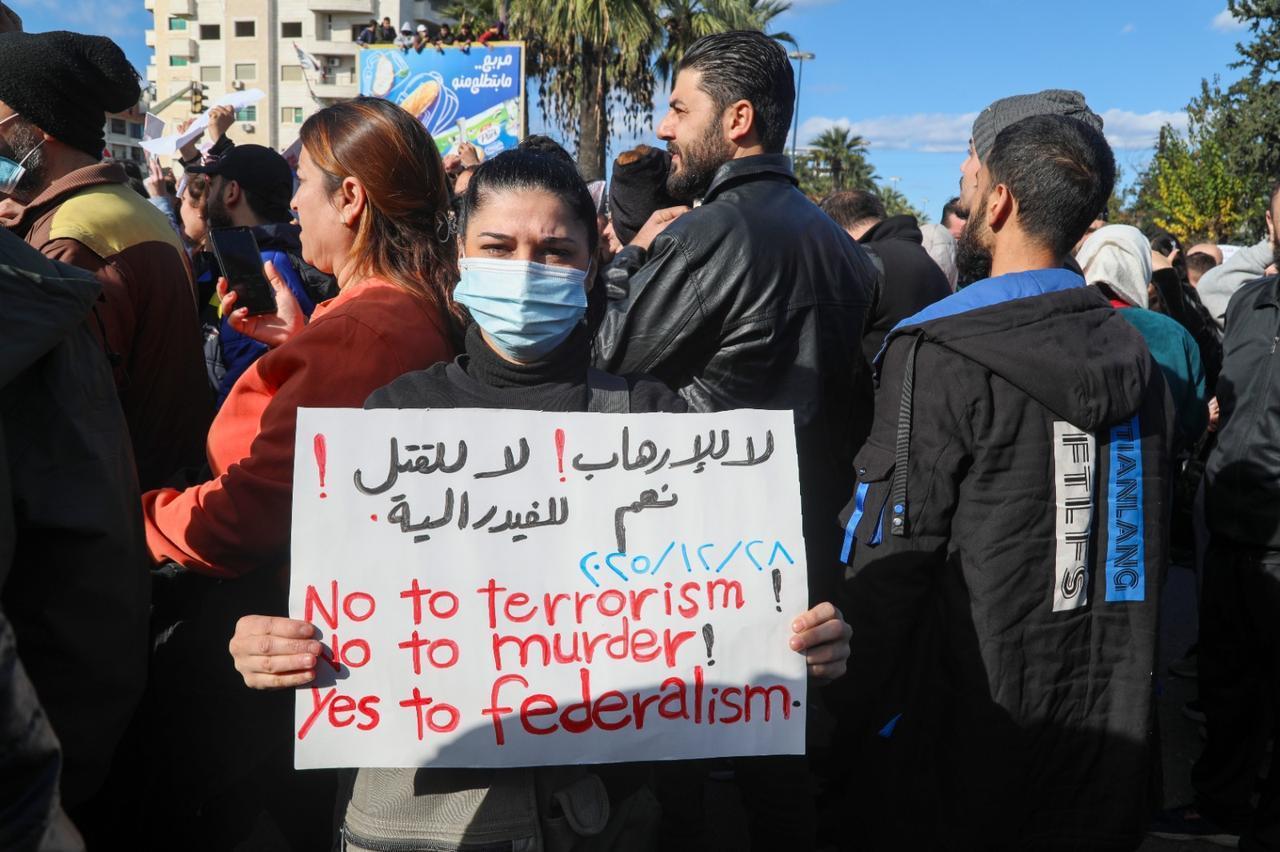

On the first anniversary of this political transformation, Syrians celebrated en masse across much of the country. Yet three regions stood apart.
Celebrations were banned in northeastern Syria and Sweida. And in Alawite-majority regions, celebrations were mostly boycotted following a call by Sheikh Ghazal al-Ghazal.
Little is publicly known about Sheikh Ghazal al-Ghazal’s whereabouts, and until recently, he was an obscure figure.
However, his background includes close ties to notorious war criminals, among them the Turkish citizen Mihrac Ural, who is accused of executing hundreds of civilians in Banyas and a terror attack inside Türkiye.
The boycott of the anniversary celebrations and the recent calls for federalism in Syria are troubling signals.
Unfortunately, large segments of the Alawite community have failed to engage in meaningful self-reflection regarding the crimes of the past or to reconcile with the broader Syrian public, many of whom hold the community responsible, rightly or wrongly, for their suffering.
Had the Alawite community shown greater empathy toward their fellow Syrians, they would likely have found a more receptive audience for their problems in a post-Assad Syria.
Instead, by rallying behind Sheikh Ghazal al-Ghazal and embracing calls for federalism, the Alawite leadership risks deepening the divide between Alawite and non-Alawite Syrians.
As long as demonstrators demand the release of allegedly “innocent” relatives such as the proven war criminal Ayham Mohammed Youssef, sectarian resentment will persist.
Without reconciliation, the Alawite community will continue to lose ground. It no longer possesses the power to impose its demands. By choosing confrontation over introspection and political maximalism over reconciliation, Syria’s Alawites are walking toward a future defined by uncertainty rather than security.


 Set as preferred source
 Set as preferred source


 1 min read
 1 min read