Newsletters


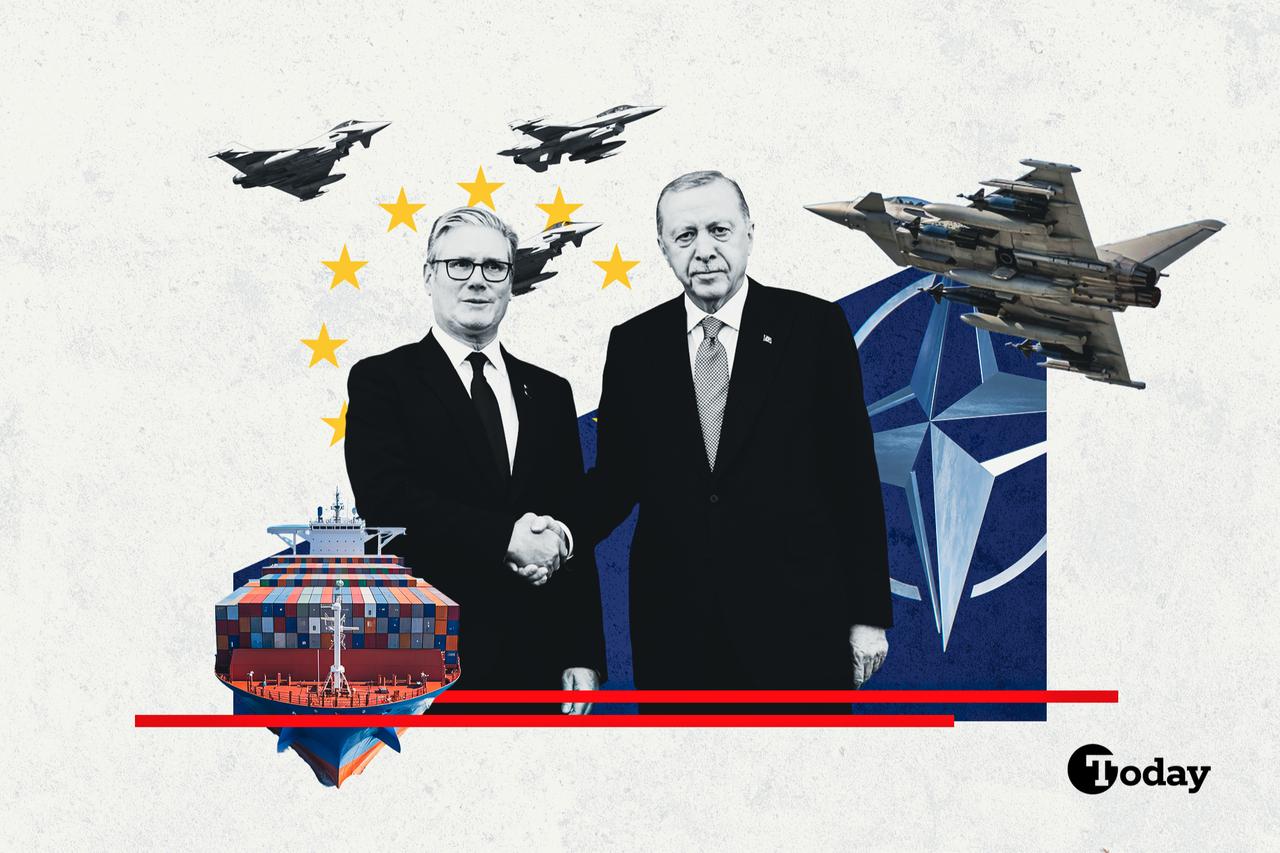


At an event for the German newspaper Die Zeit last week, the President of the European Commission, Ursula von der Leyen, in the course of advocating the expansion of the European Union, said: “We must succeed in completing the European continent so that it does not fall under Russian, Turkish or Chinese influence."
In placing Türkiye in the same category as Russia and China, hostile powers seeking to disrupt European unity, von der Leyen was widely considered to have committed a “gaffe,” upon which her old sparring partner, former European Council President Charles Michel, among others, eagerly pounced.
The EU quickly released a “clarifying” statement amounting to a repudiation of von der Leyen’s remarks, and Türkiye’s government opted to avoid escalation, releasing no formal comment on the affair.
This was a micro event, but it is part of a macro trend in EU policy, which displays a suspicion and worse toward Türkiye, symbolized in Ankara’s membership bid to join the Union being stalled for now over two decades.
The opportunity costs incurred on all sides and for the Western Alliance as a whole because of the EU’s ideological stance toward Türkiye were thrown into some relief in recent days by developments in Anglo-Turkish relations.

Britain’s divergence from the EU position on Türkiye has long been evident.
Many European governments and the United States were seen during the July 2016 coup attempt in Türkiye as delaying their responses until the outcome became clear.
In the aftermath, they were also reluctant to extradite the Gulenists suspected of involvement in the plot who fled and settled in their countries.
Britain, by contrast, quickly voiced support for Türkiye’s elected government on the night of the coup attempt. Later, the British Foreign Secretary also gave strong public support to the Turkish efforts to tackle the Gulenist threat, pointing out that it was an almost unique security problem to deal with an organization engaged in the “systematic infiltration of the entire apparatus of government” and acting “as a state within the state (to) try to overturn the state."
When Türkiye was struck by the terrible earthquake in 2023, Britain responded rapidly and generously with emergency aid and persisted in providing long-term assistance so people could rebuild their lives.
Since Britain voted to leave the European Union in 2016, and especially after its formal departure in 2020, relations with Türkiye have become much closer at the state level. This was also evident at the Antalya Diplomacy Forum (ADF) this year.
The ADF focuses on finding diplomatic solutions to crises in the Middle East and broader region, and in particular ways that Türkiye can contribute with partner nations toward such solutions.
It was quite an experience to be surrounded by over 6,000 luminaries from 155 countries who had gathered under the auspices of the Turkish Foreign Ministry, including academics, businessmen, dozens of senior officials from international organizations, 64 ministers, and 21 heads of state.
Britain sent its top officials: the Minister for the Middle East and North Africa, Hamish Falconer, and Foreign Secretary Yvette Cooper. In the public section of the ADF, the Anglo-Turkish alignment concentrated on Syria.
I watched Falconer, as part of a panel, “Syria’s Path to Stability,” emphasize Britain’s move “early on” after the overthrow of Bashar al-Assad in December 2024 to lift sanctions on the country, since those measures targeted the criminal fallen regime, not the state.
Noting that Britain had received Syria’s new president, Ahmad al-Sharaa, in London, where he met Prime Minister Keir Starmer and King Charles III, Falconer reiterated Britain’s interest in working with Türkiye and others to provide ongoing assistance to reconstruct and stabilise Syria.
Falconer added that Britain “will be a friend to Syria” in its counterterrorism efforts against the Daesh remnants.
While Foreign Secretary Cooper had a minimal official role in the ADF schedule, she partook in a series of important bilateral closed-door meetings, which the Forum enables. One of Cooper’s primary concerns in Antalya was Iran’s war with the U.S. and Israel, according to one of the sources.
Cooper discussed with Turkish officials possible ways to buttress the negotiations and strengthen the fragile ceasefire to avoid further regional instability. She also built on Falconer’s public message about the priority of keeping the Strait of Hormuz open, touching on issues of maritime security, an issue where British naval assets are in play.
Another source indicated that Cooper had spoken to Türkiye’s representatives about Ukraine. In public, the British position remains supportive of a full restoration of Ukrainian sovereignty, with Russian forces evacuated from all occupied territories.
This was reflected in Cooper’s overt meeting with Ukrainian Foreign Minister Andrii Sybiha; they discussed sanctions pressure towards a Russian withdrawal, the recent Russian attacks on Ukrainian cities, and potential cooperation against Russia’s “shadow fleet”.
In private, Cooper signaled a more flexible line, consistent with the evolving situation in Western policymaking circles.
Most importantly, during the ADF but parallel to it, Cooper had a direct bilateral meeting with Foreign Minister Hakan Fidan. Those with knowledge of the meeting describe a discussion about regional security dynamics, with the Iran file front and centre, specifically issues of maritime stability related to Hormuz.
The meeting was also a preparatory step for Fidan’s impending visit to Britain and the subsequent steps to be taken in bilateral relations.
Before Fidan arrived in Britain, it was obvious his trip was something out of the ordinary. Senior Turkish officials typically spend limited time in Britain, usually less than a day, and their schedule tends to be tight.
Fidan’s visit was set for two days, and on the second day, it was known he was going to travel up to Oxford to speak at the University of Oxford Global History Centre and the Changing Global Order Program. The extended stay and geographic spread were a testament to the broader agenda Fidan came with.
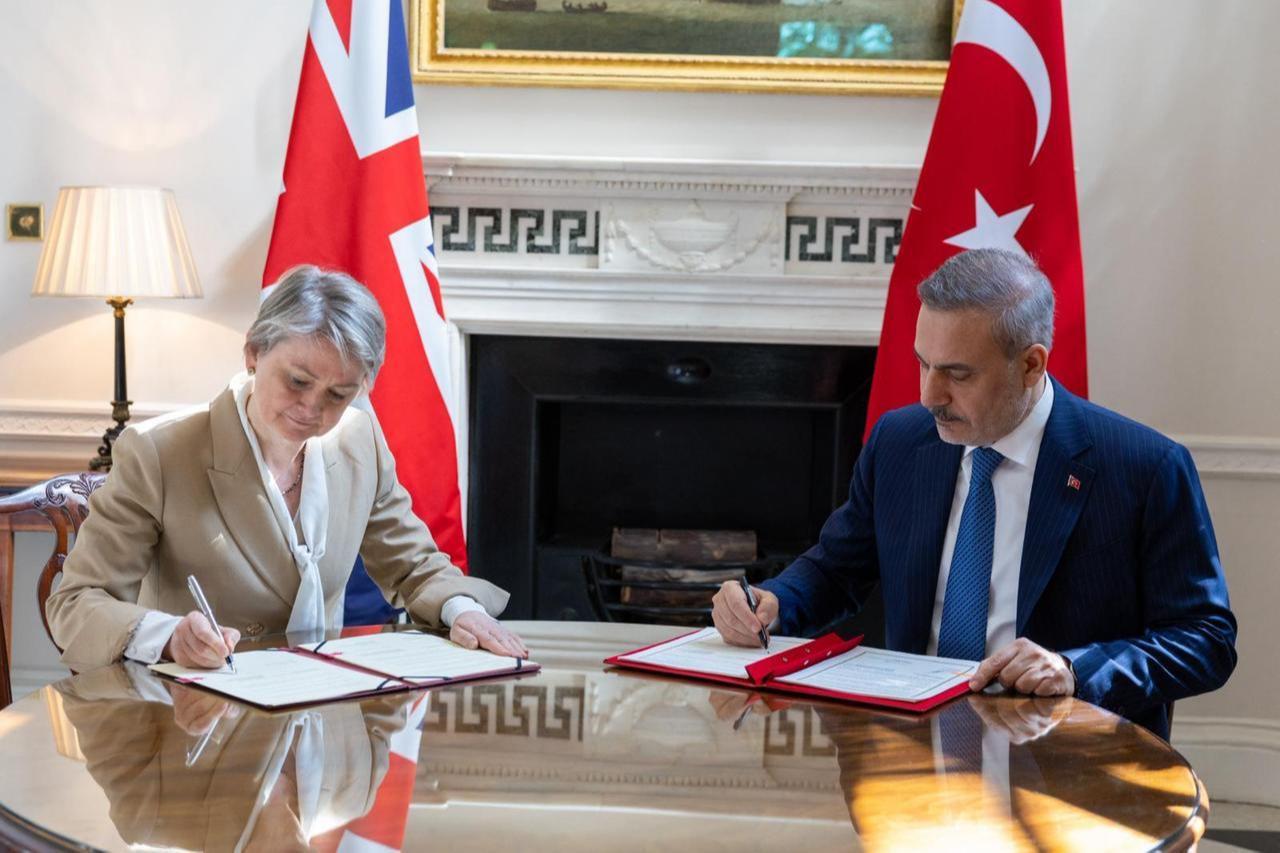
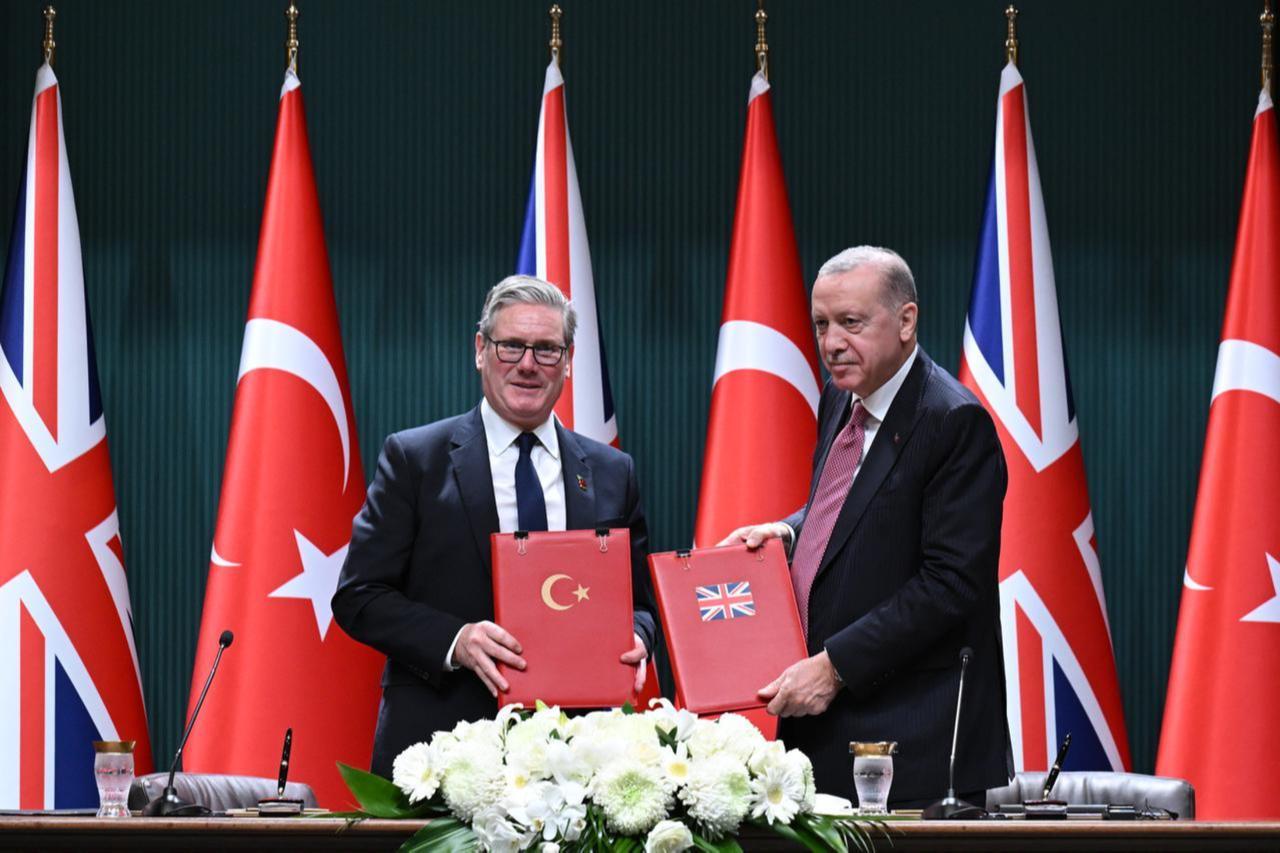
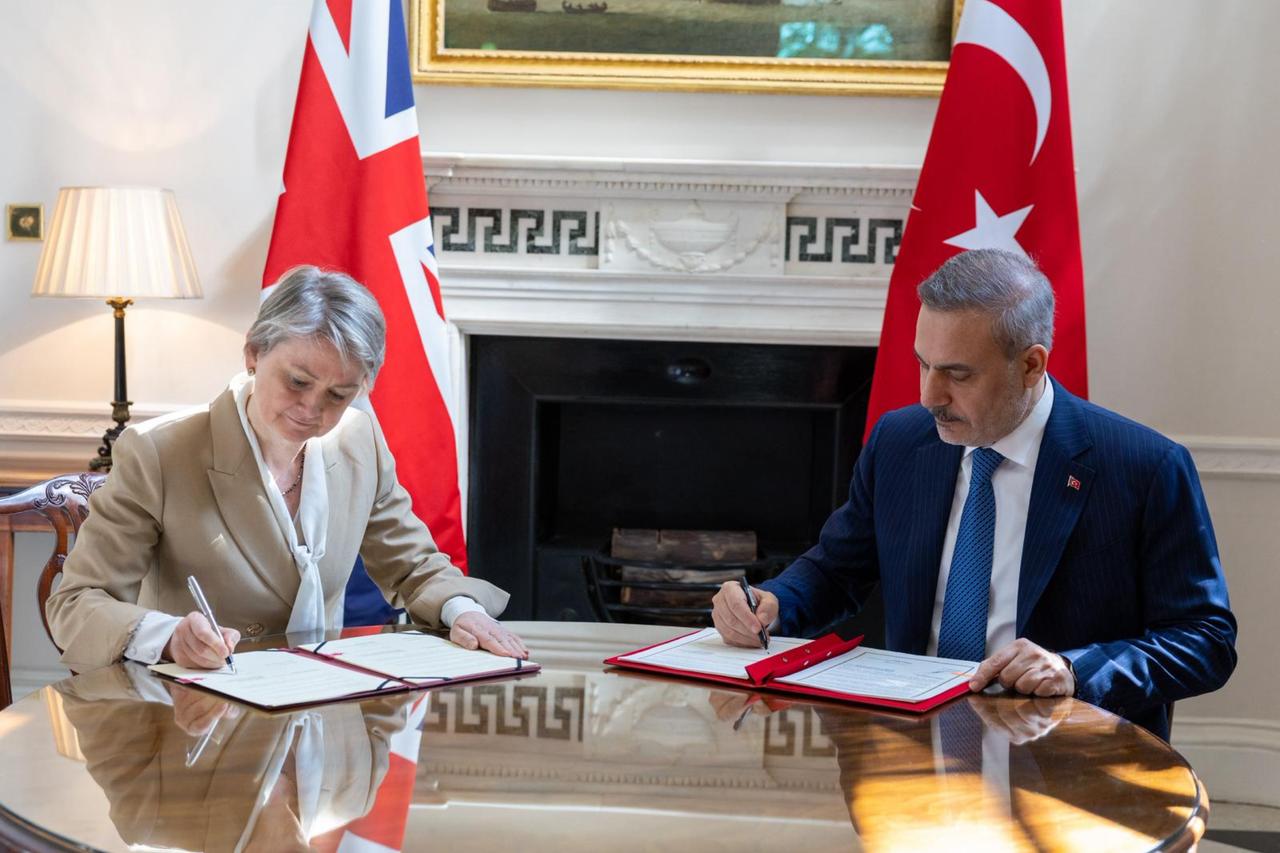
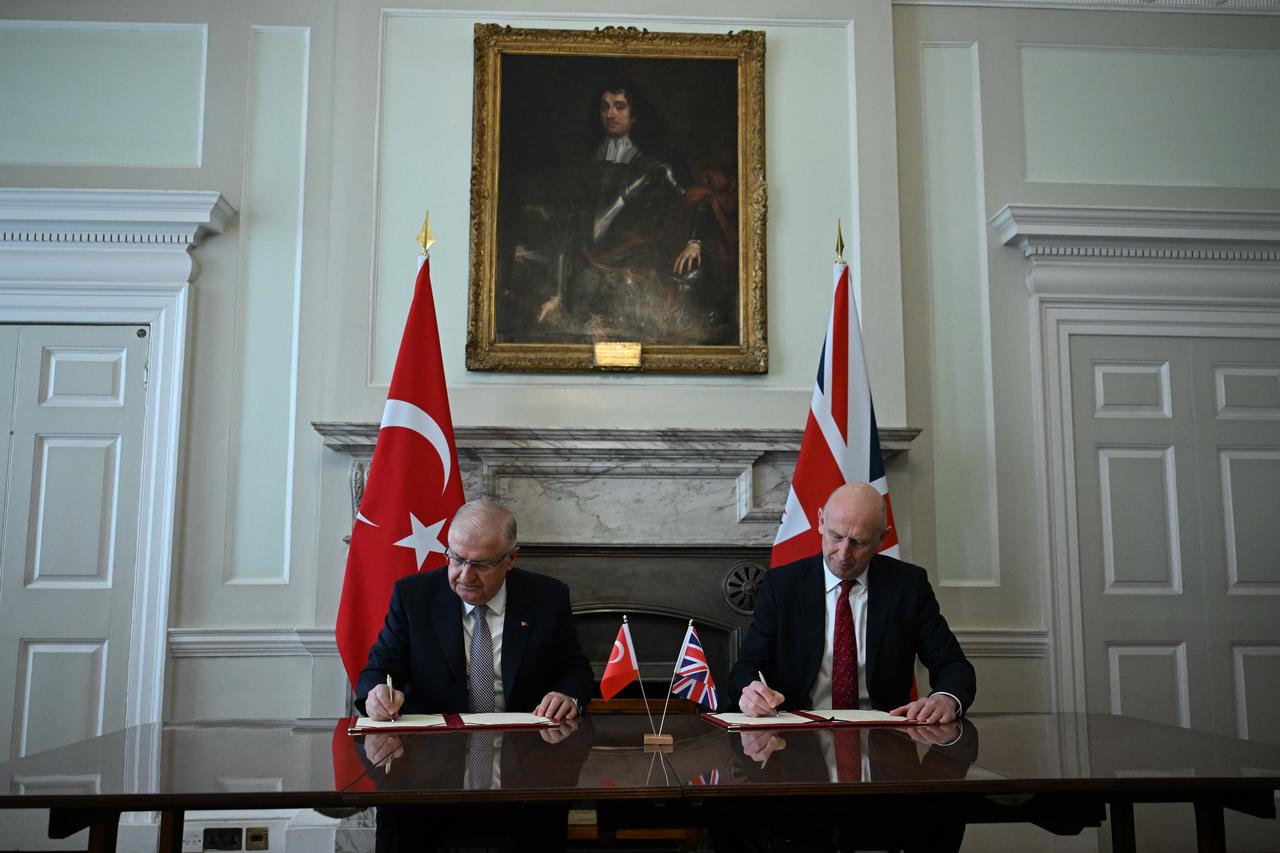
Fidan arrived in Britain on 23 April, and that afternoon, he and Cooper signed the U.K.-Türkiye Strategic Partnership Framework. The culmination and consolidation of a decade-long trend in relations, the Framework provides for more structured cooperation across a wide array of economic and security issues, as well as expanding people-to-people ties.
The joint statement reaffirmed the two countries’ intention to complete a modernised Free Trade Agreement. An important aspect of this will be British tourism in Türkiye, which has not only been economically mutually beneficial, but has also shaped positive popular perceptions on both sides.
Such dynamics have helped lead to an increase, alongside the governmental cooperation on “advancing humanitarian and development co-operation” mentioned in the statement, of Anglo-Turkish private enterprises in the fields of science, technology, and innovation, to combat climate change and develop secure energy, among other things. The new Framework will expand upon all of these areas.
In the security realm, the joint statement commits to "working more closely to promote global security and prosperity, enhancing defense capability and industry co-operation, strengthening co-operation in the fight against terrorism and organized crime."
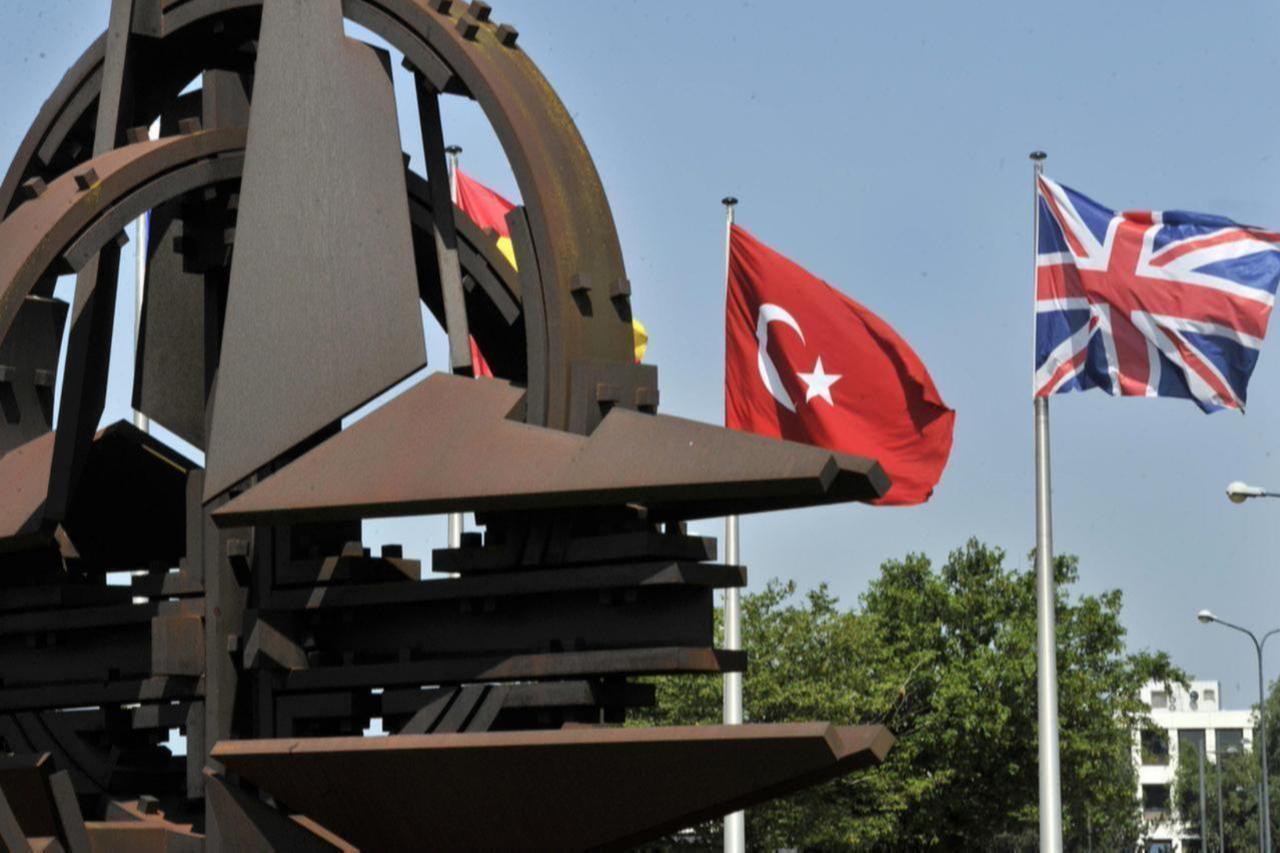
The most crucial element, however, is “increasing co-operation and co-ordination within NATO”, and the reference to this being a necessity amid a “fragmented international order”.
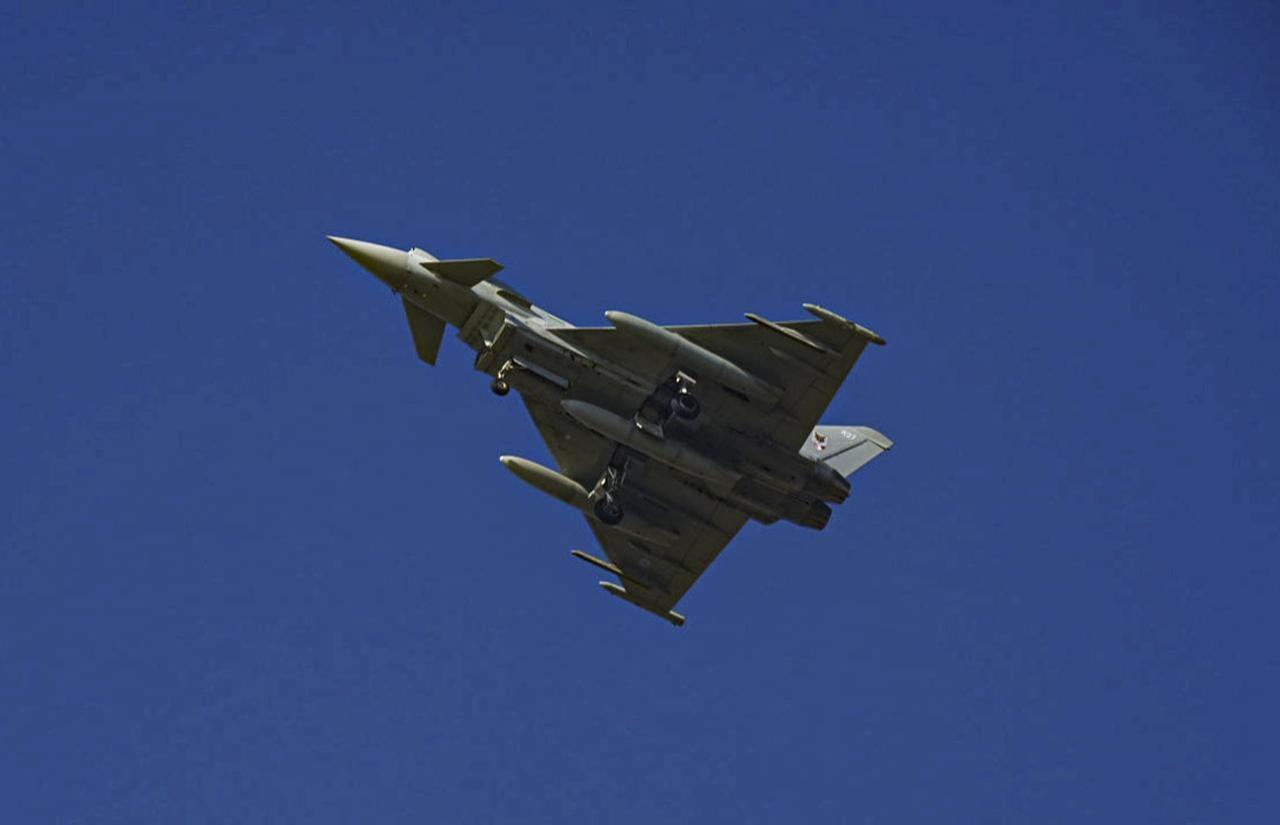
Türkiye and Britain are deeply devoted to NATO, and the increasing questions over U.S. reliability as the bulwark of the Alliance are, therefore, alarming to both.
For Türkiye, this worry has been building for some time. The U.S.’s support for the PKK in Syria as part of the anti-Daesh campaign and hesitancy to act against Gulen and his network were seen in Ankara as detrimental to core national security interests.
In combination with the imposition of sanctions on Türkiye under the CAATSA Act, excluding Türkiye from the F-35 program, and delays in F-16 procurement, it has created a cumulative picture of the U.S. as unpredictable, casting into doubt security arrangements dating back more than half a century.
Britain has increasingly come to share the Turkish view of U.S. volatility, especially during the second Presidential term of Donald Trump, whose mercurial policies have led to multiple direct confrontations on political-security matters, some more serious than others, and Trump’s repeated threats to the territorial integrity of NATO member Denmark have unnerved everyone.
Türkiye and Britain have converged on a strategy of adapting from within NATO to mitigate the risks of an increasingly unstable alliance architecture by diversifying their arrangements with capable partners. Strengthening their bilateral relations has been a cornerstone of this strategy, crystallized in the Framework.
The two sides complement one another. Britain has access to advanced defence technologies and equipment, without the baggage of the EU’s sclerotic bureaucratic procedures and congenital reluctance to cooperate with Türkiye.
Meanwhile, Türkiye has a serious military and sophisticated defence industry, likewise unencumbered with red tape and sectional political roadblocks.
Sources familiar with the diplomacy around the Framework say that one track currently under consideration on the defence-industrial side is Britain acquiring drones from Türkiye.
Drones have changed the face of modern warfare and Türkiye was the first to demonstrate it, in Libya and Azerbaijan, before supplying many of the drones that have been so vital to Ukraine’s survival.
The proposal being discussed is for Türkiye to become the priority supplier if Britain goes ahead with drone procurement.
A reciprocal element under discussion, according to these sources, is for Türkiye to open segments of its public procurement system to British companies.
This would revamp the current system of public tenders, and represent a major step towards a more formalised economic and defence partnership.
The recent developments, including Antalya and Fidan’s visit to Britain to sign the Framework, have moved Anglo-Turkish relations into a new phase of cooperation.
From defence and diplomacy to the economic and societal dimensions, Britain and Türkiye are becoming more integrated, greatly benefiting the security and prosperity of both, and making them more resilient in a world where challenges are increasingly as likely to originate in Brussels and Washington as Moscow and Beijing.


 Set as preferred source
 Set as preferred source


 2 min read
 1 min read