Newsletters


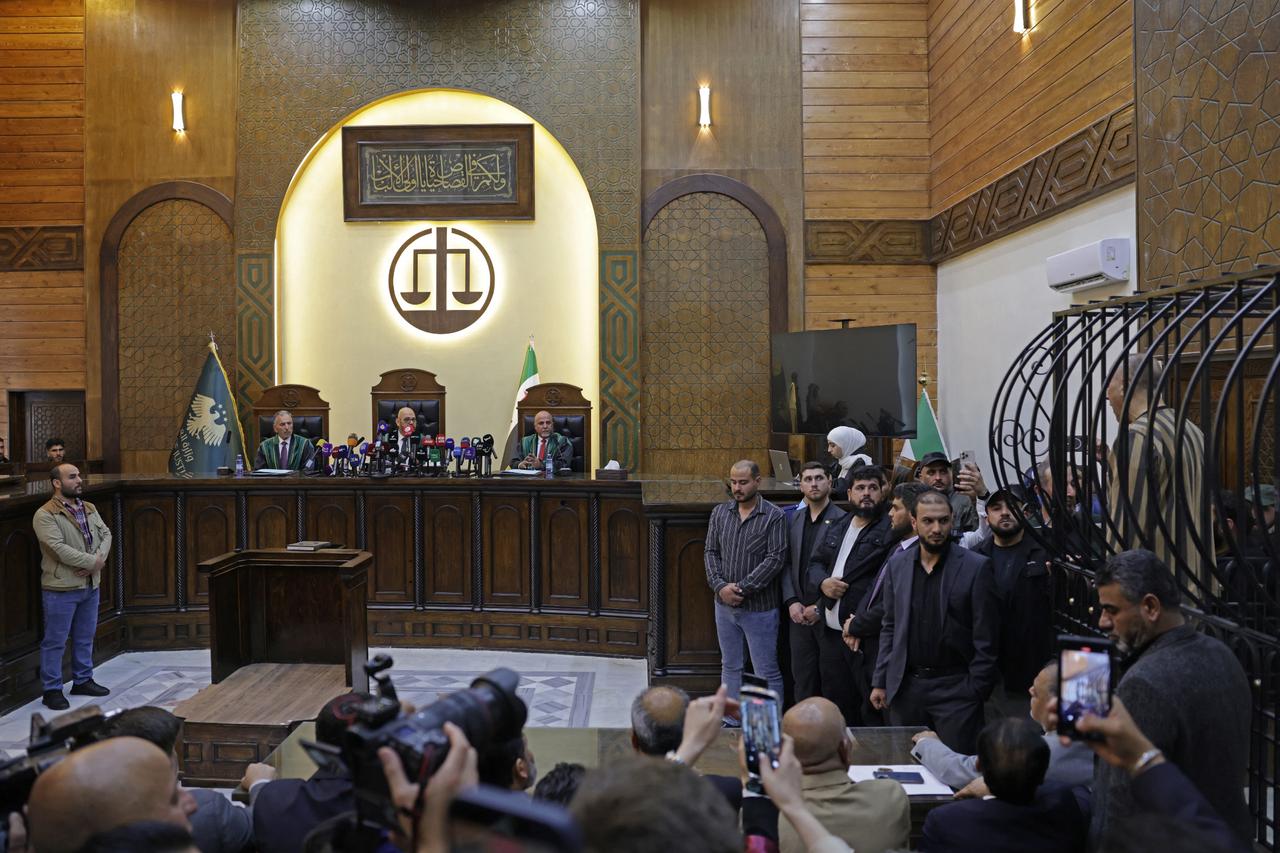


Almost a year and a half after the fall of the Assad regime, the Syrian judiciary has begun prosecuting crimes committed under its rule.
As part of the transitional justice process, it aims to restore justice without opening the door to a witch hunt.
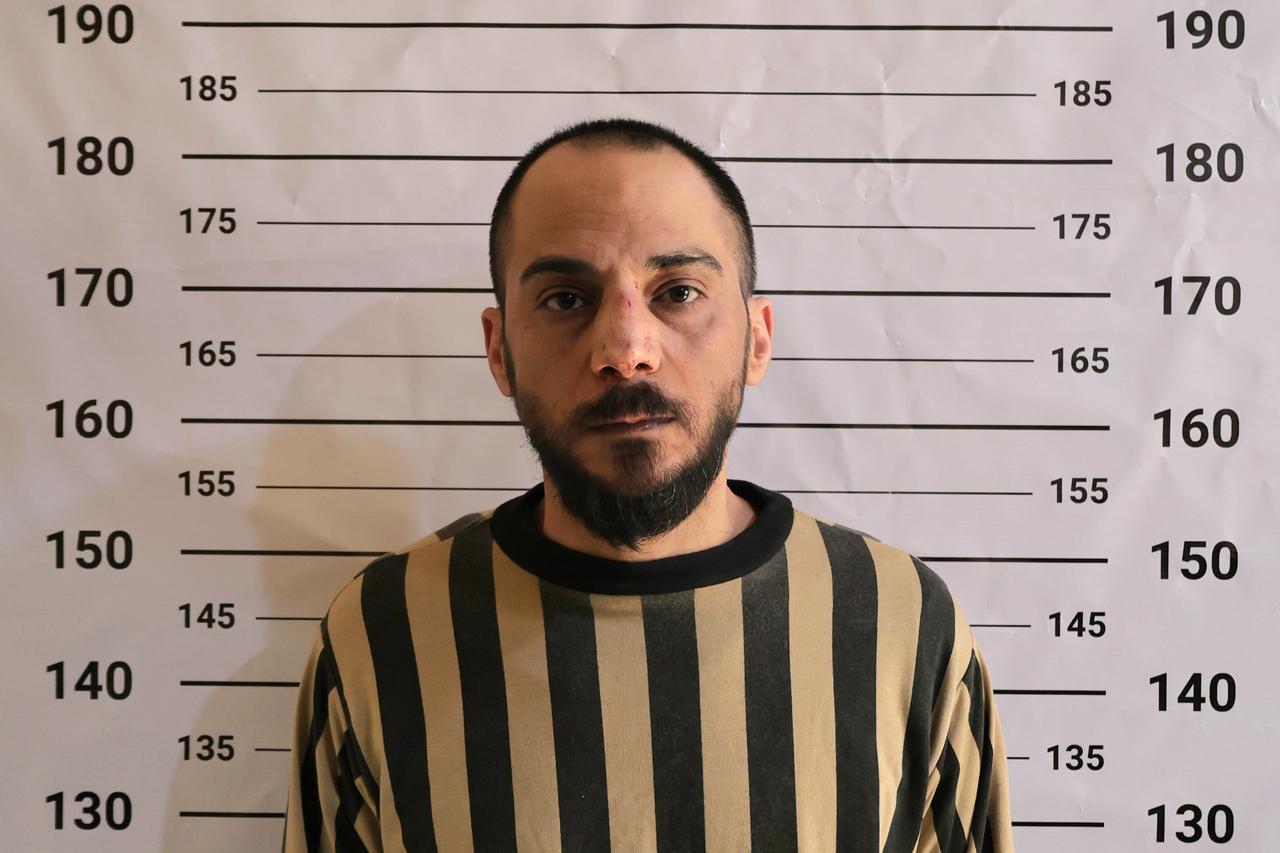
This herculean task has begun with the prosecution of Atef Najib, the former head of political security in Deraa province, where the Syrian revolution first erupted.
Judge Fakhr al-Din al-Aryan has pledged that the voices of the victims will not be forgotten and that justice will be served.
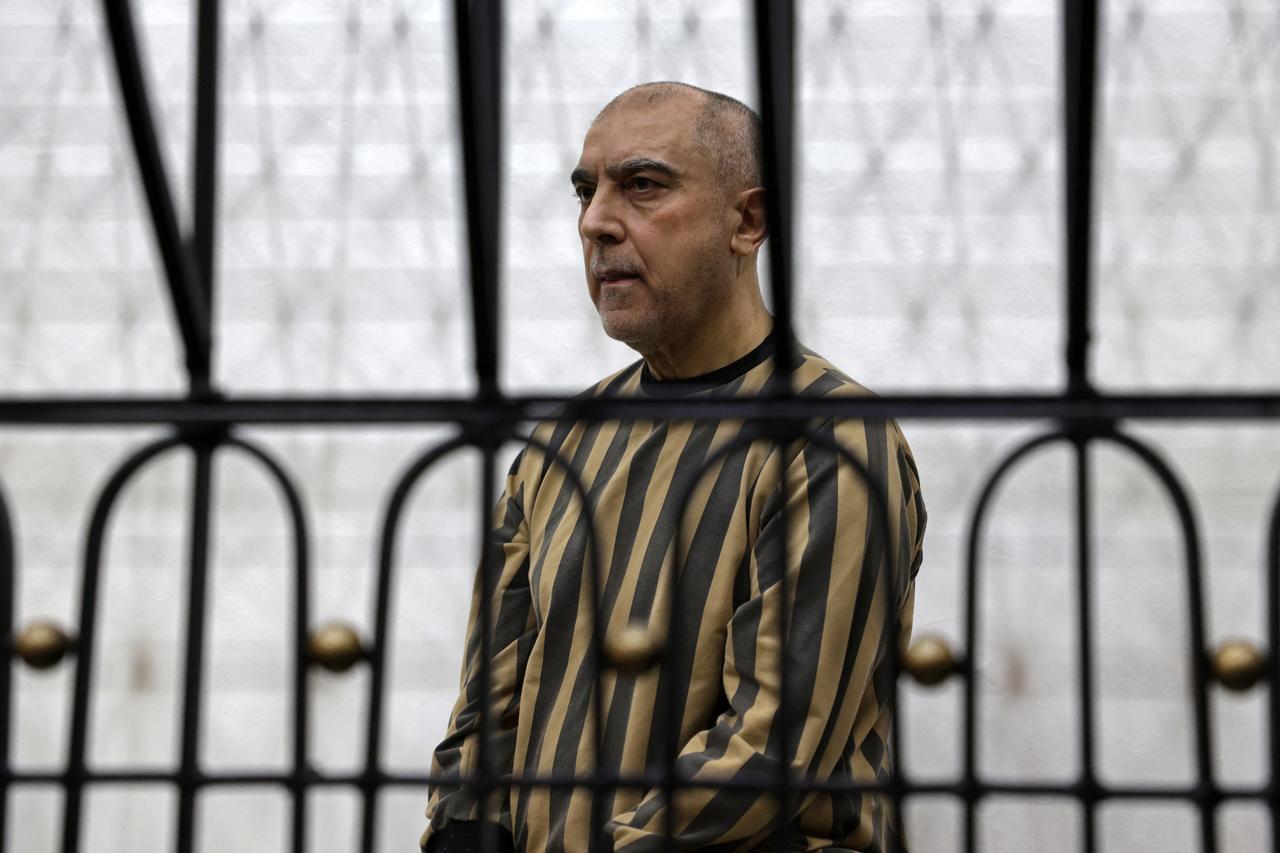

While outsiders may not fully grasp it, many Syrians have grown increasingly impatient with the new government. They accuse it of being too slow and too lenient in prosecuting figures from the Assad regime, and of failing to deliver justice to the millions who suffered under its rule.
At almost any given chance, Syrians would ask their president about when transitional justice for regime figures will be served.
But, when criminal proceedings for the massacres in the coastal regions and Sweida—where government forces were implicated in several abuses—were launched immediately, many victims of the Assad regime felt sidelined.
Some accused the government of prioritizing the rights of communities perceived to have been sympathetic to the former regime over those of the broader population, who supported the revolution and suffered miserably.
Others framed this frustration in sectarian terms, alleging that President Ahmad al-Sharaa was more attentive to minorities such as Alawites and Druze than to Syria’s Sunni majority.
However, the launch of the Najib trial, alongside the arrest of the notorious war criminal Amjad Youssef—responsible for massacring civilians in Damascus’ Tadamoun district—in the same week has begun to shift the public mood.
While many now express renewed hope for justice, others increasingly demand retribution through state authority. It will fall to the judiciary to ensure accountability without repeating the mistakes seen in post-2003 Iraq.
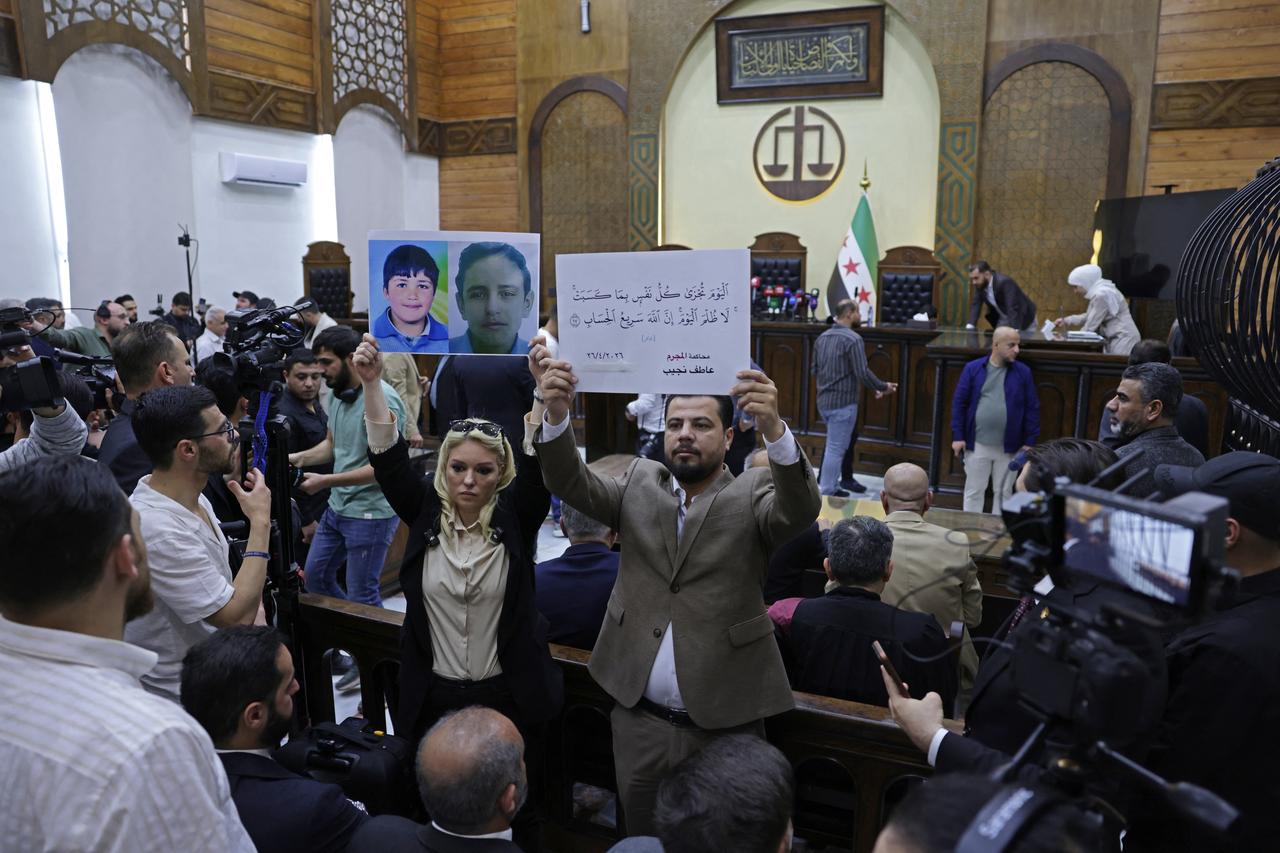
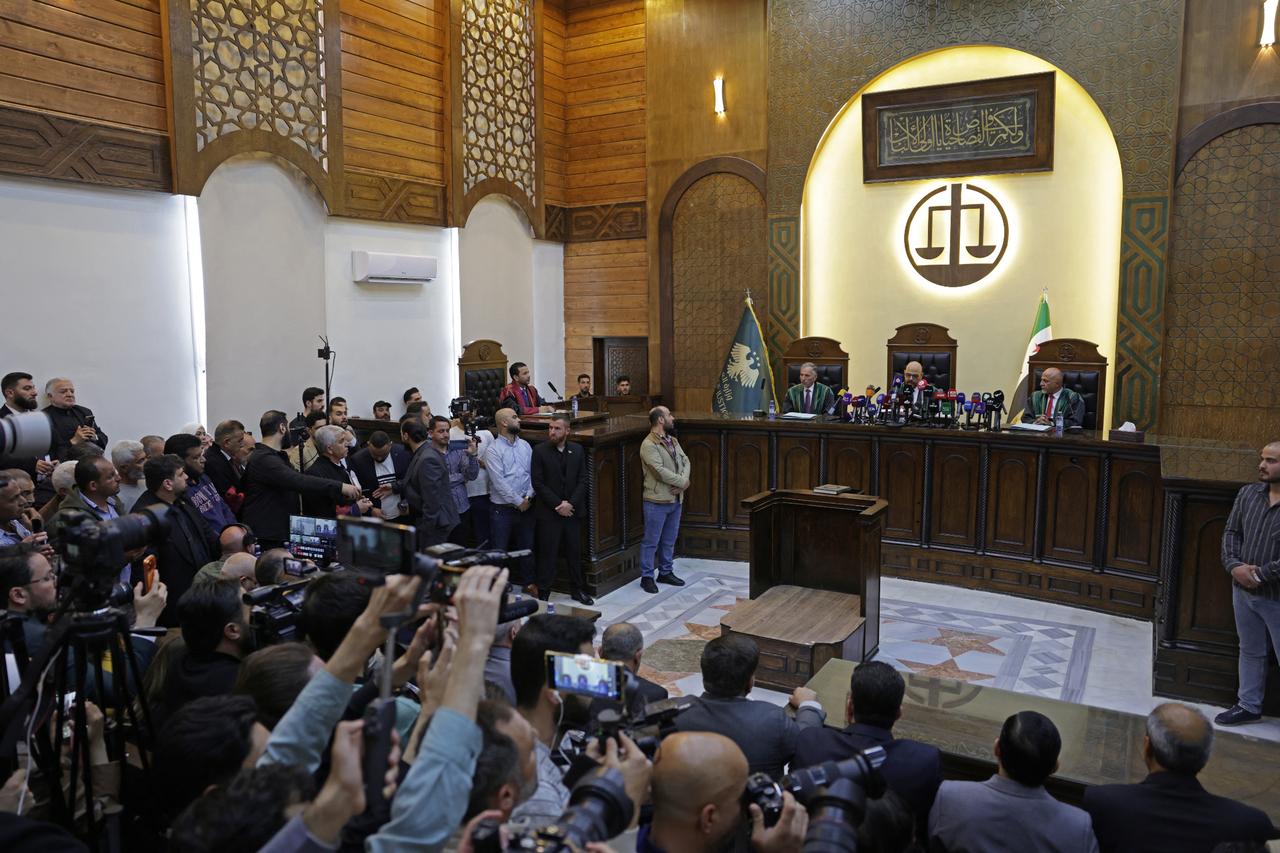
The transitional justice process will involve many cases and many judges, yet the first proceedings carry particular symbolic weight.
For me personally, the judge Fakhr al-Din al-Aryan is an old friend. Knowing him and being familiar with his extensive work documenting war crimes in Syria, as well as his methodical approach, gives me confidence that he can strike the delicate balance between delivering justice and preventing injustice carried out in the name of revenge.
And his appointment is a very positive sign for Sharaa, who had no reservations against him despite his role within the Syrian Interim Government pre-2024.
The Syrian Interim Government was the rival government to the government established by Sharaa in Idlib, the Syrian Salvation Government.


 Set as preferred source
 Set as preferred source


 1 min read
 1 min read