Newsletters





This article was originally written for Türkiye Today’s bi-weekly Balkans newsletter, BalkanLine, in its August 28, 2026 issue. Please make sure you are subscribed to the newsletter by clicking here.
Convicted Bosnian Serb war criminal Ratko Mladic died in The Hague on Thursday, more than three decades after the war that made his name synonymous with some of the worst crimes committed in Bosnia and Herzegovina.
He was serving a life sentence for genocide, crimes against humanity and war crimes, including his role in the 1995 Srebrenica genocide, where more than 8,000 Bosniak men and boys were killed.
The verdicts are final. The denial and glorification surrounding Mladic clearly are not.
It did not take long after his death for tributes to appear. Hundreds gathered in Zvornik carrying Serbian flags and banners praising him. In Bratunac, near Srebrenica, graffiti appeared reading, “We are all Mladic’s soldiers.” Candles were lit in Brcko, while Red Star Belgrade supporters displayed a banner honoring Mladic during a Europa League match.
Then Belgrade issued a statement, and the story took on a new dimension.
Serbian Justice Minister Nenad Vujic said Friday that Mladic would be buried with the highest state and military honors, with his family deciding where the burial would take place.
The reactions quickly spread beyond Serbia and Bosnia. Montenegrin President Jakov Milatovic stressed that Mladic had been convicted by a final judgment of genocide and the gravest war crimes, something he said was not a matter of political opinion, but an established judicial fact.
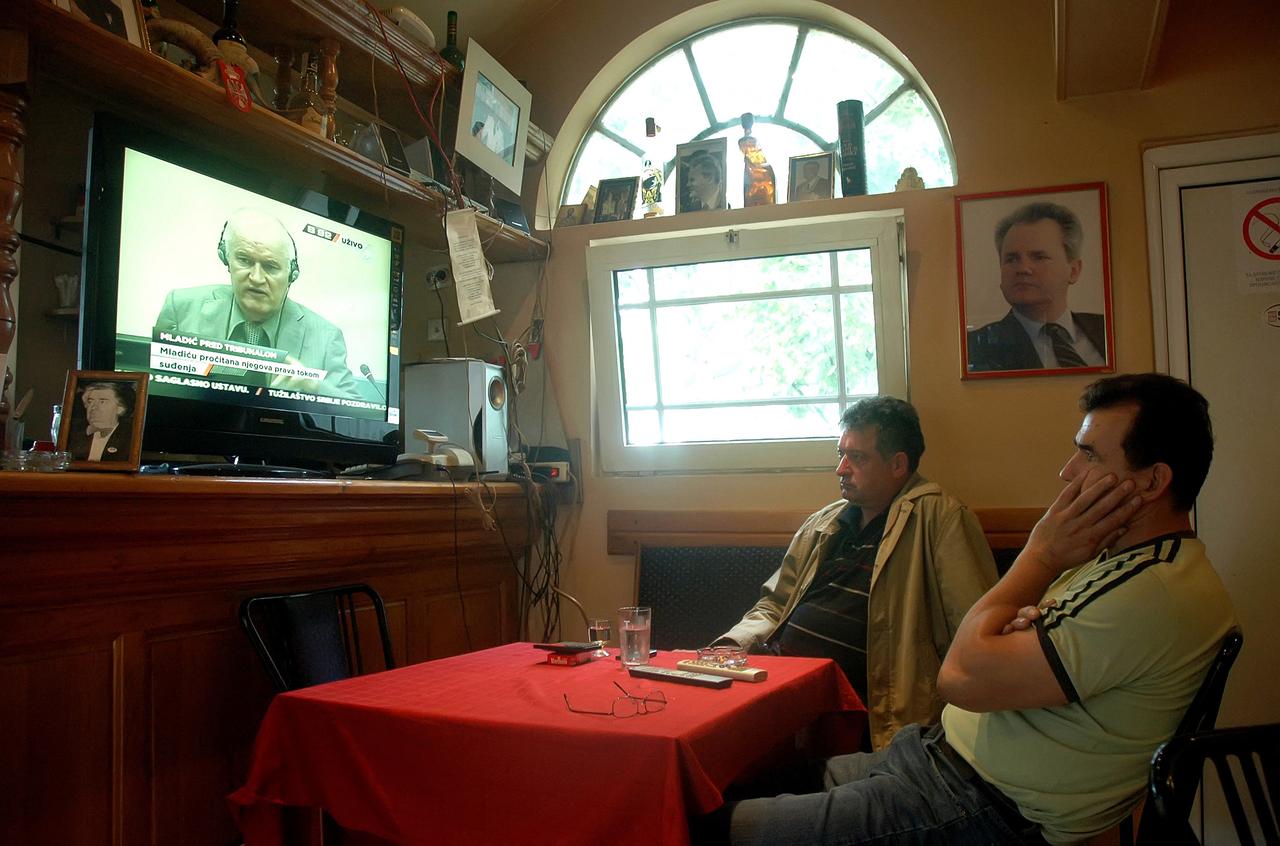

More than 30 years after Srebrenica, Mladic’s death has therefore done something rather familiar in the Balkans: reopened a debate that never really went away. The man who died in The Hague was a convicted war criminal. Yet in parts of Serbian nationalist politics and public life, and in some parts of the Balkans, the image of Mladic as a hero has survived the verdicts against him.
One assessment from the region is particularly worth noting. Journalist Dzana Gazibara Brkanic argued that Serbia was unlikely to fundamentally change the way it confronts its wartime past as long as Aleksandar Vucic remained in power.
Speaking of remaining in power, let’s get to Serbia’s other big story this week.
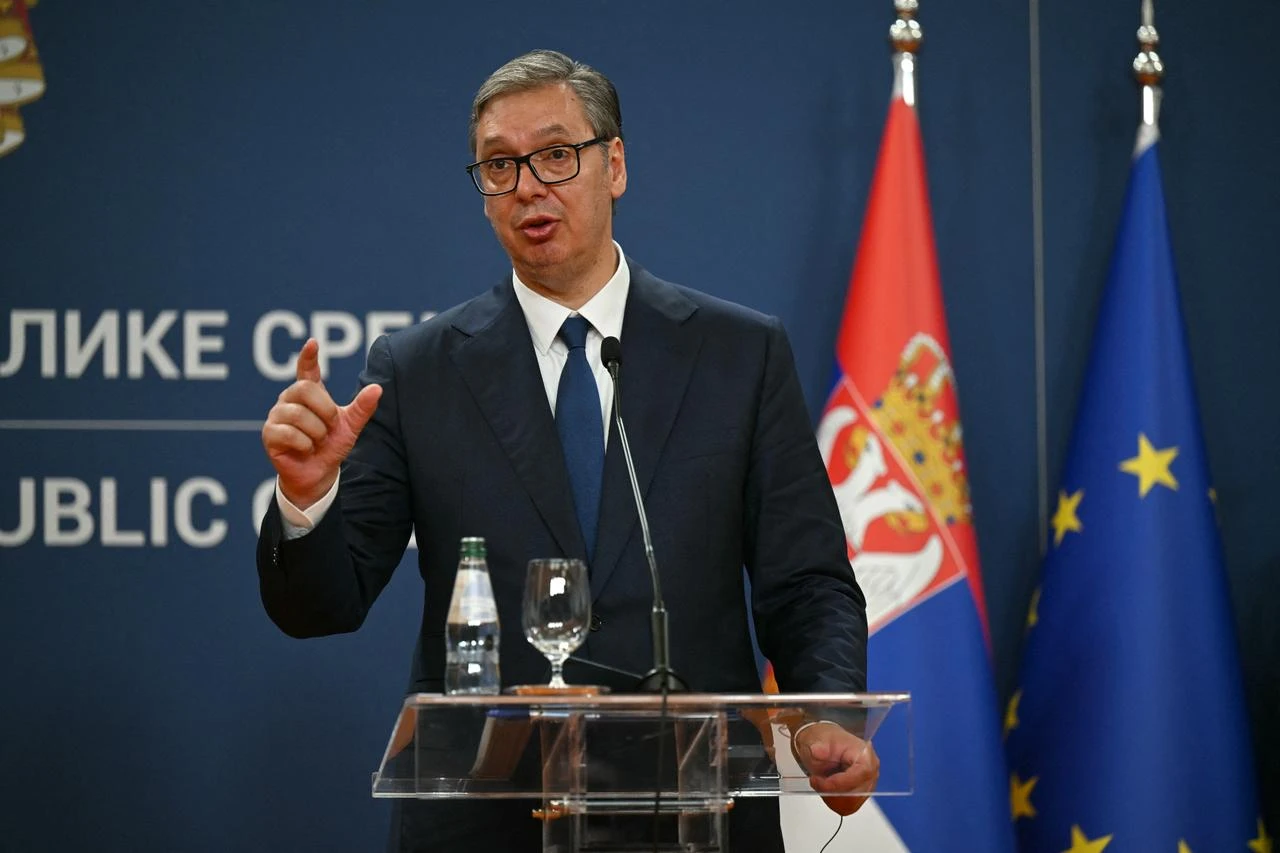
Vucic said last week that Serbia would most likely hold a snap parliamentary election on either Oct. 18 or Oct. 25—keyword being most likely, since nothing has been formally and cracked yet and the date’s still not locked in. Still, it is the clearest indication yet that Serbia is heading toward an early vote after months of pressure from the student-led protest movement that emerged following the Novi Sad railway station canopy collapse in November 2024, which killed 16 people.
What began as demands for accountability eventually grew into the biggest sustained challenge to Vucic in years, with early elections becoming one of the movement’s central demands.
If the vote goes ahead in October, the students will have achieved something they have pushed for for months: putting that political challenge before voters nationwide.
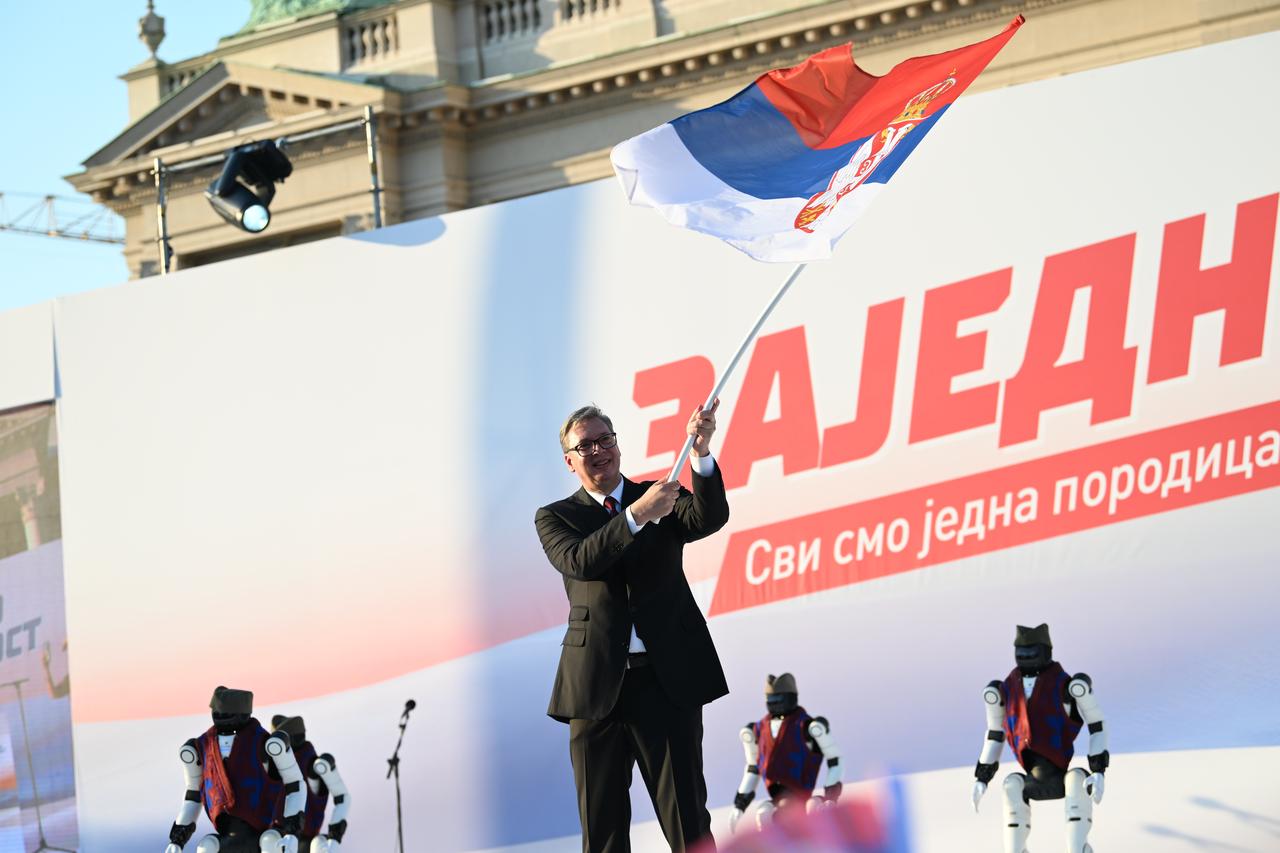
But let's not overlook one crucial point. An early election would also move the confrontation onto ground Vucic knows very well. Serbia has held five parliamentary elections since his Serbian Progressive Party (SNS) came to power in 2012. Four of them were snap votes.
And I think this one looks less predictable.
The student movement has spent the summer organizing across Serbia and preparing for an electoral contest, while its rise has also reshaped a fragmented opposition landscape. Some opposition parties have signaled support for a student-backed list, while others may contest the election separately.
Then there is Vucic himself.
In July, Vucic laid out a possible sequence: the government would resign, he would call parliamentary elections, remain president for only a few days, at most two weeks, and then step down before joining the campaign.
At first glance, that sounds like the beginning of an exit. It may not be.
Vucic is serving his second presidential term and, under Serbia’s current Constitution, cannot be elected president for a third time. There is no equivalent term limit for the premiership.
And the idea of a return to that job is now being discussed openly within his own party.
On Aug. 25, SNS leader Milos Vucevic said he believed Vucic would head the party’s electoral list and become its candidate for prime minister if the list wins. He stressed, however, that the decision had not yet been finalized and that Vucic himself would decide whether to take part.
There would be a certain irony in the move. Vucic was Serbia’s prime minister before becoming president in 2017. He moved into an office with more limited formal powers without losing his position at the center of Serbian politics.
Now he could make the same journey in reverse.
There is another unanswered question: who would become president after him.
If Vucic resigns before his term ends, Serbia would also have to elect a new head of state. Depending on the timing, the presidential and parliamentary votes could even coincide, as they did in 2022, though there is no indication yet that this has been decided.
That could produce very different political arrangements. An SNS parliamentary victory and a president from the same political camp would broadly preserve the current alignment of power. An SNS-led government under Vucic alongside a president backed by his opponents would be something considerably less familiar.
But all of that remains hypothetical. Serbia does not yet have an official election date, Vucic has not resigned and the presidential race has not begun.
Which brings us back to Brkanic’s point about change.
Vucic may indeed leave the presidency. The more interesting question is whether he intends to leave power with it.


 Set as preferred source
 Set as preferred source


 2 min read
 1 min read