Newsletters


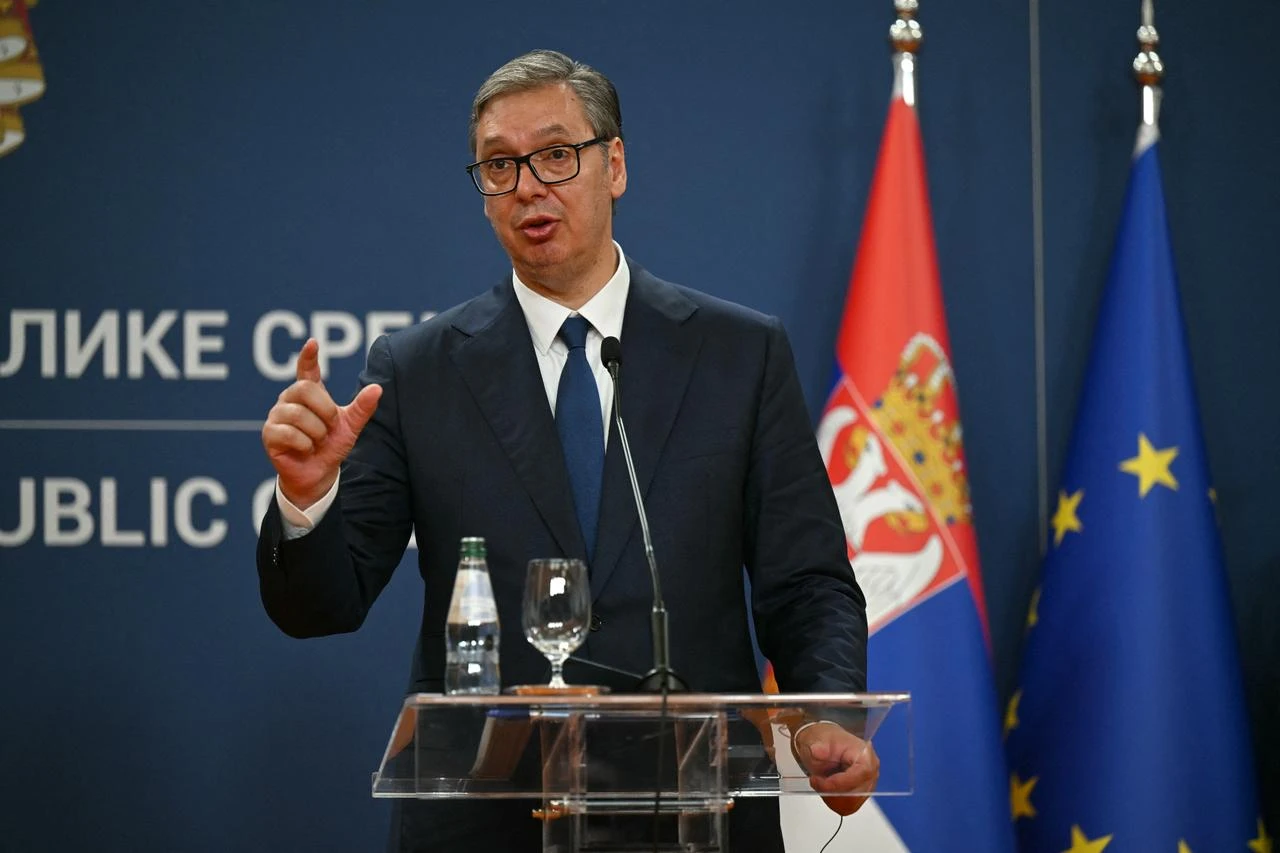


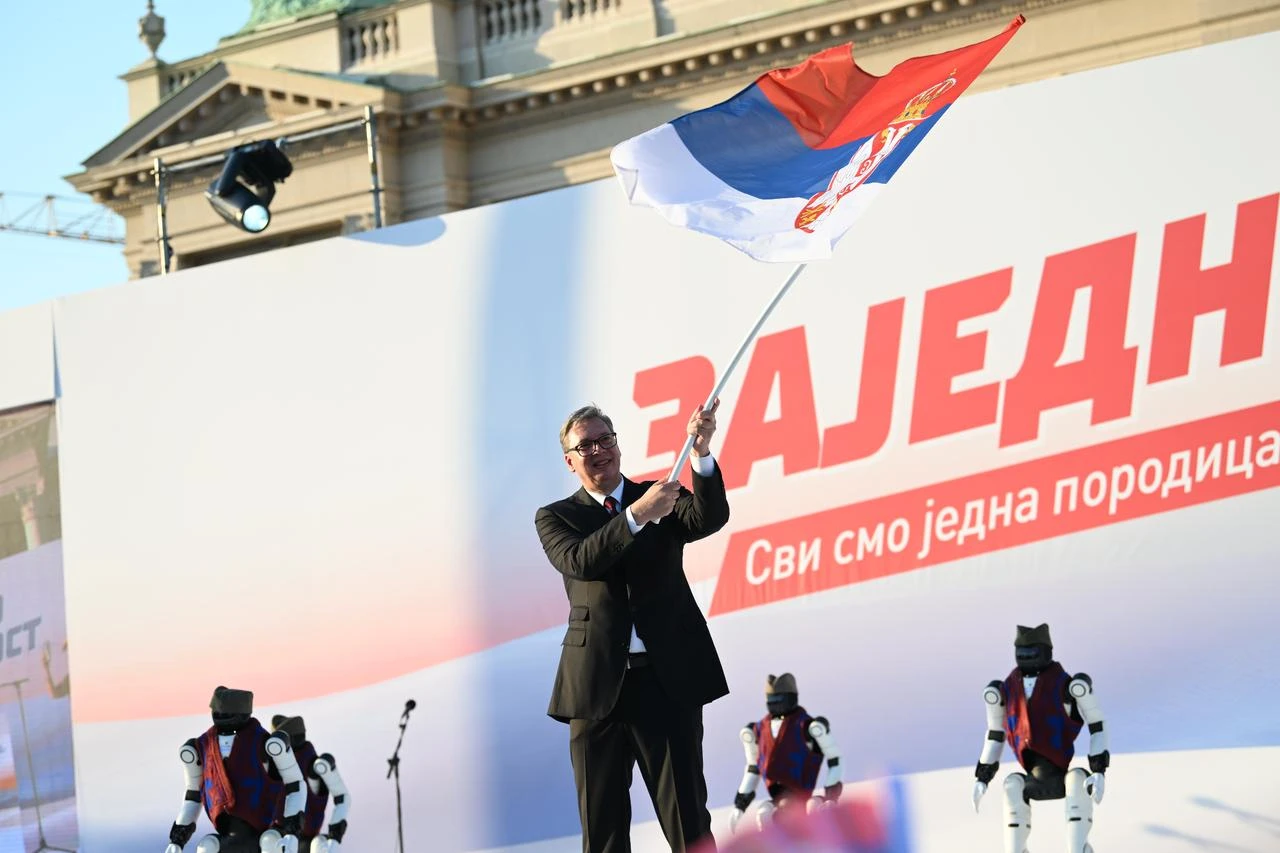
Serbian President Aleksandar Vucic said snap parliamentary elections would most likely be held in October, giving his strongest signal yet that an early vote demanded by long-running protests is imminent.
“Parliamentary elections in Serbia will most likely take place either on October 18 or October 25,” Vucic told national broadcaster RTS late Thursday.
“We will know in a few days,” he said, without providing further details.
Serbia’s parliamentary elections were originally scheduled for December 2027.
Vucic said the vote would pit his ruling Serbian Progressive Party (SNS) against the rest of the political field.
“On one list there will be the Serbian Progressive Party with its list, on the other all other political options,” he said.
The broadcast marked the first time Vucic had given possible dates for the vote, more than a month after he pledged at a party rally to call early elections.
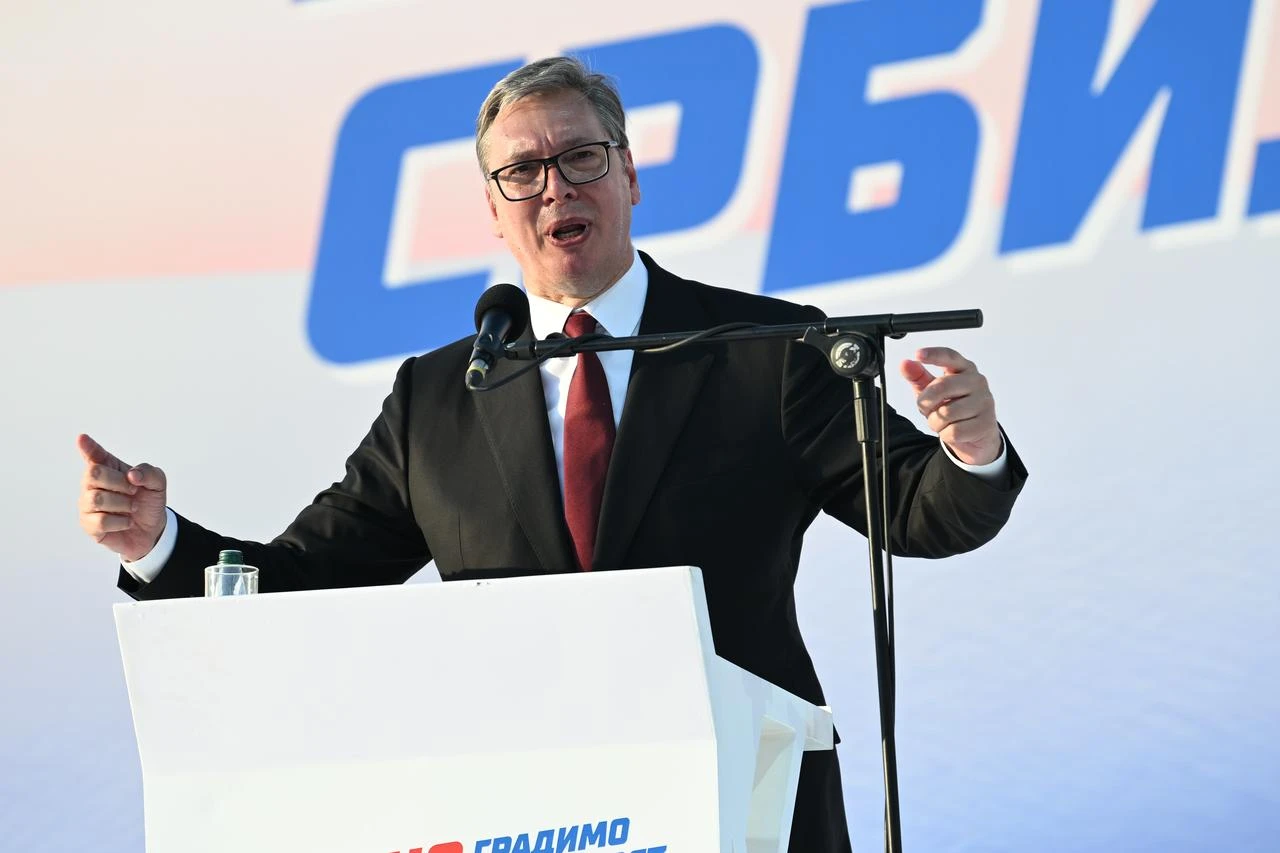

Vucic did not say when he would resign to trigger an early presidential vote.
On June 27, he said he would resign within weeks and that Serbia would hold early parliamentary and presidential elections after 18 months of anti-government protests.
Analysts say Vucic could become prime minister if his Serbian Progressive Party wins the parliamentary elections, allowing him to remain Serbia’s central figure of power regardless of his formal title, Reuters reported.
Vucic, 56, has been in power as president or prime minister for 12 years.
His party colleagues have hinted they would support him as prime minister if they win, a move that would keep him at the center of Serbian politics.
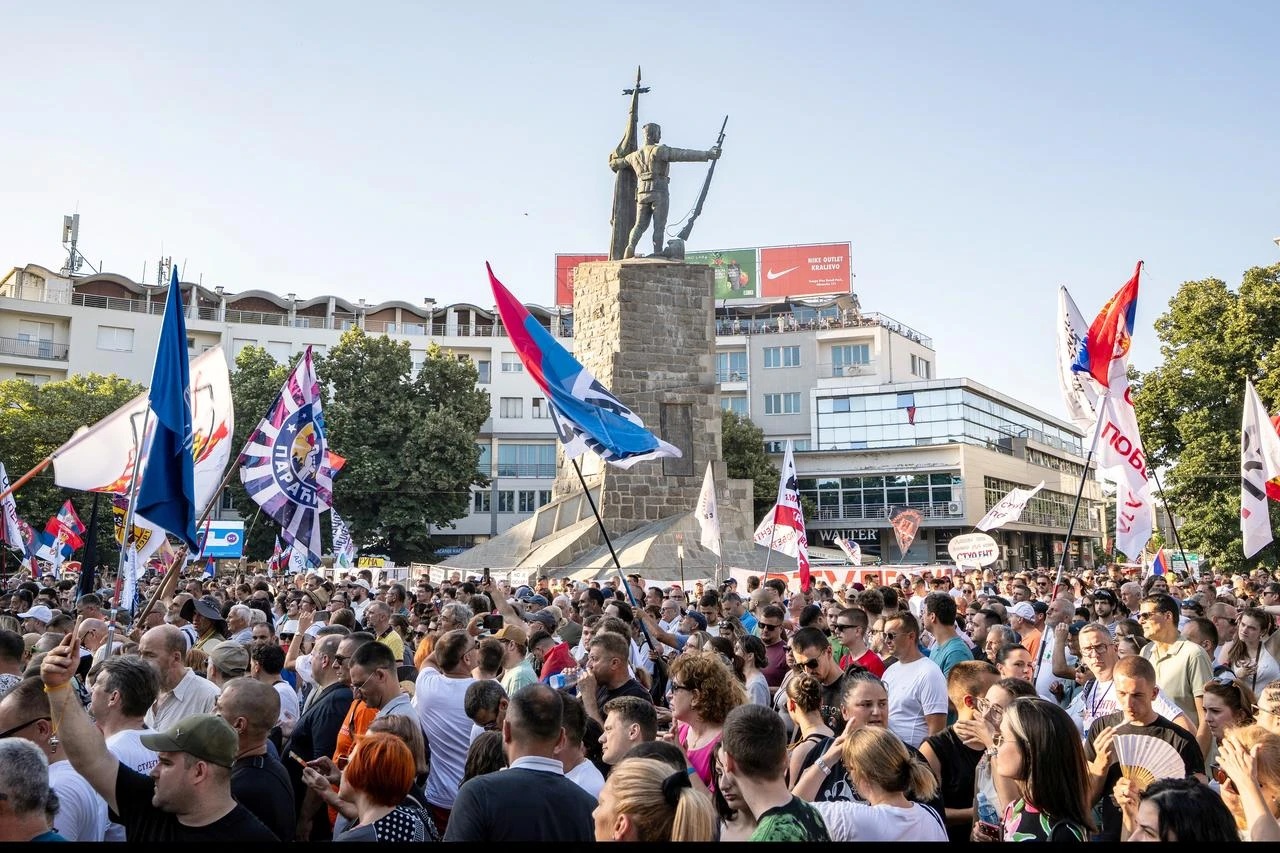
Serbia has been gripped by a protest movement since a railway station canopy collapsed in the northern city of Novi Sad in November 2024, killing 16 people.
The tragedy became a symbol of perceived corruption and triggered rolling demonstrations, largely led by students, demanding accountability and eventually early elections.
The last major rally, held in Belgrade in May, drew about 180,000 people, according to an independent counting body.
Vucic has repeatedly promised to hold a snap vote but had avoided naming a date.
The protests are the largest since the fall of strongman Slobodan Milosevic in 2000 and represent the biggest challenge to Vucic’s more than a decade in power.
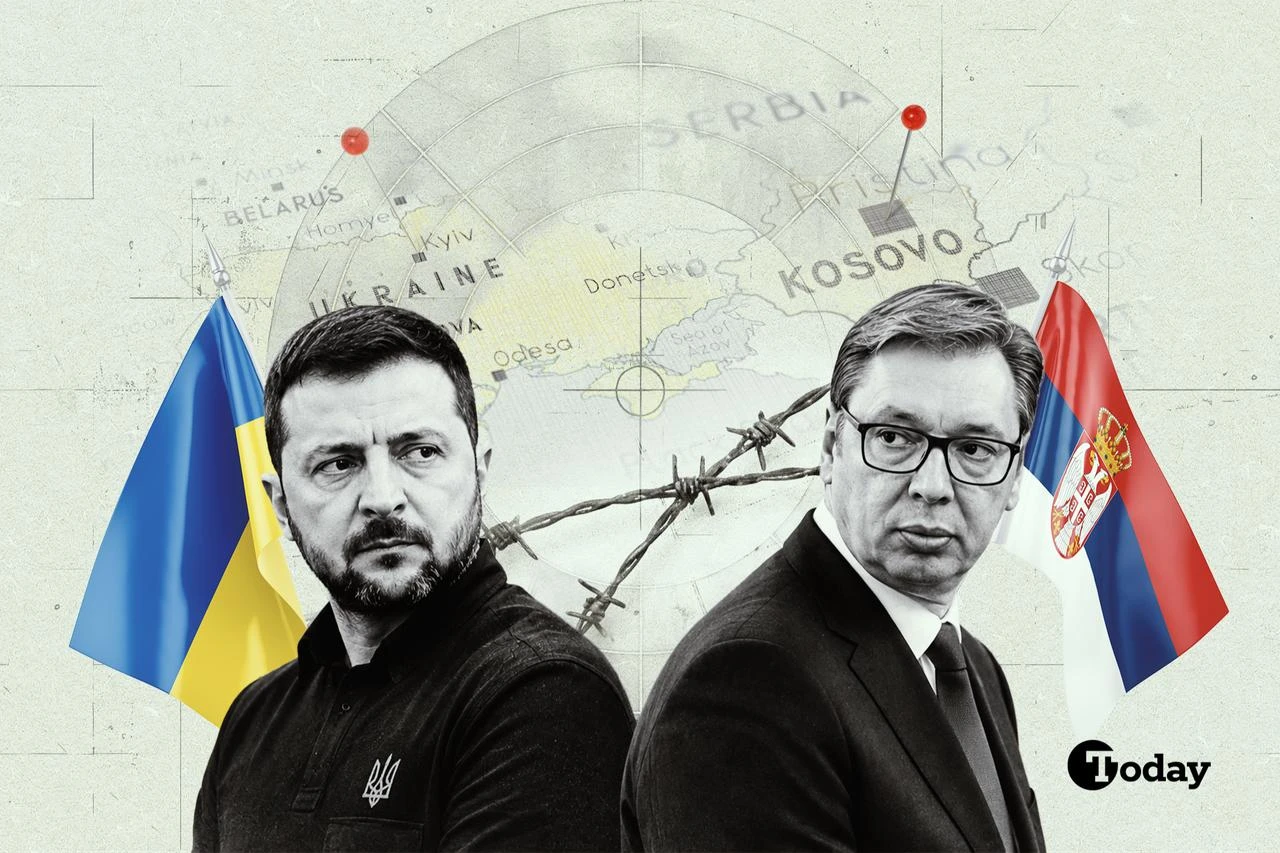
Serbia is a candidate to join the European Union, but Belgrade maintains strong ties with Russia and China, a balancing act Vucic has pursued throughout his time in power.
The EU has said Serbia must improve the rule of law, including conditions for free and fair elections, and root out corruption and organized crime before joining the bloc.
It has also called on Belgrade to align its foreign policy with the EU.
Opposition figures accuse Vucic and his allies of violence against political opponents, rampant corruption, ties with organized crime and restrictions on media freedoms.
Vucic and his allies deny the allegations.


 Set as preferred source
 Set as preferred source


 1 min read

 1 min read