Newsletters


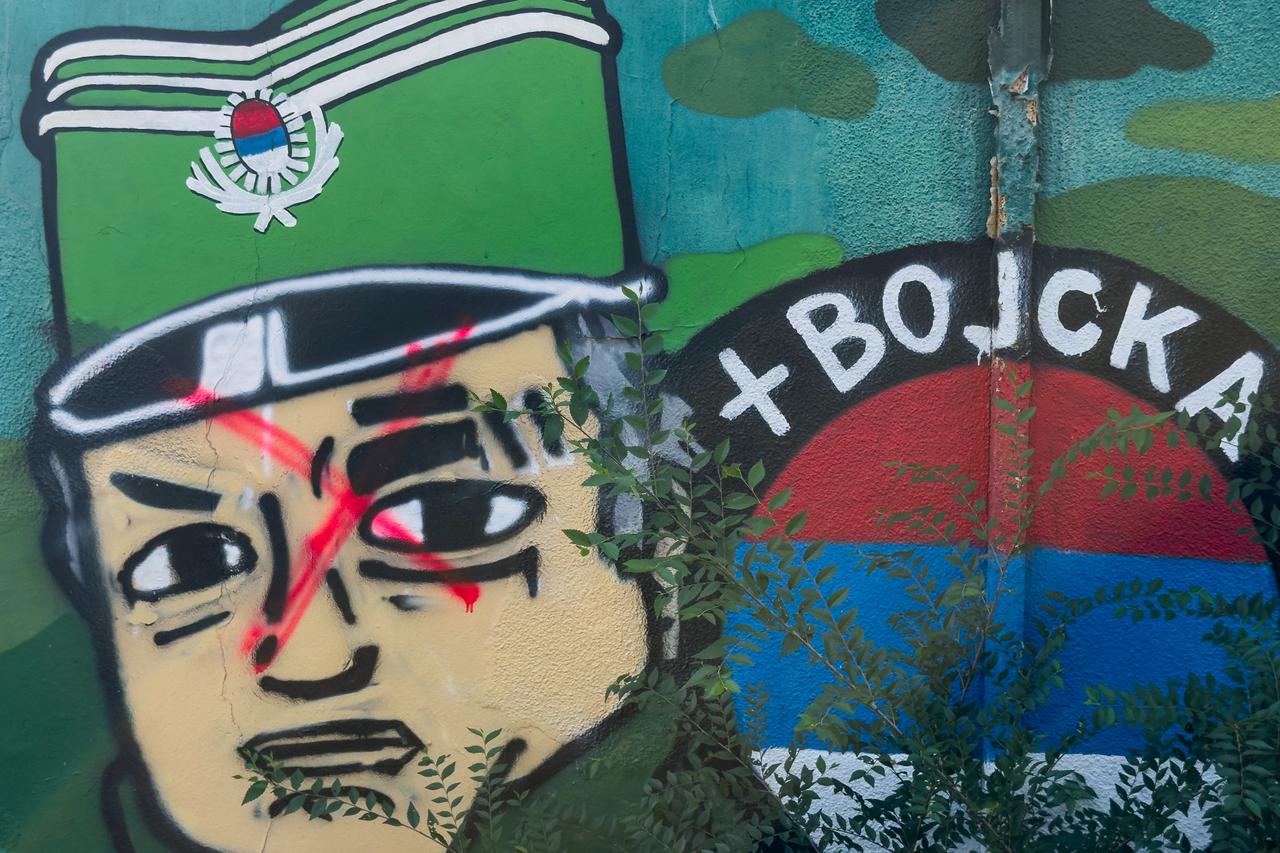


Provocations by Serbs following the death of convicted war criminal Ratko Mladic, who was found guilty of genocide against Bosniaks in Srebrenica in eastern Bosnia and Herzegovina in July 1995, drew sharp reactions.
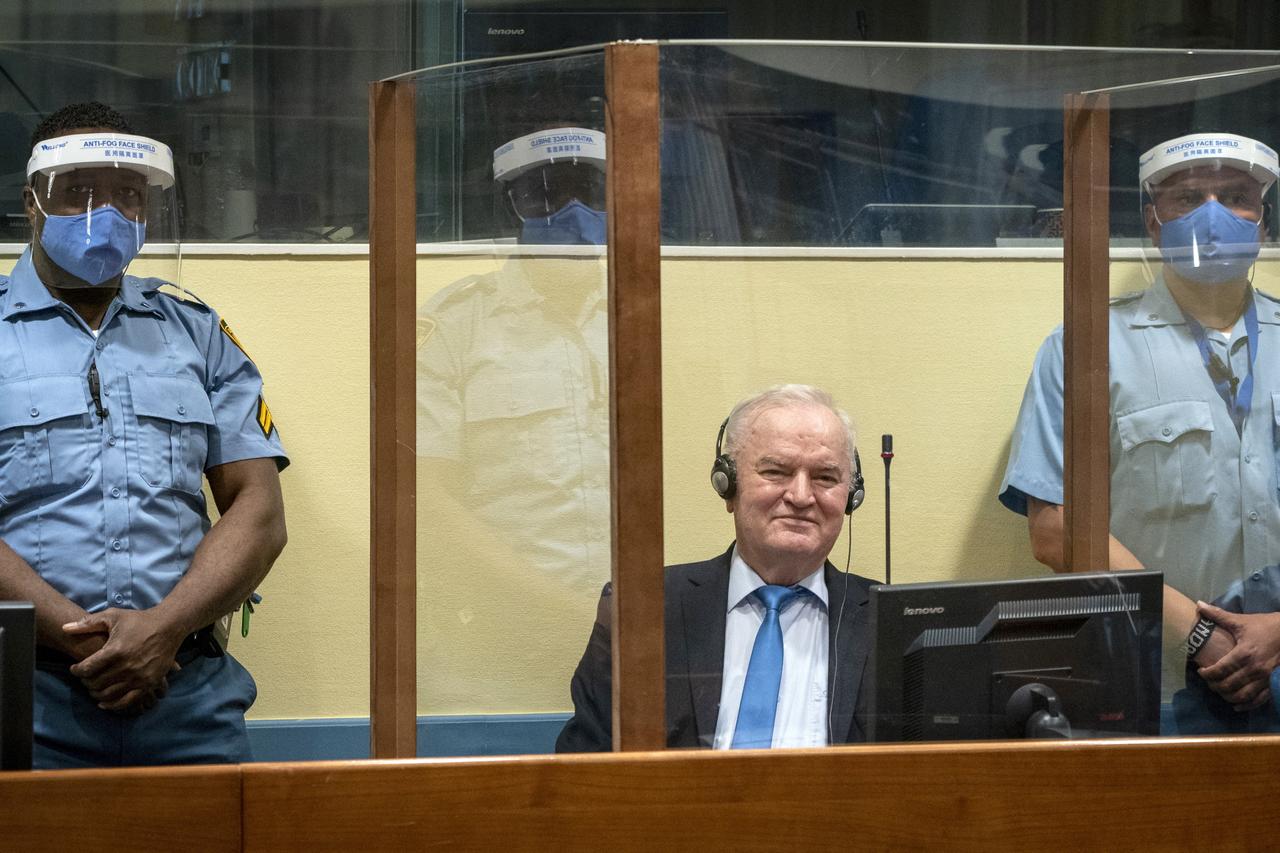
Mladic, 84, died Thursday in a prison in The Hague, the Netherlands, where he had been serving a life sentence for genocide, crimes against humanity and war crimes.
Following his death, actions by Serbs in Bosnia and Herzegovina glorifying the convicted war criminal sparked condemnation.
Hundreds of people gathered in Zvornik, where major atrocities were committed during Bosnia’s 1992-95 war, carrying Serbian flags and banners praising Mladic.
Camil Durakovic, Bosniak vice president of Republika Srpska (RS), one of Bosnia and Herzegovina’s two entities, condemned the gathering, which included children.
He recalled that mass graves containing the remains of Bosniaks are located in Zvornik.
“This is not Belgrade. This is the place where Mladic’s war orders were carried out. Is there no one to react to these gatherings?” Durakovic said.
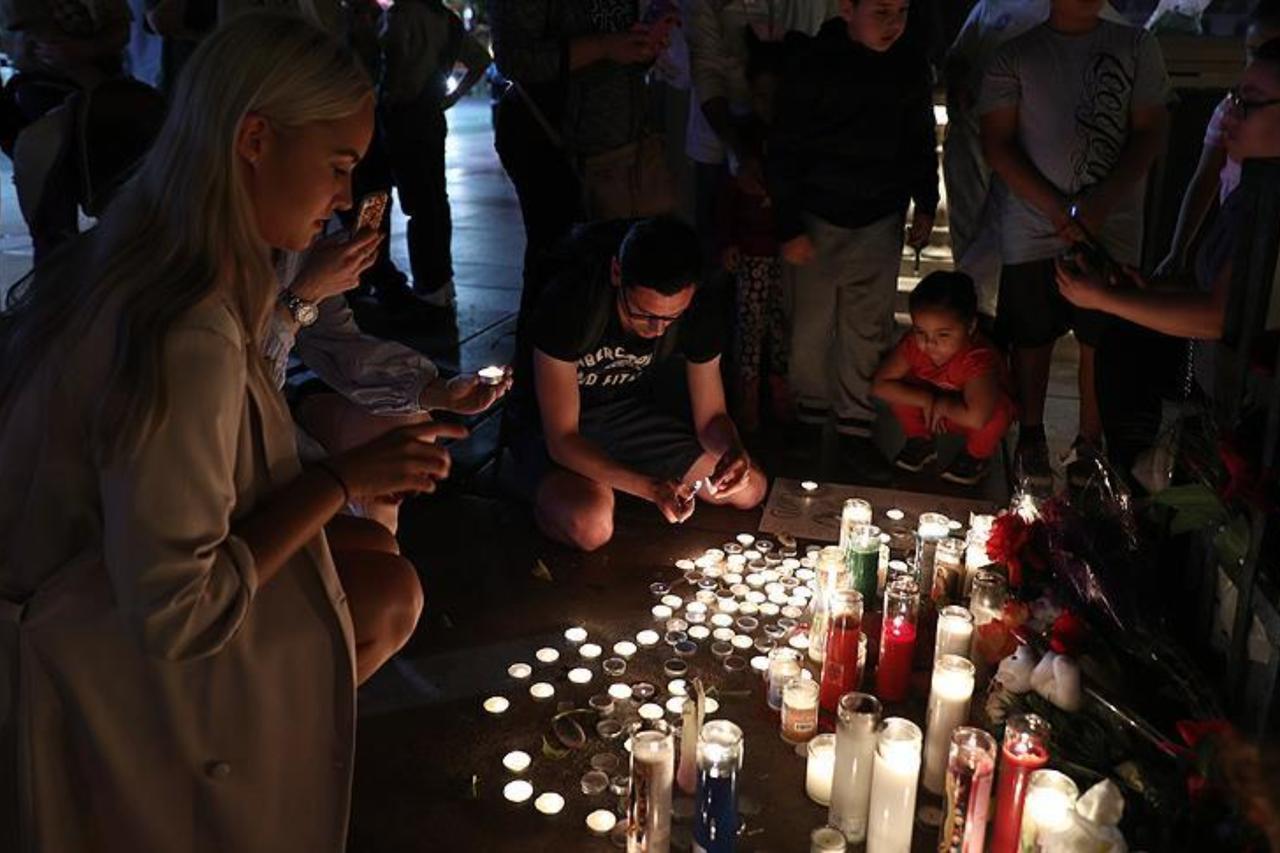
In Bratunac, near Srebrenica, the words “We are all Mladic’s soldiers” were written on a wall, while Serbs in Brcko lit candles for Mladic.
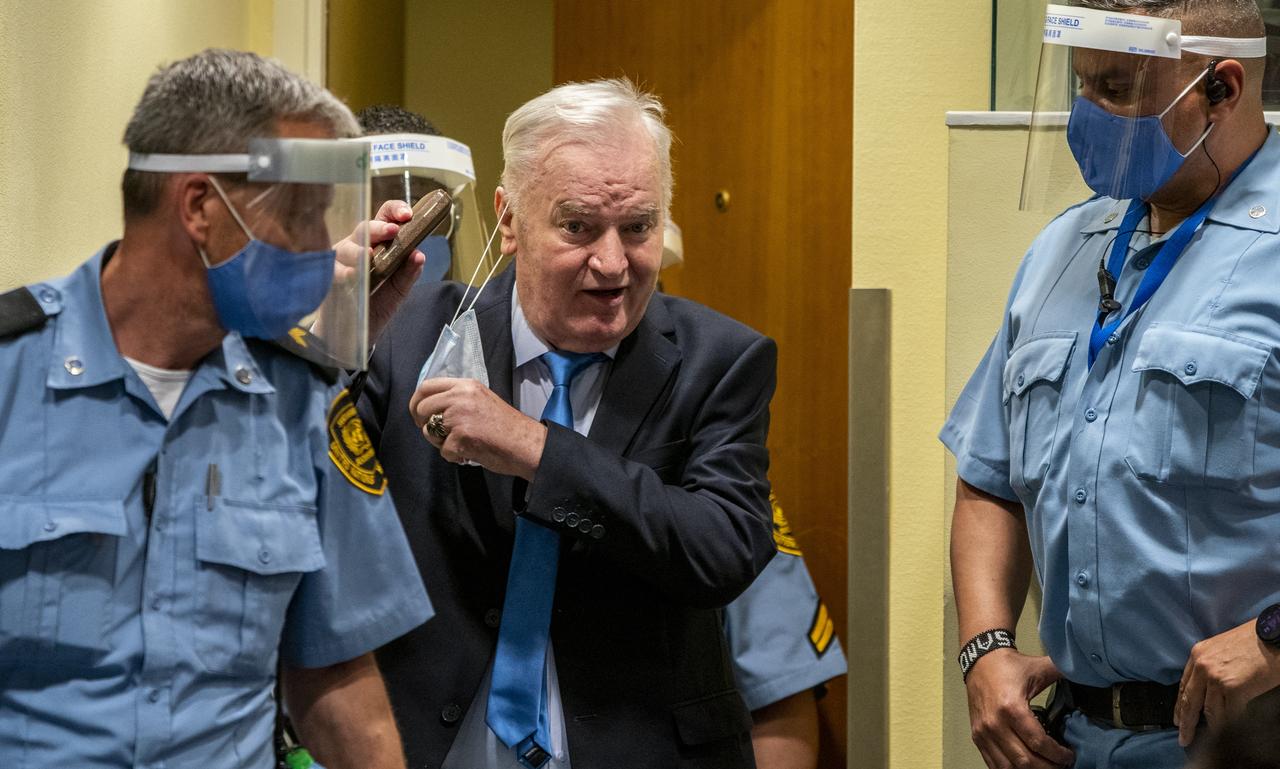

Serbian Justice Minister Nenad Vujic announced that Mladic would be buried with a high-level state ceremony at a location determined by his family.
Bosniak academic Esad Durakovic told Bosnia and Herzegovina media that burying a war criminal as if he were a “hero” was extremely wrong.
He said that by taking such a step, Serbia would be accepting that it is a “genocidal state.”
Montenegrin President Jakov Milatovic said Mladic died in prison as a war criminal.
“Mladic was convicted by a final judgment of genocide and the gravest war crimes. This is not a matter of political opinion, but a fact established by a final decision of an international court. Therefore, it should not be made politically relative,” Milatovic said.
Croatian Foreign Minister Gordan Grlic Radman also said Mladic left bloody traces in Bosnia and Herzegovina and Croatia, saying another war criminal had died.
Fans of Serbian football club Red Star displayed a banner praising Mladic during the team’s away match against Czech side Viktoria Plzen in the UEFA Europa League play-off round.
Red Star’s fan group “Delije” opened a banner in the away stand reading “General, eternal glory and gratitude” and chanted “Ratko Mladic” for several minutes.
Red Star's official social media account also shared photos of the banner displayed by the fan group, which numbered about 1,200 people.
Following the incident, the Srebrenica Memorial Center said it had filed an official complaint with UEFA and requested that Red Star be permanently banned from European competitions.
The center recalled that Red Star had previously received disciplinary punishment from UEFA over actions glorifying Mladic.
Ratko Mladic was born in 1942 in the village of Bozanovici near Kalinovik in eastern Bosnia and Herzegovina.
He received his military education in Belgrade and served in the Yugoslav People’s Army (JNA).
In May 1992, he was appointed chief of the General Staff of the newly established Army of Republika Srpska in Bosnia and Herzegovina and remained in the post until 1996.
Mladic was first indicted by the International Criminal Tribunal for the former Yugoslavia (ICTY) on July 24, 1995.
After the war, he fled to Serbia and remained in hiding for about 16 years.
Despite repeated statements by Serbian authorities that they could not find him, allegations later emerged that he had been protected for years by people in state institutions.
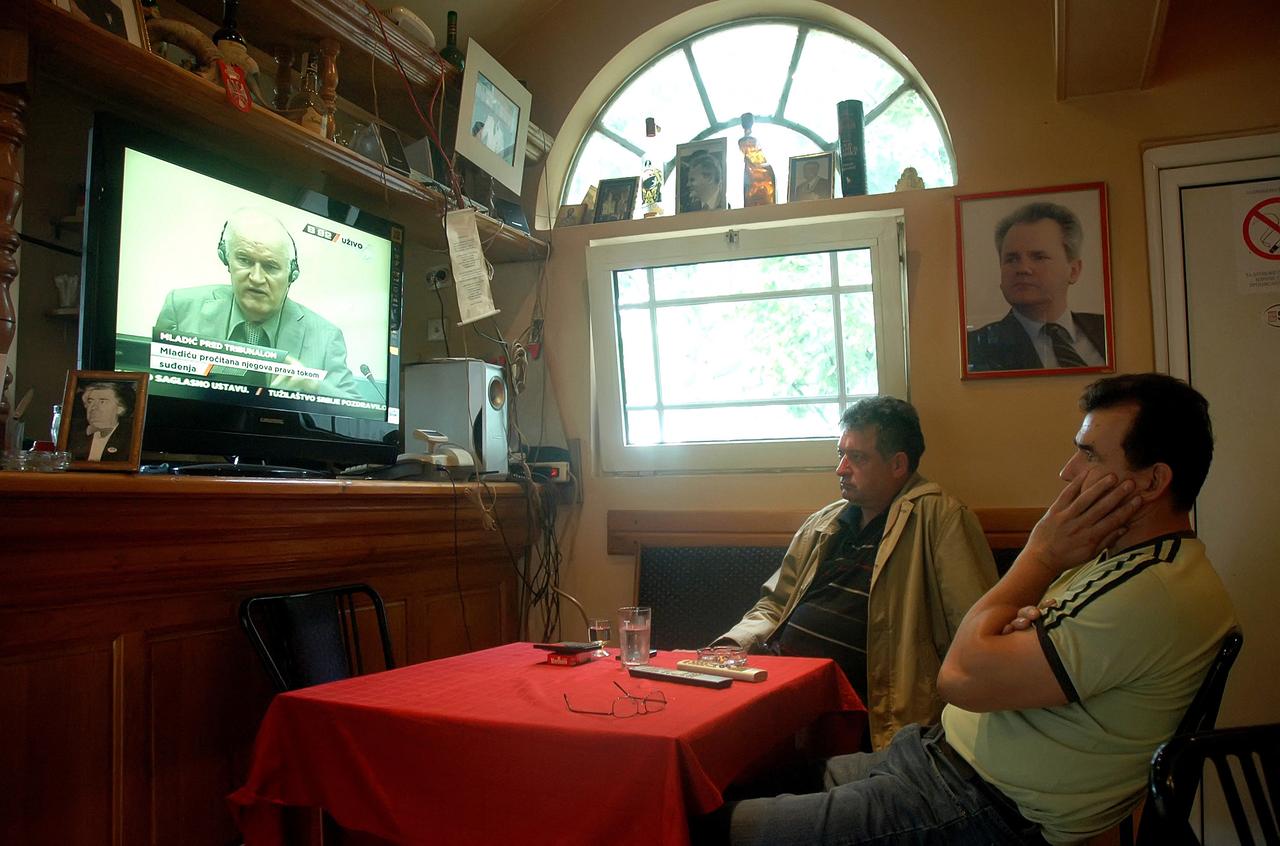
Footage from a local television program showed Mladic meeting people in crowded places, socializing and taking photos during the period when he was being sought.
Mladic was captured on May 26, 2011, in the village of Lazarevo near the Serbian city of Zrenjanin.
He was transferred to The Hague on May 31, 2011.
His trial began on May 16, 2012, and he did not accept the charges against him.
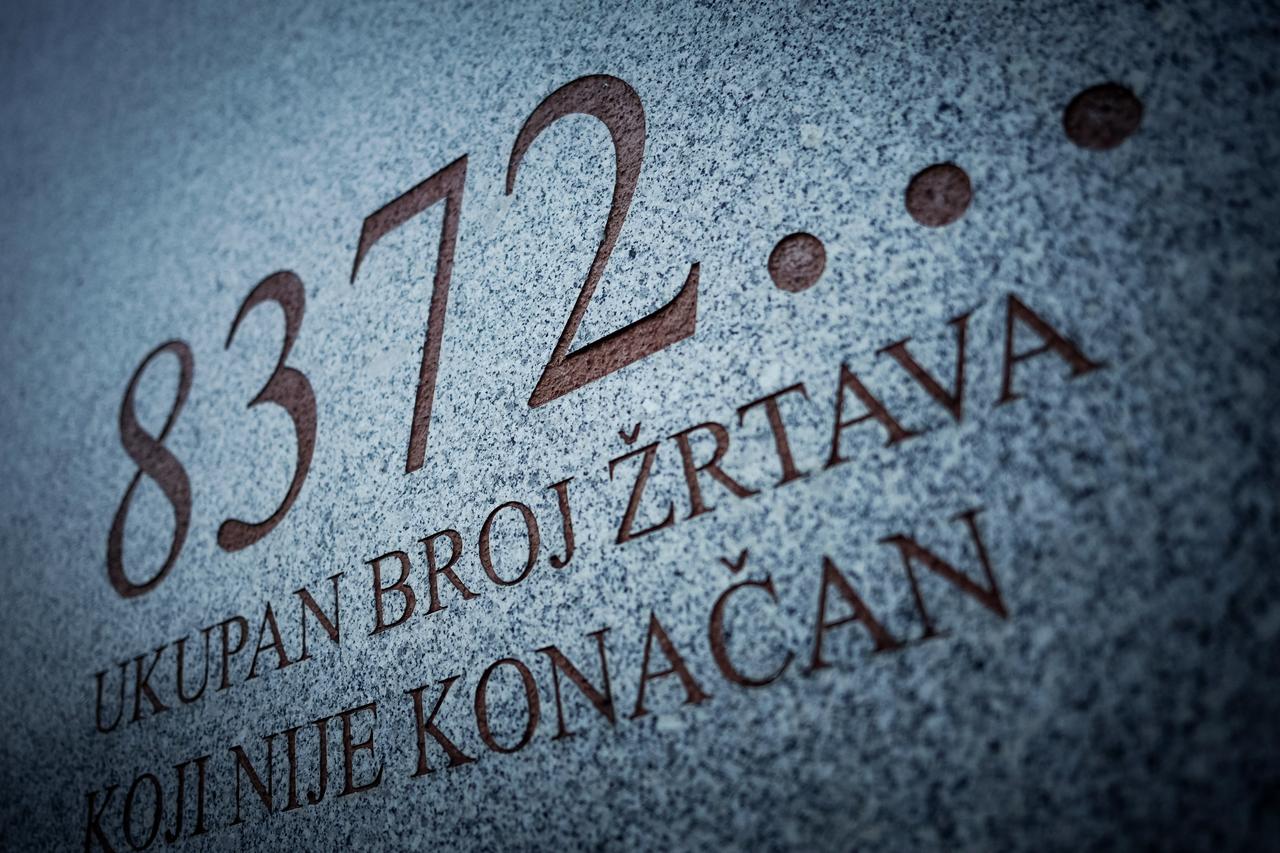
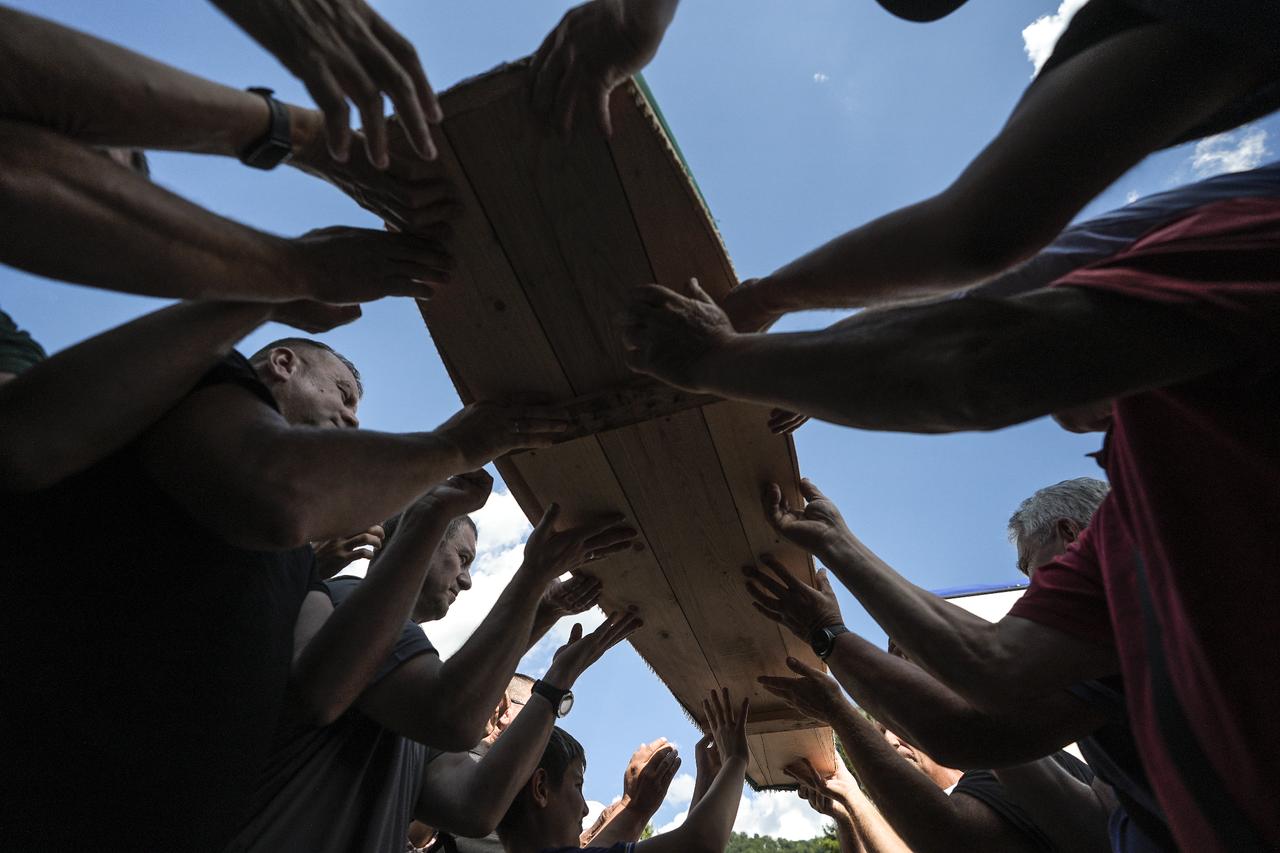
Mladic was considered the main person responsible for and the instigator of the Srebrenica Genocide, in which 8,372 Bosniak civilians were killed in July 1995.


 Set as preferred source
 Set as preferred source


 1 min read
 1 min read