Newsletters


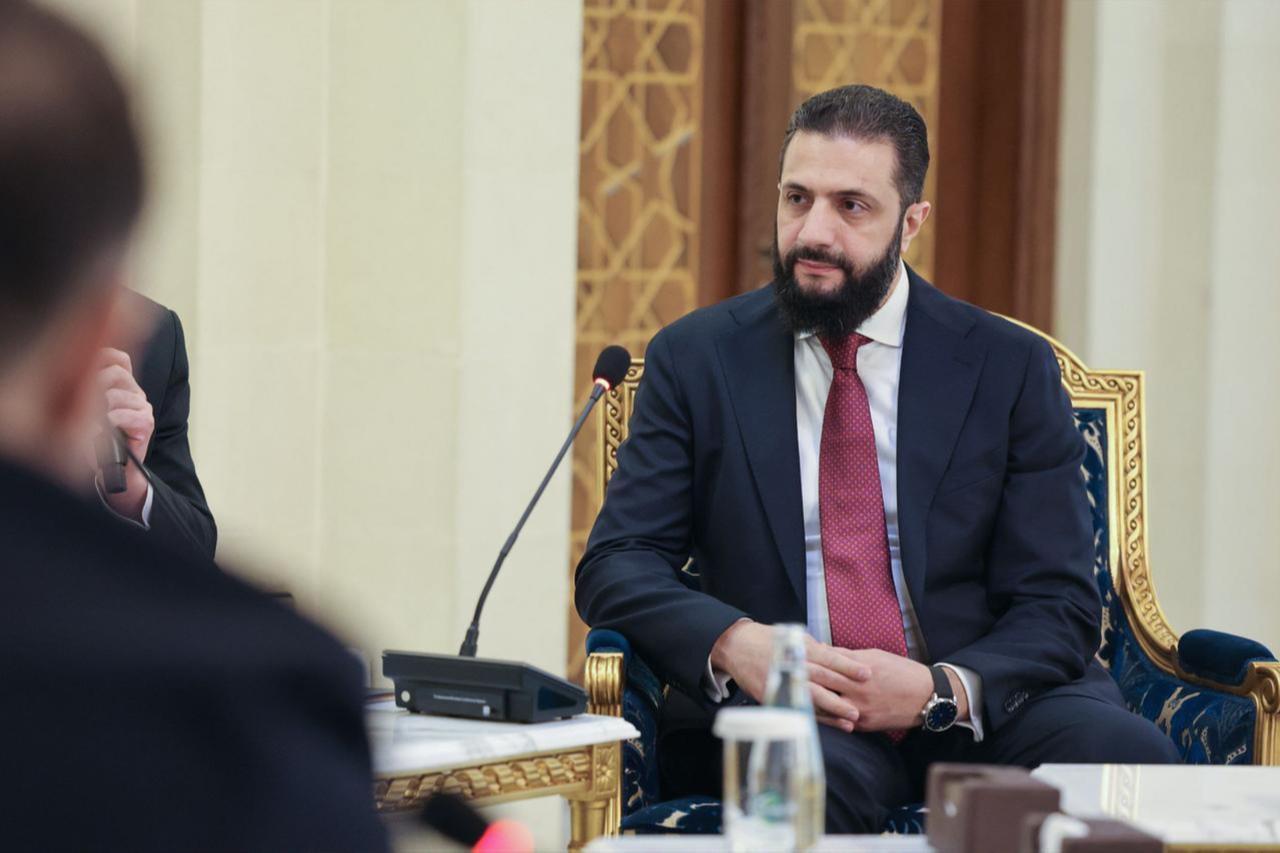


A recent interview clip has been making rounds in Syria, in which Hussein al-Sharaa—the father of the Syrian president—insulted the people of Deir el-Zour by calling them barbarians.
The viral video sparked widespread anger across Syria’s eastern governorate, forcing Syrian President Ahmad al-Sharaato issue a public apology. Attempting to defuse the backlash, the president stated: “My father’s words hurt me before they hurt the people of Deir el-Zour.”
The public apology by Sharaa may have calmed down the tensions in the Deir el-Zour governorate, but it reflects on Sharaa’s complicated relationship with his father.
The Syrian president drifted apart from his family and his father as a young boy when he went to Iraq to fight against the American invasion. For many years, he had no contact with his family, and his parents thought he had died.
Now, reunited with his family as president, he publicly and repeatedly demonstrated deep respect for his father, careful not to appear as a son who disrespects or sidelines him, as is customary in Arab culture.
On the contrary, Sharaa pragmatically used his father's Nasserist pan-Arab ideology to mend ties with the Egyptian government, proving he was not hostile toward them.
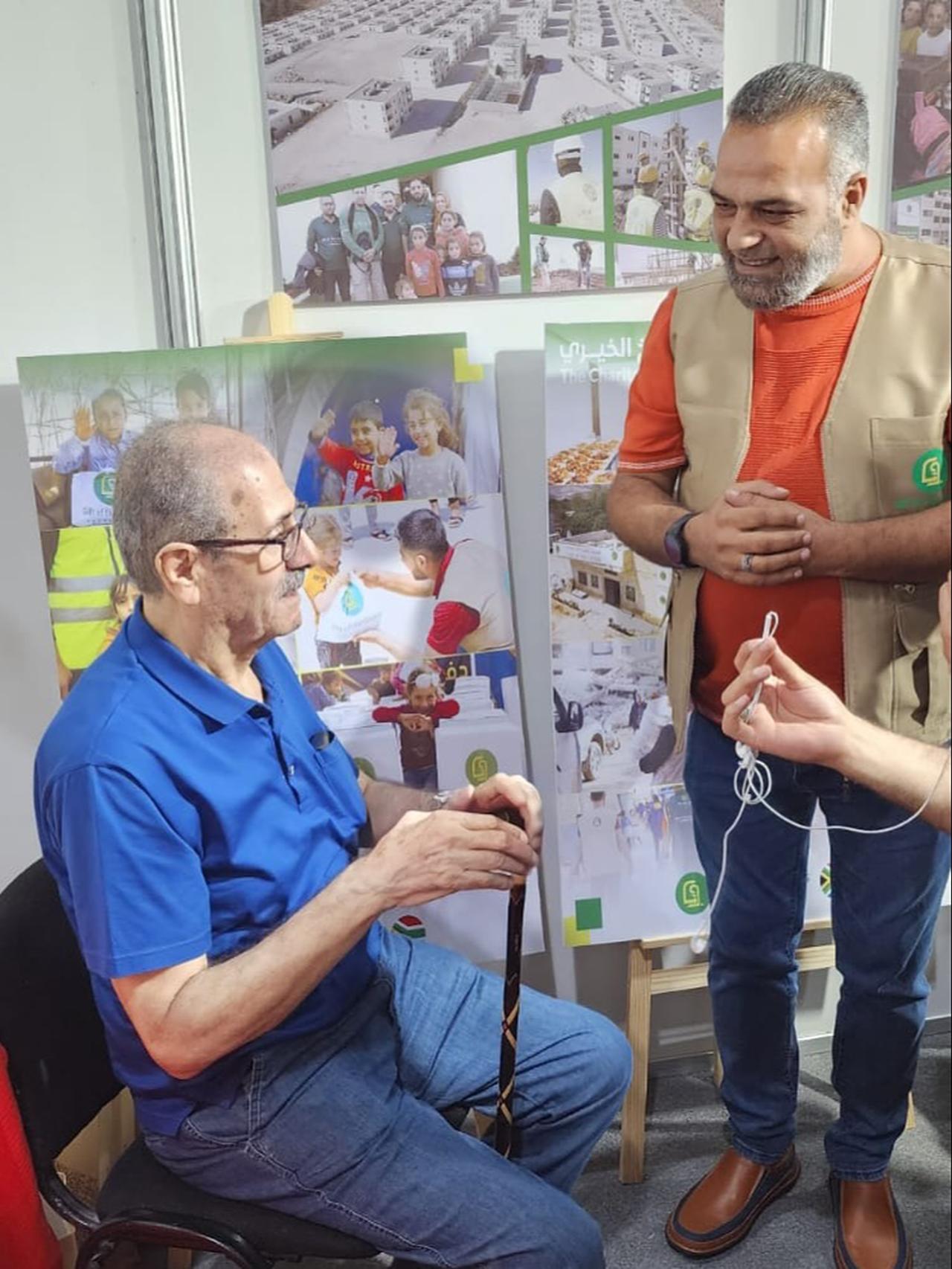

Economically and ideologically, the two could not be more different.
Yet, because Ahmad al-Sharaa never publicly distanced himself from his father—and, out of cultural respect, never restricted his actions—the elder Sharaa's public appearances, statements, and arguments ultimately reflected poorly on him.
Father Sharaa publicly criticized his son’s economic policies, contradicted his foreign policy approach by arguing that Lebanon, Jordan, parts of Iraq, and Türkiye should belong to Syria, and damaged ties with one of his son's most loyal and influential domestic audiences.
Ahmad al-Sharaa must take action. The attitude and ideology of Hussein al-Sharaa, combined with his blatant disrespect against his son, come with great political cost for the Syrian president.
Just as he had to remove his two brothers from positions of power within the Syrian state, he may eventually have to ask his father to limit his public appearances, breaking with Arab cultural norms surrounding filial respect.
Sharaa must recognize that the responsibility of guiding Syria’s fragile transition outweighs the cultural norms of father-son relations. Consequently, he can no longer afford to selectively use his father’s ideology whenever it suits his political convenience.


 Set as preferred source
 Set as preferred source


 1 min read
 1 min read