Newsletters


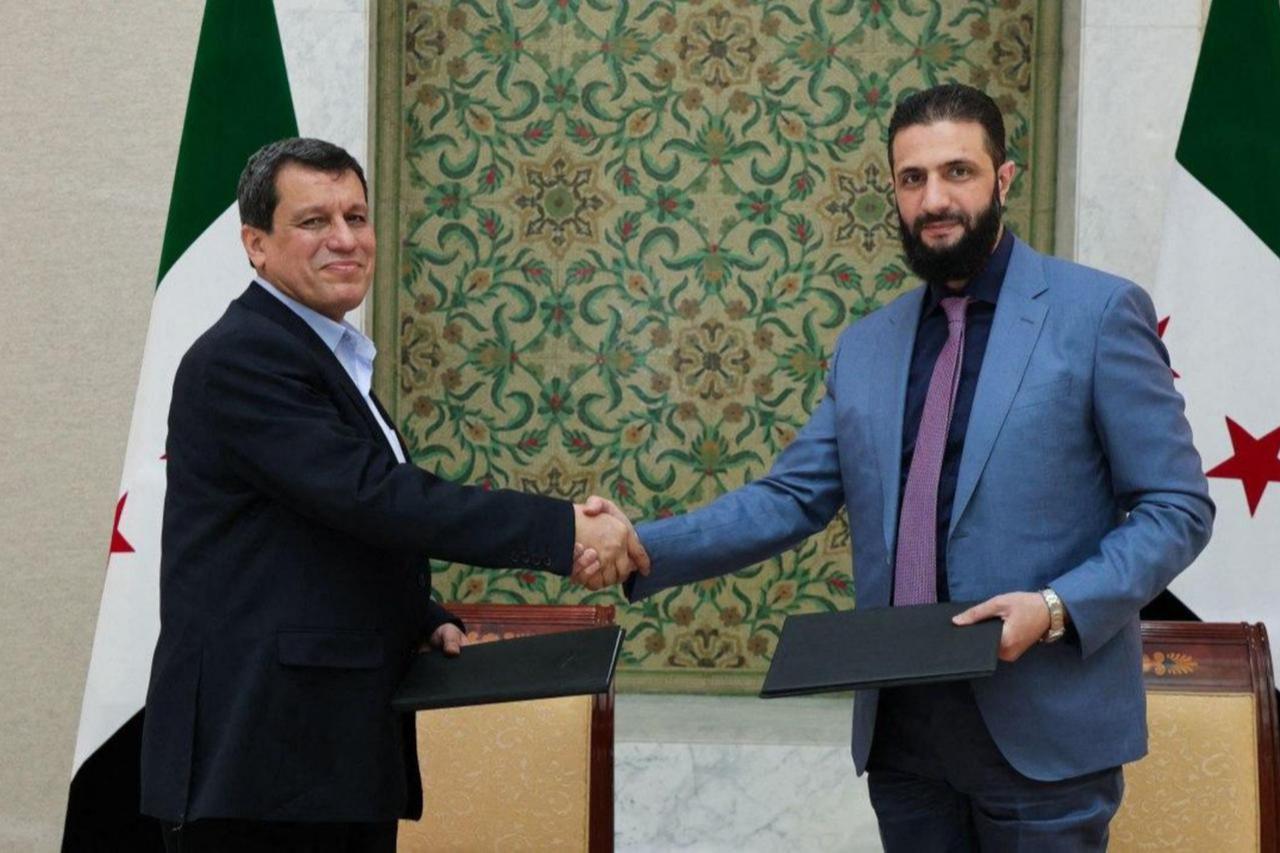


A coalition of Syrian Kurdish political parties has come forward to protest that the representation of Kurds in the 210-seat parliament does not reflect their demographic and political weight, noting that the Kurds constitute about 20% of the population of Syria, according to their estimate.
But the reality is quite the opposite. Syrian Kurds are overrepresented in the Syrian parliament and politics. Much like the debates surrounding Turkmens, Alawites and Druze, the lack of understanding relies on fictional demographic numbers.
A workshop I helped organize years ago remains an unforgettable moment in my research on Syria, serving as a perfect example of how the country's minority groups inflate their demographic weight. The event brought representatives from every Syrian ethnic and religious community to a single table.
During the introductions, each representative presented their respective community and provided an estimate of its population size. When I summed up the figures, the total—even without counting Sunni Arabs—already exceeded the entire population of Syria.
The Sunni Arab representative spoke last, offering a sarcastic punchline to the absurd arithmetic: “I didn’t know that Sunni Arabs were a minority in Syria.”
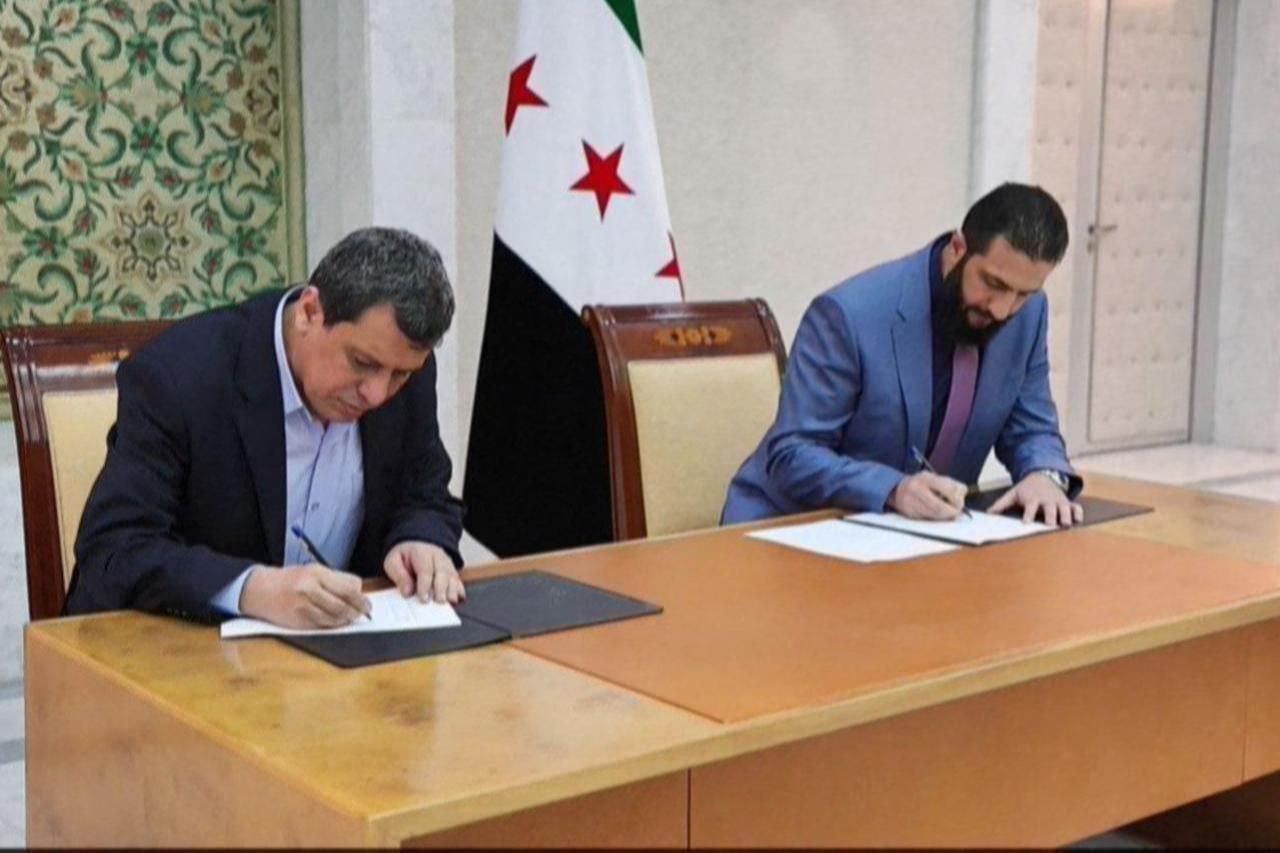

Syrian Kurds have obtained a disproportionately high level of political representation and institutional privileges in Syria’s emerging political order.
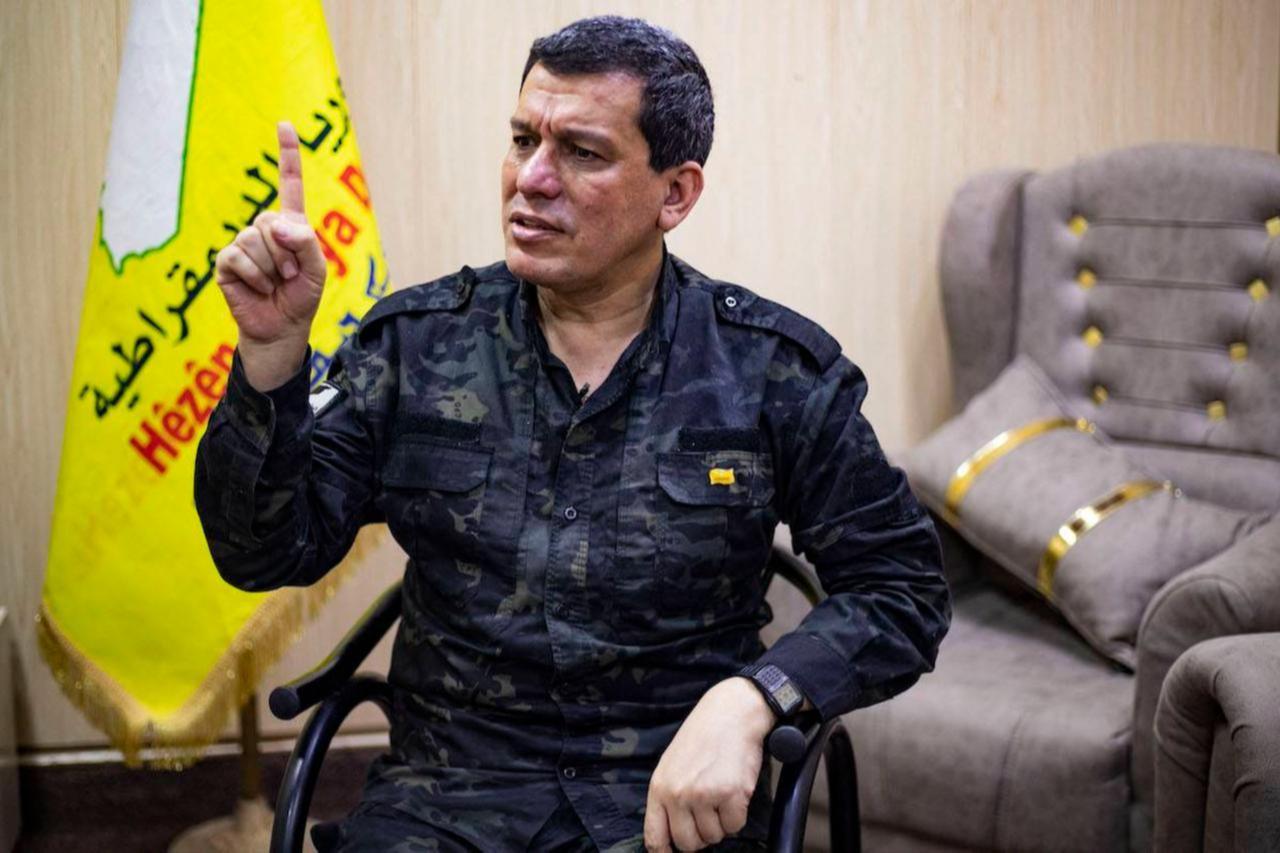
Despite the controversial role played by the SDF during the Syrian conflict, Kurdish actors have secured significant influence within state structures.
The Syrian cabinet already includes a Kurdish minister holding the important Education Ministry portfolio. The Deputy Defense Minister responsible for the Arab-majority region of eastern Syria is Kurdish.
The governor of the Arab-majority governorate of Hasakah is Kurdish. Furthermore, SDF members are being integrated into the Syrian army within four brigades, and the deputy commander for the 60th Division, where three of these brigades are stationed, is also Kurdish.
 1 min read
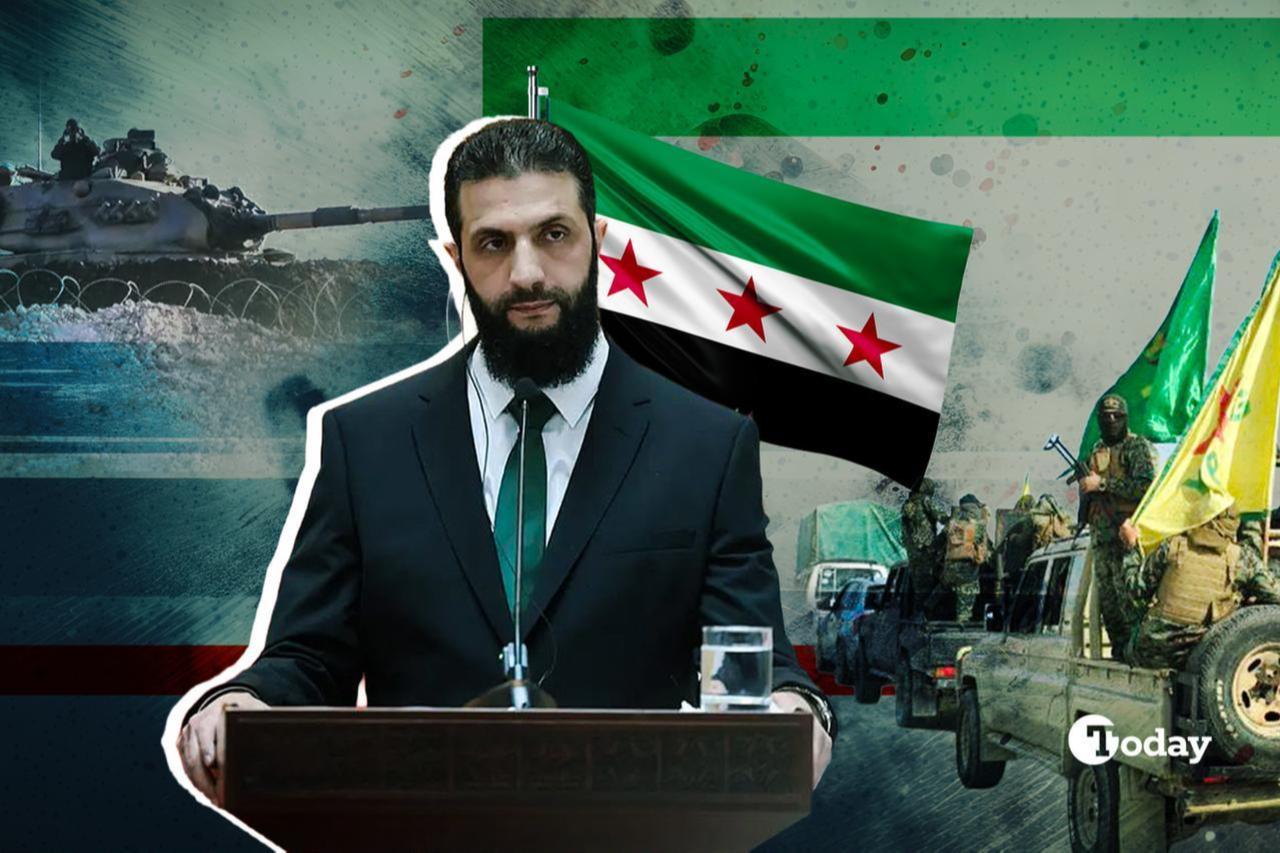
Kurdish representation in parliament is also expected to expand. Although elections have not yet been held in northeastern Syria, four Kurdish members are already part of the new Syrian parliament, with projections suggesting Kurdish representation could rise to between eight and eleven seats after elections.
This would mean that 6%–8% of the indirectly elected parliament members will be Kurdish, which is higher than the actual percentage of Kurds in Syria.
In addition to the indirectly elected parliamentarians, the Kurdish leadership will reportedly have the right to nominate candidates for one-third of the parliamentary seats directly appointed by the president, further increasing Kurdish political influence.
Beyond parliamentary representation, Kurdish-majority areas in northeastern Syria are expected to receive a special administrative status, including locally recruited police forces. Syrian members of the YPG would also be allowed to integrate into the Syrian army.
Despite an opposite perception by Syrian Kurdish political voices, Syrian Kurds have gained an unofficial privileged minority status within Syria’s new political system, with representation levels and institutional influence exceeding those of other Syrian minorities.


 Set as preferred source
 Set as preferred source


 1 min read