Newsletters


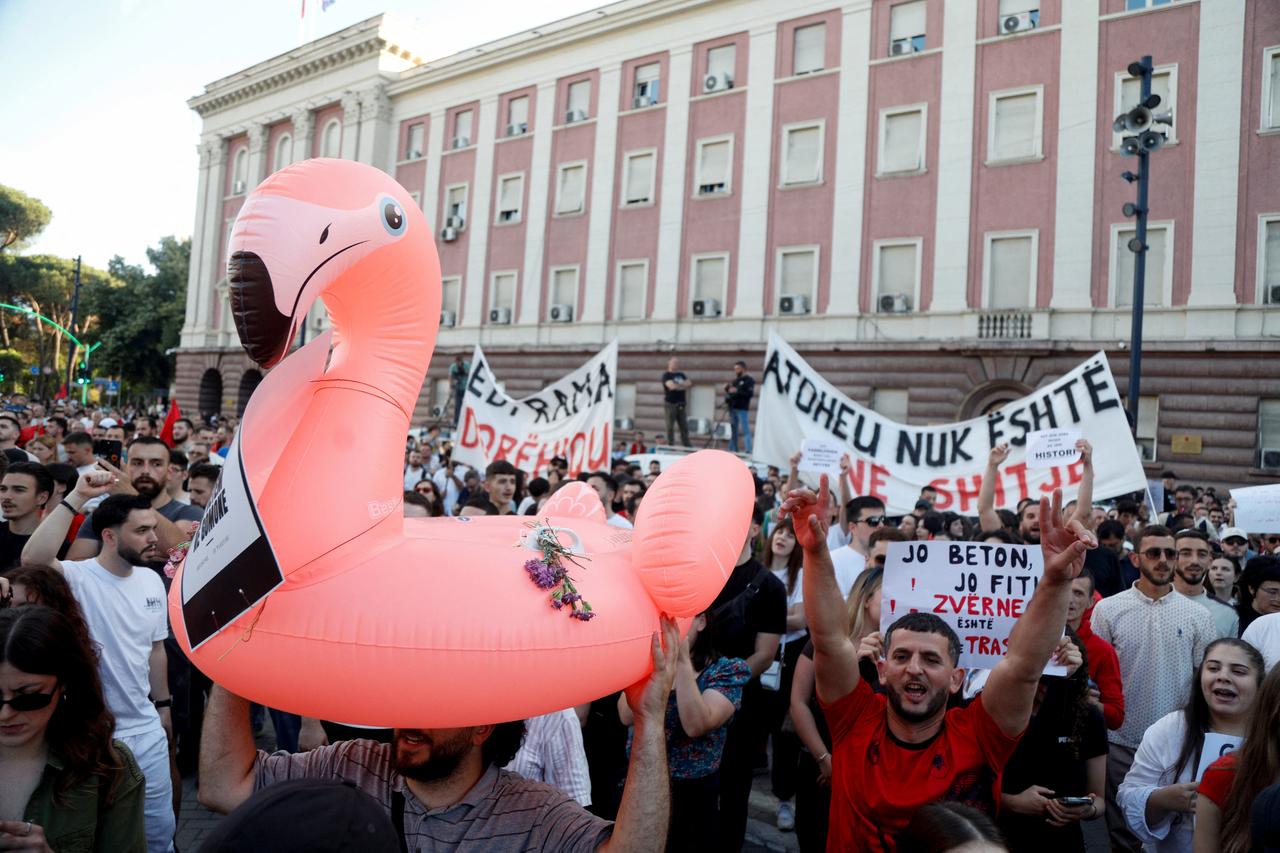


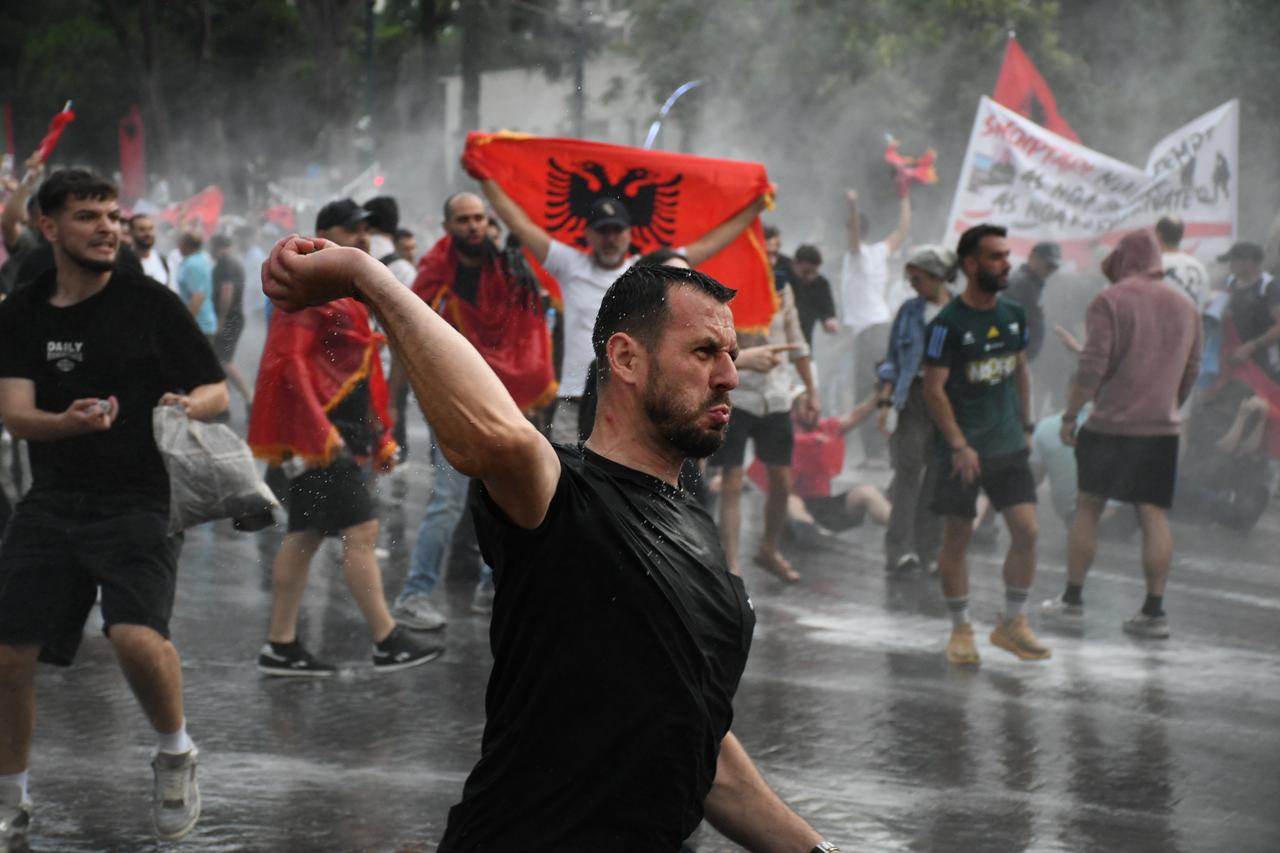
When videos began circulating of protesters confronting security guards near Albania’s protected coastline, much of the international media quickly settled on a familiar headline. The Trump family had arrived in the Balkans.
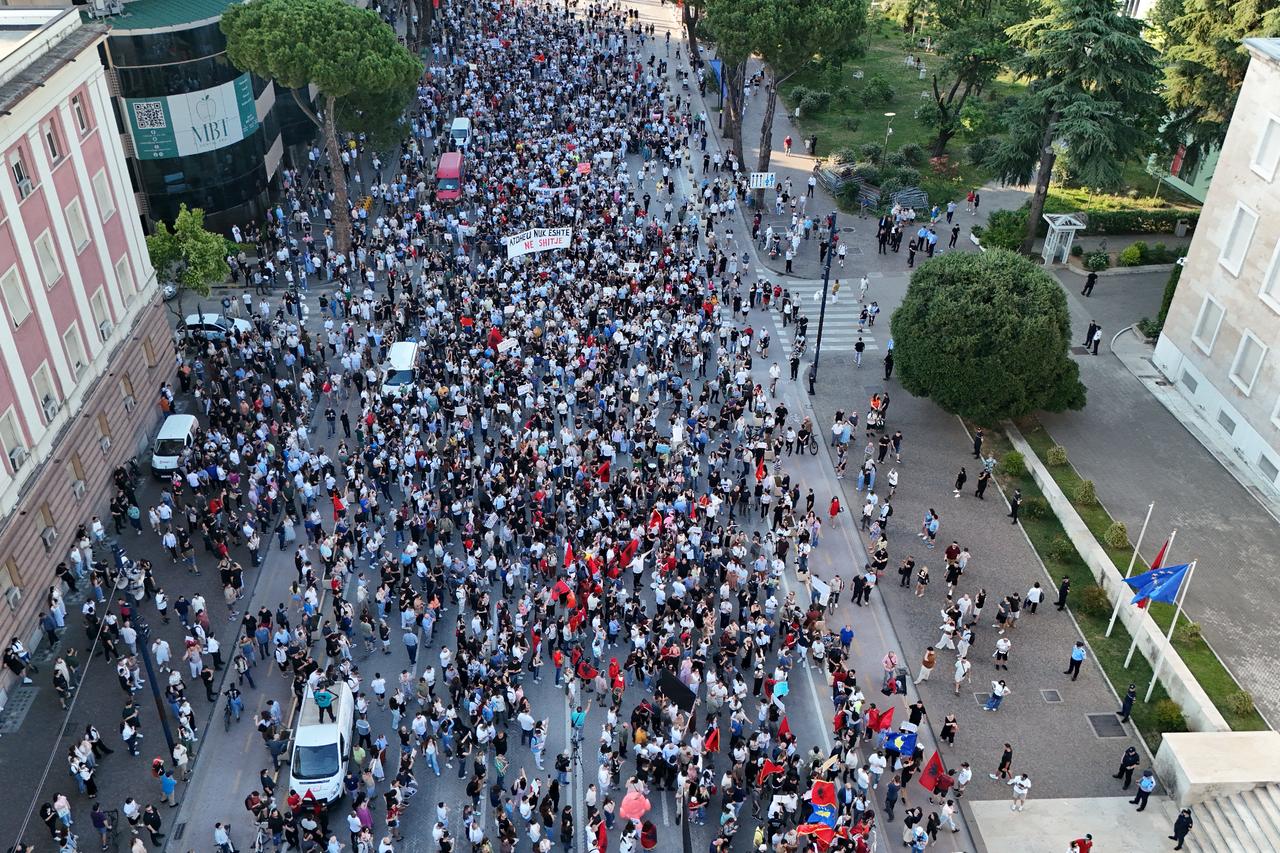
Jared Kushner and Ivanka Trump were planning a multi-billion-dollar luxury resort on Sazan Island and along Albania’s southern coast. But environmentalists objected and thousands protested. Social media erupted.
It was an easy story to tell.
But it was also an incomplete one. What is now being called Albania’s “Flamingo Revolution” is not really about the Trump family. It is not even primarily about a luxury resort.
It is about a generation that increasingly feels excluded from decisions shaping its future. It is about transparency, accountability and who gets to decide what development should look like in a country that has spent decades trying to catch up with Europe.
The flamingo became the symbol because the proposed developments sit near the Vjosa-Narta lagoon, one of Albania’s most important protected ecosystems and home to large populations of migratory birds, including flamingos.
Protesters adopted the bird as an emblem of resistance, and the image quickly spread from Tirana to Albanian diaspora communities in New York, Washington, London and Paris.
The real turning point came when videos emerged showing a protester being dragged away near the development site. Those images transformed a local environmental dispute into a national conversation about power and privilege.
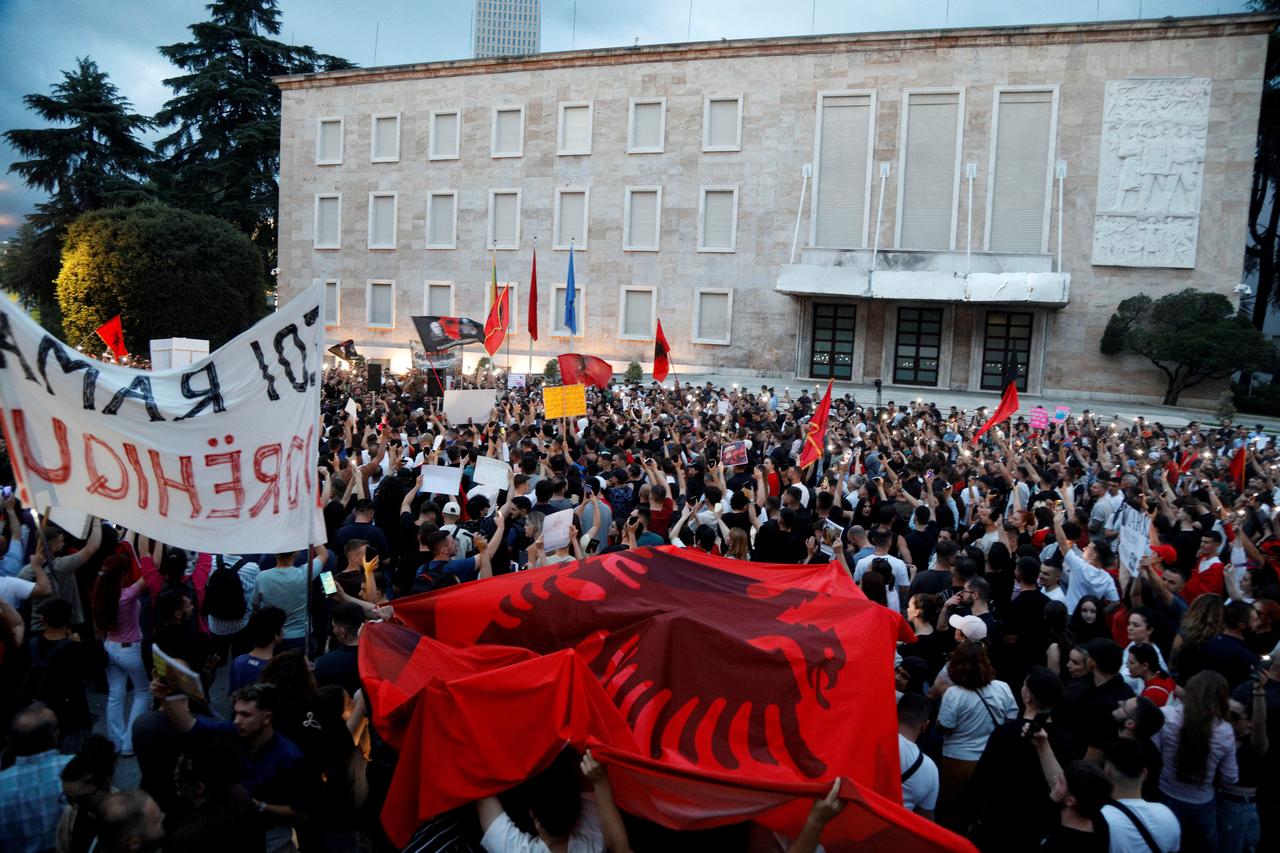

For many young Albanians, the project came to represent something far bigger than tourism development: a sense that their voices matter only after decisions have already been made.
This frustration has been building for years.
Prime Minister Edi Rama has dominated Albanian politics for more than a decade. Before becoming prime minister, he served as mayor of Tirana. Many of the young people marching today have never known another political reality.
At the same time, opposition leader Sali Berisha remains one of the defining figures of Albania’s post-communist era. For much of Generation Z, the country’s political landscape appears trapped between personalities that have shaped Albanian politics for decades.
This helps explain why the Flamingo Revolution has attracted people who would normally have little in common.
Environmentalists march alongside nationalists. Left-wing activists march alongside conservatives. Young professionals, students and families share the same streets.
The movement’s appeal lies precisely in the fact that it is not built around a traditional political party.
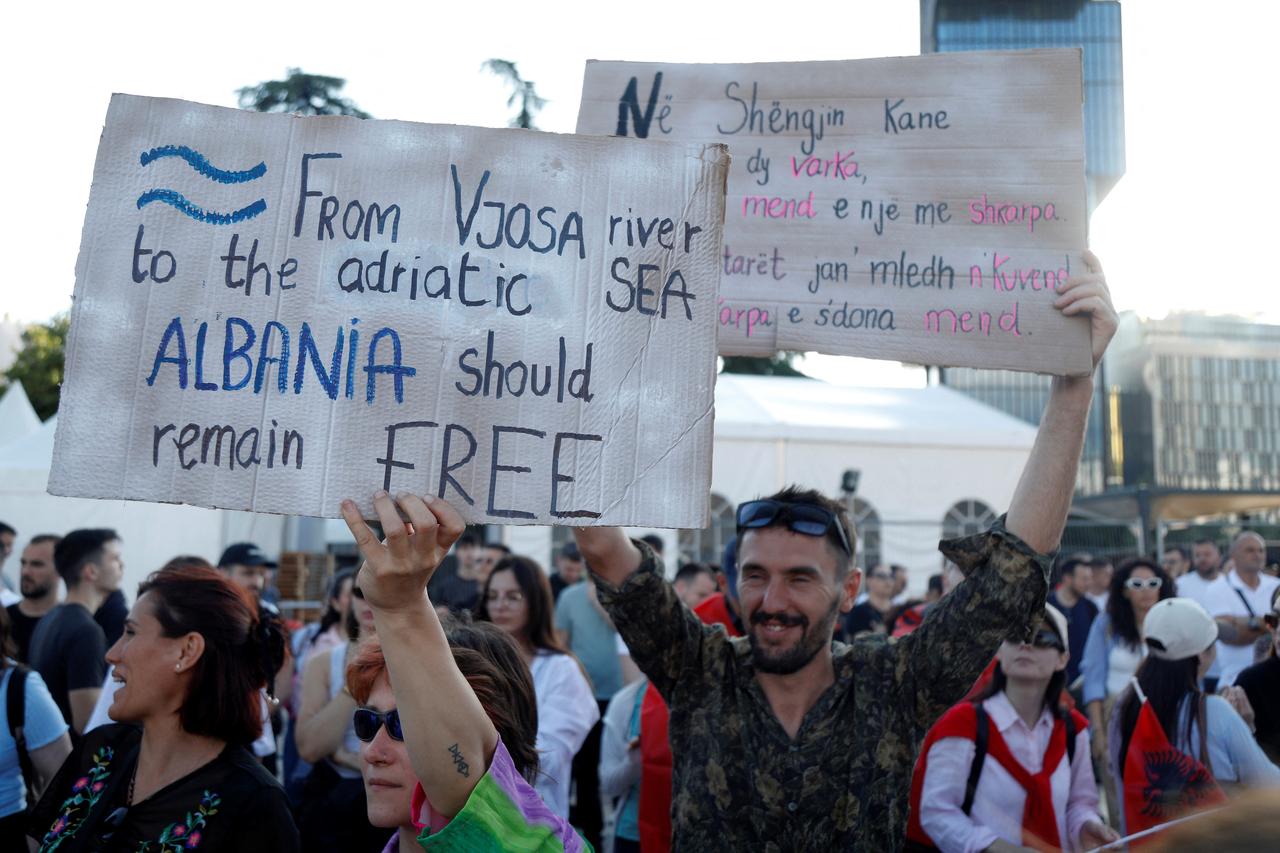
Its participants are not united by ideology. They are united by a sense that Albania’s future should not be negotiated behind closed doors.
This does not mean the government’s arguments are without merit.
Albania’s tourism boom has transformed the country. Tourism now represents one of the most important pillars of the national economy. Visitor numbers continue to rise, foreign investment is flowing in and Albania has become one of Europe’s fastest-growing travel destinations.
From the government’s perspective, projects such as the Kushner-backed development represent an opportunity to attract global capital, create jobs and accelerate economic growth.
The problem is that many Albanians no longer believe economic development and public accountability are being pursued together.
For them, the question is not whether Albania should welcome investment. The question is whether investment should arrive without transparency.
This is why the ongoing scrutiny surrounding planning decisions and land classifications has become politically significant. The debate is no longer about a single project. It is about trust in institutions. And trust, once lost, is difficult to rebuild.
What makes the Flamingo Revolution particularly interesting is that it reflects a broader trend visible far beyond Albania.
Across Europe and beyond, younger generations are increasingly less interested in traditional ideological battles and more focused on questions of governance, transparency and quality of life.
They are often willing to support development, but they also demand a seat at the table. In that sense, Albania’s flamingos are telling a much larger story.
This movement has already revealed something important.
A generation that grew up during Albania’s transformation is beginning to demand a greater role in shaping what comes next.
The Flamingo Revolution is not anti-American. It is not anti-investment. And despite the headlines, it is not only about the Trump family.
Albanians want investment and growth. They want Albania to transform itself into one of Europe’s great success stories.
But the question now being asked on the streets of Tirana is whether that transformation can happen without sacrificing transparency, public trust and the right of citizens to shape the future of the places they call home.
The protesters are not rejecting development. They are demanding a voice in it. That is why the crowds keep growing.
Because they believe the future of Albanian democracy is what is really at stake.


 Set as preferred source
 Set as preferred source


 2 min read
 1 min read