Newsletters


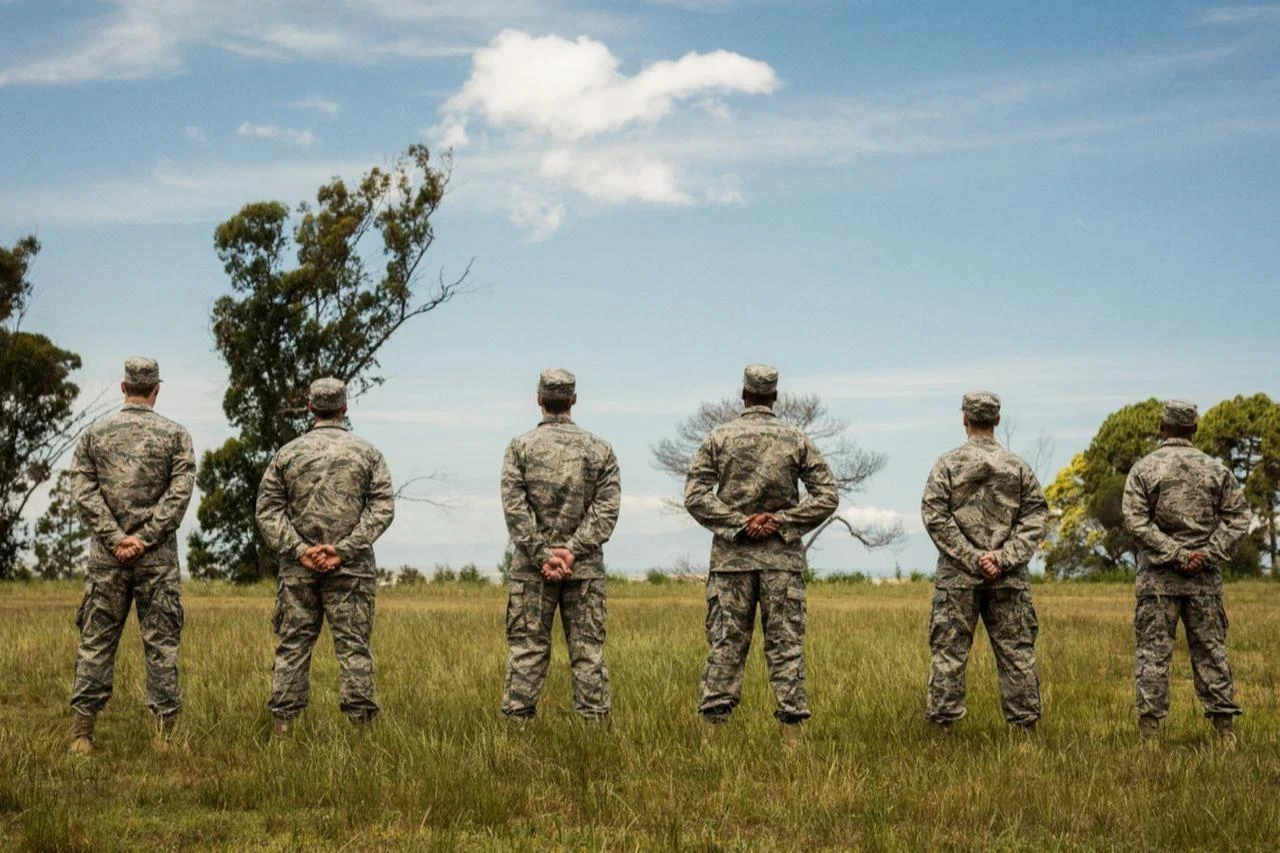


Over the past year, European officials have warned that Russia could be ready to wage war against European countries by 2029. Additionally, recently reported intelligence suggests that Russia could launch attacks against Polandor the Baltic States by 2030 to test NATO's Article 5. As a result, Europe has been on high alert for quite some time.
Under the Trump administration, the United States' desire for burden-shifting regarding European security, together with NATO 3.0, has created concerns that the United States will gradually reduce both the forces and capabilities it provides to Europe—and that these reductions could occur abruptly without adequate planning. These concerns have pushed Europe into a rapid rearmament process.
Consequently, European countries now face two simultaneous priorities: replacing reduced U.S. troop deployments while strengthening their own national and collective military capabilities for a possible conflict with Russia.
But how is Europe managing this challenge, and how prepared is it for war?
Europe is no longer considered a primary security priority for the United States, and European leaders have accepted this as an irreversible strategic shift.
As part of burden-sharing efforts, NATO allies have committed to raising defense spending to 5% of GDP by 2035.
Europe has accelerated efforts to compensate for future reductions in U.S. troop levels and capabilities, expand defense production—particularly in air and missile defense, drones, missiles, and ammunition—and strengthen joint procurement and production.
While Gen. Alex Grynkewich, NATO's Supreme Allied Commander Europe (SACEUR), has stated that force reductions under the NATO Force Model have largely been offset by European allies, Europe remains heavily dependent on the United States for strategic enablers.
According to European Commissioner for Defense Andrius Kubilius, Europe will need to spend €500 billion to replace key U.S. military assets. Even if these investments are made, they represent costly, long-term projects—meaning Europe's reliance on the United States in these critical areas is unlikely to end anytime soon.

Another important consequence of reduced U.S. commitments to Europe is the drawdown of U.S. troops stationed on the continent.
In addition to the planned withdrawal of 5,000 troops from Germany, the United States has either quietly reduced troop numbers in Poland, Romania, and the Baltic States or signaled further reductions.
For now, these troop reductions appear manageable and are unlikely to undermine NATO's defense posture. However, further reductions could have more significant consequences.
U.S. Secretary of Defense Pete Hegseth recently announced a six-month review of U.S. forces and basing in Europe, hinting that additional changes to the U.S. force posture may follow.
Analysts generally point to two explanations for U.S. troop reductions. First, the United States may be seeking to reduce troop deployments not only in Europe but across all potential conflict zones worldwide.
Second, Washington may be using troop reductions as leverage to accelerate European burden sharing and encourage allies to purchase more American defense equipment.
Regardless of the rationale, Europe will need both to replace departing U.S. forces rapidly and to increase its own military personnel in preparation for a possible conflict with Russia.
A central element of rearmament is maintaining combat-ready forces, yet Europe's force levels have fallen well below Russia's.
For comparison, Russia and Ukraine each currently have around 130 combat-ready, battle-hardened brigades, while Germany reportedly has only 10.
In addition, most European countries now rely primarily on professional armed forces, and most no longer have compulsory military service. In preparation for a possible war, European countries are seeking both to increase military personnel—including reservists—and to reintroduce military conscription in various forms.
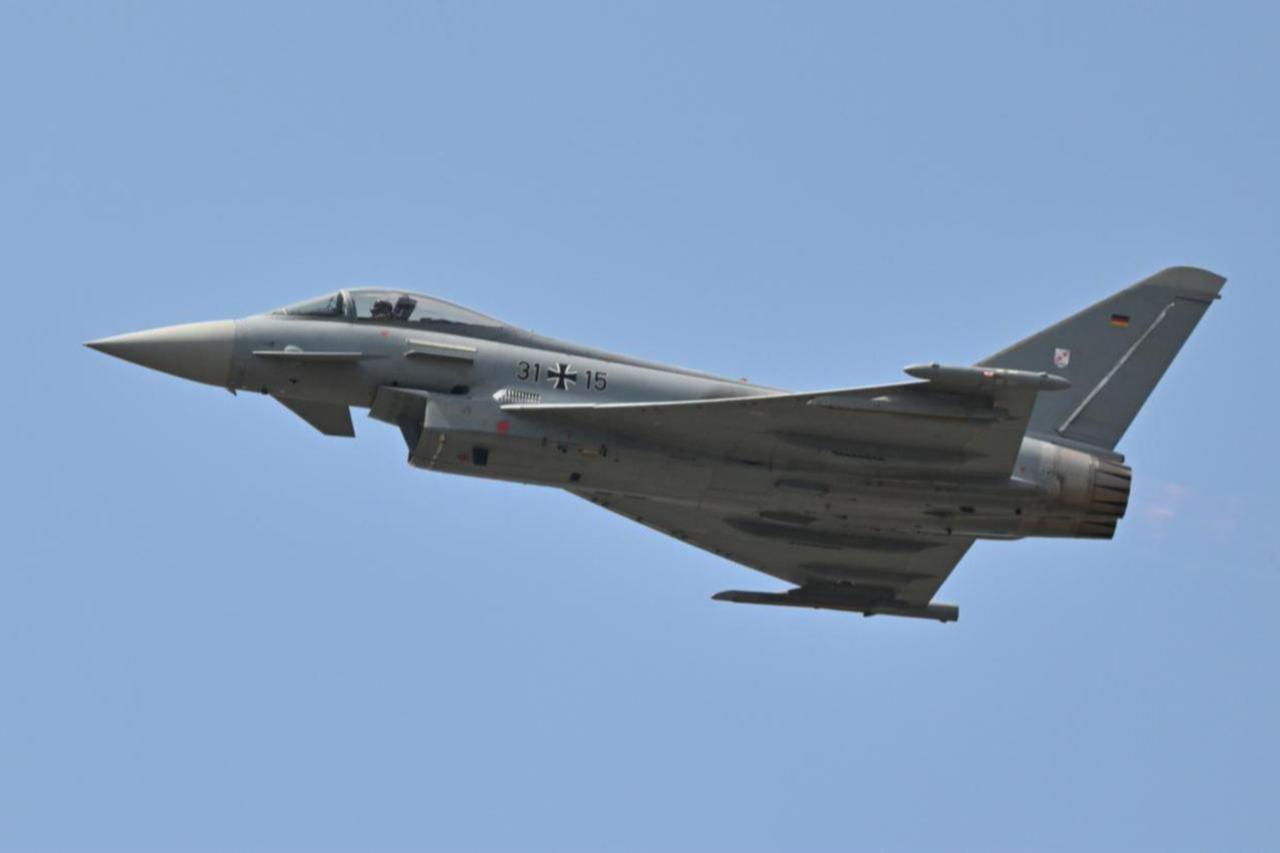
Germany has set the most ambitious goals. After abolishing compulsory military service in 2011 and reducing its military personnel by 26.5% between 2010 and 2020, it aims to build Europe's strongest conventional army by 2039.
Germany currently has around 185,000 active-duty personnel and 60,000 reservists, and plans to increase this to 460,000 by 2035, including 200,000 reservists.
Yet recruitment remains a major challenge: in early 2025, 28% of enlisted positions and 20% of officer posts were vacant. Although Germany has not reinstated mandatory conscription, under its new military service model all men turning 18 must complete a questionnaire assessing their willingness and eligibility to serve if needed in the future.
However, high levels of conscientious objection along with polling showing that 46% of Germans aged 18–29 oppose compulsory military service, underscore the difficulty of meeting these targets.
France, with 203,000 military personnel and 47,000 reservists, introduced a new 10-month voluntary national service program in January, 26 years after abolishing compulsory military service.
Targeting mainly 18- and 19-year-olds, the program aims to create a pool of trained personnel to support professional soldiers and assume non-combat duties. It will start with 3,000 participants and may expand to 50,000 by 2035.
The United Kingdom's armed forces have fallen from more than 150,000 regular soldiers at the end of the Cold War to around 74,000 today. Despite continued debate, there are no plans to reintroduce compulsory military service.
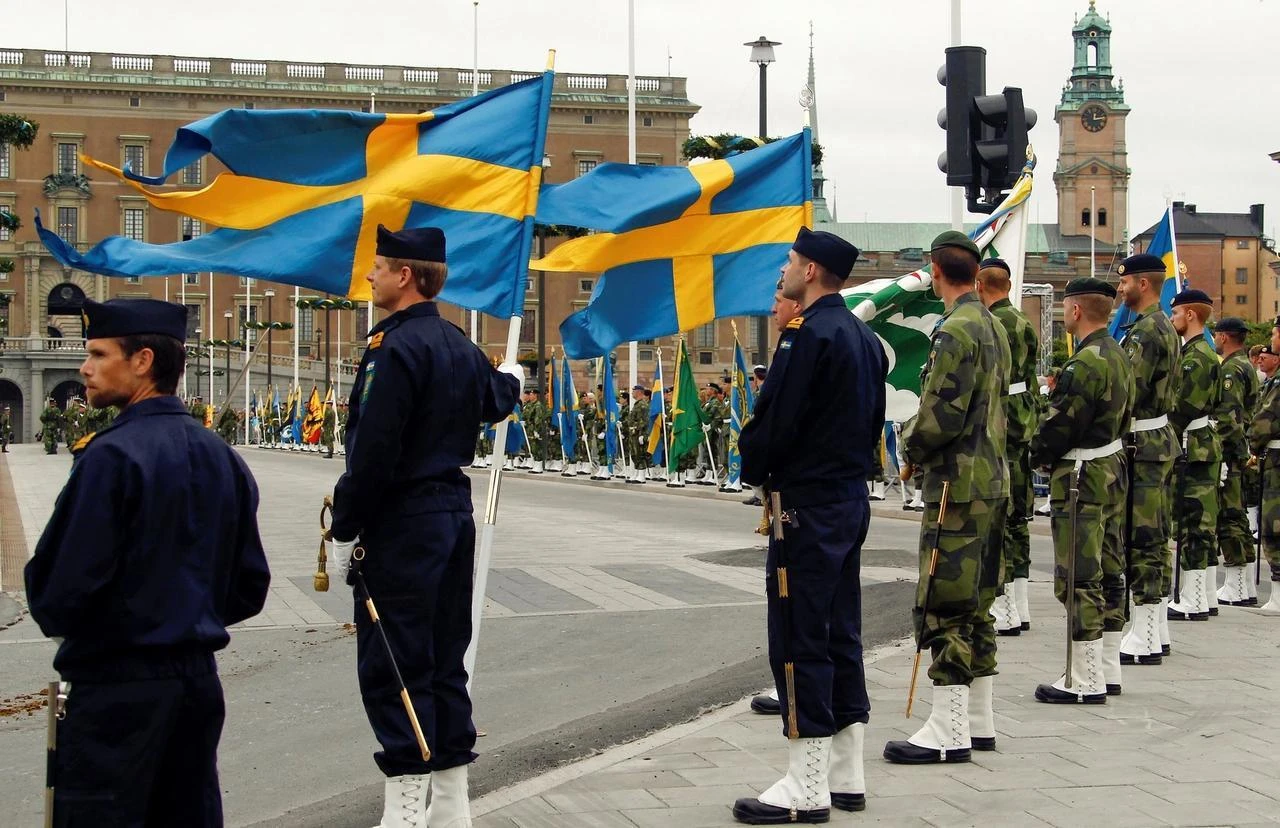
Belgium and the Netherlands have introduced voluntary military service, while Sweden operates a selective nine- to 15-month conscription system.
Overall, 10 EU member states maintain military conscription. It is mandatory for men in Austria, Croatia, Cyprus, Estonia, Finland, Greece, Latvia, and Lithuania, and for both men and women in Denmark and Sweden.
As Europe accelerates its rearmament process, it is striving both to compensate for reduced U.S. capabilities and to prepare for a potential high-intensity conflict with Russia.
European nations are boosting defense budgets, scaling up military production, and reconsidering conscription models. Yet critical gaps persist in military personnel, strategic enablers, and operational readiness.
Europe’s central challenge will be achieving what often feels like an impossible task: turning higher defense spending into tangible, combat-ready military capabilities within just a few short years.


 Set as preferred source
 Set as preferred source


 1 min read

 1 min read