

 Newsletters


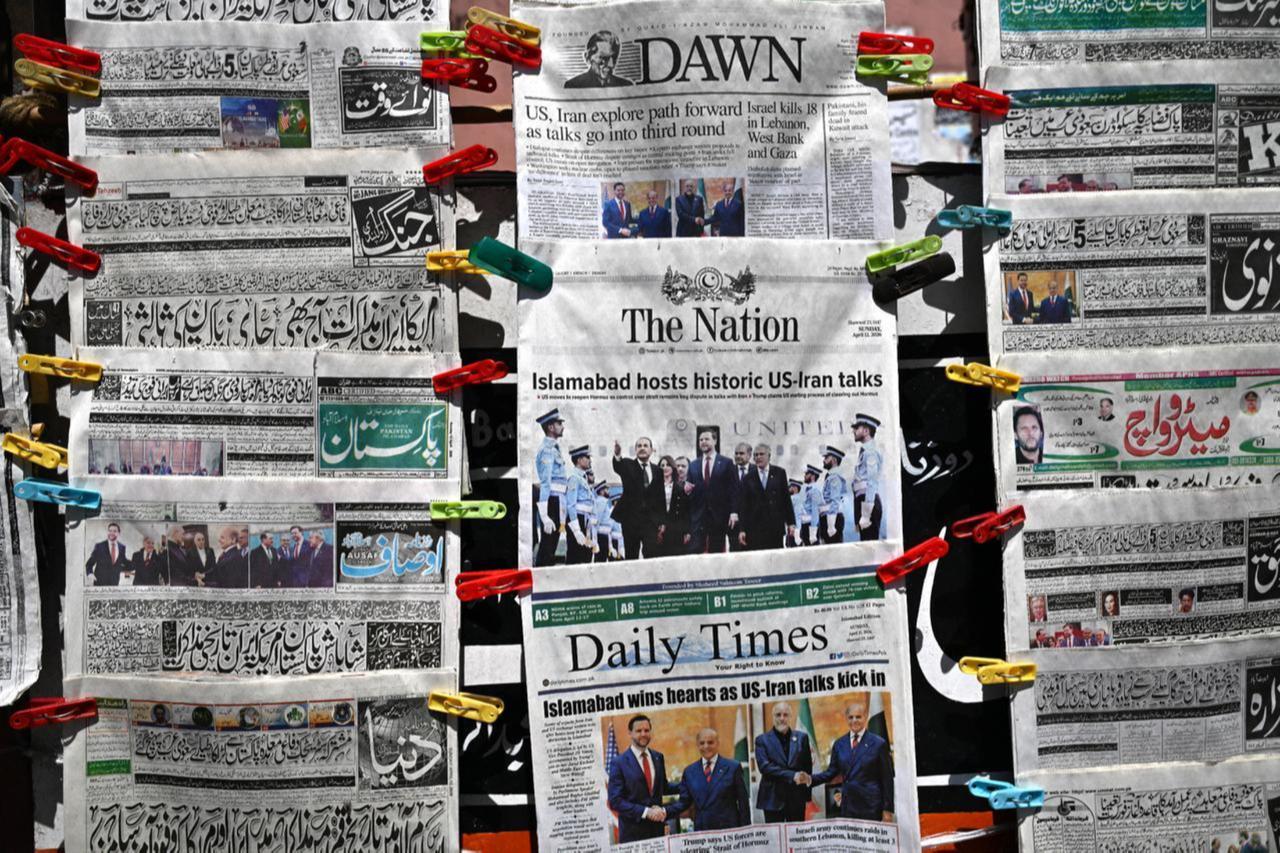


The summit in Pakistan didn’t produce a deal between Iran and the United States, and the world is still in a limbo of uncertainty.
While the ceasefire appears to hold for now, it remains unknown whether both sides will be able to reach a deal somehow or whether military escalation and war will be on the agenda again.
But I believe that both negotiating parties are limiting themselves by employing an everything-or-nothing approach. Instead of a comprehensive deal, the U.S. and Iran should aim for a temporary agreement that may pave the way for longer negotiations.
When both warring parties met in Pakistan, the meeting itself was a very positive and welcoming development for international security and stability.
Both sides negotiated in direct talks and had the opportunity to discuss their respective positions.
However, it is just not realistic to expect a miracle.
The U.S. and Iran have a disagreement that goes back decades, and the differences have only been amplified by the recent war.
Iran was not enthusiastic about Istanbul hosting regional peace talks before the war, and they may not have been comfortable with Türkiye hosting the ceasefire talks that eventually took place in Islamabad.
However, this time around, Türkiye itself has lost its passion for being the central location of the negotiations.
This is partly due to a common understanding in Ankara that such talks would likely not result in anything concrete, as the differences between the two sides remain incredibly difficult to bridge.
Resolving all the issues in a single summit with Pakistan is too much of a demand. The history of diplomacy tells us that comprehensive deals require longer negotiations.
A second issue in the talks was the American position on the nuclear issue. When the Obama administration reached a nuclear deal with Iran, the U.S. didn’t insist on zero enrichment.
Instead, the U.S. and Iran negotiated the exact limits of enrichment. While zero enrichment may be a more lasting solution and a more trustworthy solution for the U.S., there is a big difference between zero enrichment and a very low percentage point of enrichment.
Negotiating the level of enrichment increases the likelihood of a deal, as it gives both sides a face-saving option.
Iran could argue that its national pride was safeguarded, and the US recognized the Iranian right to enrichment.
The U.S. could argue that Iran abandoned all trajectories toward a nuclear bomb.
 2 min read

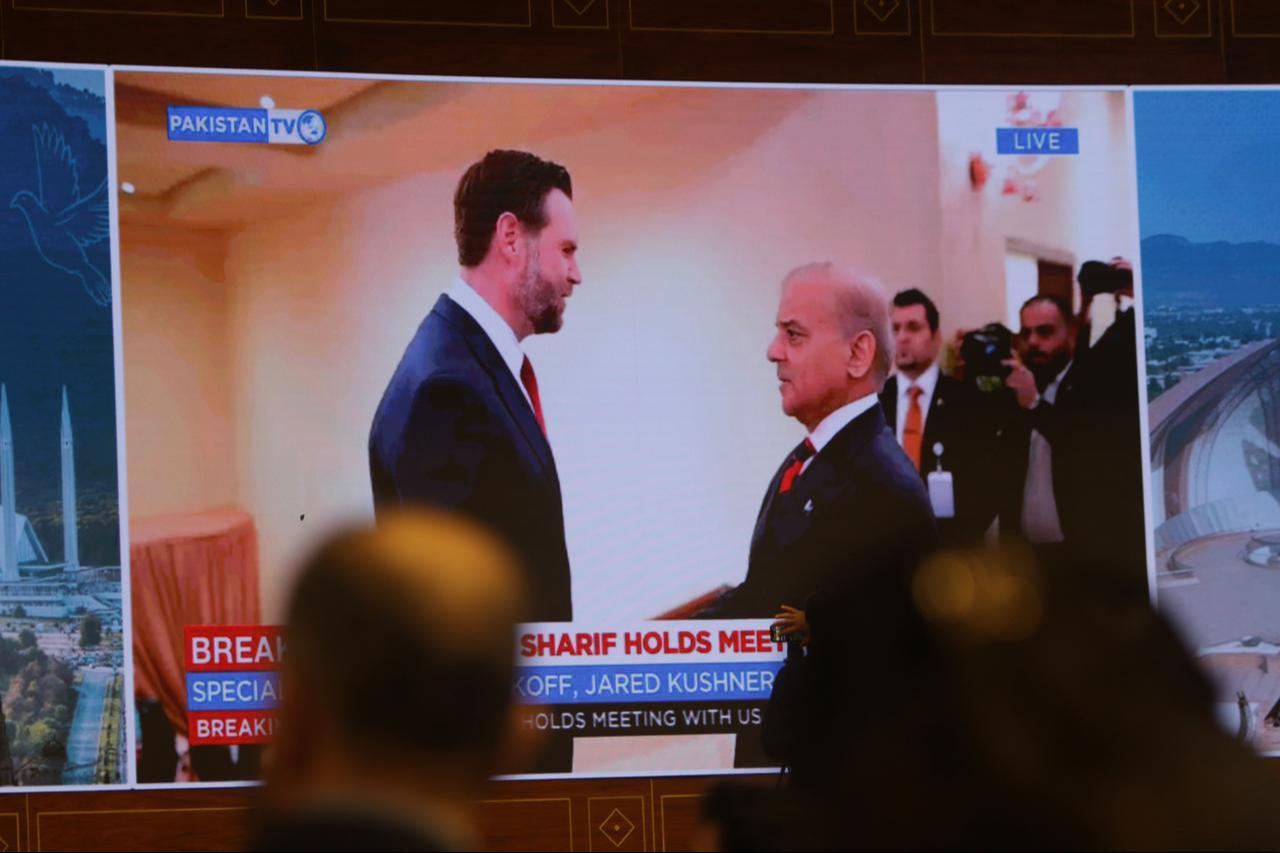

Seeing that the limited time and the all-or-nothing approach in the negotiations did not result in a deal, the U.S. and Iran could agree on an initial temporary agreement.
The agreement would stipulate that Iran decrease the level of enrichment and set a clear deadline for the final negotiations to be concluded. Within a certain period, both sides could build much-needed trust and have more time to tune out the details of a comprehensive deal without going back to war.


 Set as preferred source
 Set as preferred source



 1 min read


