Newsletters




In 1952, the Republican Party chose Dwight Eisenhower over Ohio Senator Robert Taft, resolving a structural tension over America's commitments abroad. Taft had argued that permanent alliances and foreign wars imposed unsustainable fiscal and constitutional costs on the United States. Eisenhower countered that American leadership was a prerequisite for containing Soviet power.
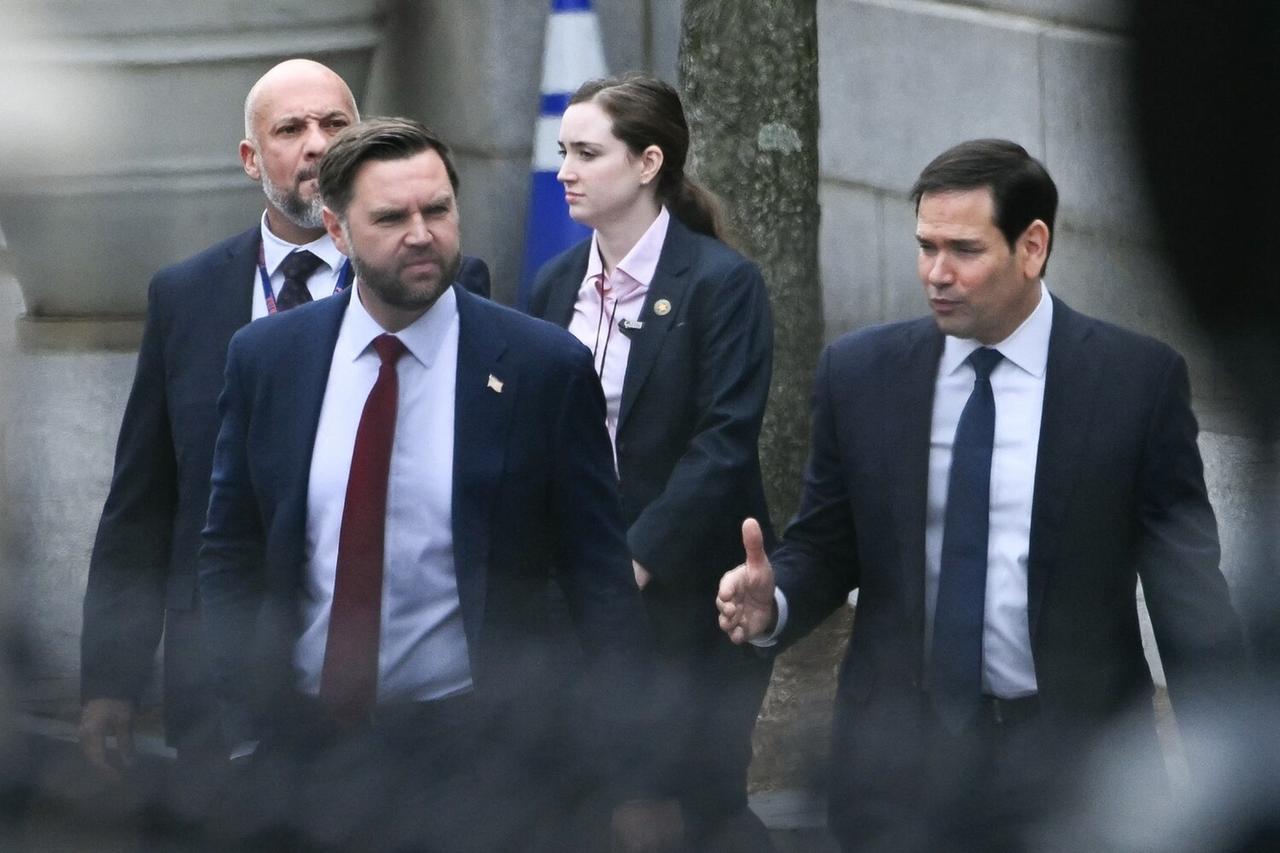
Eisenhower won, and for two generations the party's foreign policy was built on that premise. The premise is now contested. Vice President JD Vance and Secretary of State Marco Rubio hold the two highest foreign policy positions in the same administration, and their public statements on the U.S.-Iran accord reveal that the party has not, in fact, settled the question Eisenhower and Taft were fighting over.
The U.S.-Iran accord, signed on June 17, 2026, ended the war between Israel and Iran. It immediately reopened a different conflict inside the Republican Party. Vice President JD Vance and Secretary of State Marco Rubio have offered incompatible interpretations of what the same deal achieves. That divergence is not primarily a policy dispute. It is a contest over which foreign policy tradition inherits the party after Trump. Vance, a likely 2028 candidate, evaluates commitments abroad by their cost to the United States; Rubio evaluates them by the threats they neutralize. The Iran accord is the major test of which logic the party will follow.
The accord, officially known as the Islamabad Memorandum of Understanding, is the preliminary deal that followed the 28 February U.S.-Israeli strikes that killed Supreme Leader Ali Khamenei. It was designed to end the war, reopen the Strait of Hormuz, commit Iran to down-blend its enriched uranium under International Atomic Energy Agency (IAEA) supervision, and set a 60-day window for a final deal. What it leaves out is Iran's missiles, drones, and proxies, the very things the Gulf fears most.
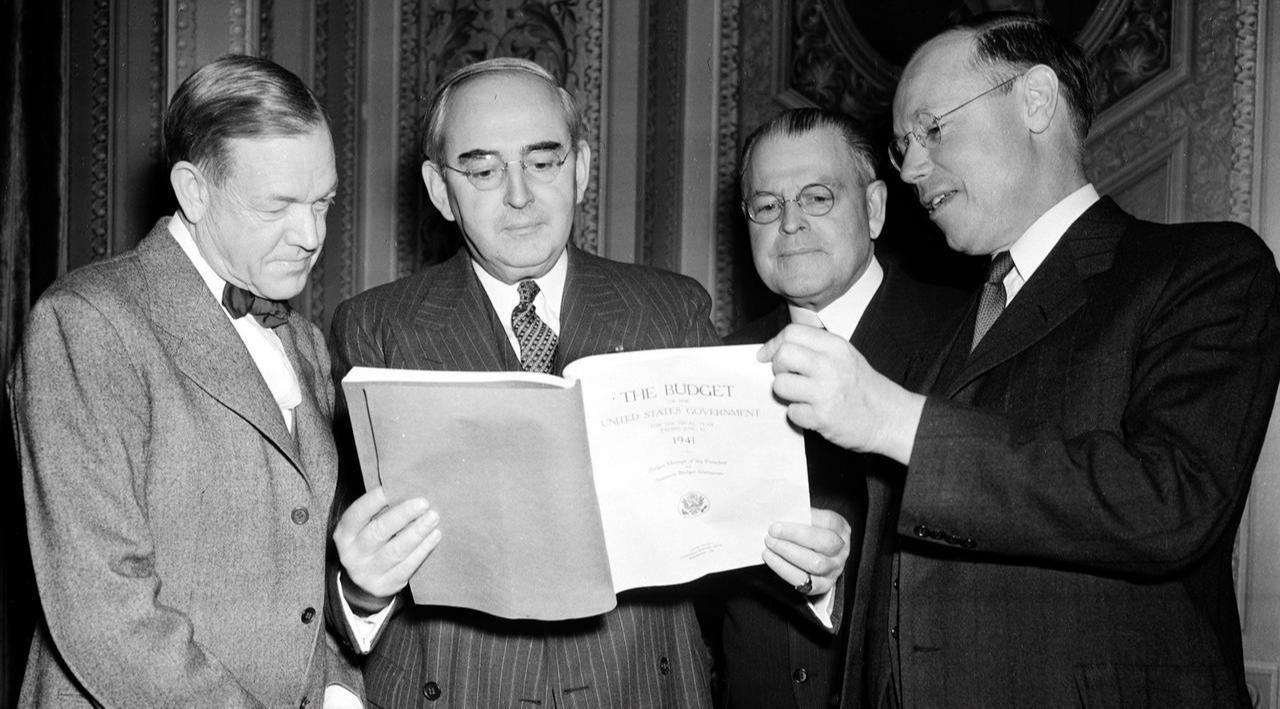

The Republican foreign-policy split is older than Trump, older even than the Cold War it was forged in. In the 1940s, Senator Arthur Vandenberg, a Michigan Republican, opposed foreign commitments before World War II and championed them after, turning toward the internationalism of the emerging American century. That shift helped clear the Senate path for NATO and the United Nations.
Taft resisted this internationalist turn. He warned that permanent alliances would commit America to wars it had no interest in fighting. He lost that argument too, and for two generations the party treated his caution as a relic. Pearl Harbor ended Vandenberg's isolationism; the fall of Khamenei and the road that began on Oct. 7 ended the Republican Party's comfortable distance from the Middle East.
Vance has taken Taft's side of this argument, while Rubio has taken Vandenberg's. Seventy years apart, they are fighting over the same thing—how much power America should use beyond its borders.
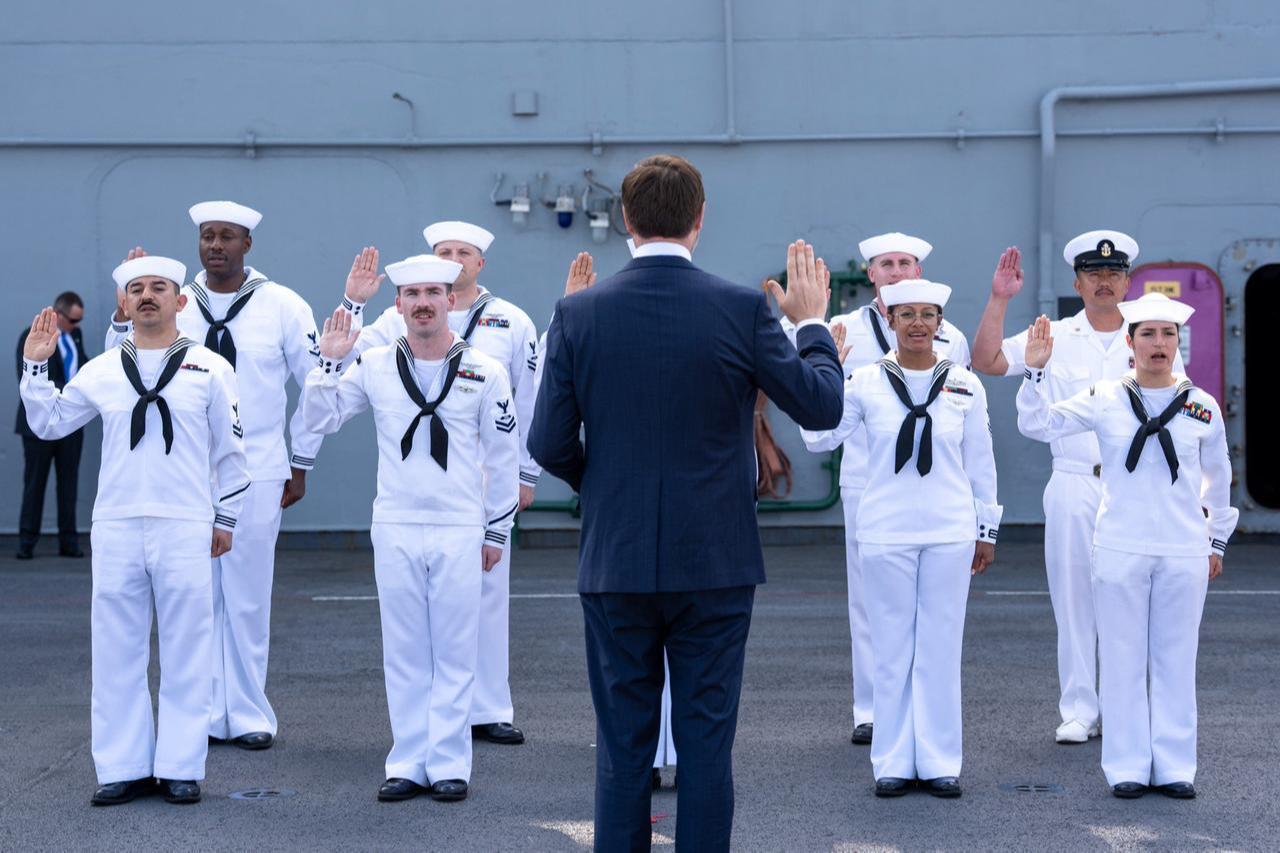
The vice president and the secretary of state describe the same deal in incompatible vocabularies.
Vance calls a war with Iran "massively expensive" and "a huge distraction of resources." He describes the conflict primarily in terms of the costs it will impose on Americans.
He measures the war by what it costs Americans and treats it as something done to the United States. He has argued for years that American and Israeli interests do not always align, telling audiences in 2024 that America's interest is "sometimes going to be distinct" from Israel's. He led the negotiating team that produced the June accord, then led the follow-on talks in Switzerland.
Rubio's vocabulary operates on a different axis. He warns that Iran wants enrichment as a deterrent that would make it "untouchable," and accuses Hezbollah of trying to drag Lebanon "back into chaos." He measures the war by the danger it removes and the ally it protects, not by its price at home. In late June, he toured the UAE, Kuwait, and Bahrain to reassure allies that the accord was not as soft as it looked.
The divide is equally visible in what both men decline to say.
Vance never argues that America must act to preserve its global standing, because that logic, Rubio's core case, would commit him to the open-ended involvement he opposes. Rubio never counts the cost to Americans, because that accounting, Vance's core case, would justify the restraint he rejects.
Israel makes the divide plainest. The same weeks brought a parallel escalation on Israel's northern front, where its forces struck Hezbollah positions across Lebanon. Vance told the country that a nation of nine million "can't just kill its way out" of every security problem and warned that its bombing in Beirut was undermining U.S.-led peace efforts.
Rubio called Israel's Lebanon campaign a justified response to Hezbollah. At a House Foreign Affairs Committee hearing on June 3, he explained why: Hezbollah had contacted the U.S. through Lebanese authorities, pledging to stop firing rockets into Israeli territory if Israel refrained from striking Beirut, then broke that pledge and launched rockets at Israel within hours.
Rubio's answer is simpler than it looks. Hezbollah made a promise, broke it within hours, and Israel responded. That, for Rubio, is not ideology. It is a track record. And it is precisely where he and Vance part ways. Vance asks what the ally costs America; Rubio asks what happens to America if the ally fails.
The Taft–Vandenberg split is not just a chapter in party history. The same tension between restraint and internationalism now appears in the way Vance and Rubio describe the Iran accord. Vance is testing something the modern party abandoned, which is conditional support for Israel that is weighed against U.S. interests and the risk of escalation. When Trump grew frustrated with Israeli operations in Lebanon, Israel mostly held off striking Beirut, the very restraint Vance had urged. He still supports Israel in principle. He withholds the unconditional backing that the party once treated as automatic. Rubio reads that refusal as a break with the alliance. Vance presents it as the natural next step of the America First project.
Both Republicans publicly deny any rift. Rubio says he and Vance are following Trump's lead. Their statements, however, sit uneasily beside the pattern of their own remarks. Vance describes Iran primarily in terms of the price of war for the United States, while Rubio frames it as a threat that must be contained. The party has been here before.
In 1952, Republican leaders also talked about unity until the convention settled the foreign policy dispute by choosing Eisenhower over Taft.

The deal raises a broader question about how far American power should reach. That question has shaped the Republican Party before. In 1952, the party chose Eisenhower's internationalist line, an approach Vandenberg had helped build, and it kept that line for the rest of the 20th century. Today, the party is reconsidering that choice in public. Tehran, the Gulf states, and Israel are watching how that debate unfolds. In 1952, a contested convention process settled the issue. In 2026, the Islamabad Memorandum itself sets a 60-day deadline for reaching a final agreement.
The test came sooner than the memorandum's timetable implied. On July 8, barely three weeks into the 60-day period, President Trump declared the ceasefire "over" after Iran struck ships in the Strait of Hormuz and U.S. forces hit roughly 90 targets across Iran in response. The waterway the accord had reopened was contested again, and the fighting the deal had halted resumed. Each Republican can read the breakdown as his own vindication. For Rubio, it confirms that the threat was never neutralized, only paused. For Vance, it is proof of exactly the open-ended, resource-draining involvement he warned against.
The 60-day window in the memorandum was meant to provide the first indication of which approach dominates the party. Should the negotiators Trump grudgingly kept at the table still salvage a final deal, Vance's cost-centered language is likely to frame Republican arguments about the region well beyond 2028. If the fighting continues, Rubio's threat-centered approach will carry more weight in the 2028 primary debate.
Either way, the dispute concerns more than the party's future leadership. A Washington that does not choose between these two logics cannot sustain a clear position on the accord. In that setting, Iran has less incentive to respect limits on missiles and proxies, while Gulf governments have a stronger incentive to seek additional security guarantees elsewhere.


 Set as preferred source
 Set as preferred source


 7 min read